
"Horytsvit" — Etnodim’s Spring Capsule Collection
33908 15.04.2025
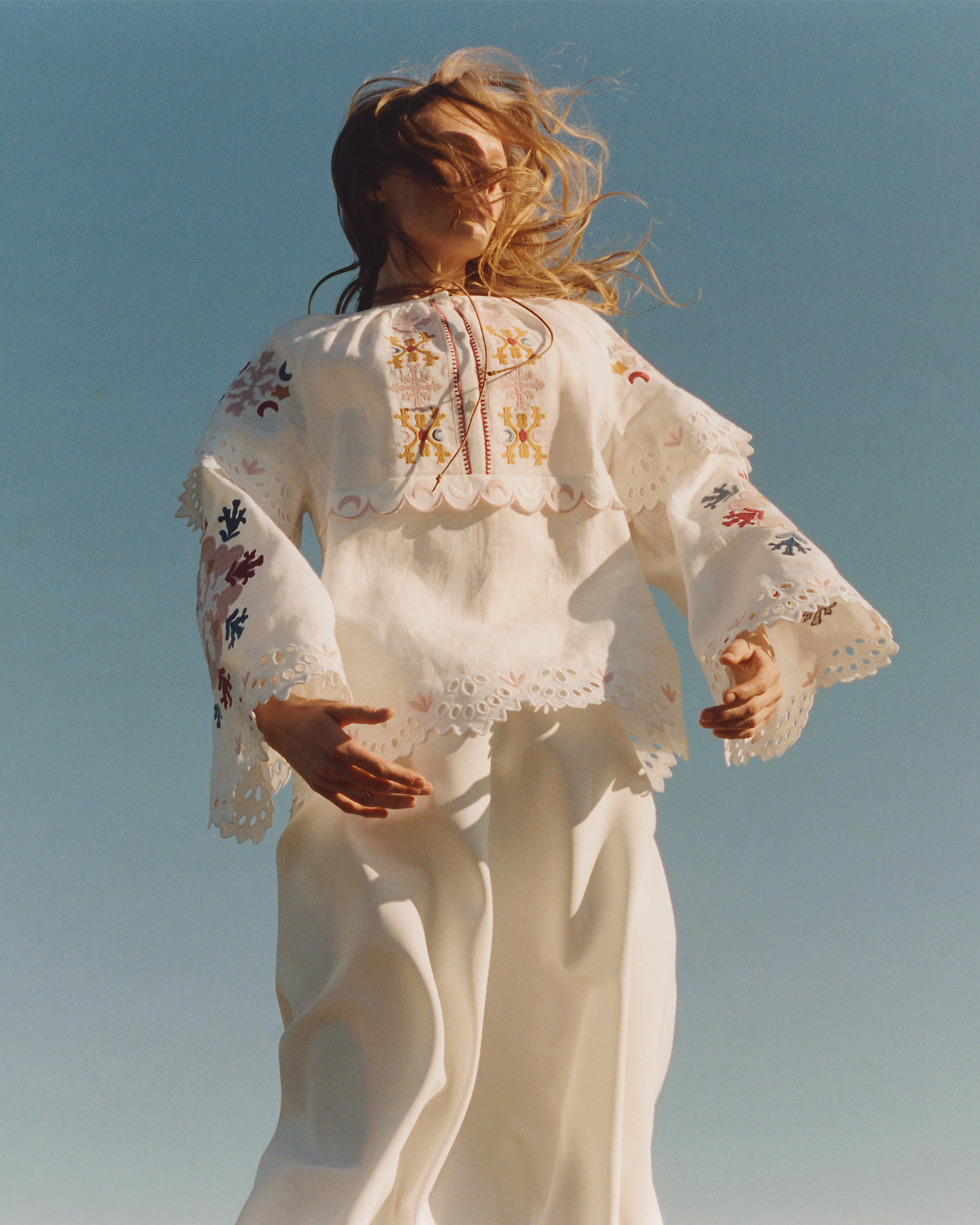
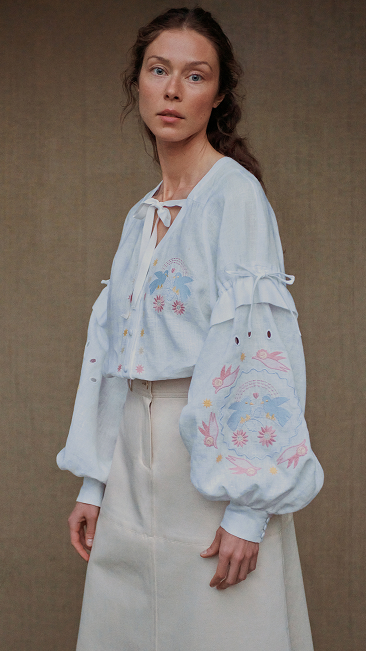
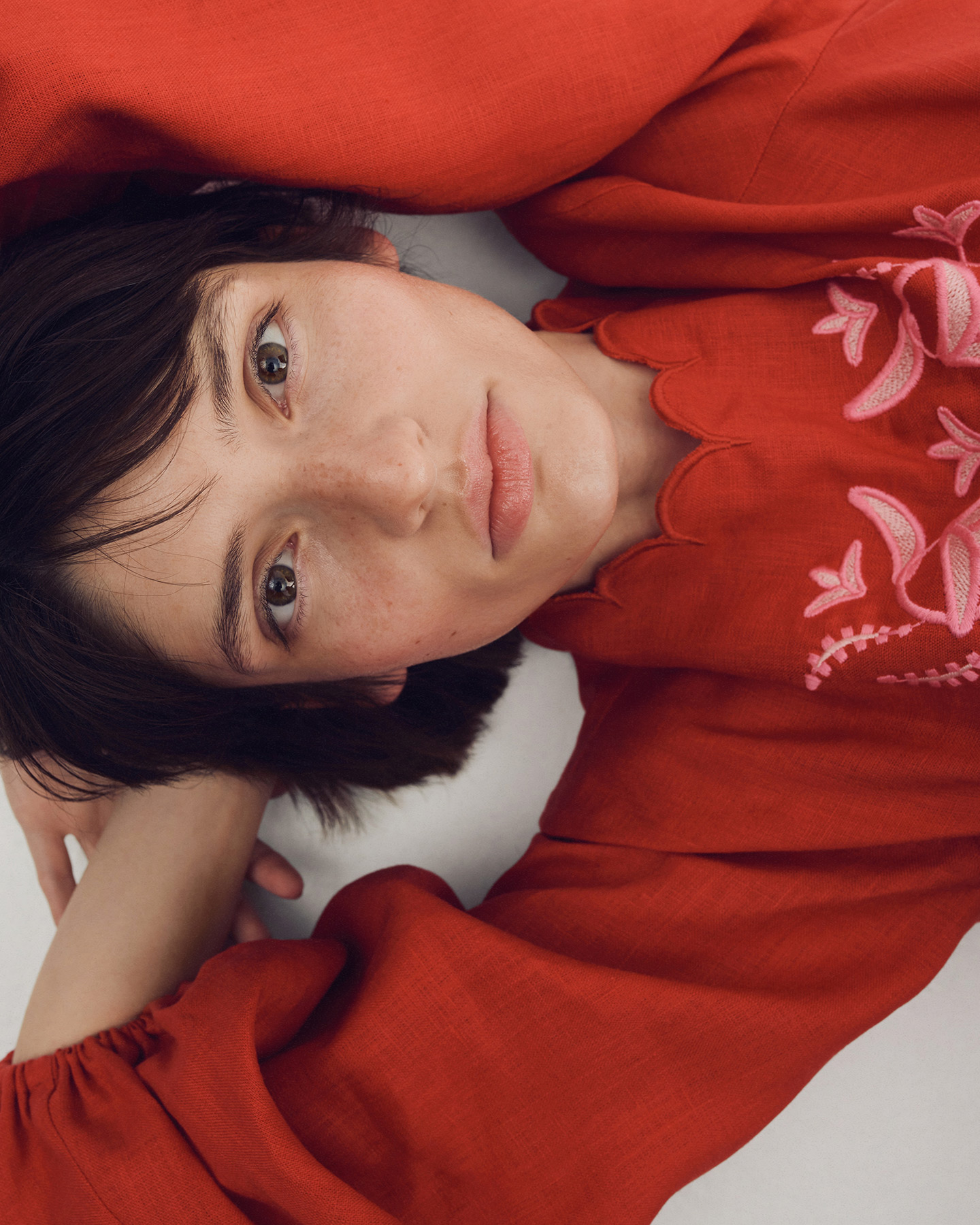
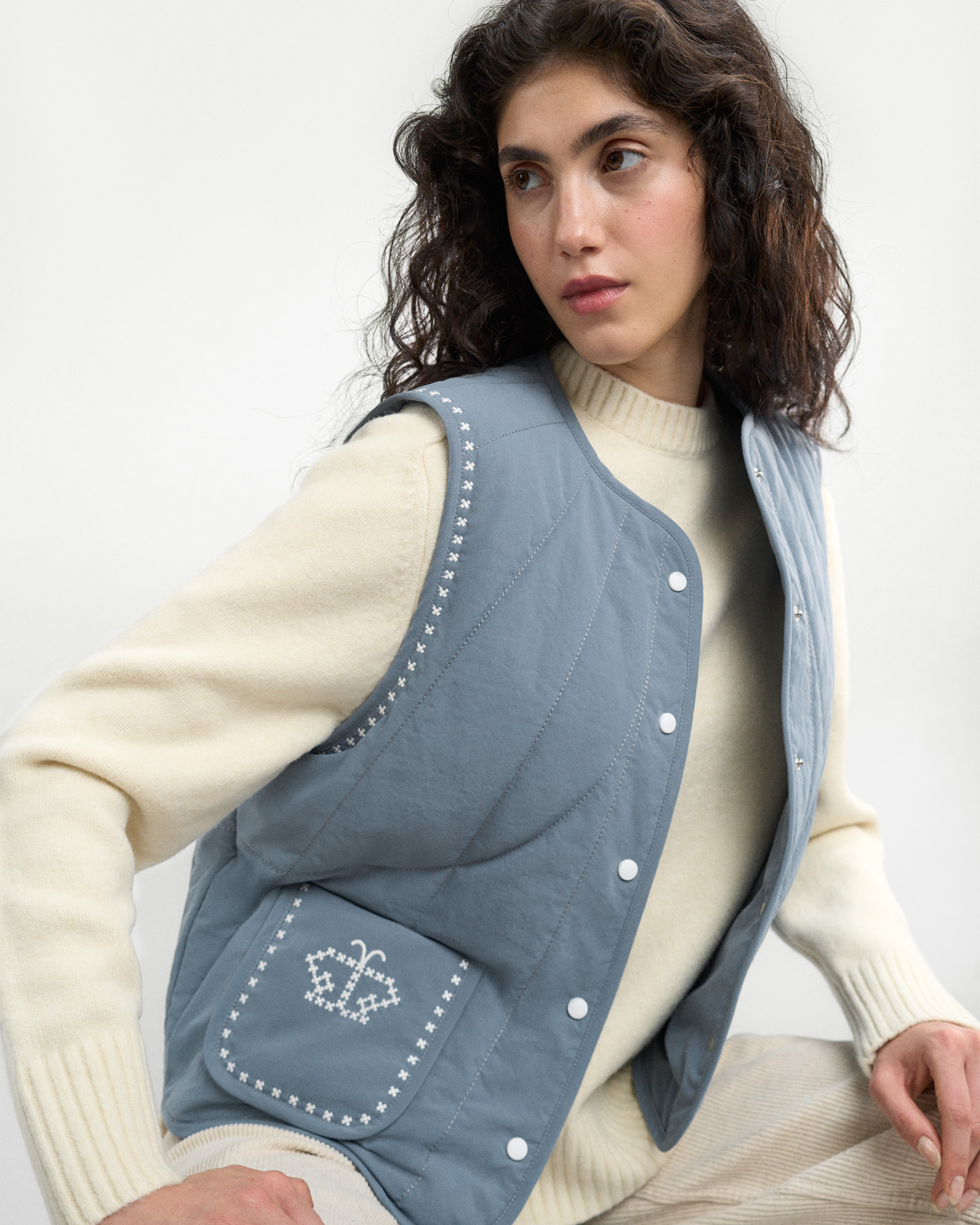
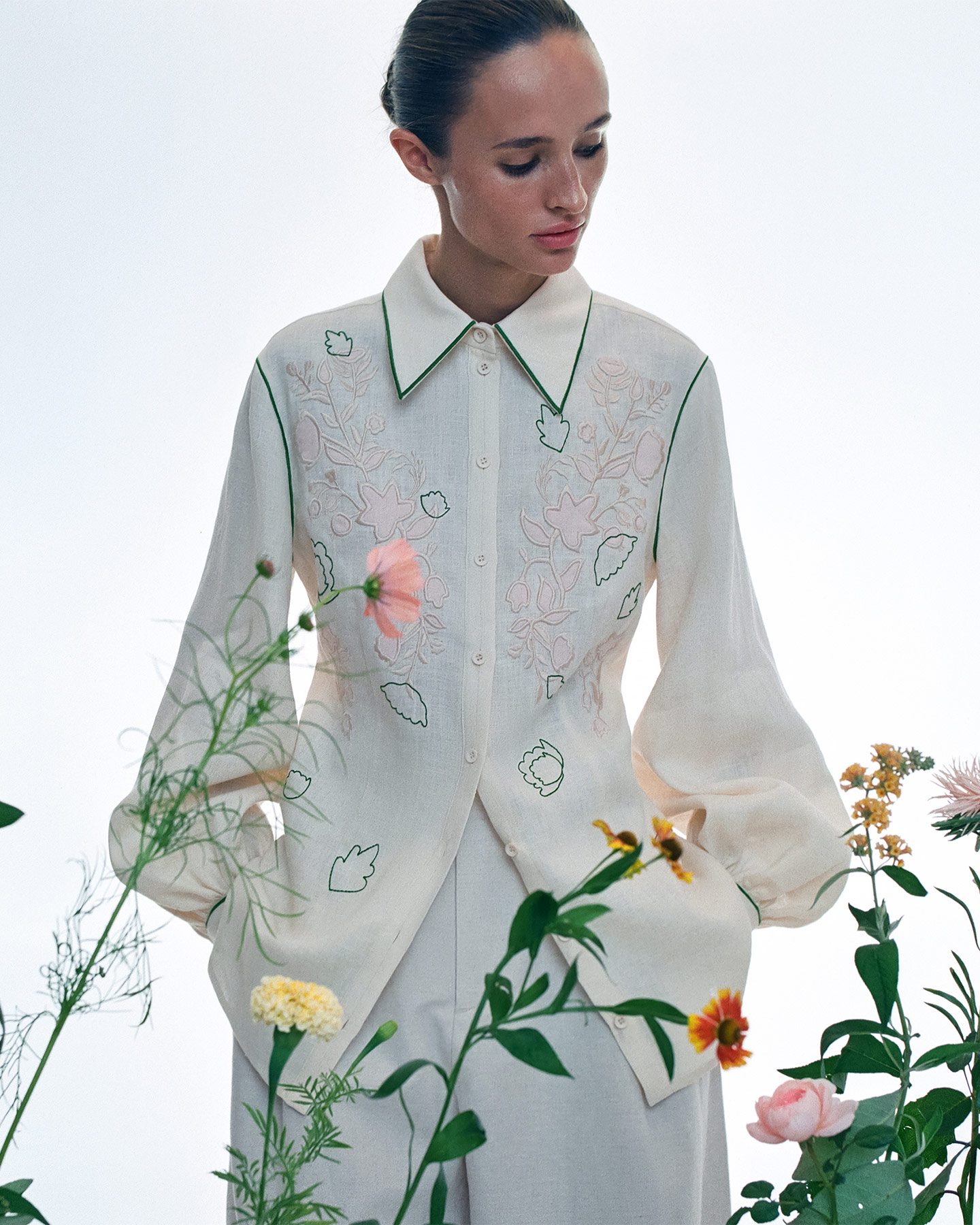
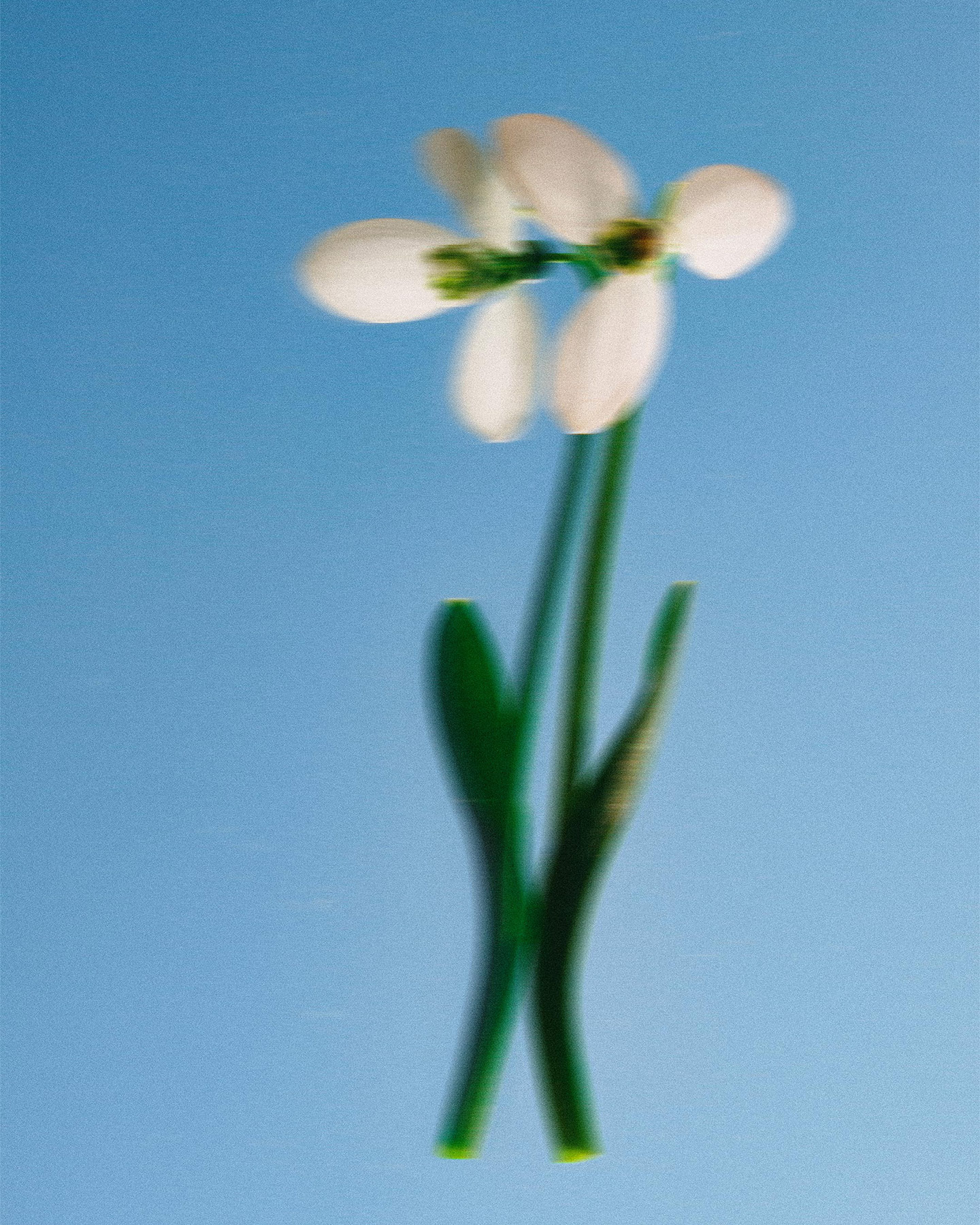
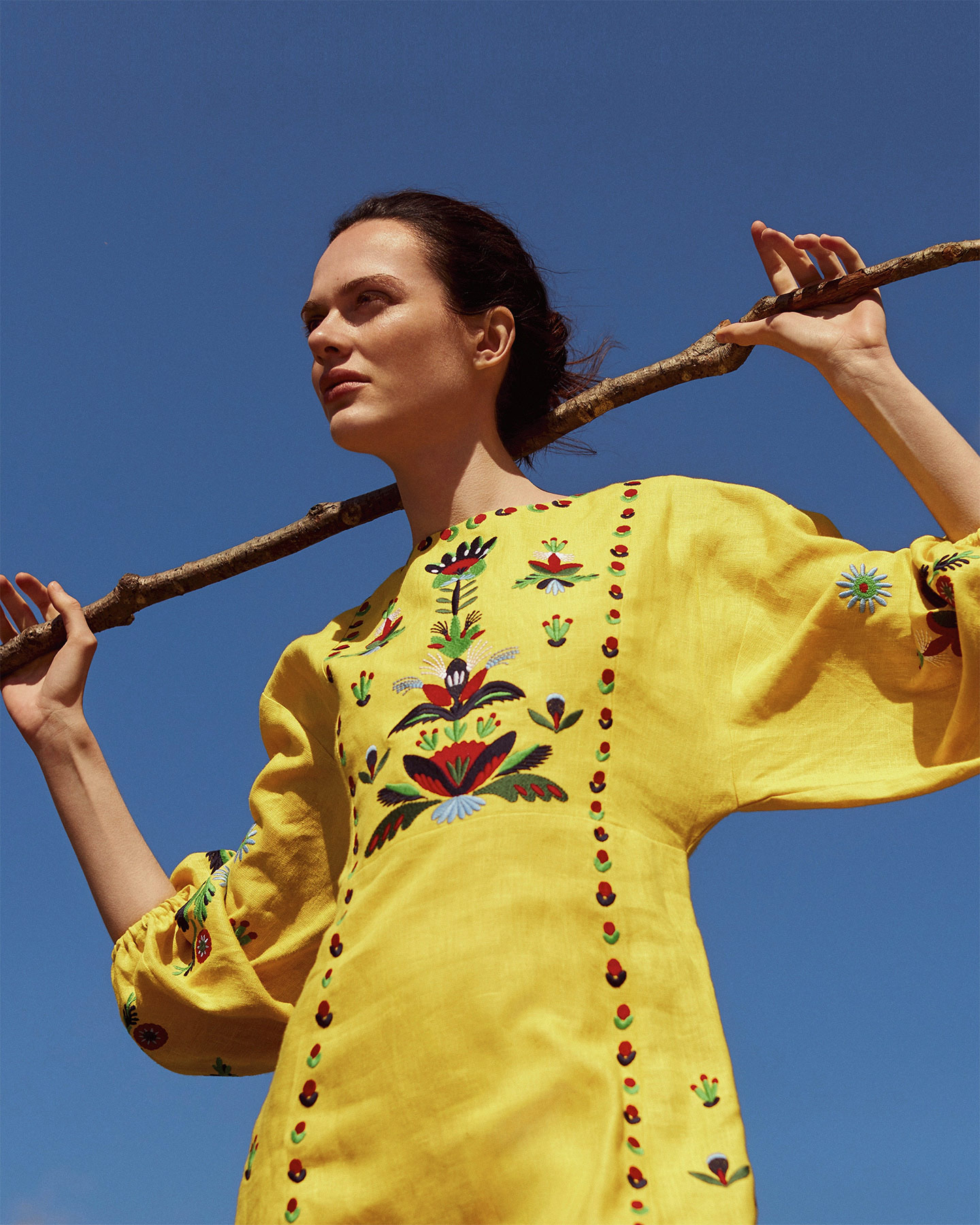
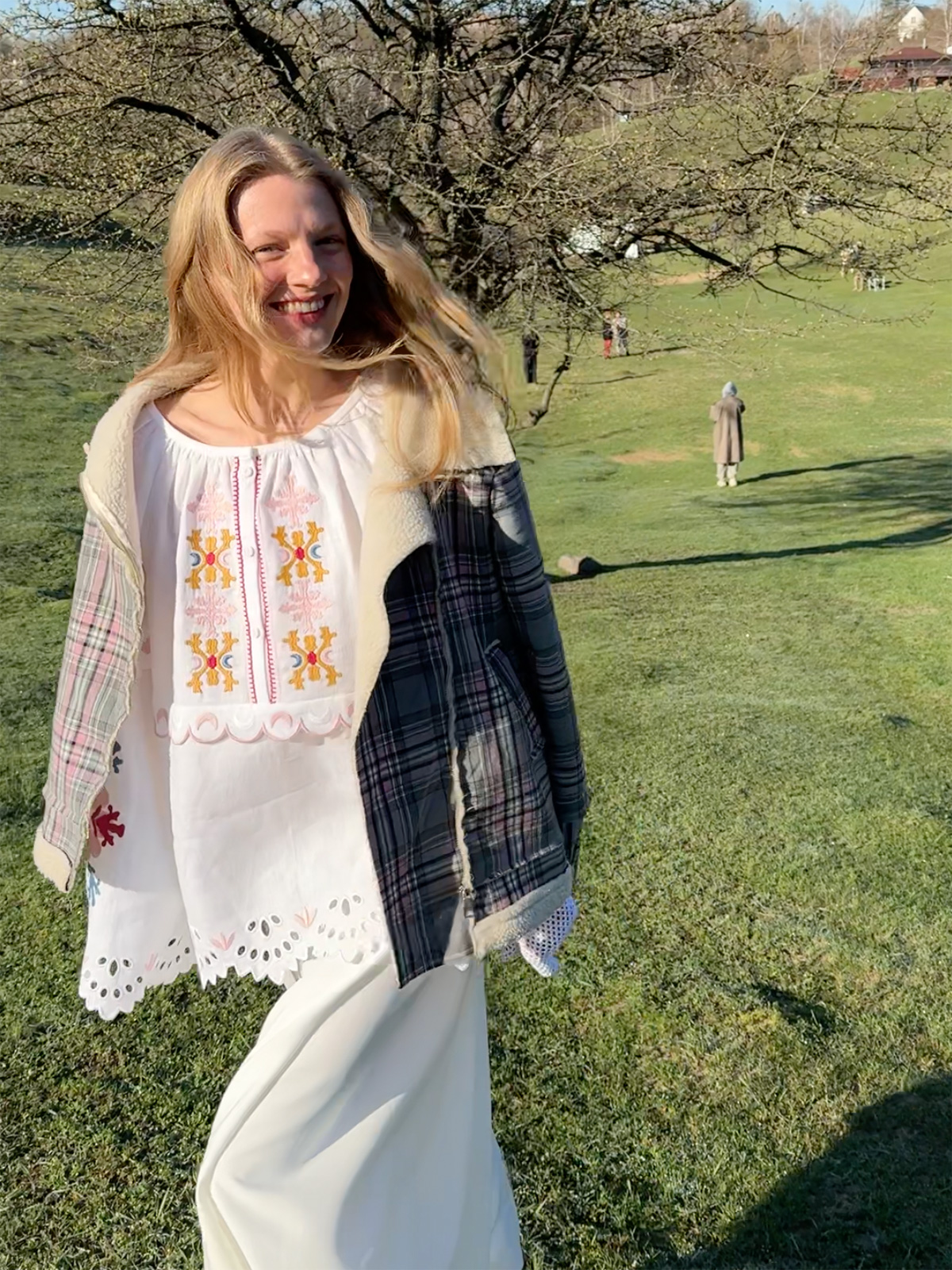
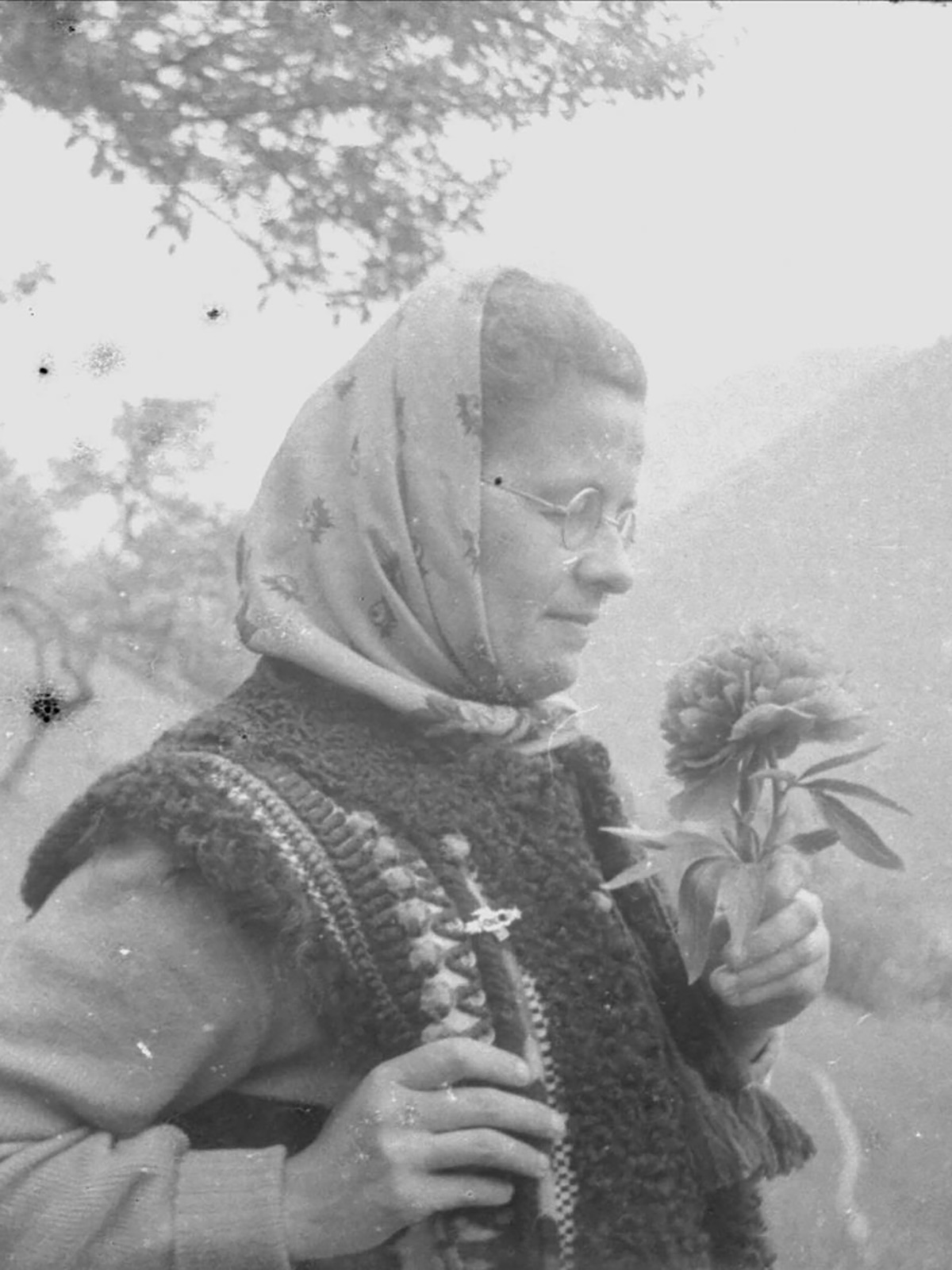
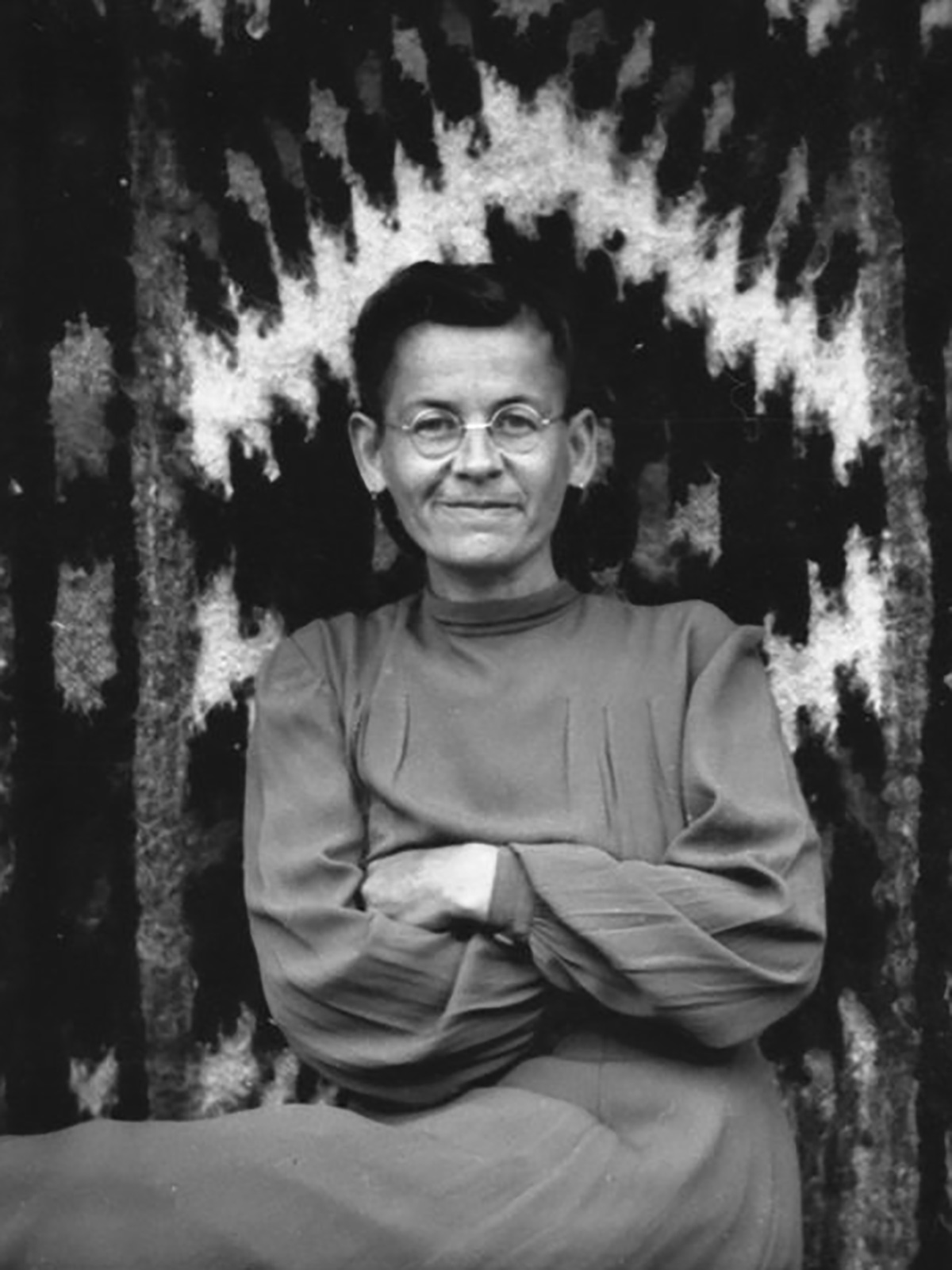
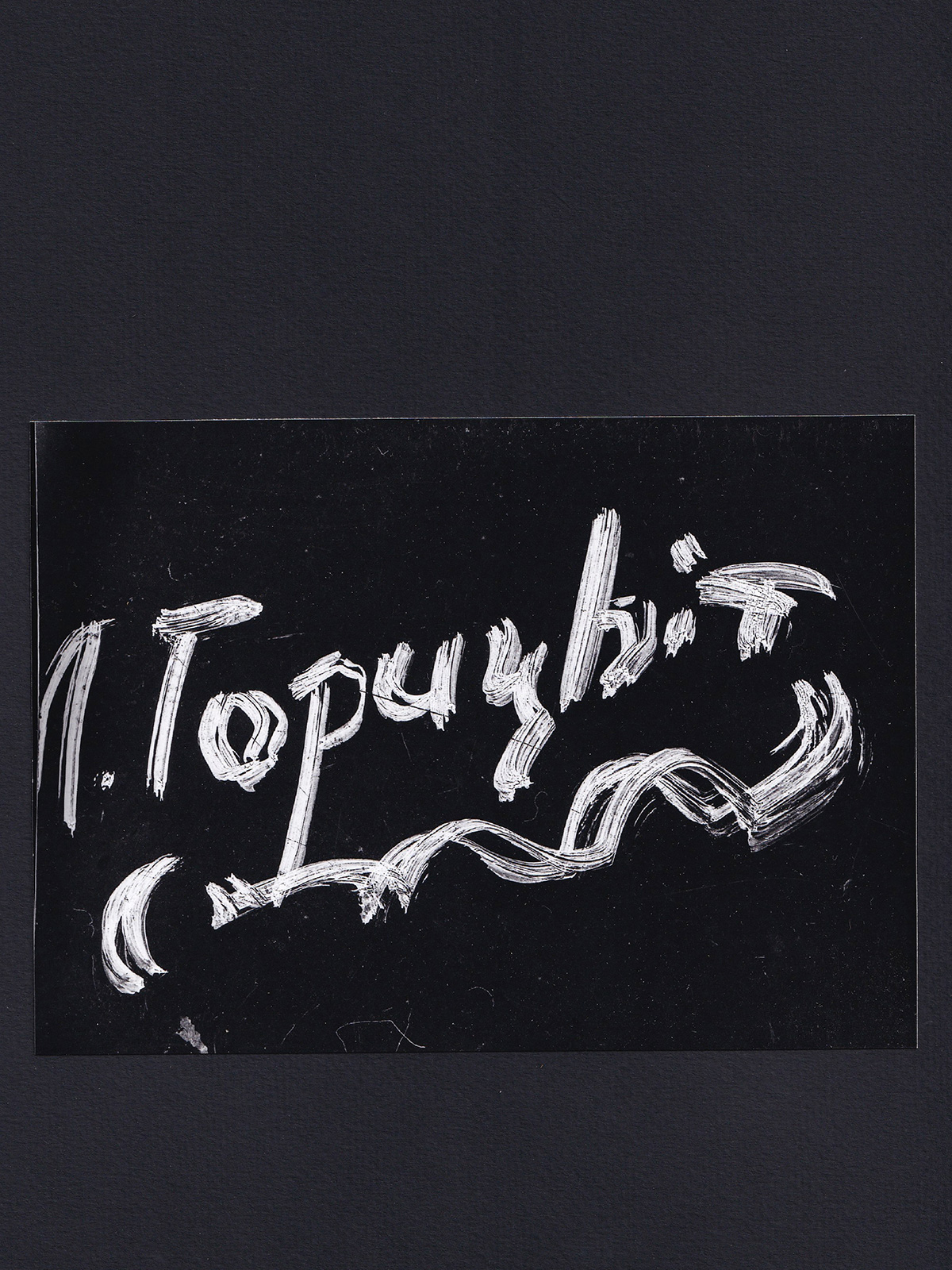
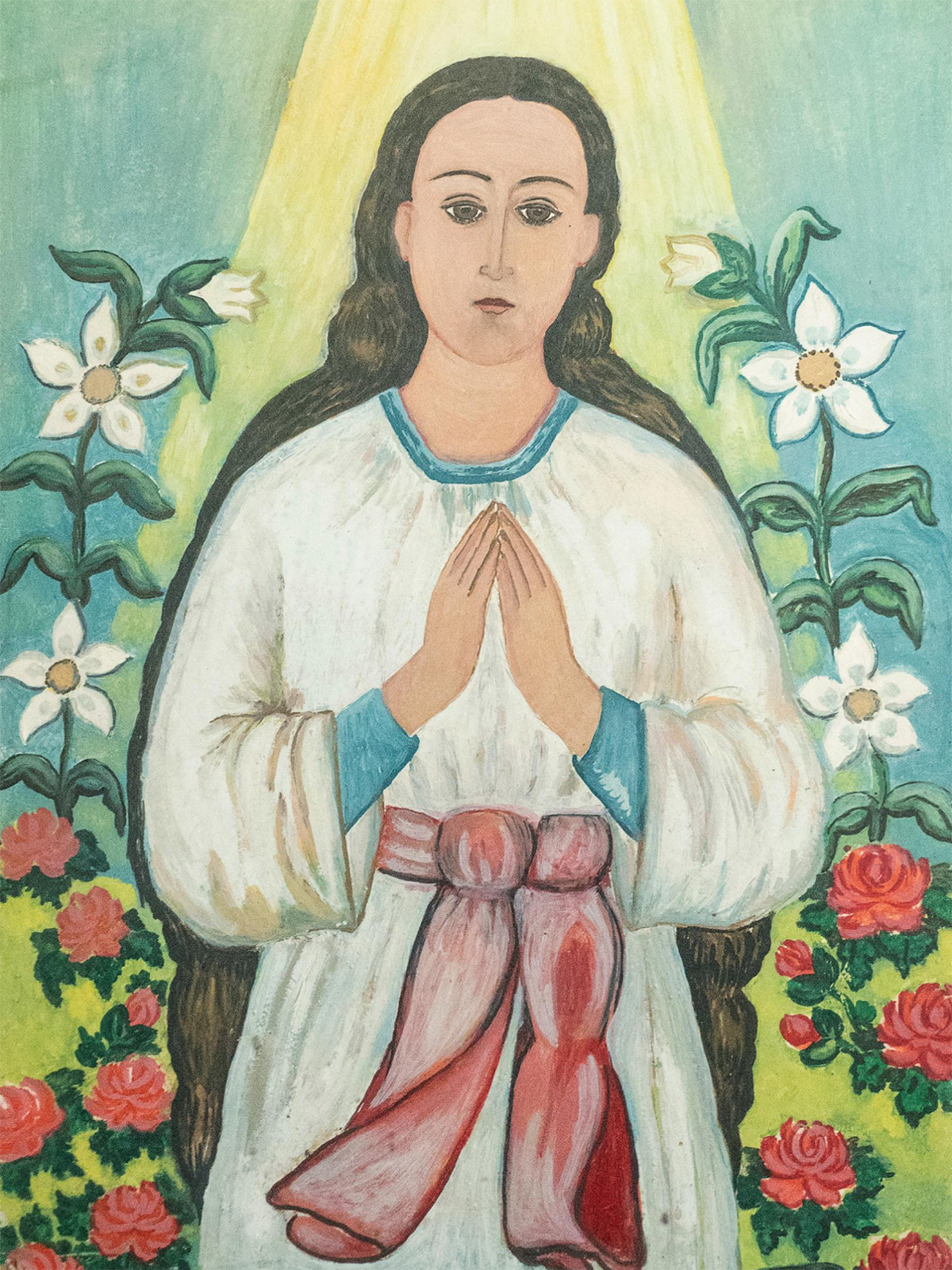
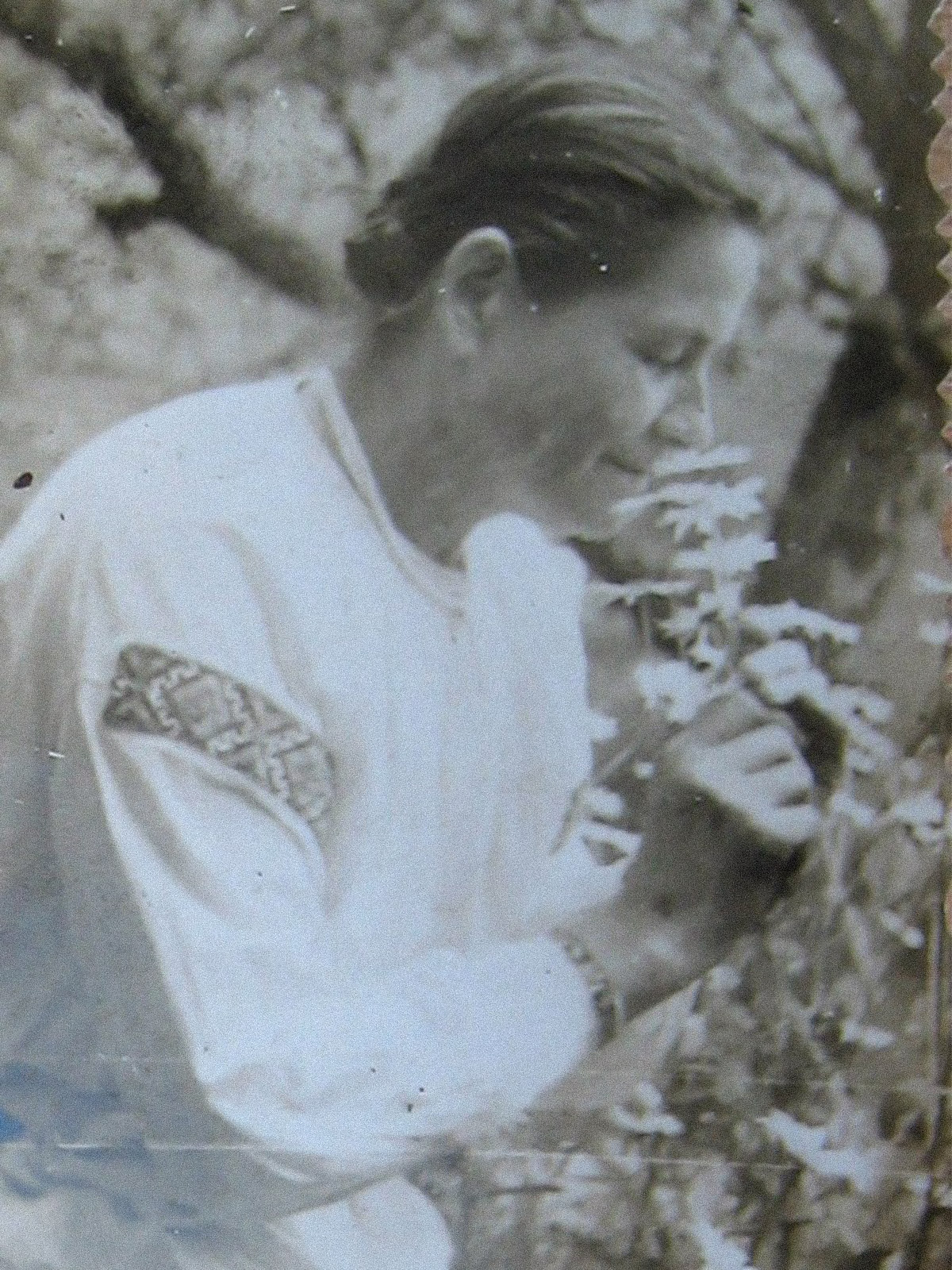
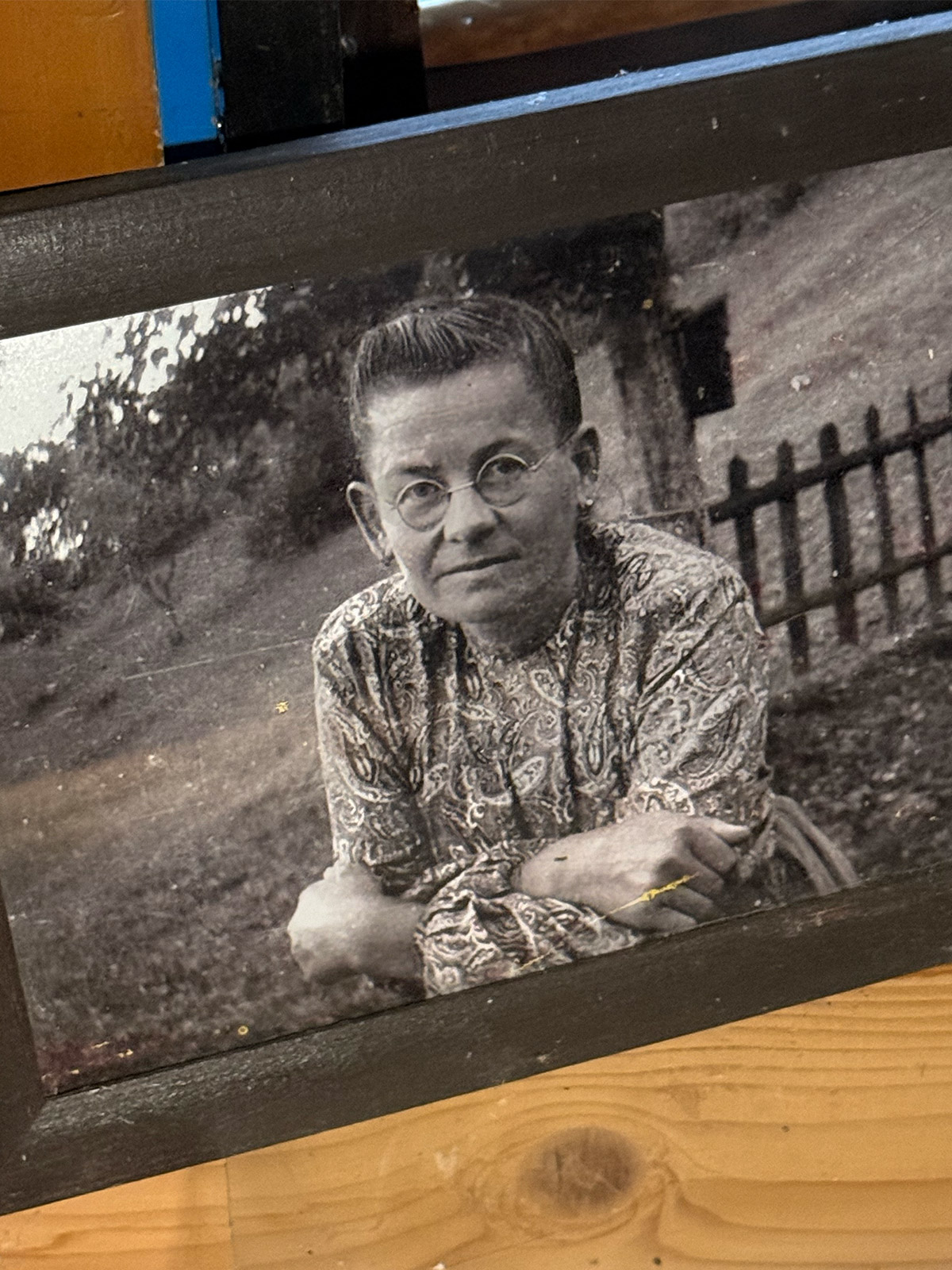
This capsule collection — three pieces designed for women — is a tribute to the life and legacy of Paraska Plytka-Horytsvit, a visionary Hutsul artist and multidisciplinary creator. The theme of nature runs through the heart of this drop. It’s a story of spring finally arriving — when the sun doesn’t just shine, it warms. When the scent of blossoms fills the air. When greenery spills beneath your feet and stretches above your head. It’s about nature awakening — both around us, and within. Paraska Plytka-Horytsvit was an artist, writer, photographer, folklorist, philosopher, and ethnographer from the village of Kryvorivnia in the Ivano-Frankivsk region of Ukraine. Horytsvit — the name of a modest wildflower — was her chosen pseudonym. “It blooms brightly, but fades quickly,” she explained. As a teenager, Paraska served as a liaison for the Ukrainian Insurgent Army. Later, she endured nearly a decade of exile. When she returned, she devoted herself to creation. If her life could be captured in an image, it would be that of flight. Not a graceful glide — but the daily effort of a soul that, despite the gravity of this world, rises again and again.
Paper Art
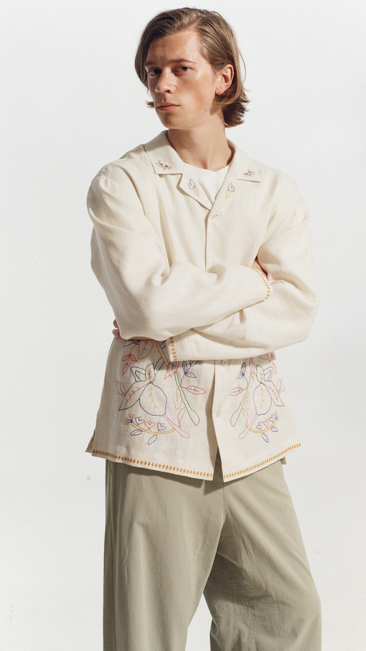
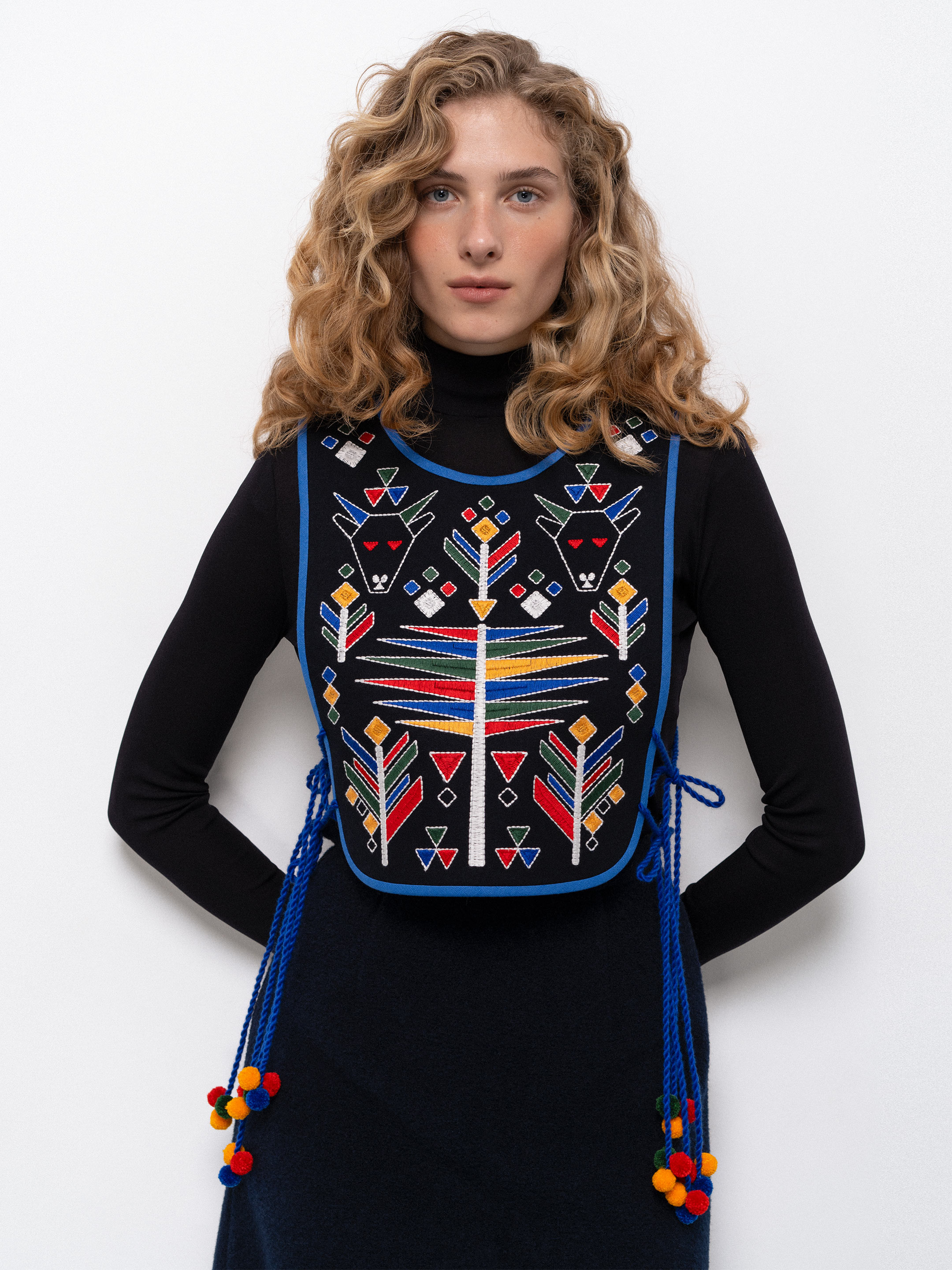
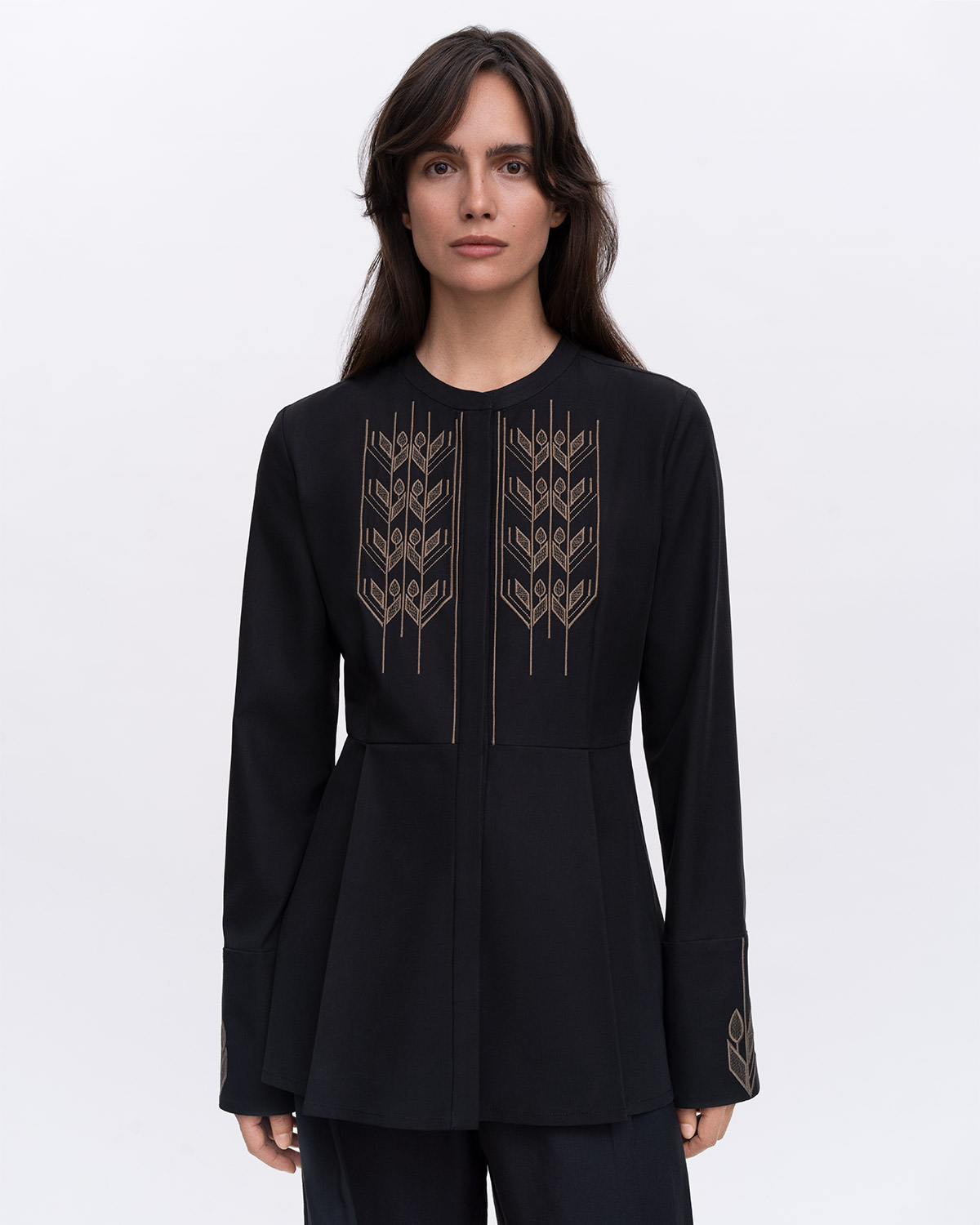
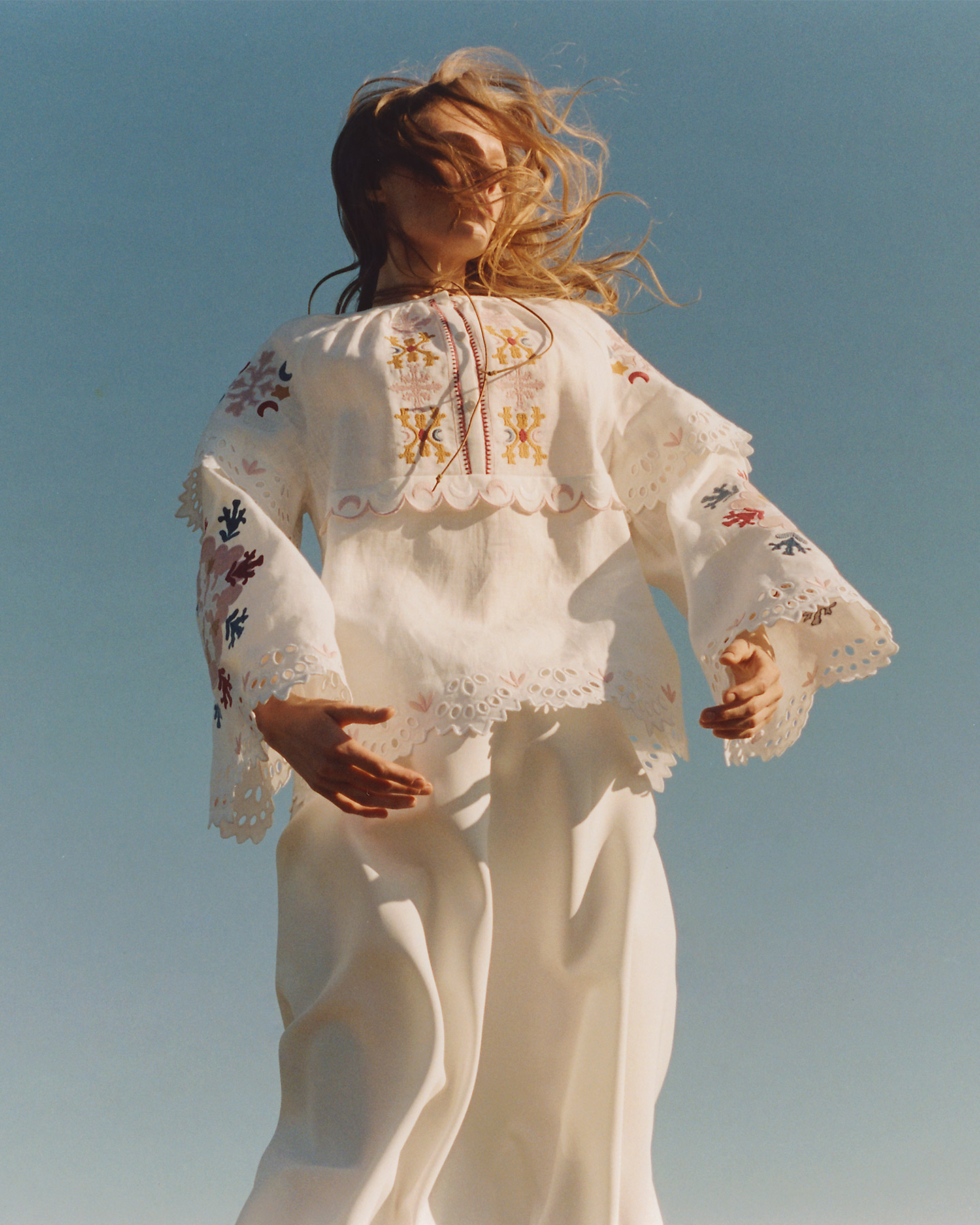
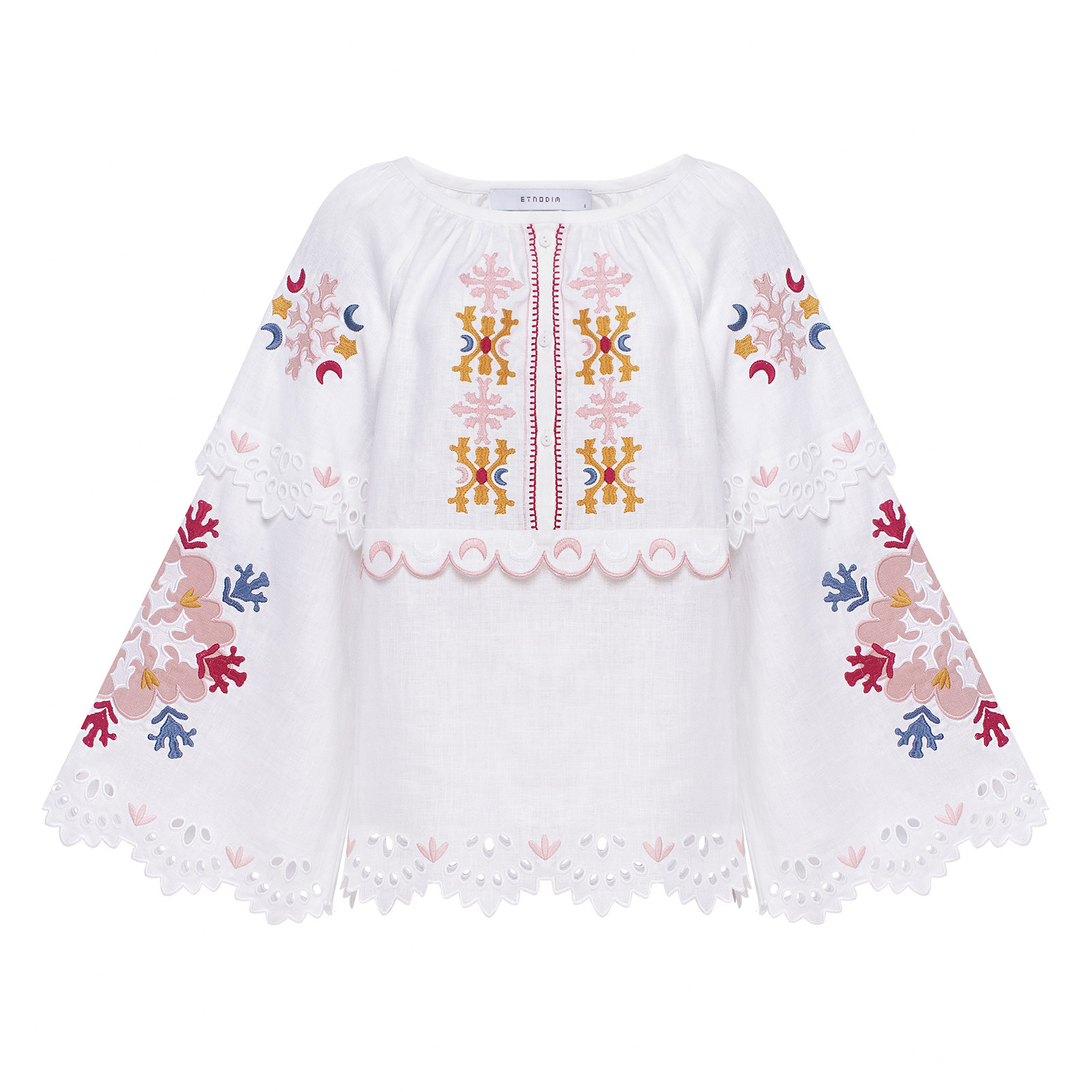
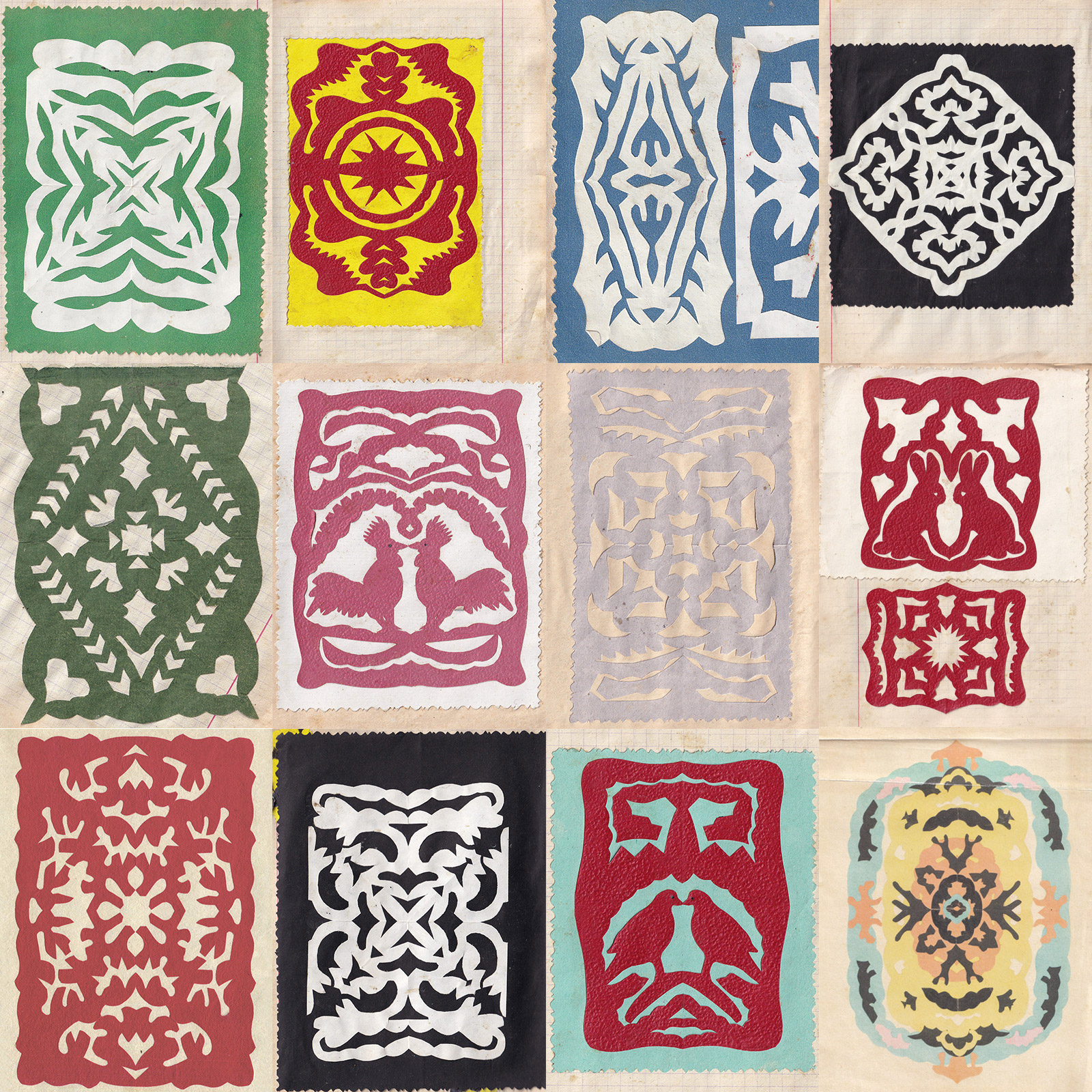
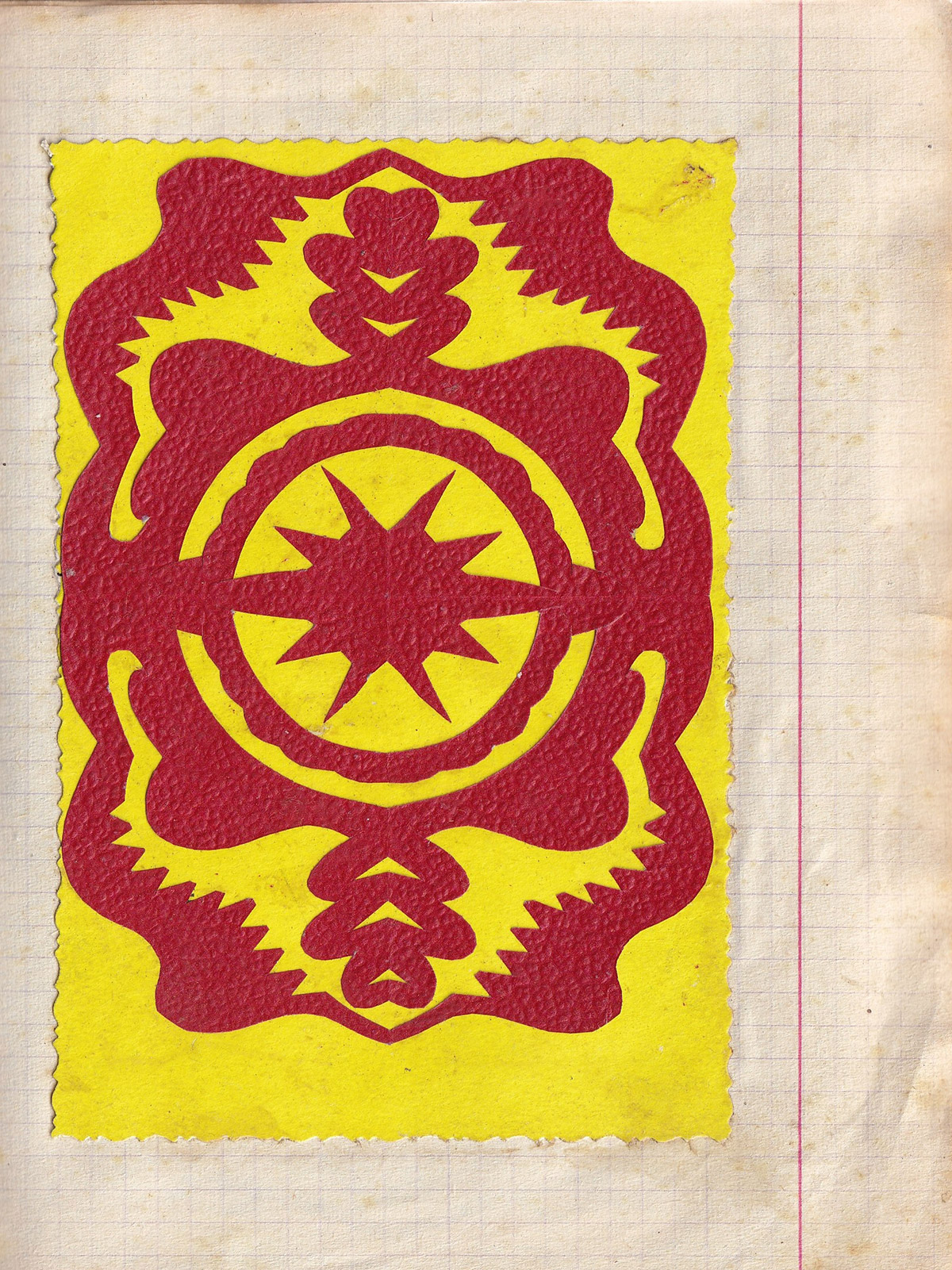
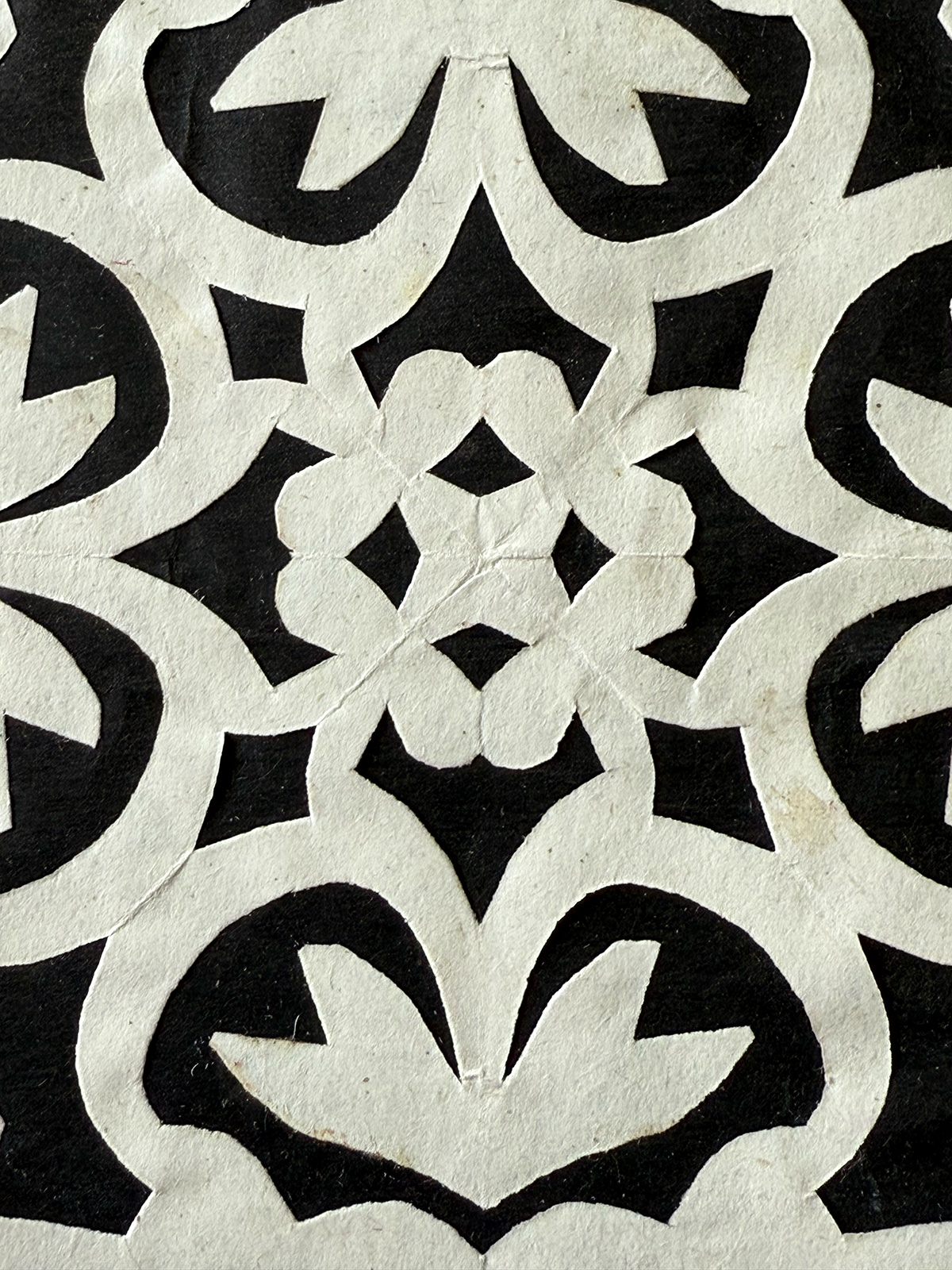
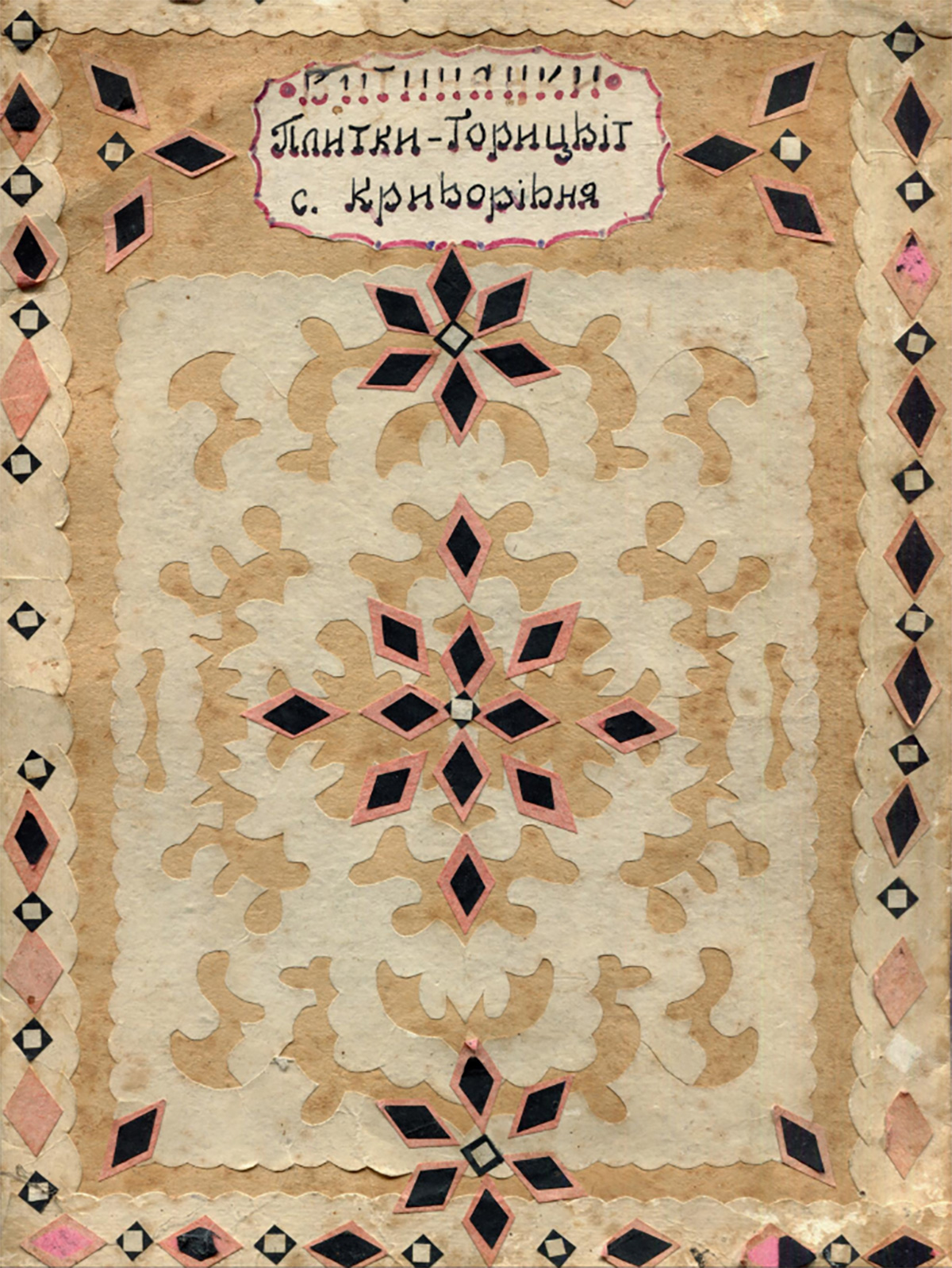
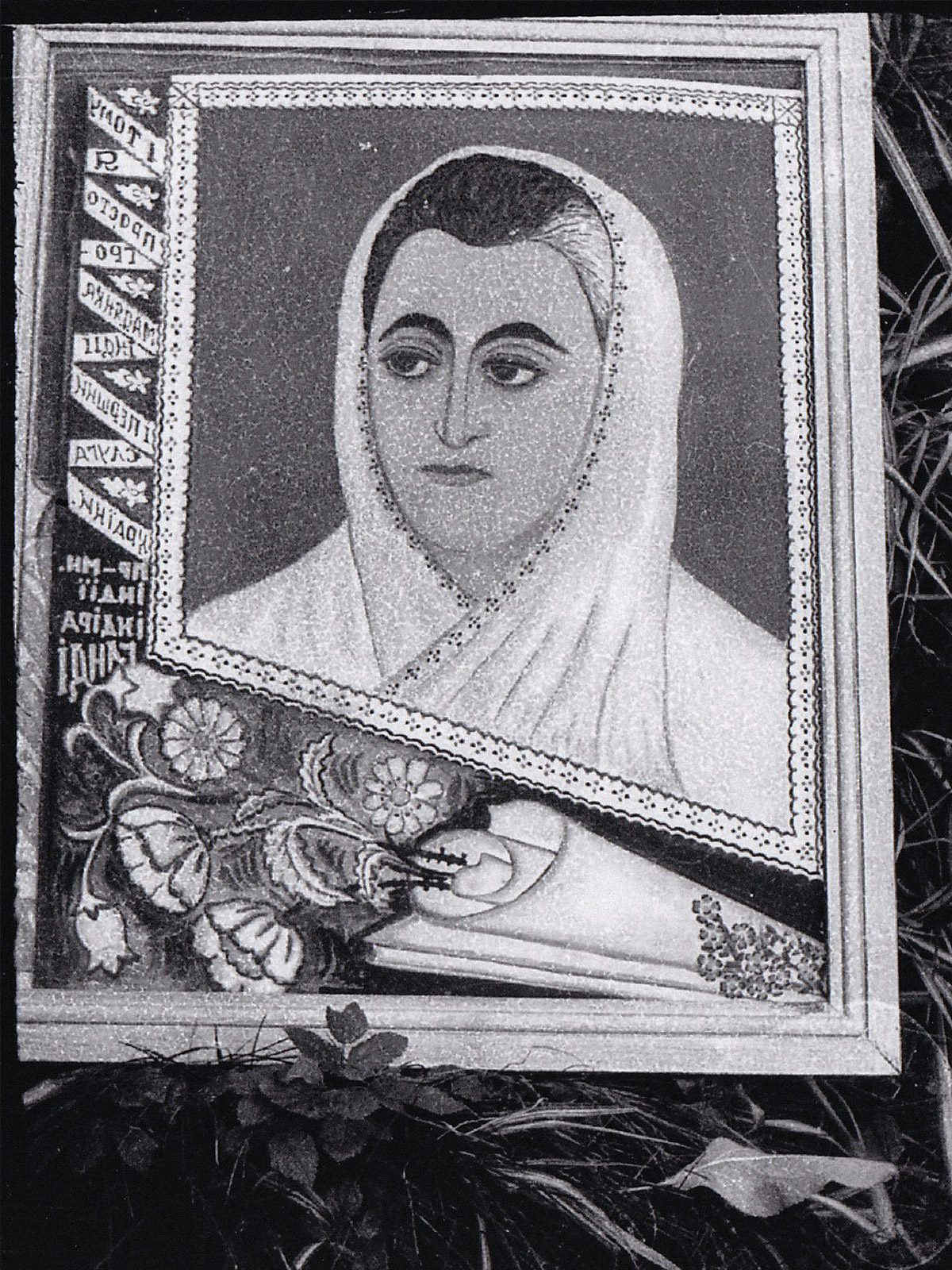
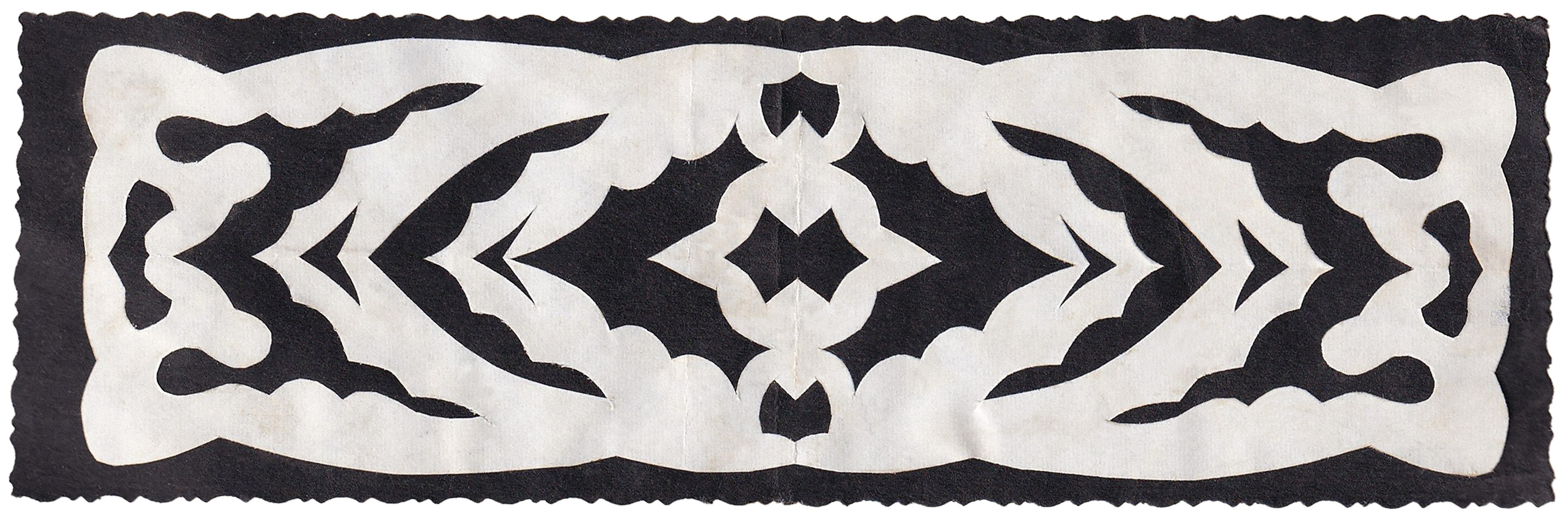
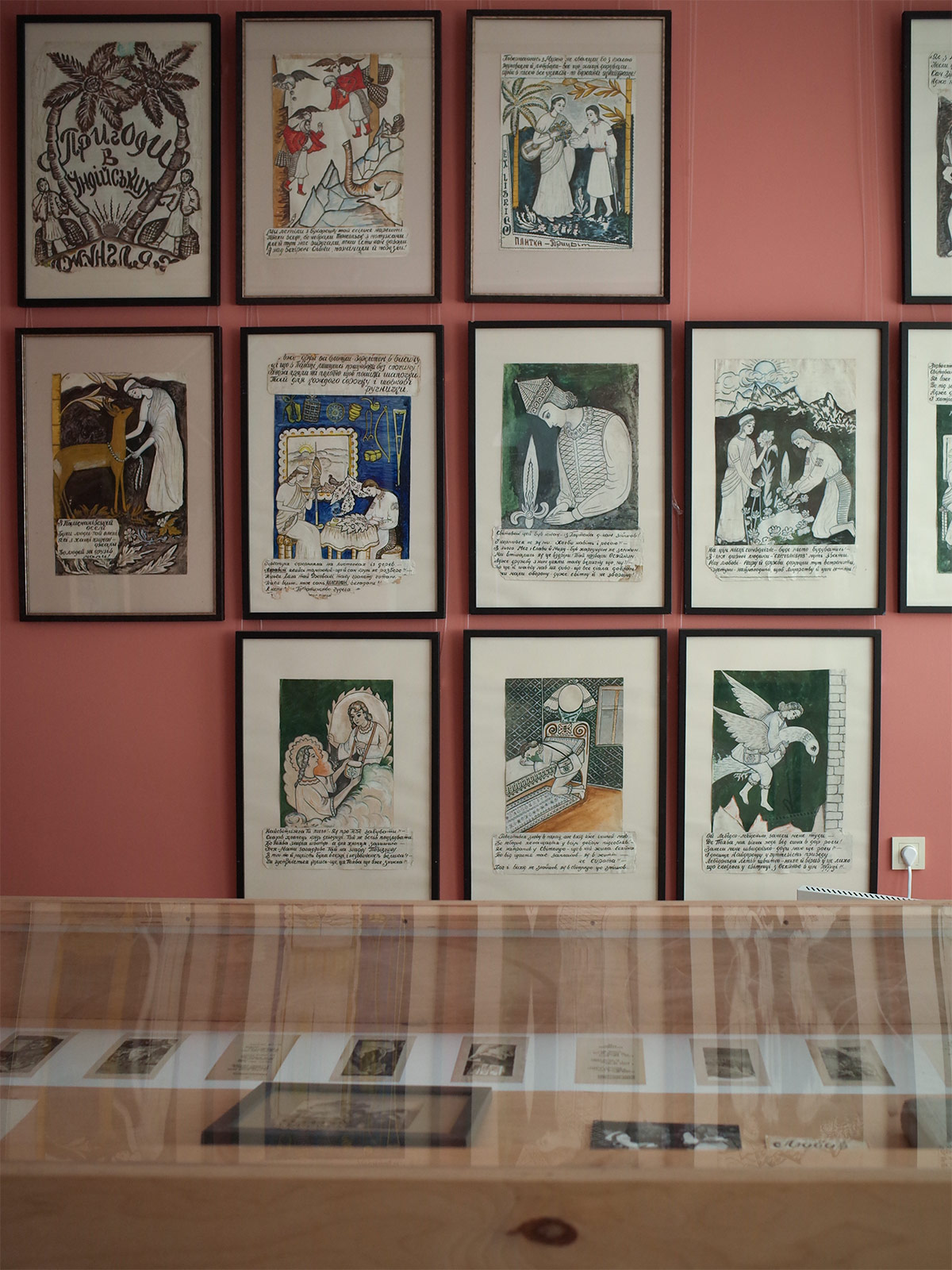
“Hutsul canvas is revered — and even a little piece of paper wants to be beautiful.” Among her immense creative legacy, we were drawn to Paraska’s vytynanky — over a thousand intricate, colorful cut-paper artworks with lace-like edges. Her family jokingly called her a “paper factory” for her love of the medium. In her hands, everything became art: schoolbook covers, ice cream wrappers, even fragile carbon paper. We were struck by how her fantastical patterns naturally flowed onto linen. Paper may be fragile and fleeting — so we offered it a new form: embroidery.
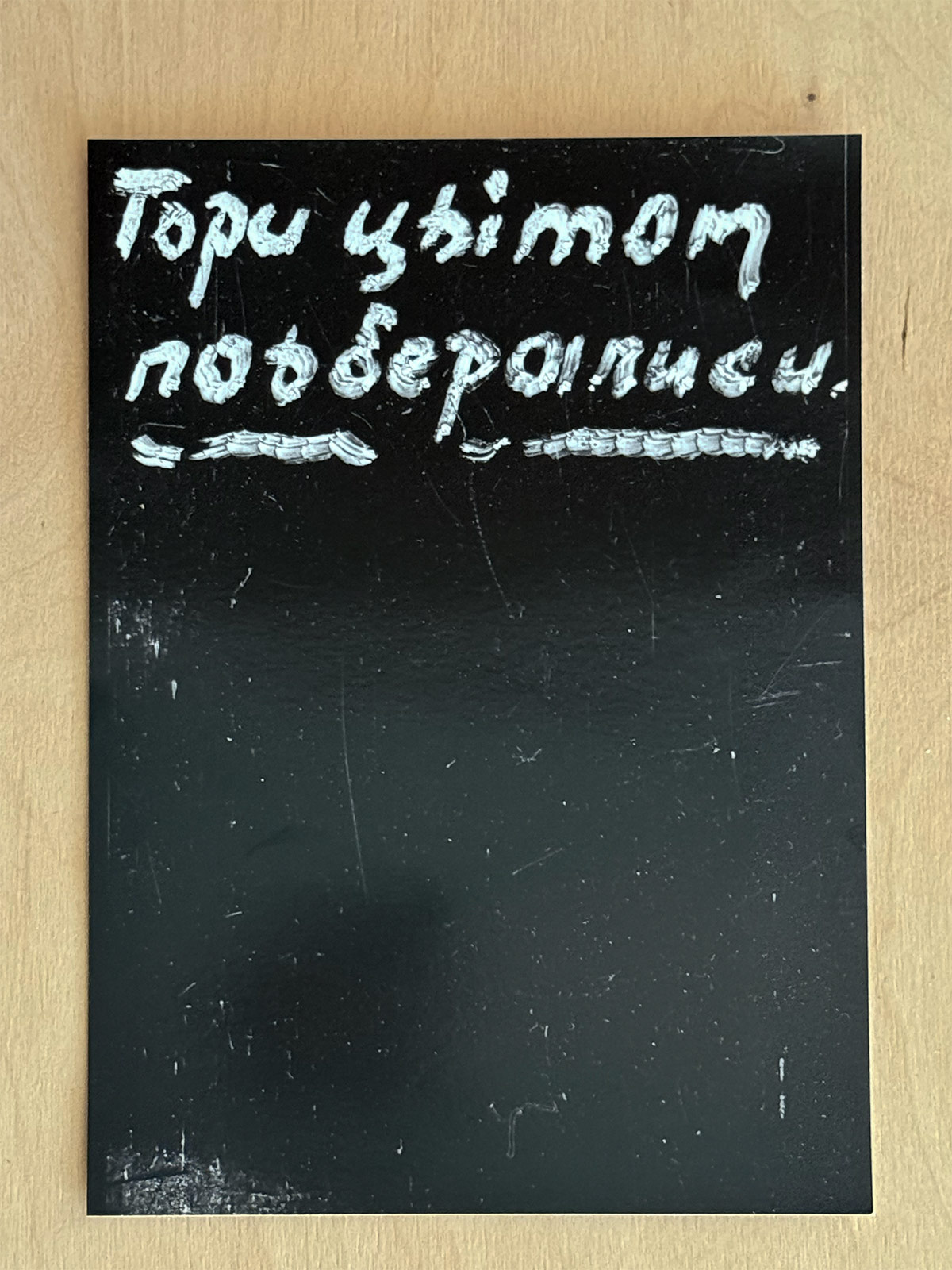
“Those who create nothing — neither in word nor deed — are already dead while still alive.”
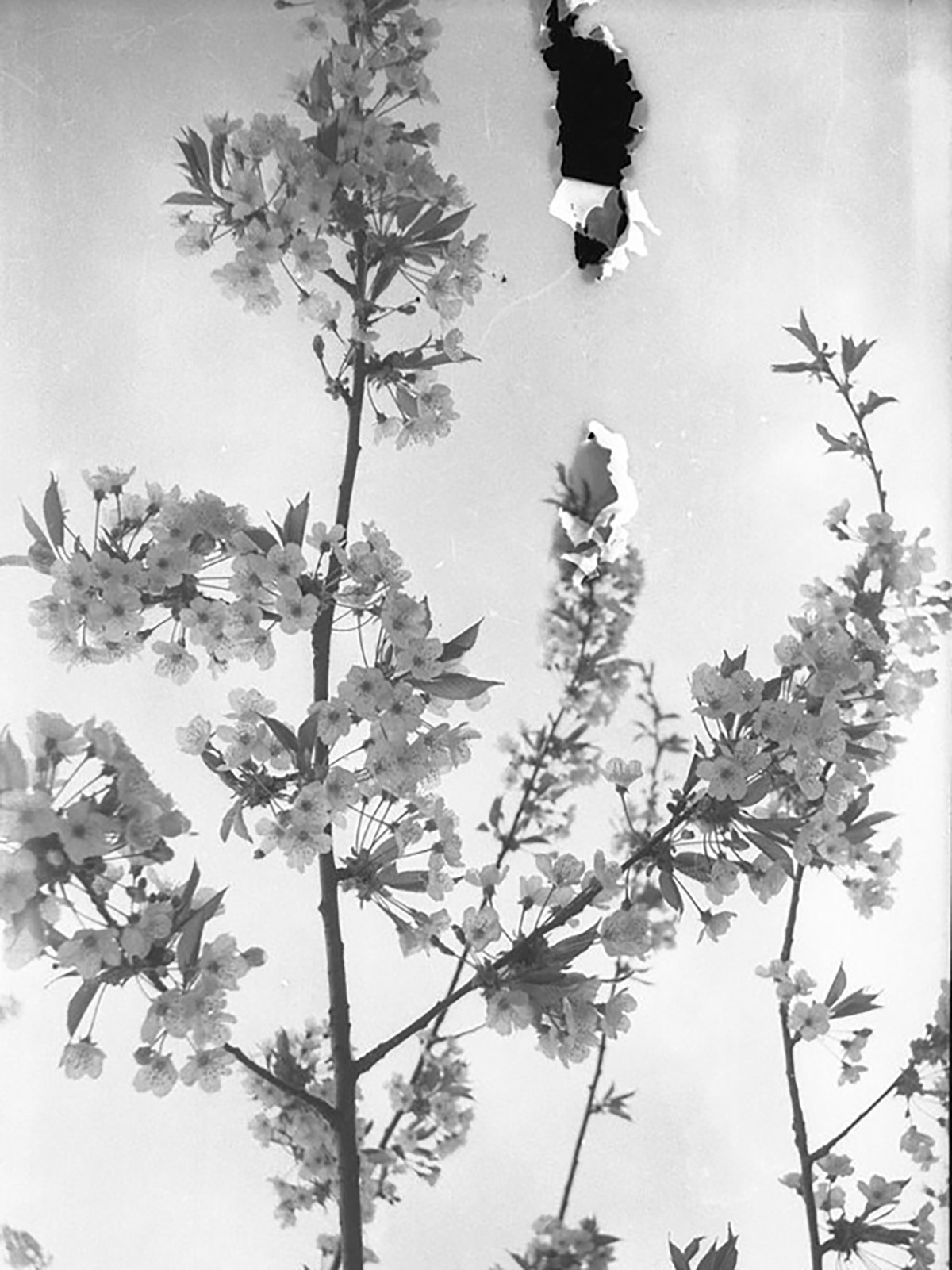
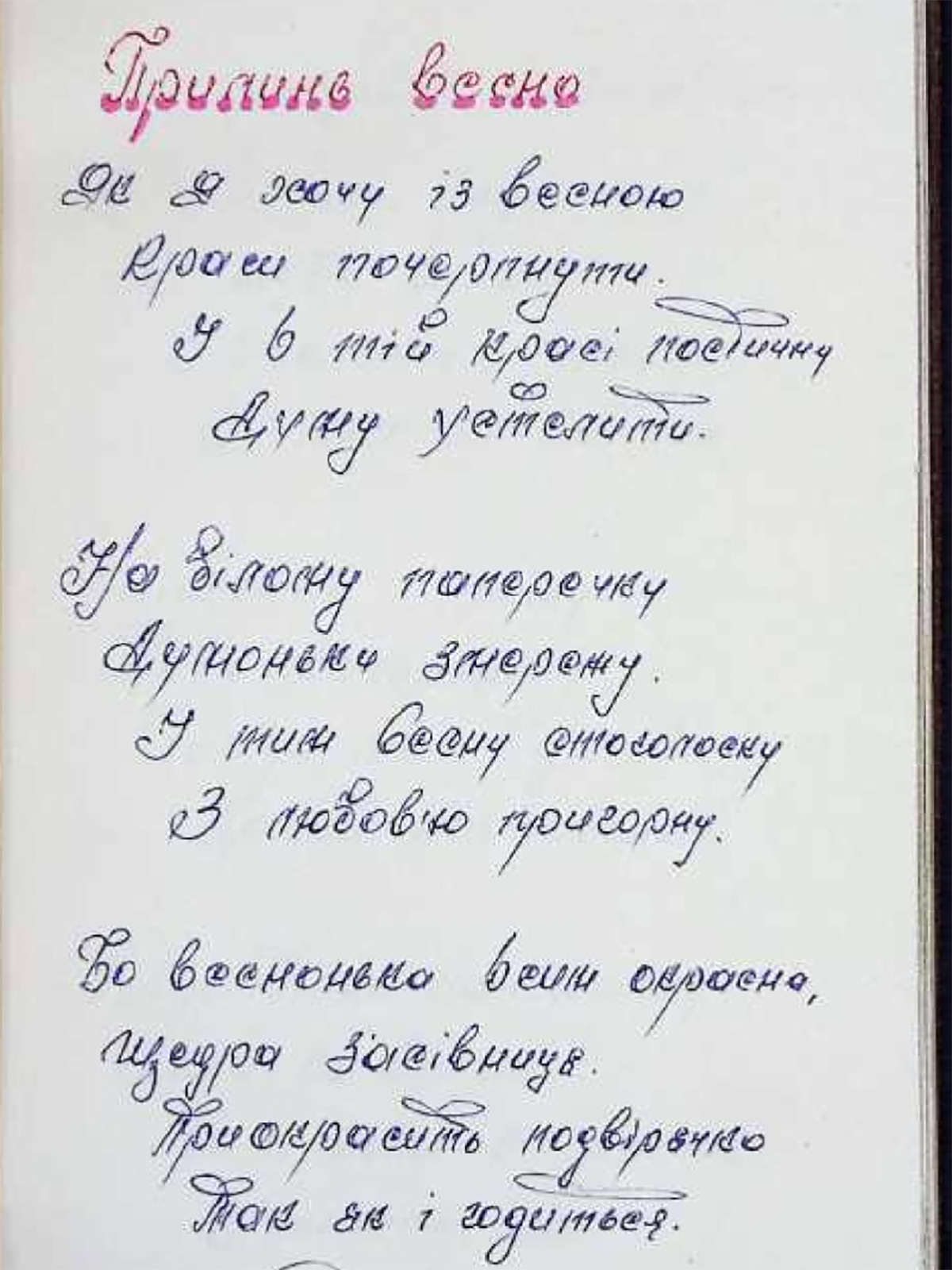
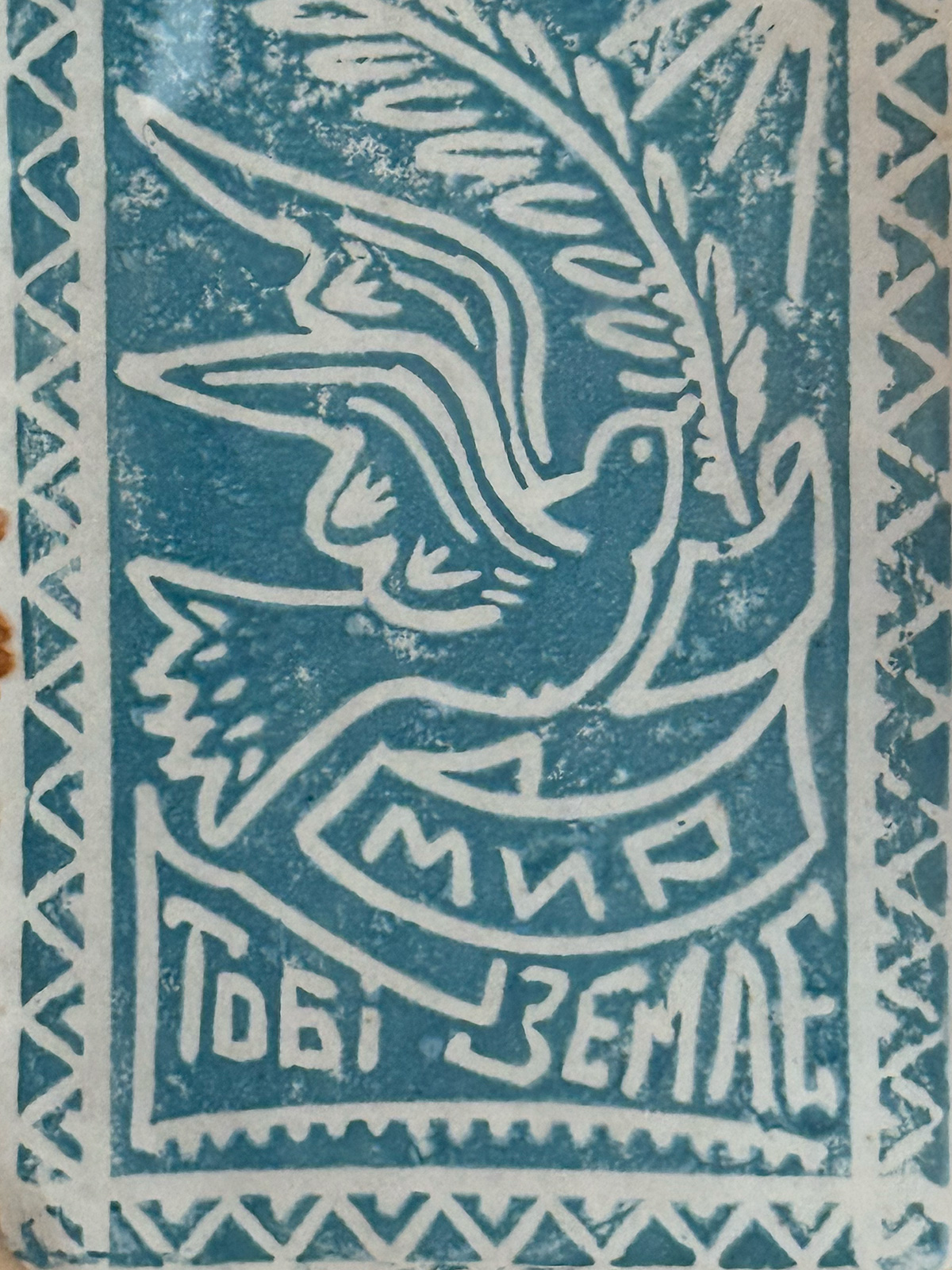
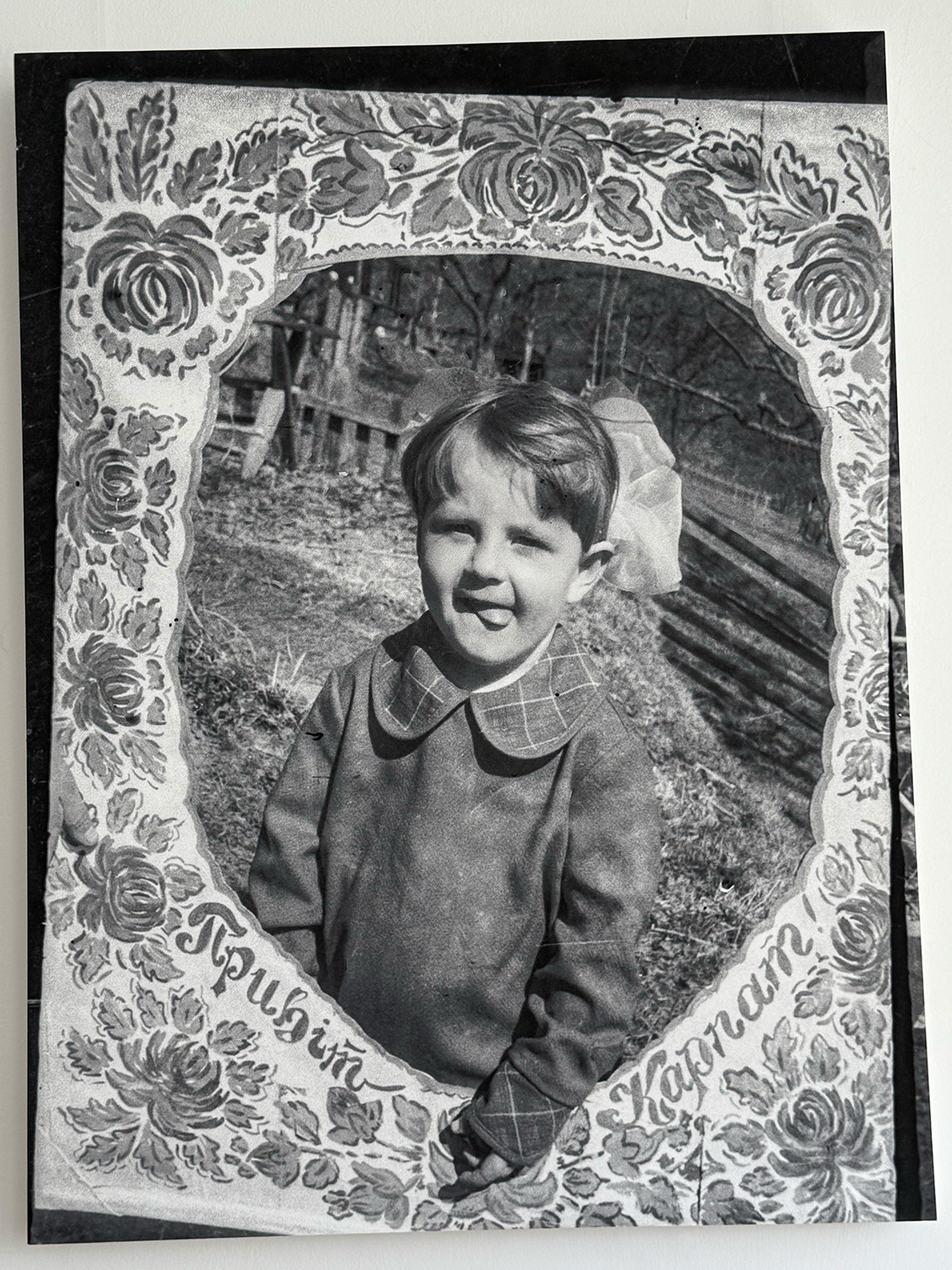
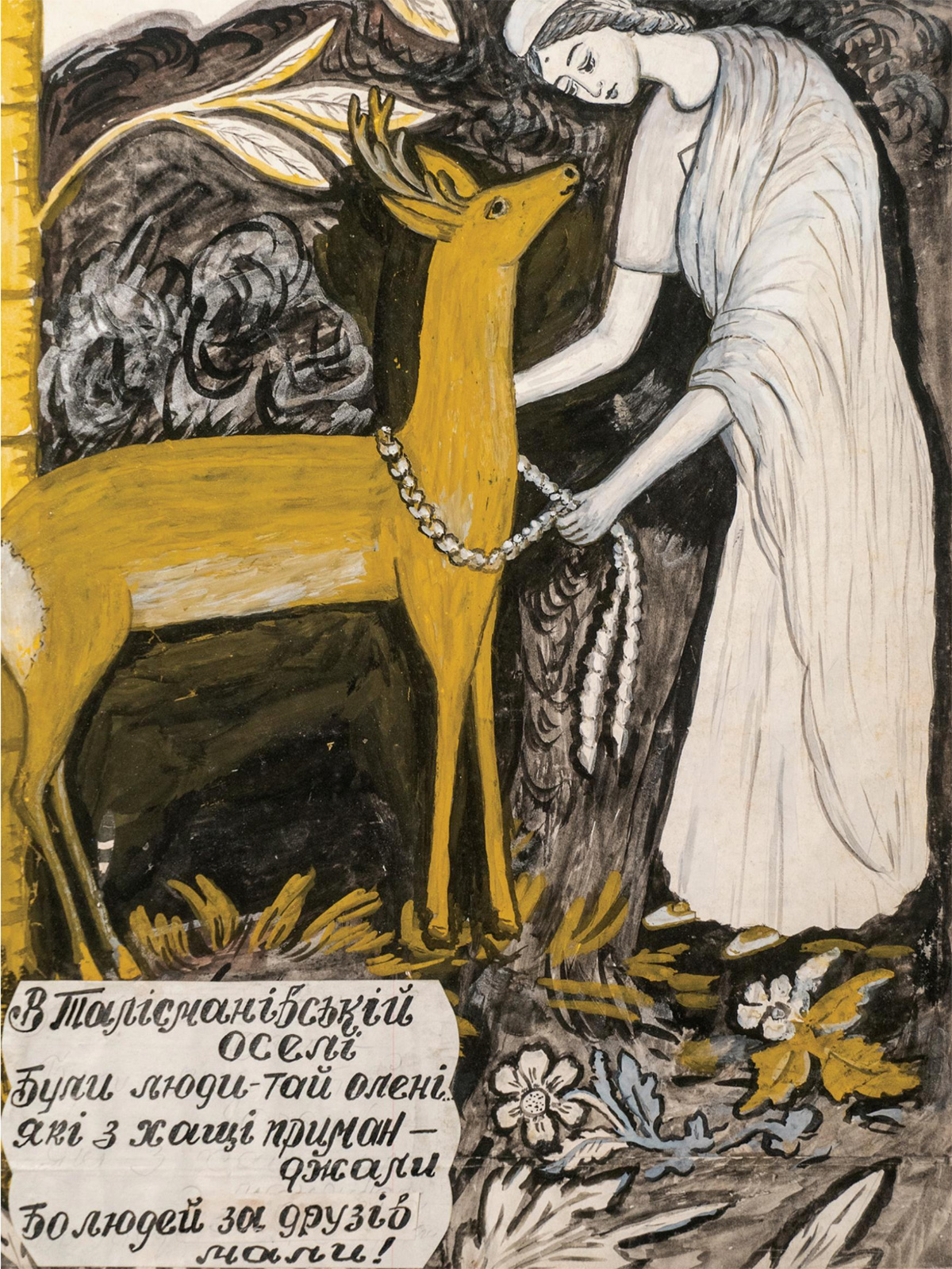
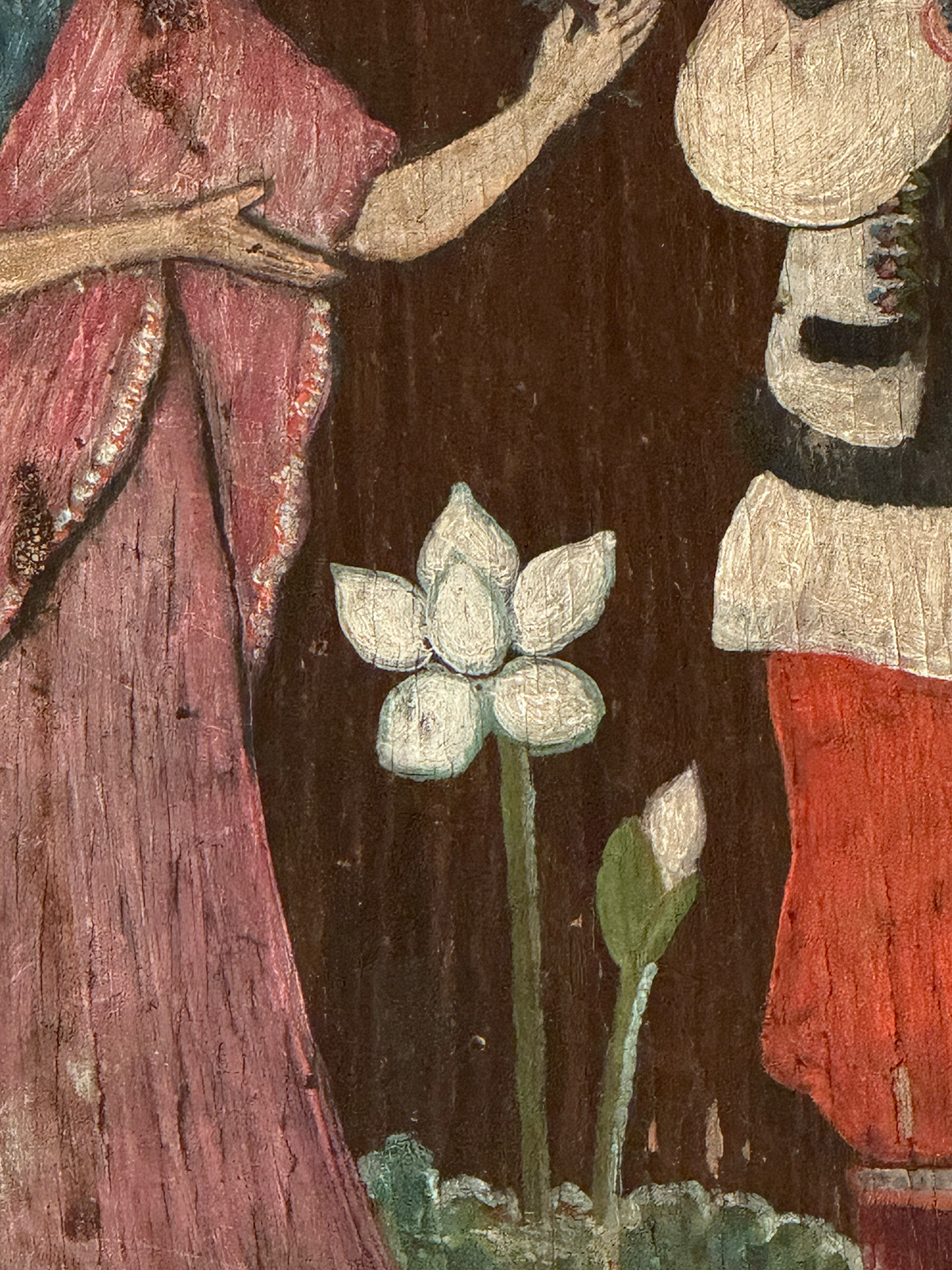
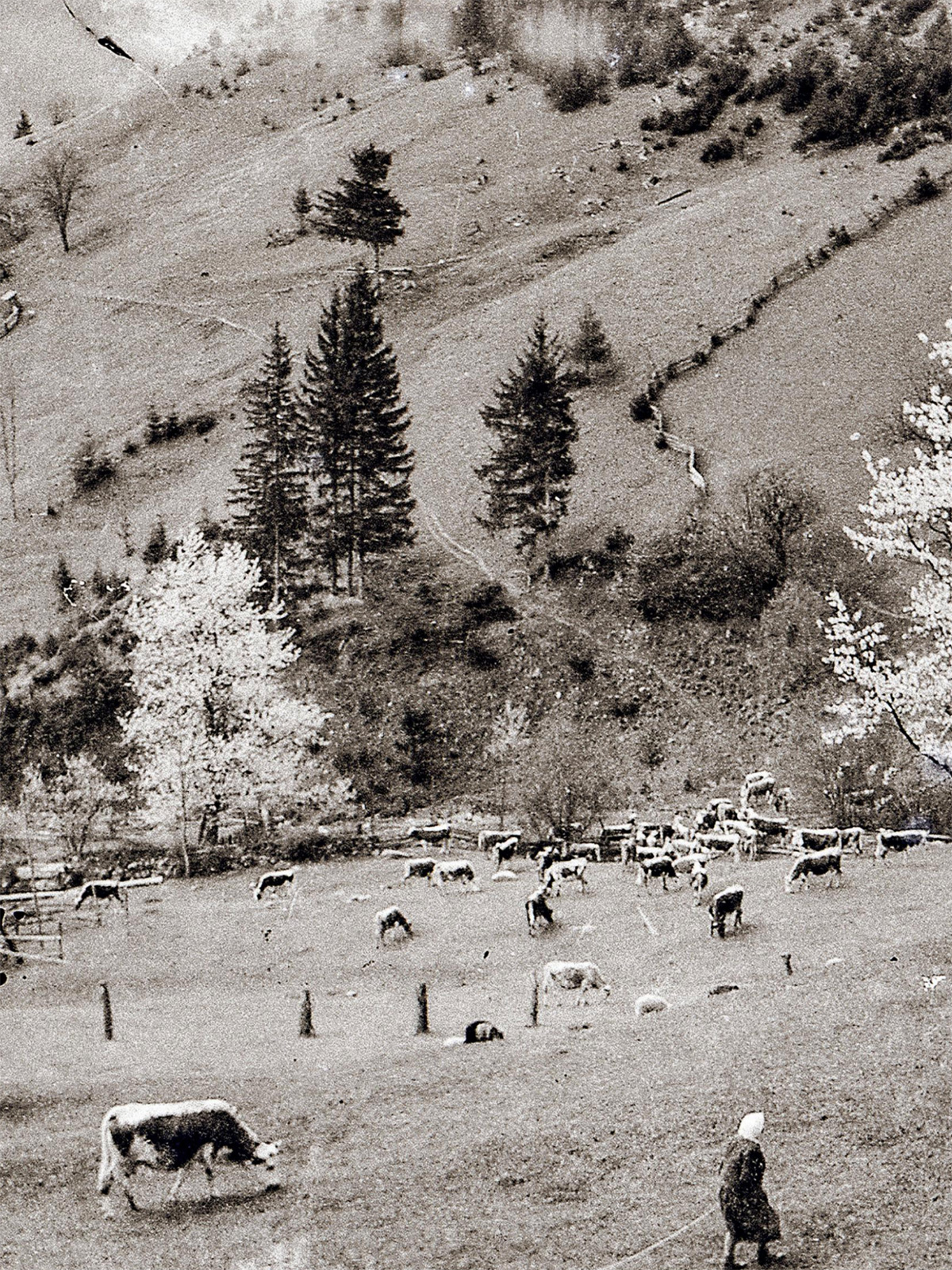
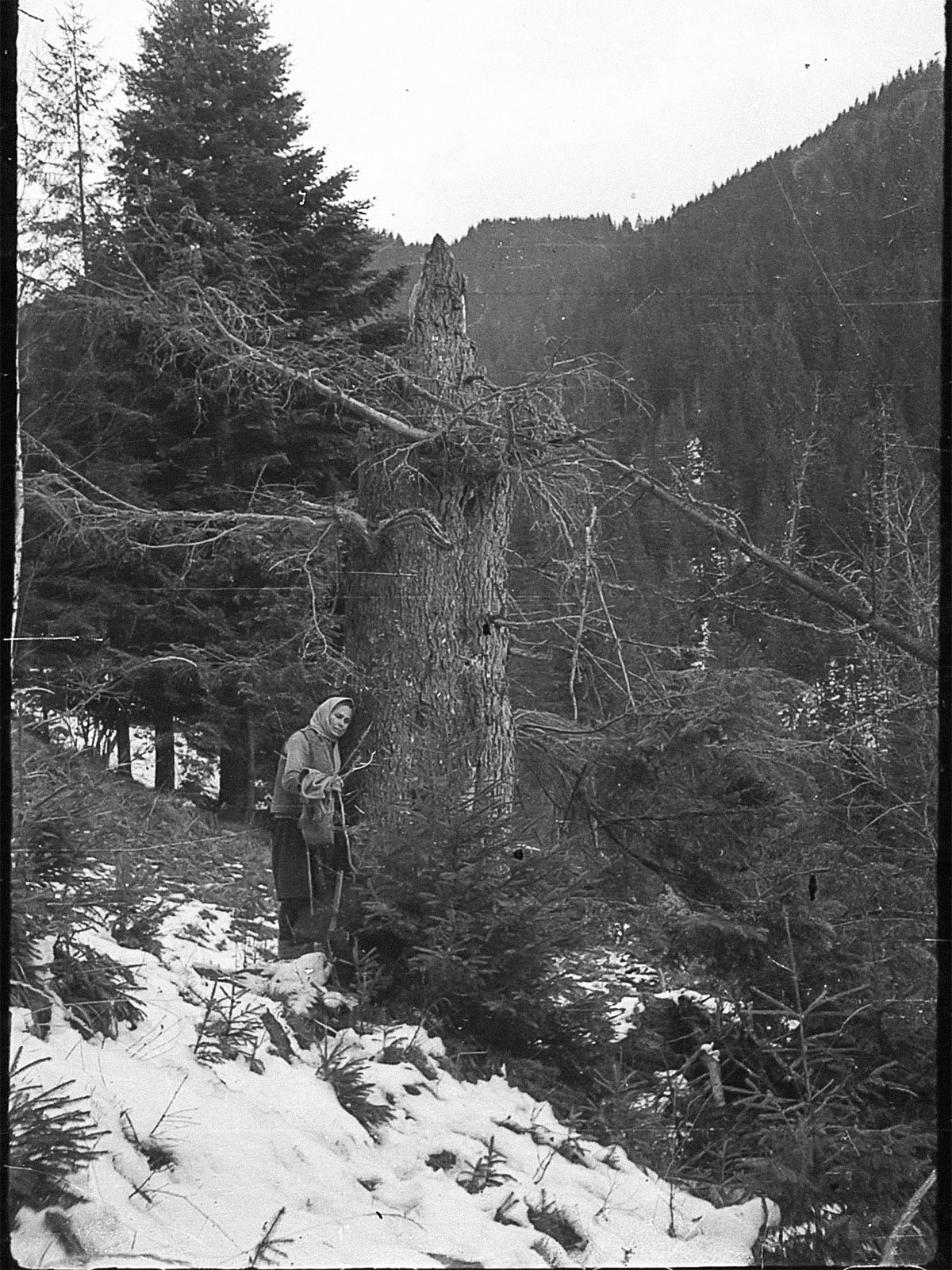
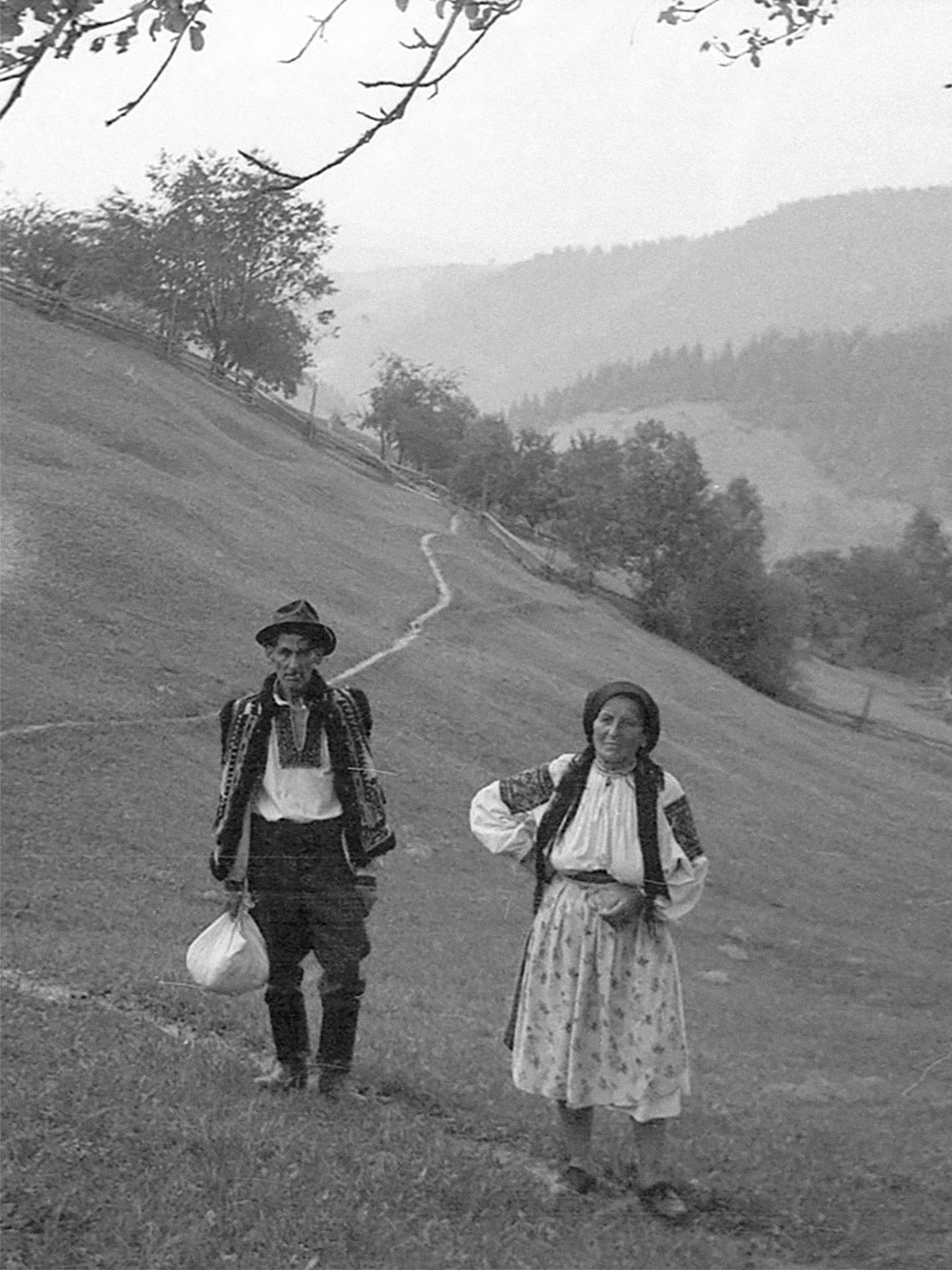
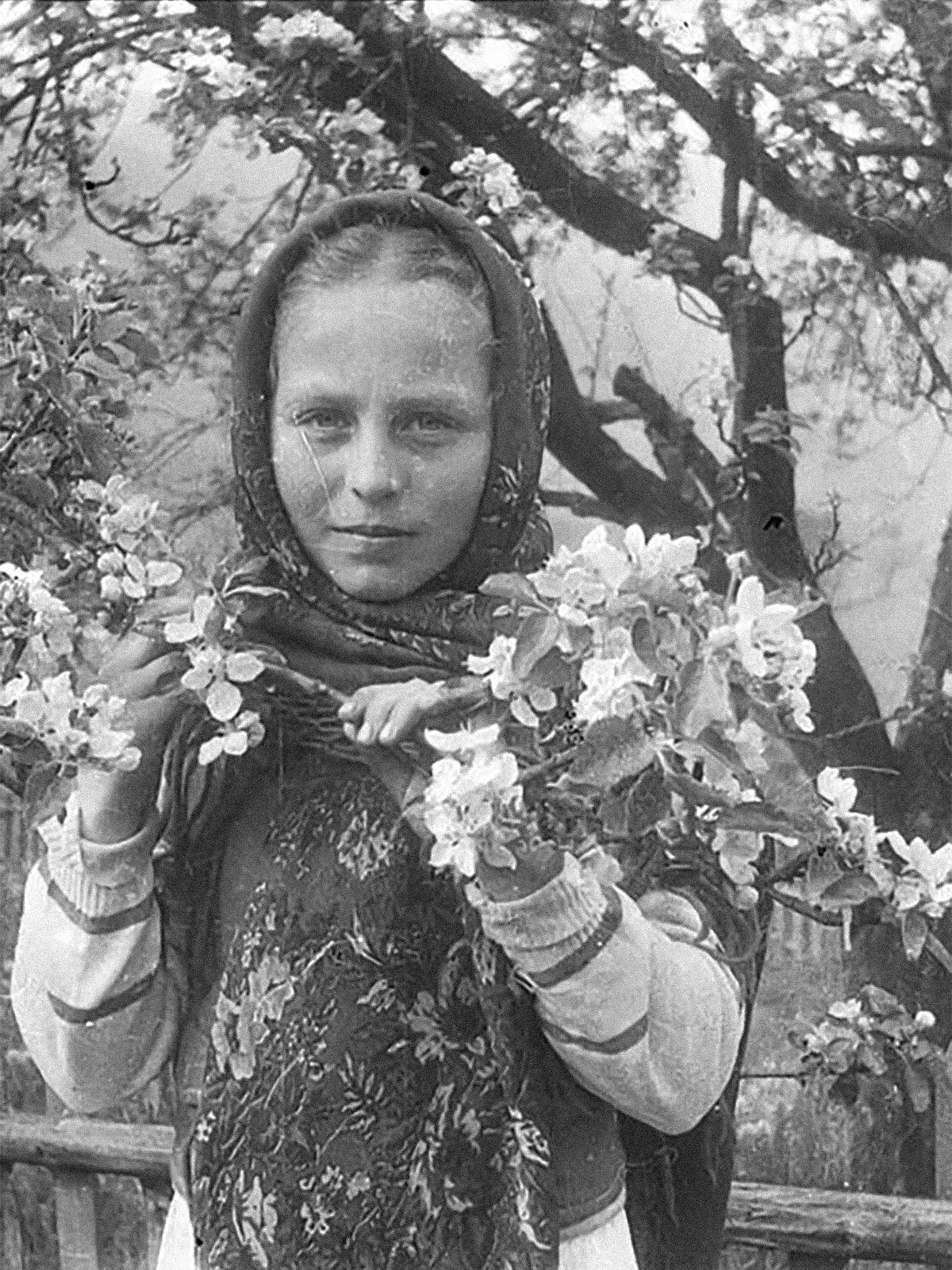
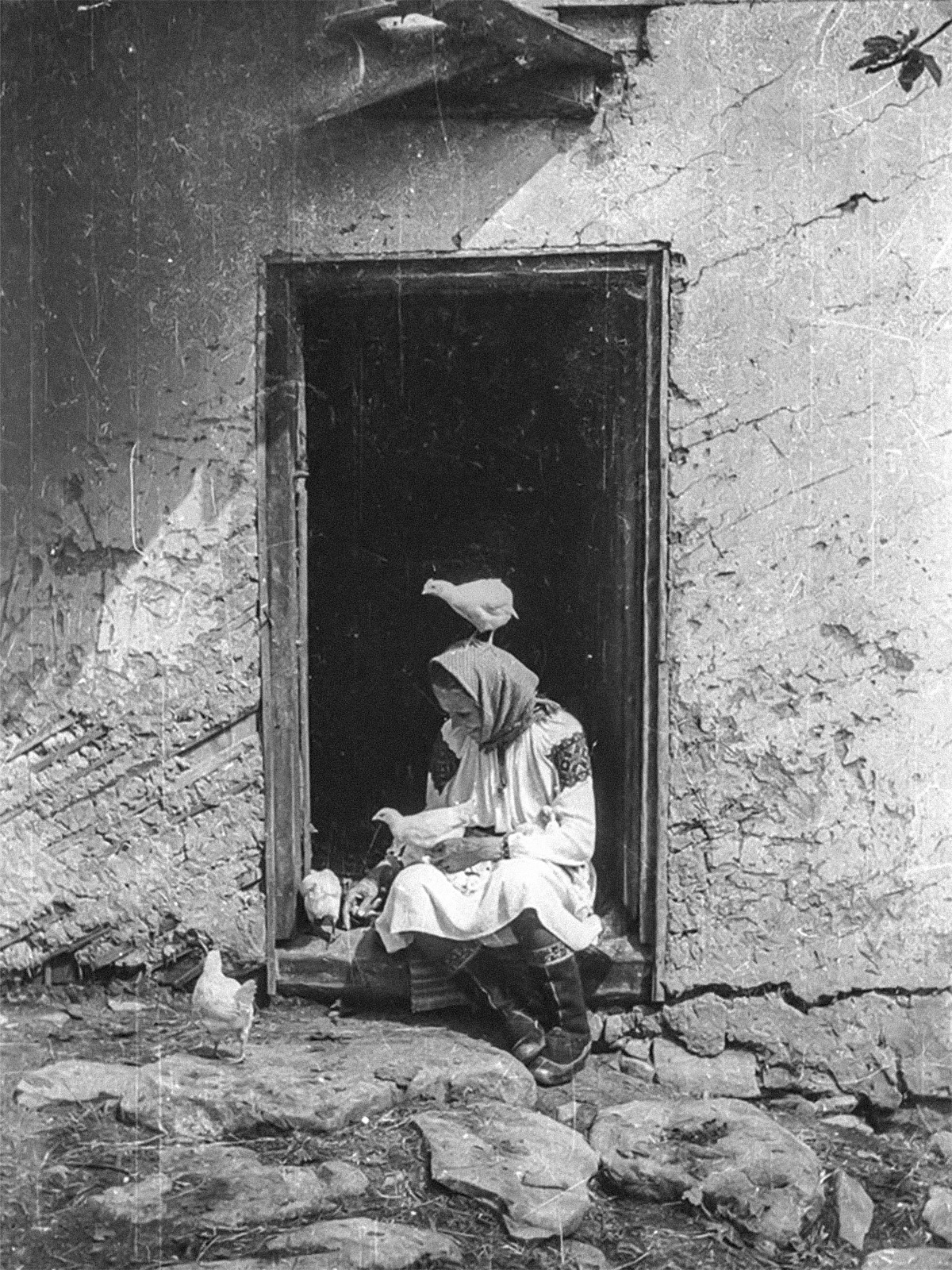
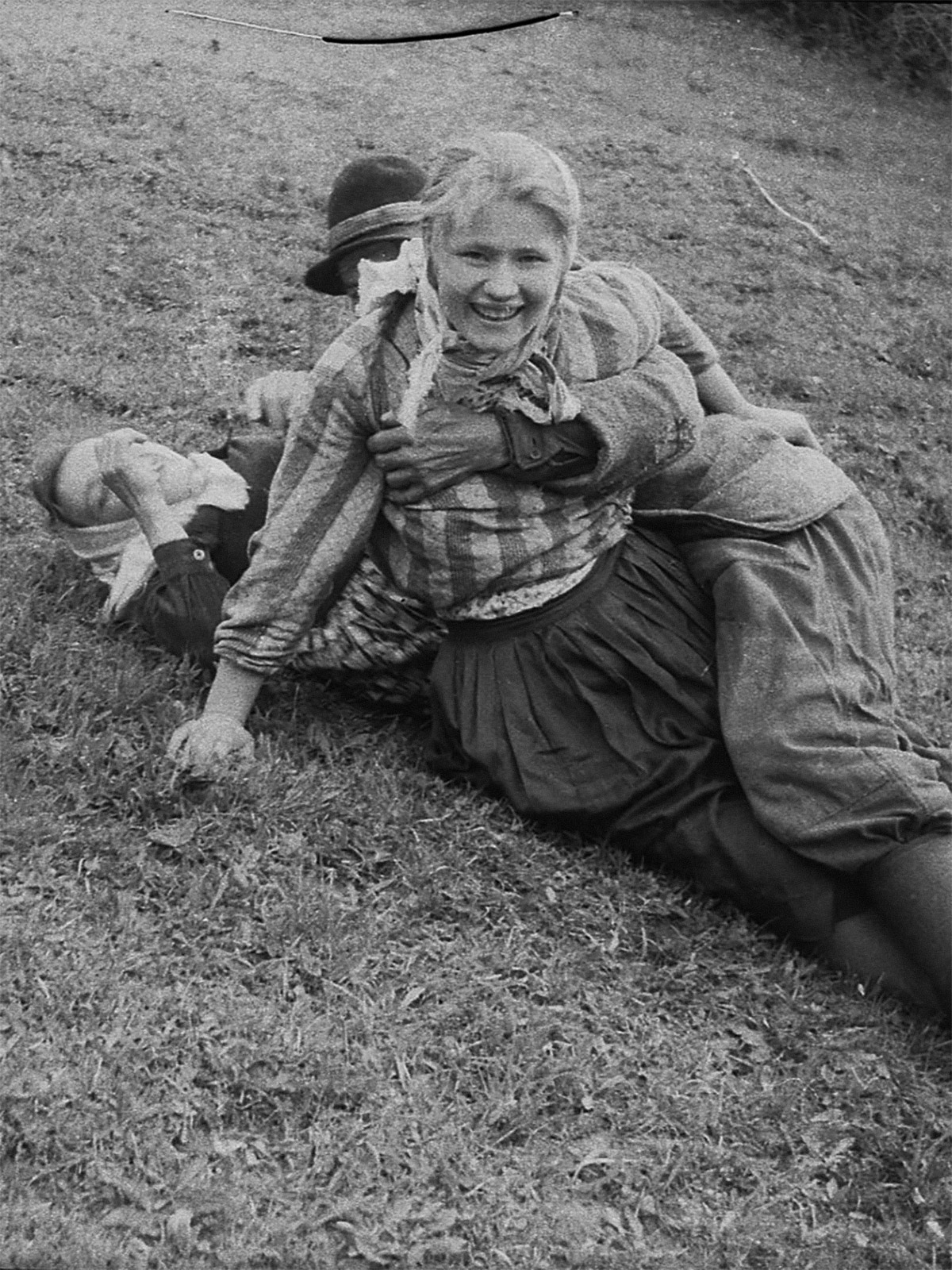
Paraska’s artistic legacy is staggering. She wrote 46 full-length books, hundreds of smaller ones, and countless poems and songs. She compiled a dictionary of Hutsul dialect. She painted over 600 artworks and more than 100 icons. She captured nearly 4,000 photos on film, documenting the soul of her entire village.
Nature
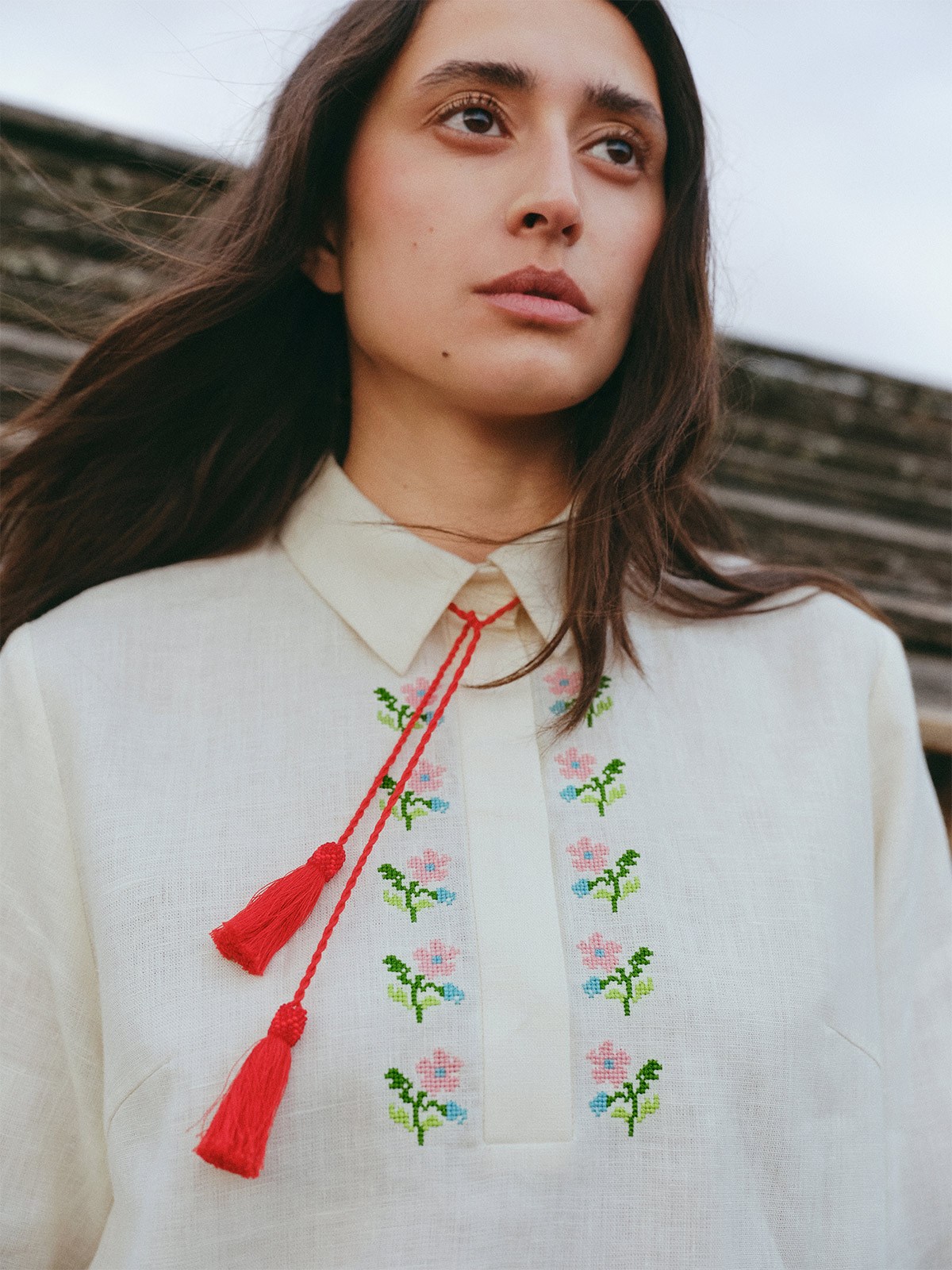
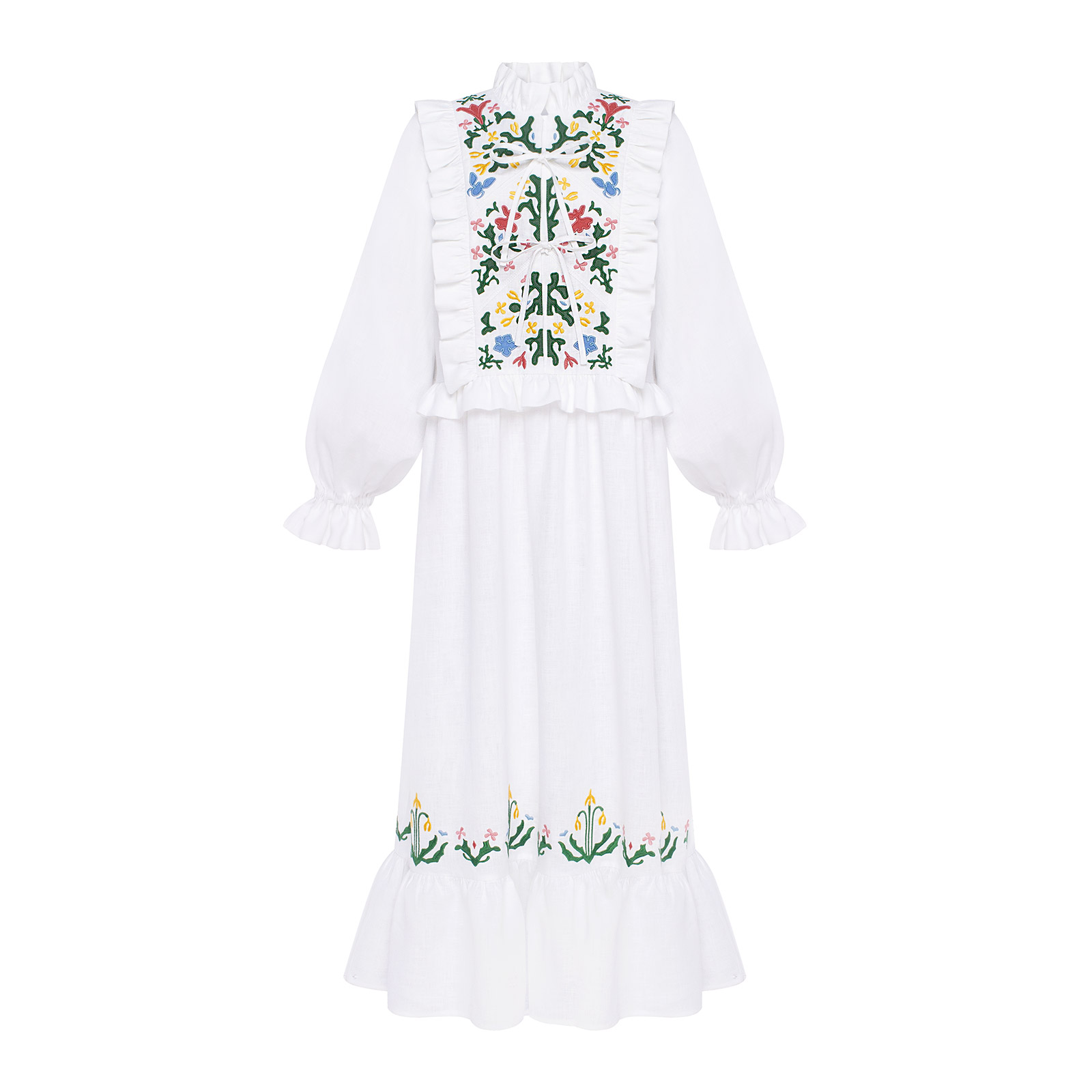
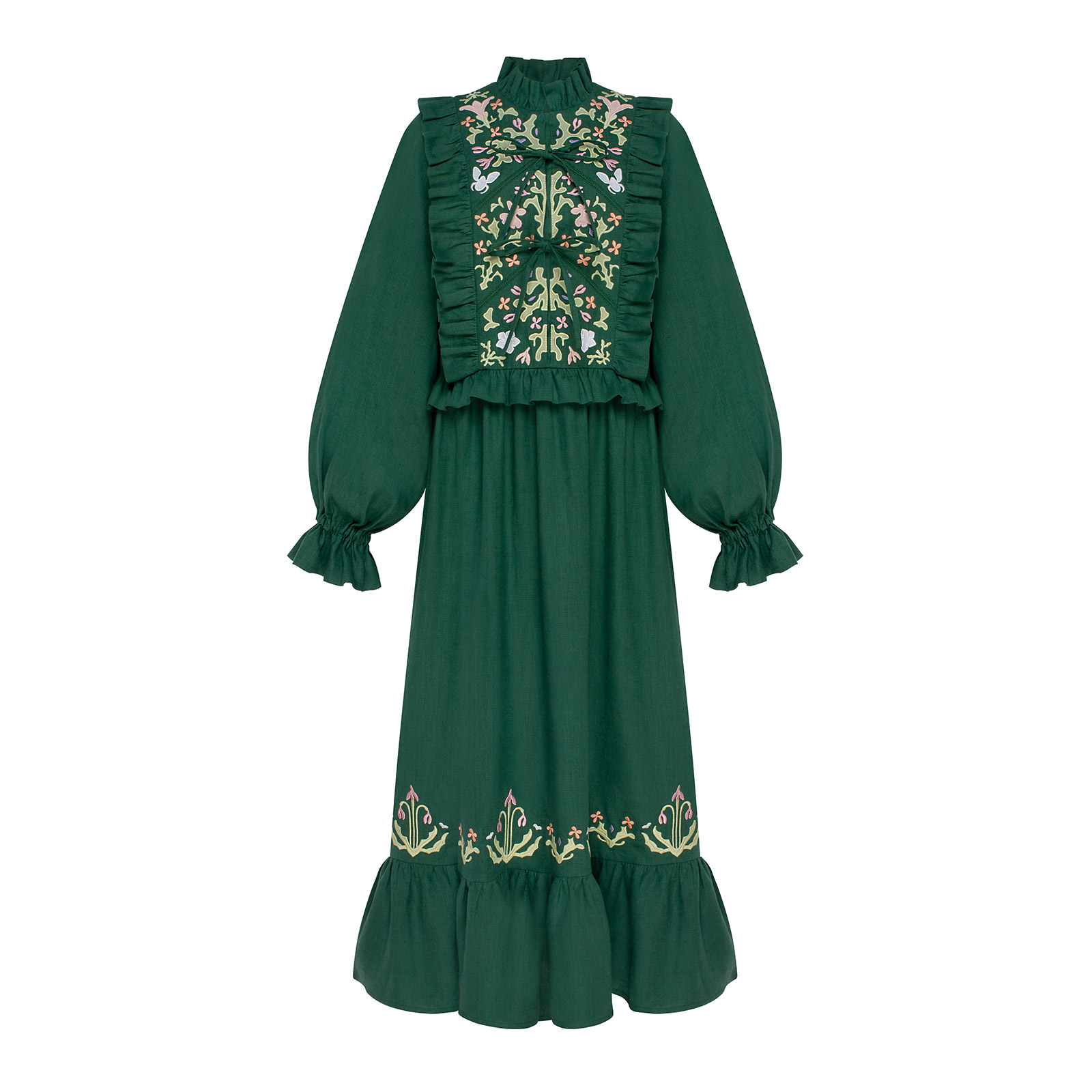
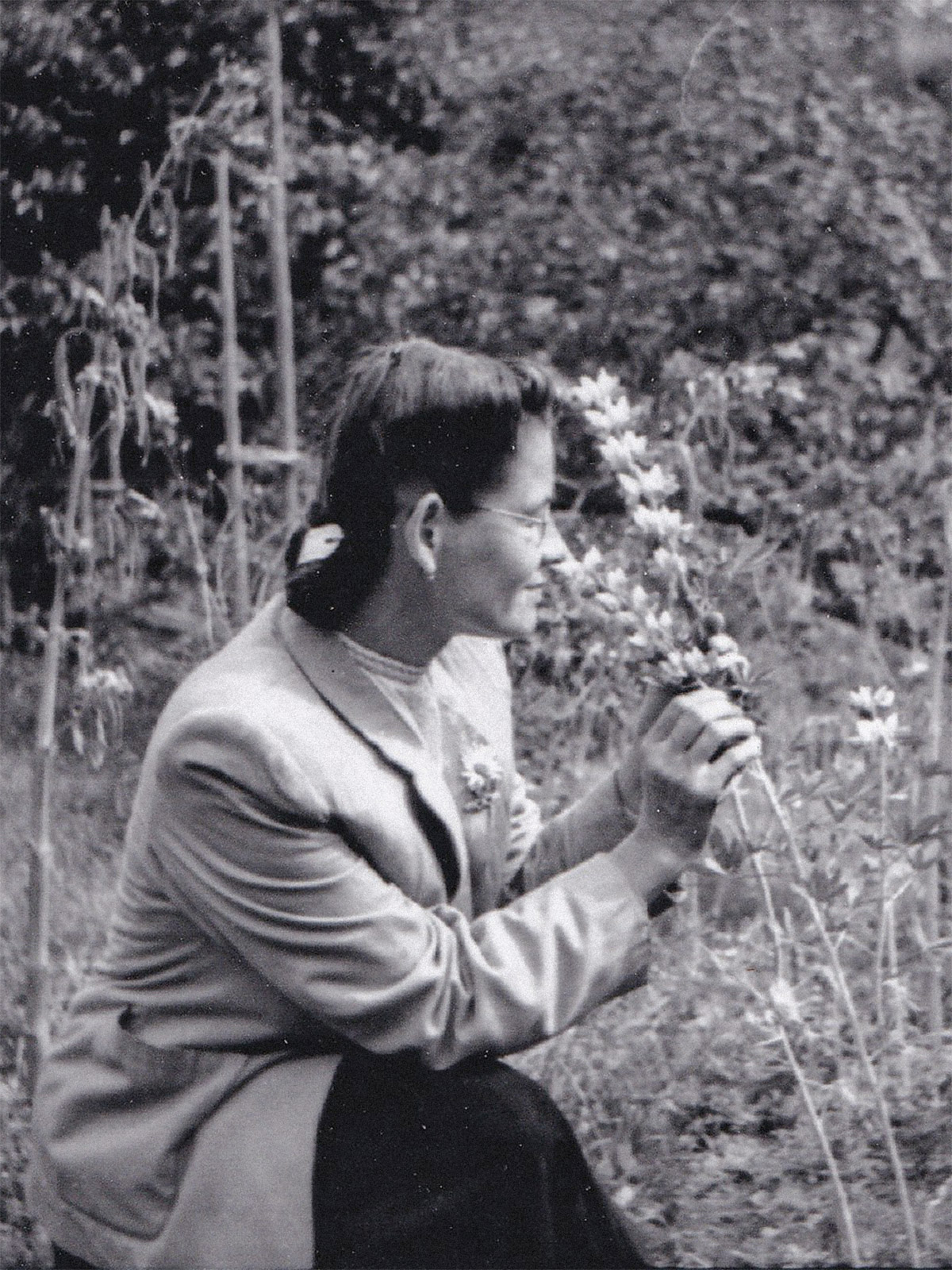
The soft green hue of the “Lastivka” dress and its floral embroidery echo Paraska’s deep sensitivity to the Carpathian landscape that shaped her. She called the trees and plants her companions — living beings. She helped plant forests, and once, during a land dispute with neighbors, she refused to cut down two young birch trees to build a fence. Instead, she gifted the land to them on one condition: that the trees would remain unharmed.
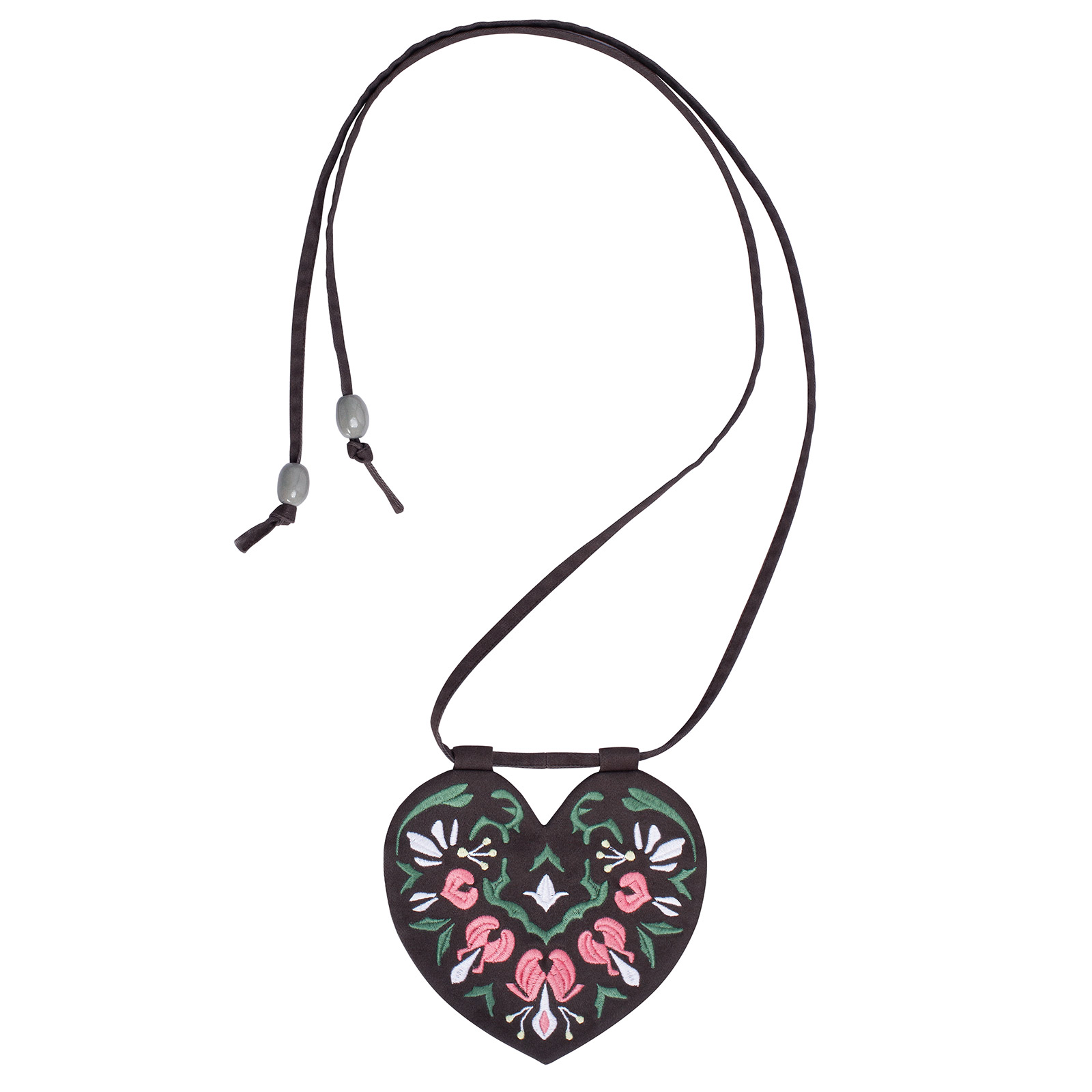
A Heart-Shaped Cotton Pouch for Small Treasures
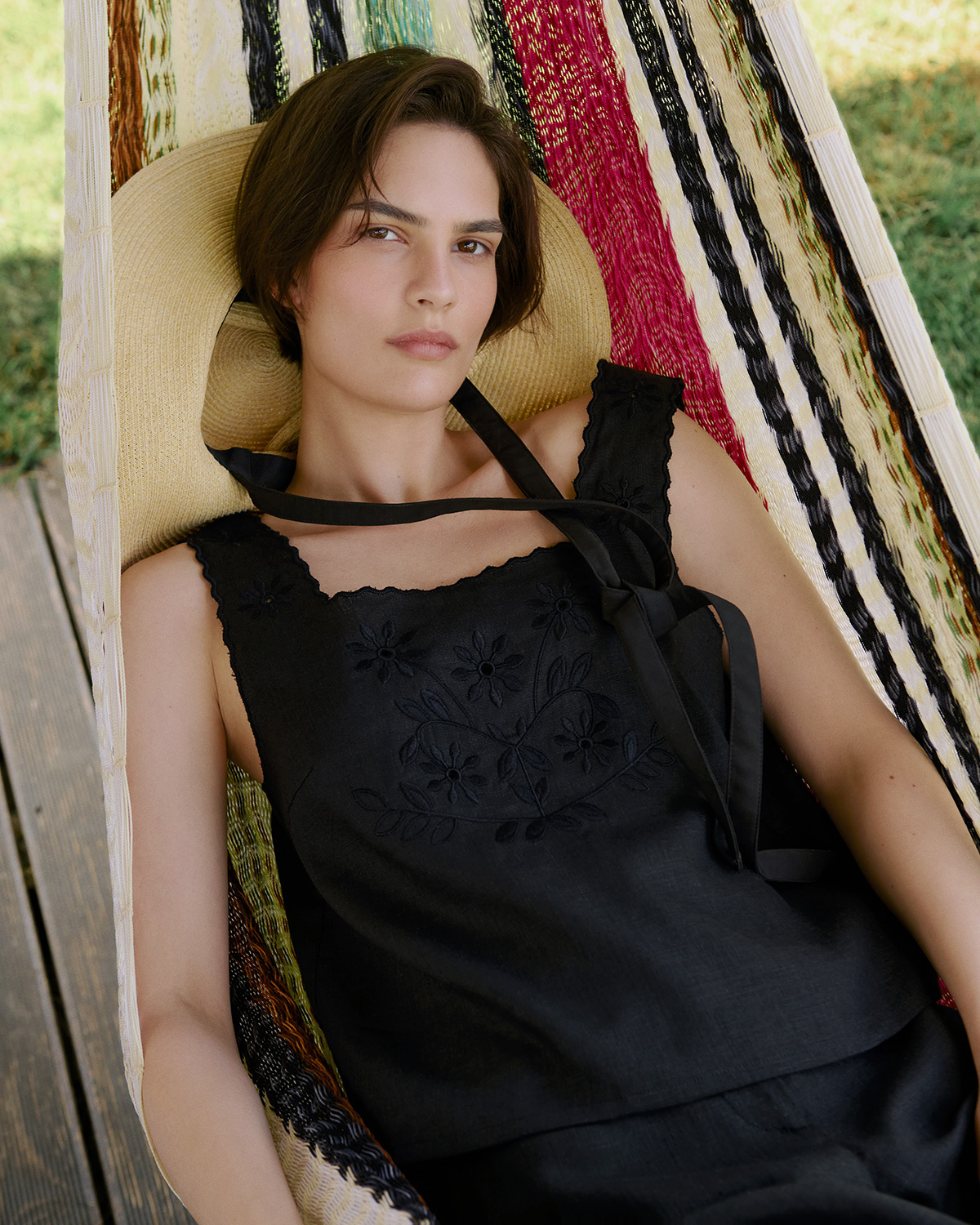
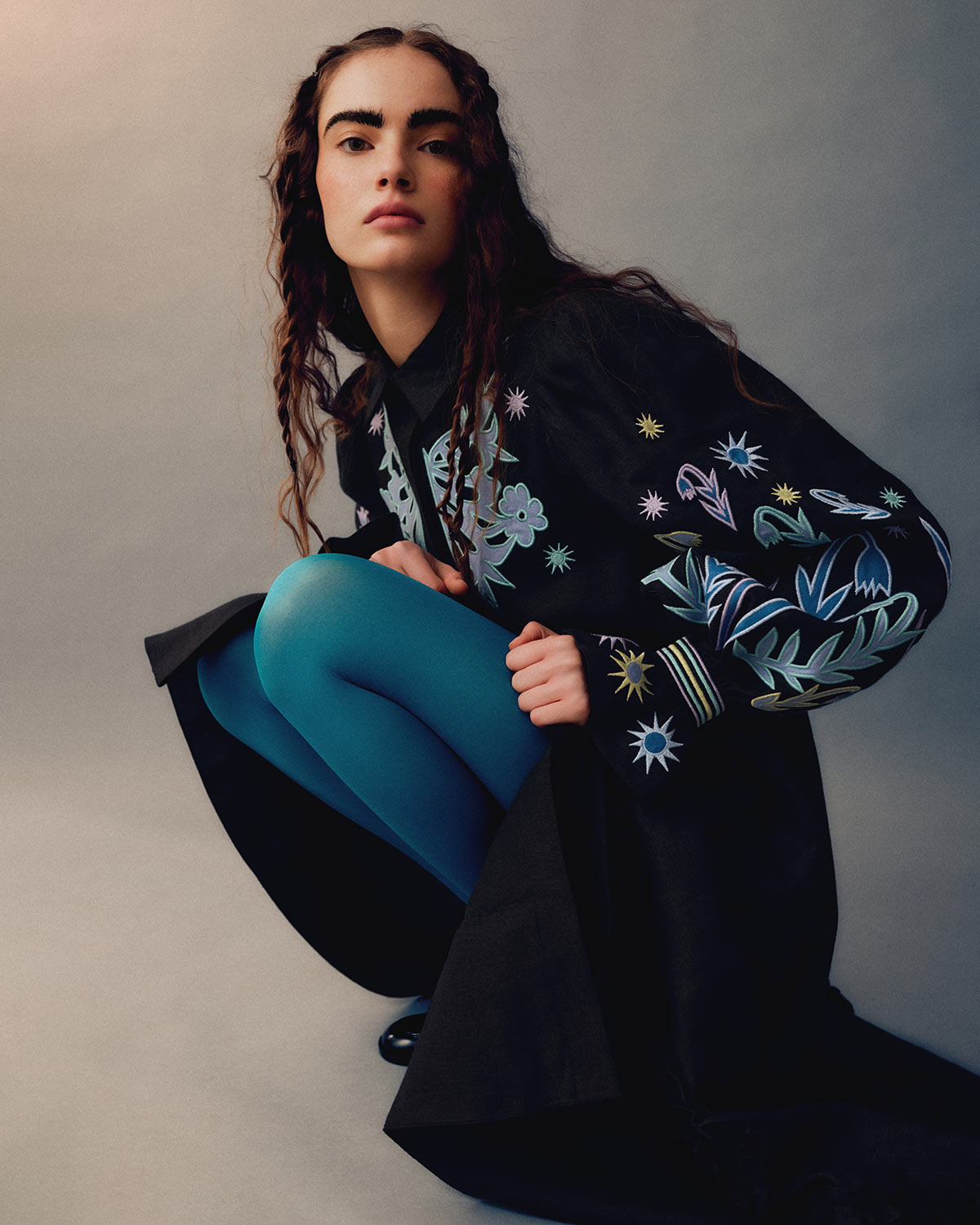
Colorful floral embroidery on deep grey fabric echoes the delicate scraps of paper left behind during the making of vytynanky — a signature element of the artist’s creative legacy.
The Expedition
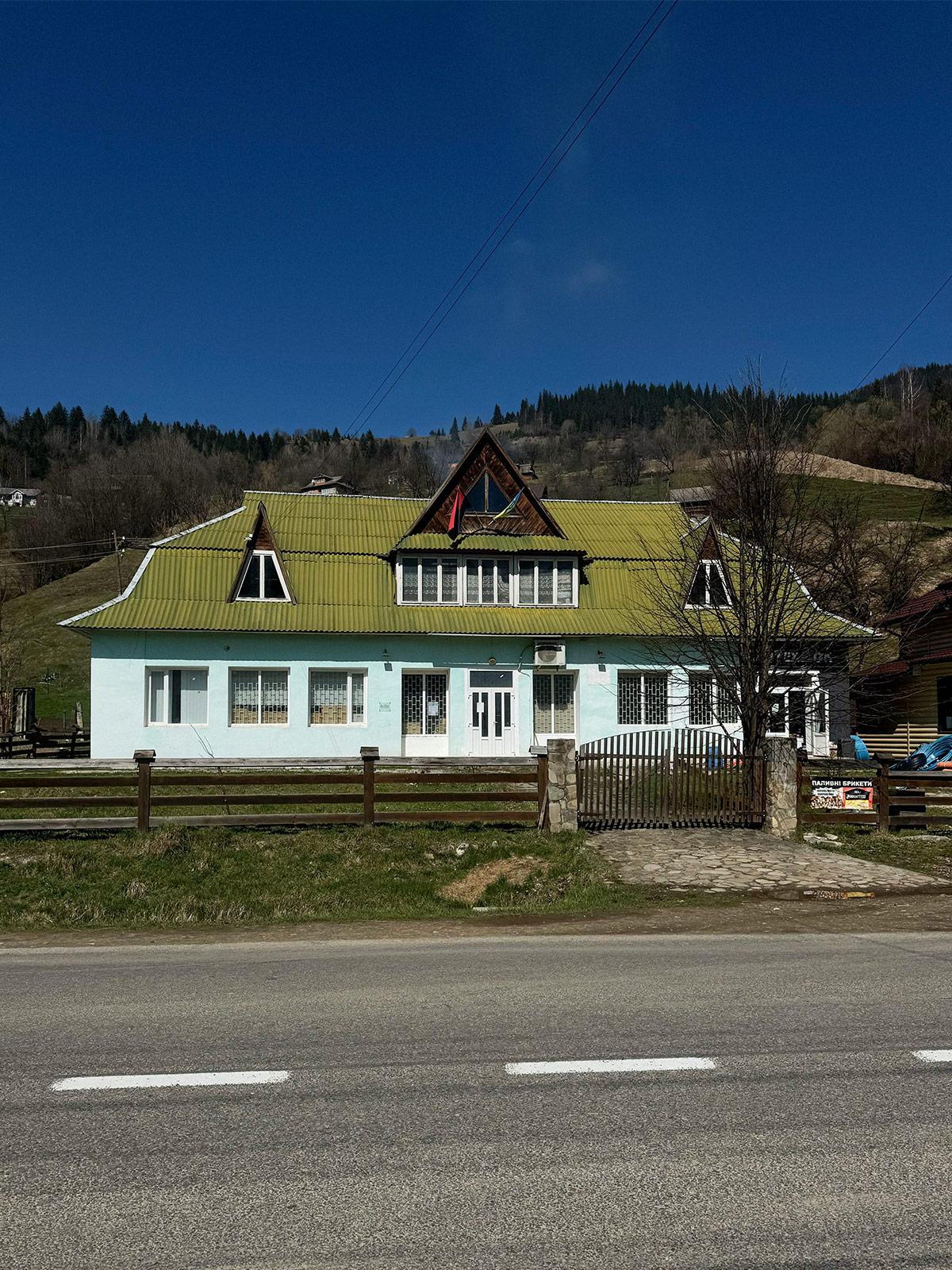
Kryvorivnia is a unique mountain village — a natural amphitheater, encircled by peaks. It was not only a place of power for Paraska, but also for Ivan Franko, Mykhailo Hrushevskyi, Lesya Ukrainka, and filmmaker Serhiy Parajanov, who chose Kryvorivnia as the setting for Shadows of Forgotten Ancestors. We followed in their footsteps — to feel Paraska’s world, to connect with her not just as an artist, but as a person.
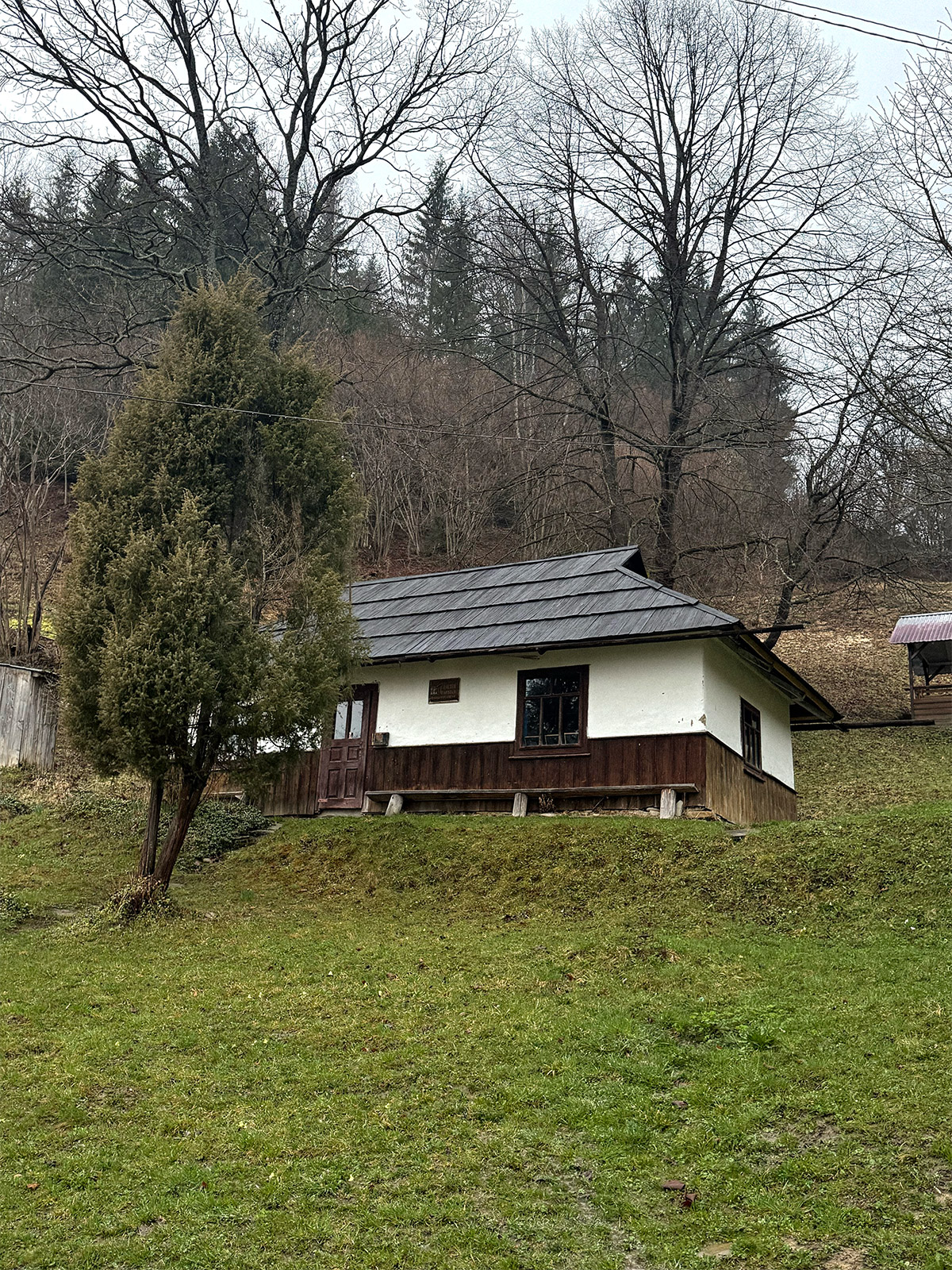
Paraska’s House-Studio
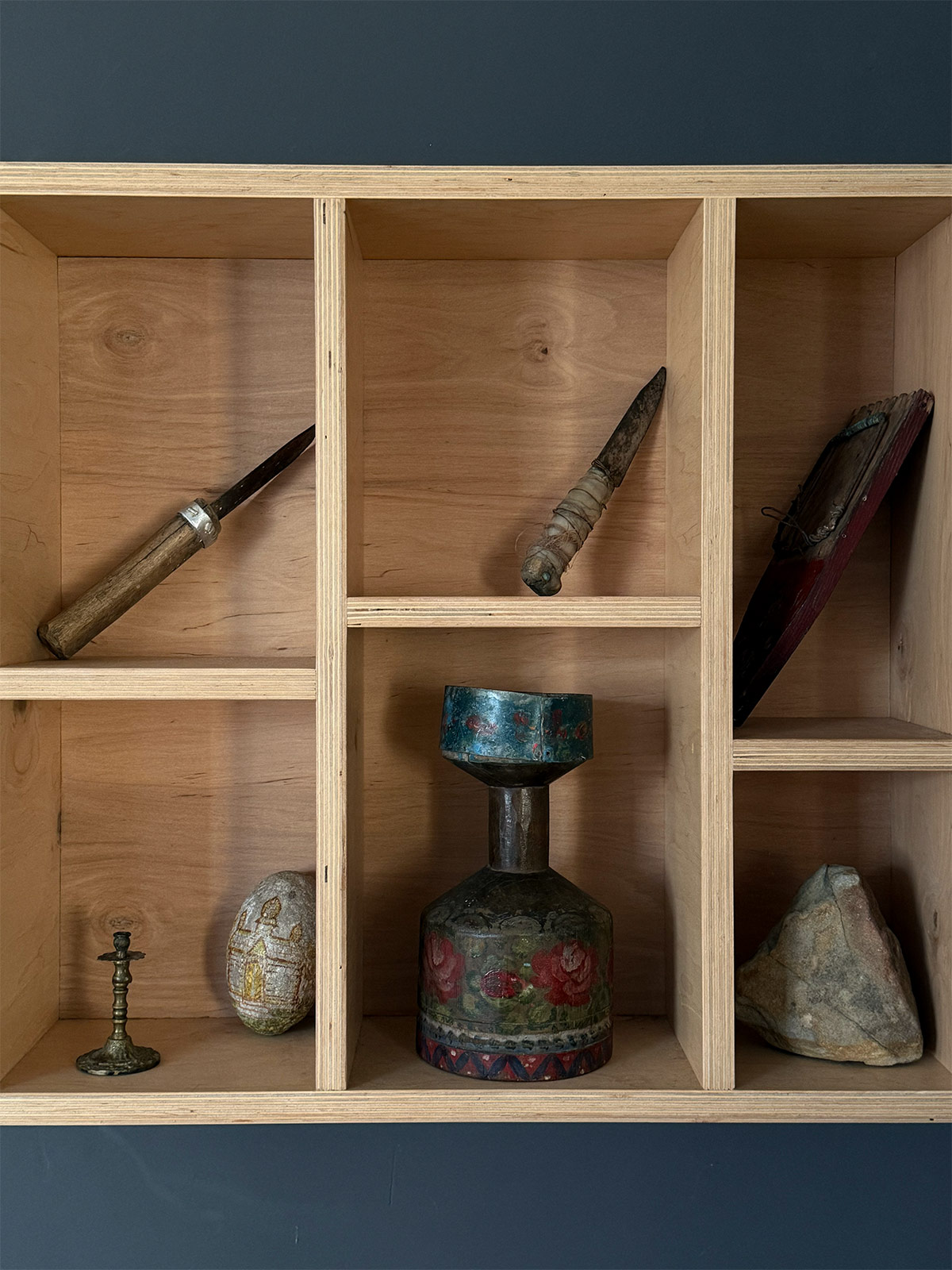
Our first stop was Paraska’s home-studio, guided by her relative Vasylina Kharuk, who knew her personally. Most of the furniture and personal items remain untouched — just as they were during her lifetime. Her worktable, the chair beside it, and her glasses resting atop — everything holds the quiet echo of her presence. The house is filled with handmade details: painted cupboards, self-bound books, even a lamp shade sewn from thick plastic film “so the light wouldn’t escape.” Vasylina shares her memories with warmth and passion — quoting Paraska, singing her songs, reciting her poems. Every object in the house carries a tender story. To visit the house-museum, we recommend contacting Vasylina in advance: Contact: Vasylina Kharuk — +38 (097) 77 10 743
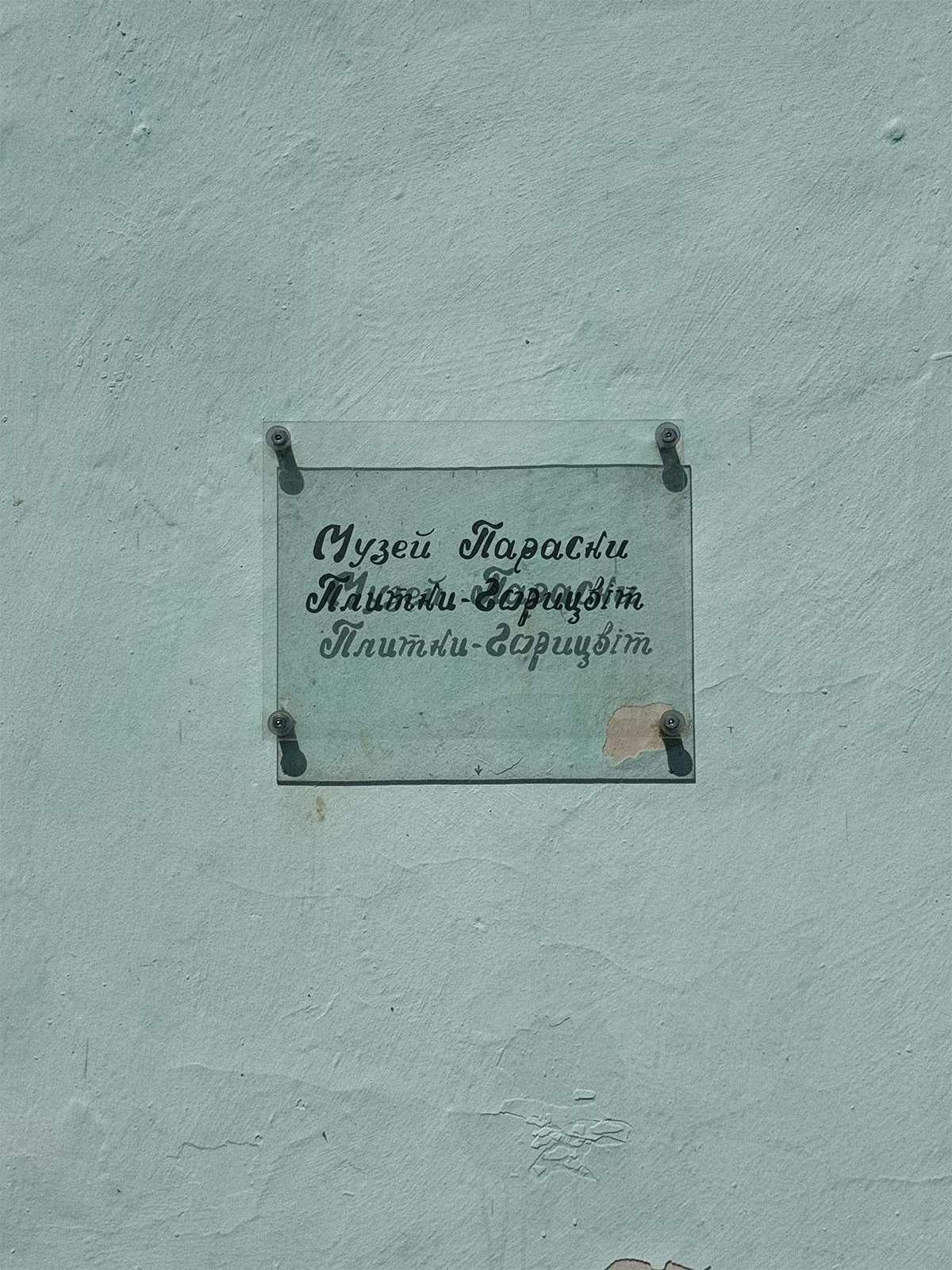
Paraska Plytka-Horytsvit Museum
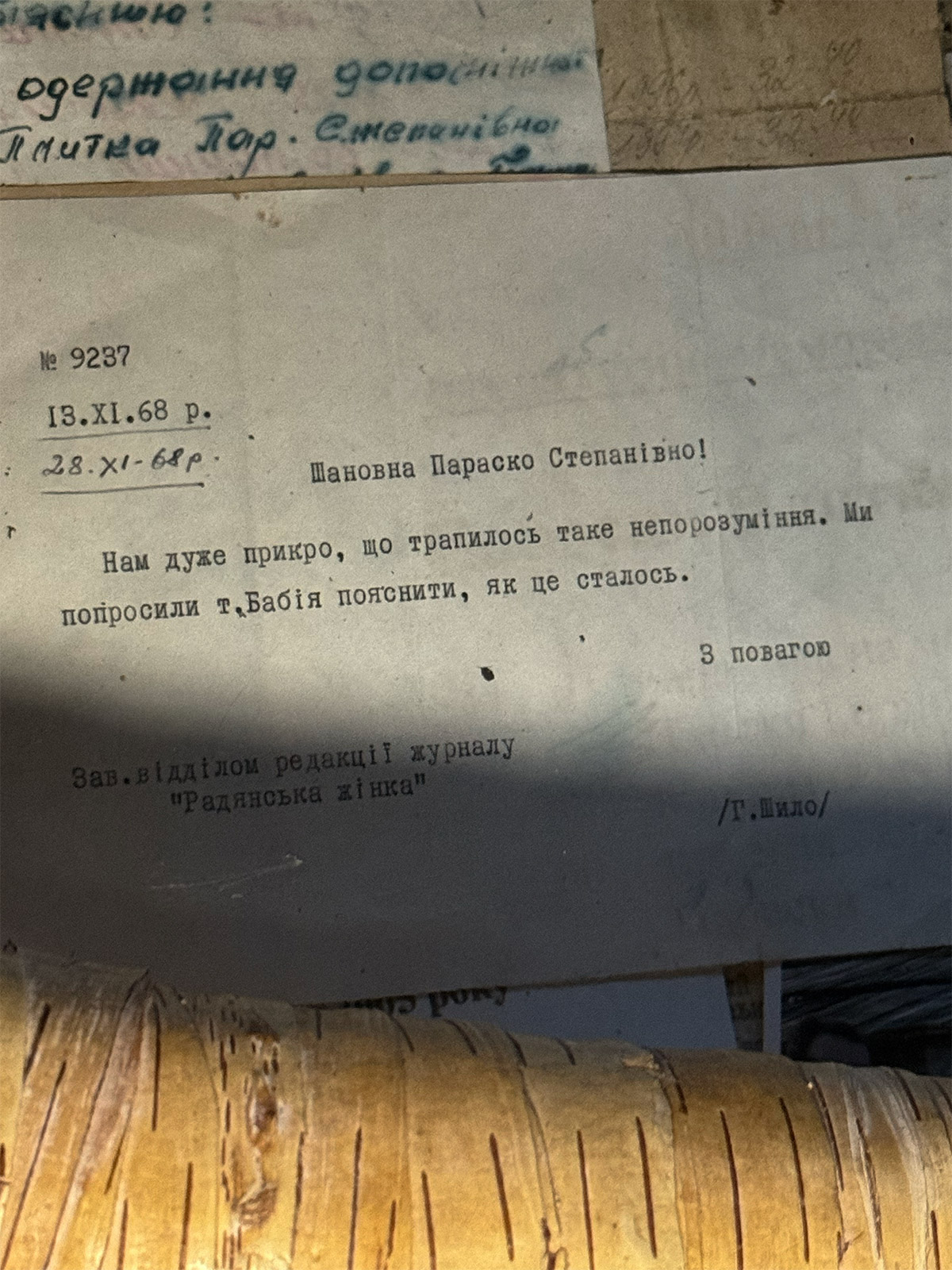
On the second day, we visited the modern Paraska Plytka-Horytsvit Museum, which houses another part of her collection. It’s located in the heart of the village, next to the Ivan Franko Literary Memorial Museum. Alongside her books and paintings, you’ll find her film photographs, four vintage cameras, handmade notebooks, and even a collection of triangular stones that reminded her of the Holy Trinity. To plan a visit or book a guided tour, please call ahead: +38 (067) 768 34 79 +38 (098) 637 75 01
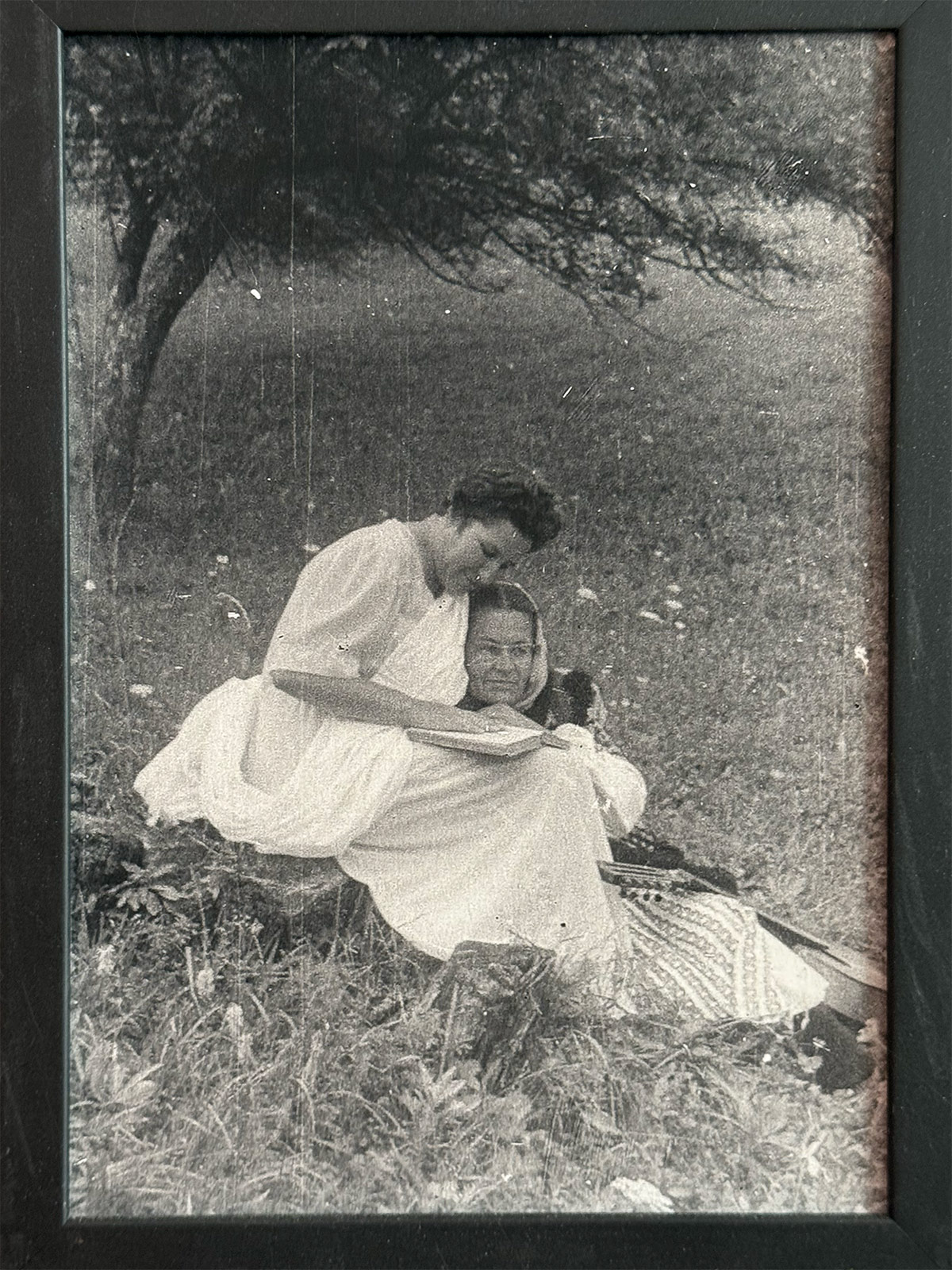
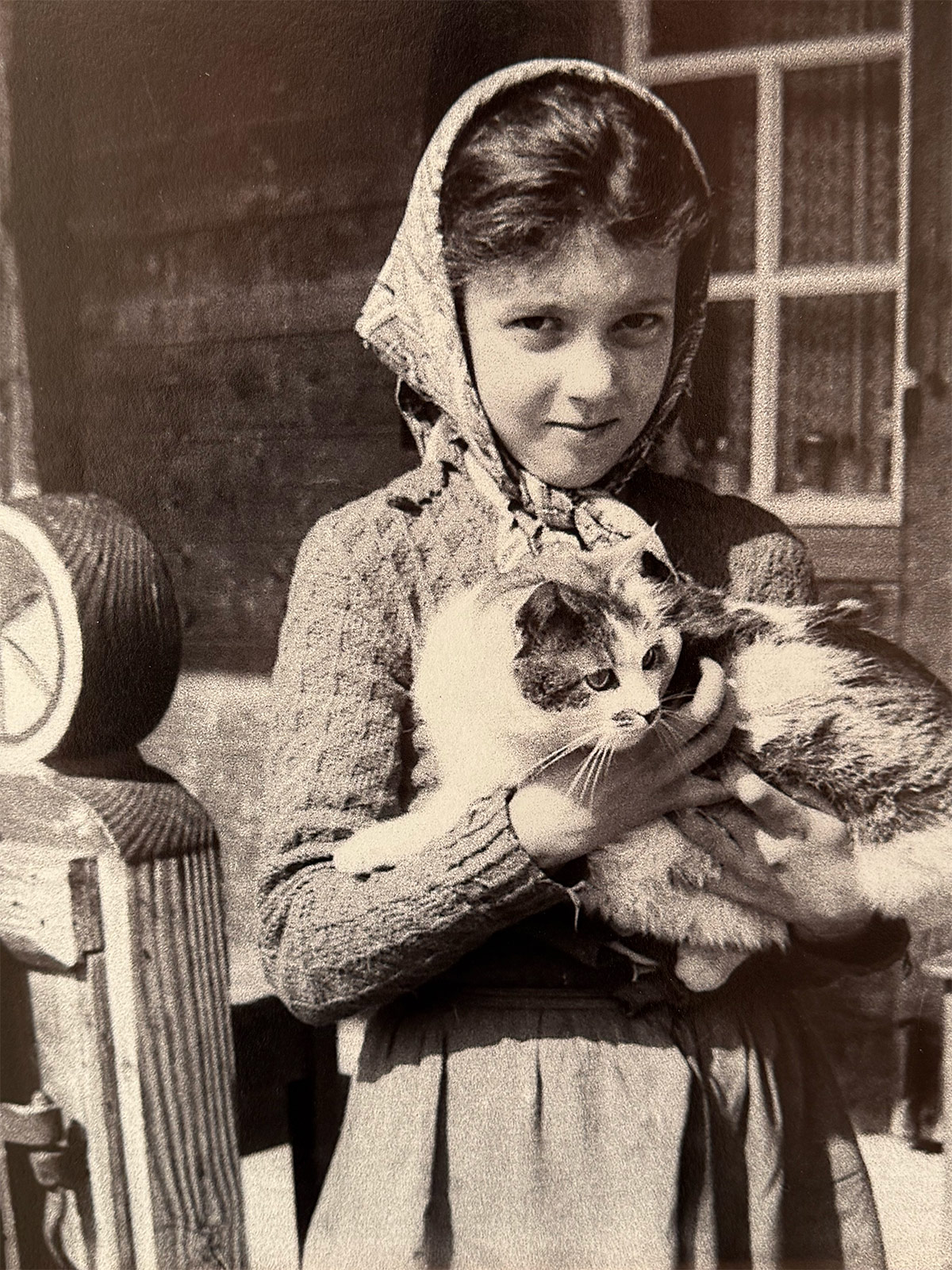
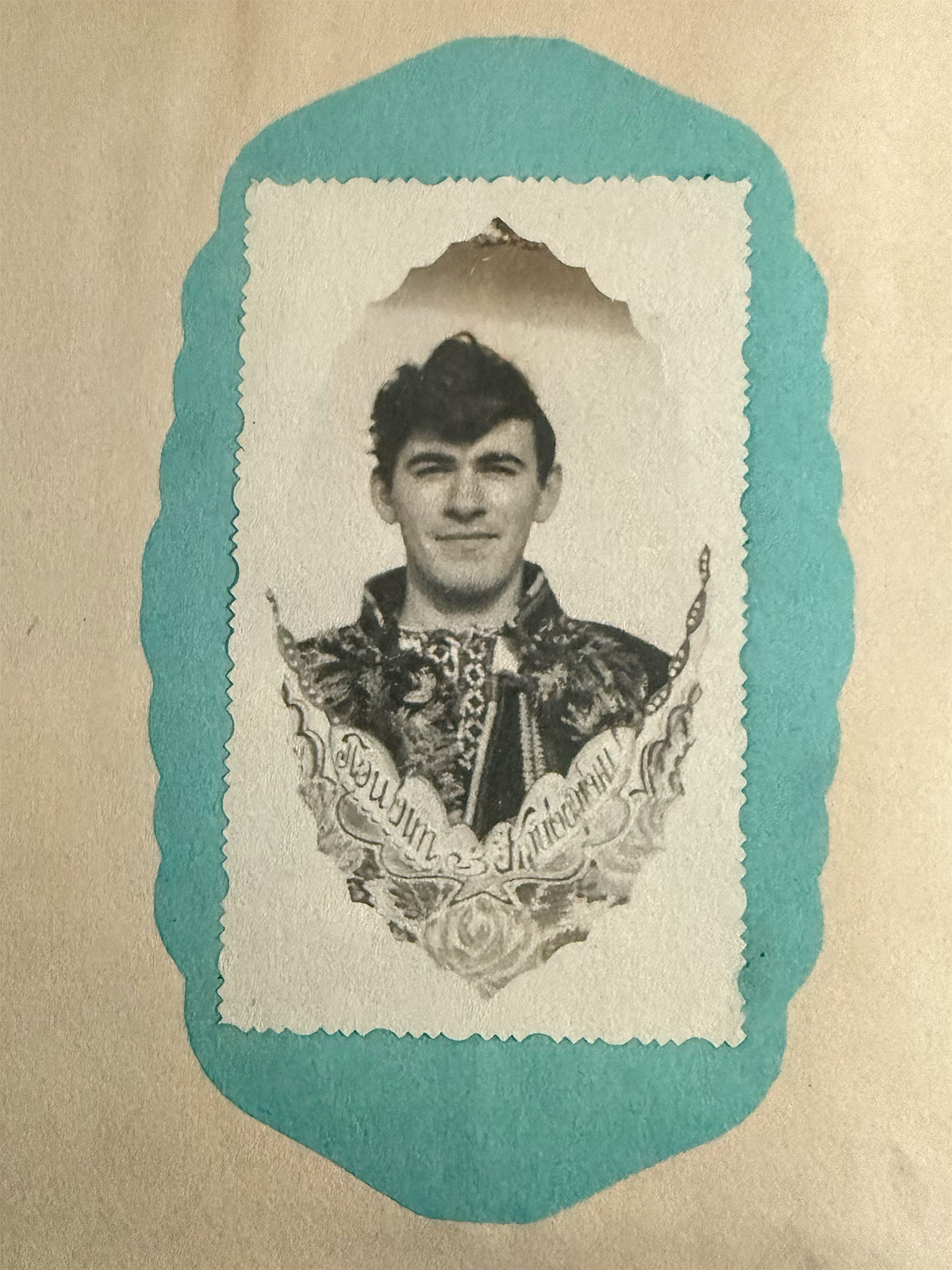
Photos provided by the initiative group for the preservation of the photographic heritage of Paraska Plytka-Horytsvit.