

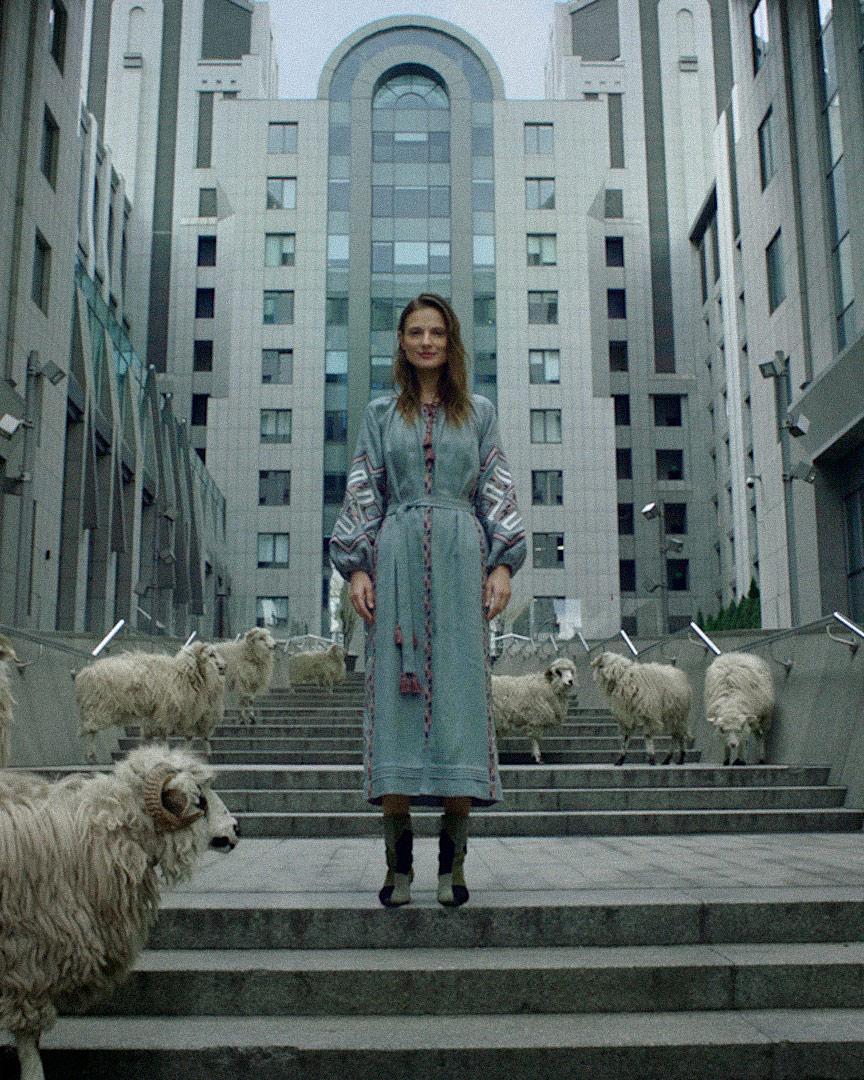
Qırım

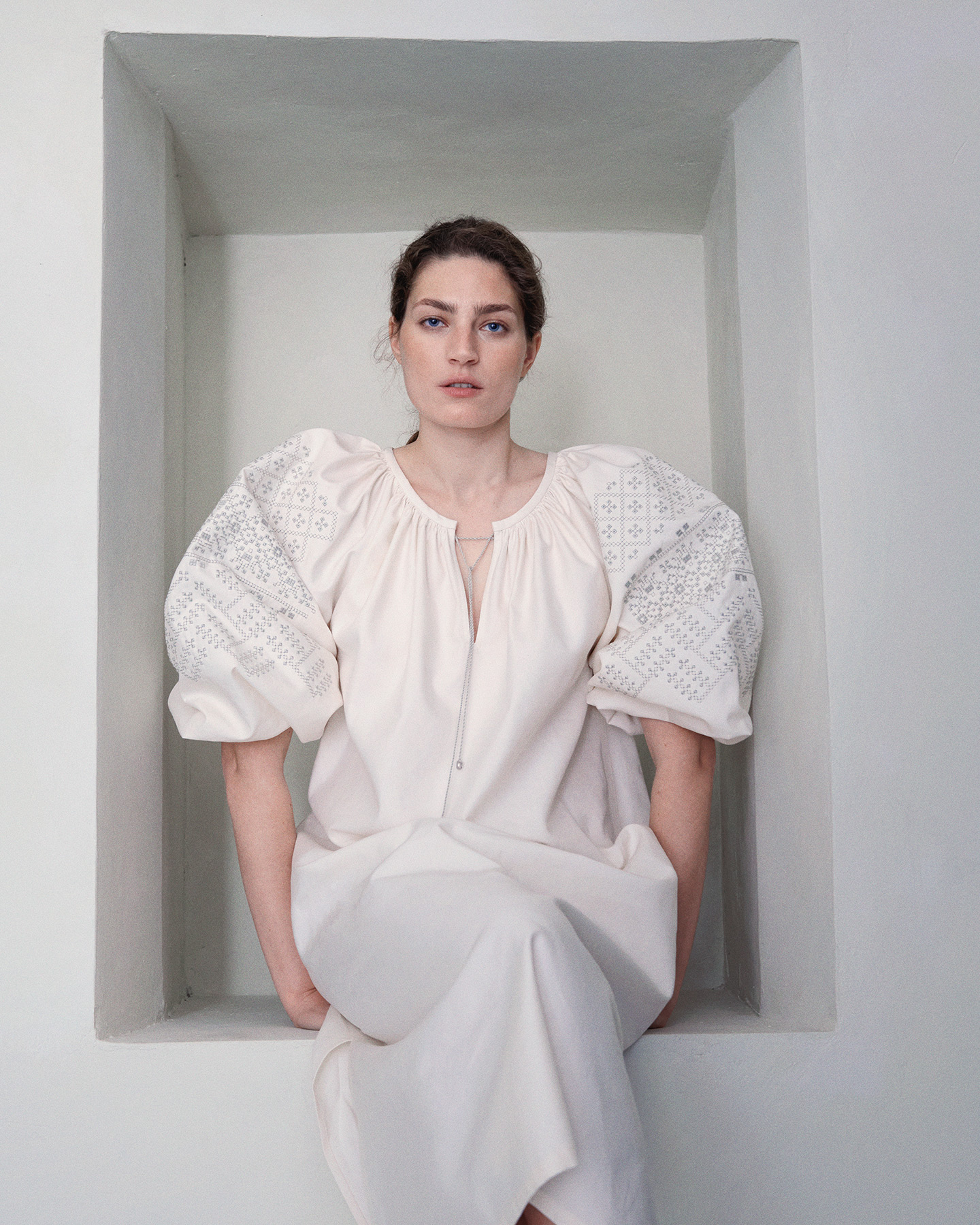
Kölmek is a traditional Crimean Tatar undershirt reaching mid-calf or lower that served as underwear. It was made from natural fabrics such as cotton, linen, or silk and trimmed with lace on the sleeves and neckline. The colors were subdued: white, cream, or ivory.
1

Ornament sketches by Lesya Ukrainka. Source: T. H. Shevchenko Institute of Literature, NAS of Ukraine.
2

Lesya Ukrainka spent nearly three years in Crimea, creating several significant works there, including the series “Crimean Memories.” Her former residence in Yalta was transformed into a museum. Unfortunately, in 2024, russian occupiers destroyed the museum and erased all traces of the poetess, essentially wiping out a part of the cultural heritage.
4

Men’s upper outerwear varied by function. Common garments included vests, jackets, coats, and sheepskin coats. Among jackets, the most widespread types were miytan, marka, kurkov, and arnaut elegi.
73

Asiye Emir-Zade was born in 1896 in Simferopol and was married to the well-known Crimean Tatar actor Hayri Emir-Zade. She starred alongside him in the film Alim, playing Sarra – Alim’s bride. She performed on the stage of the Crimean State Tatar Theater before moving with her husband to Baku.
3
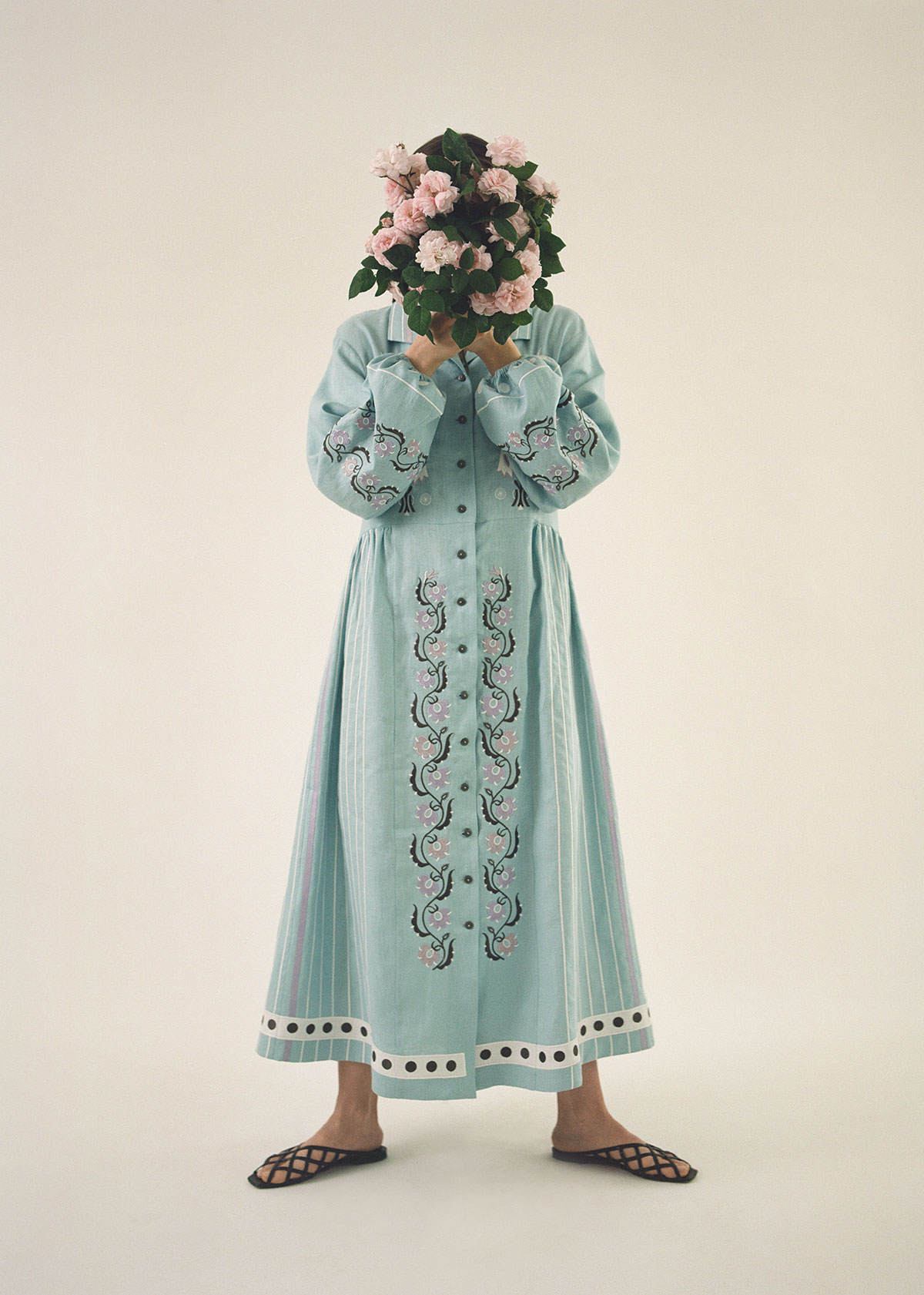
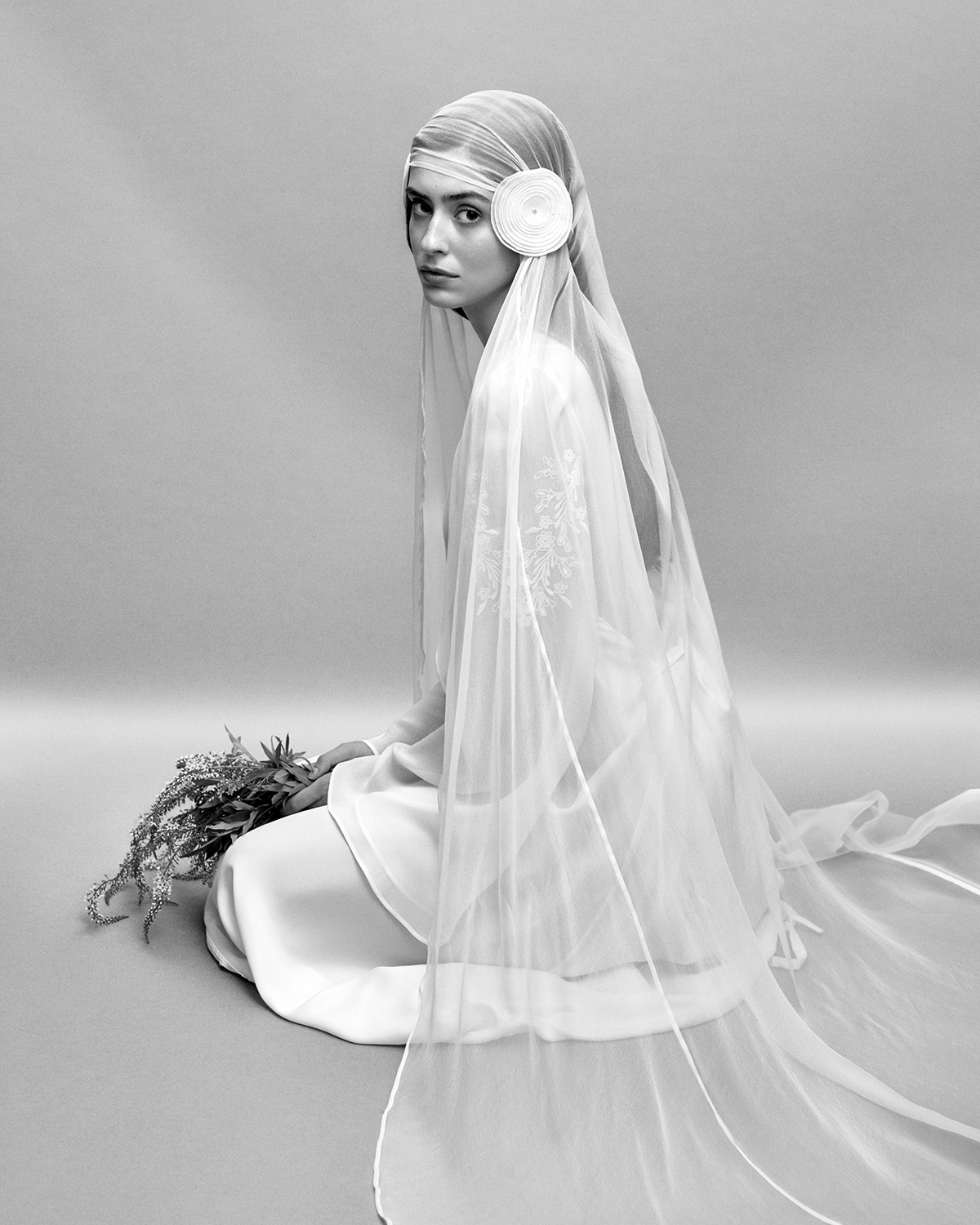
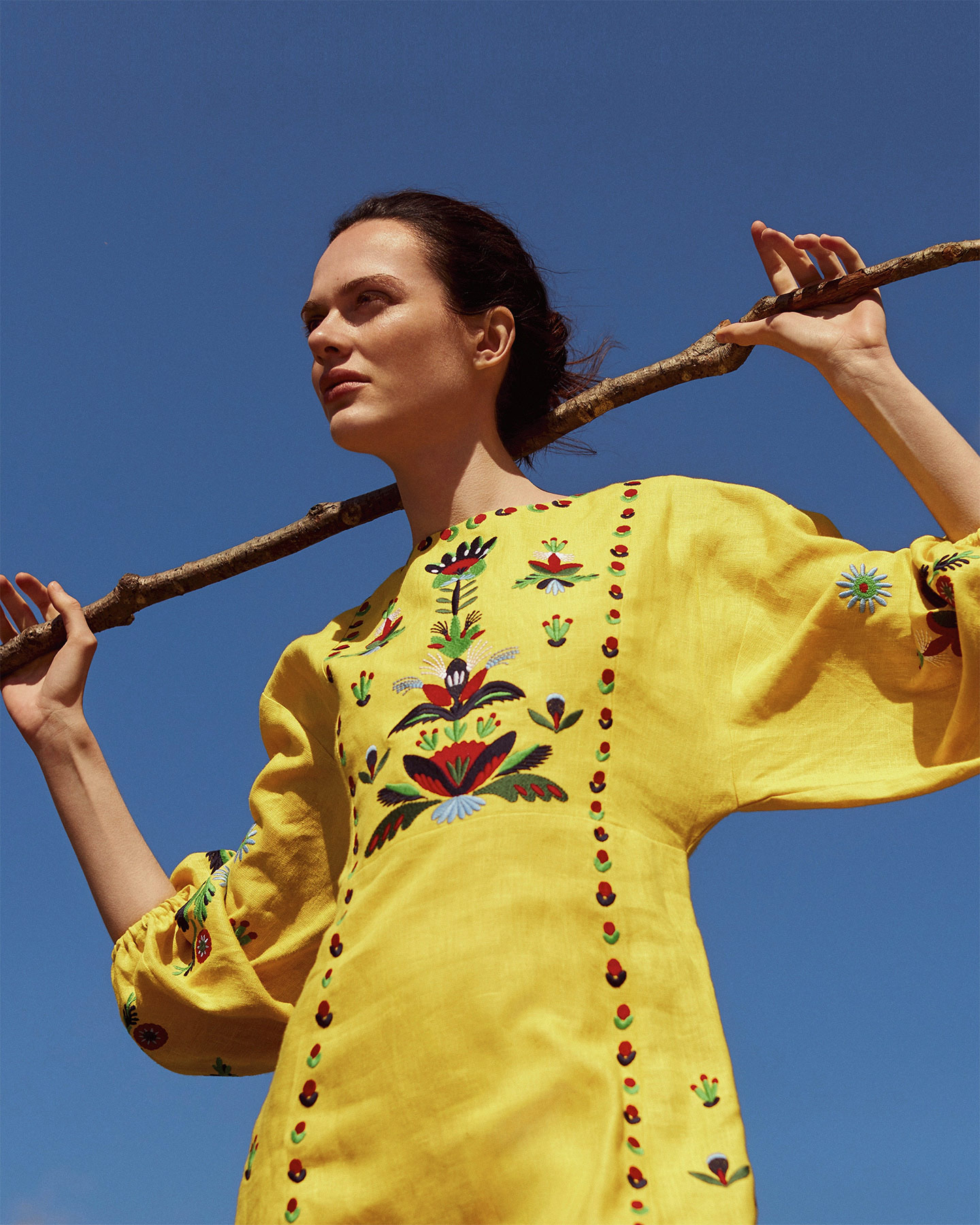
"Adaviye" dress.
72

Interiors were adorned with items featuring the Örnek ornament, including towels (ev-ciyar, yaq bez, sofa-peshkir), napkins (iemeni), scarves, window panels, carved wooden chests (sandıq), and copperware.
5
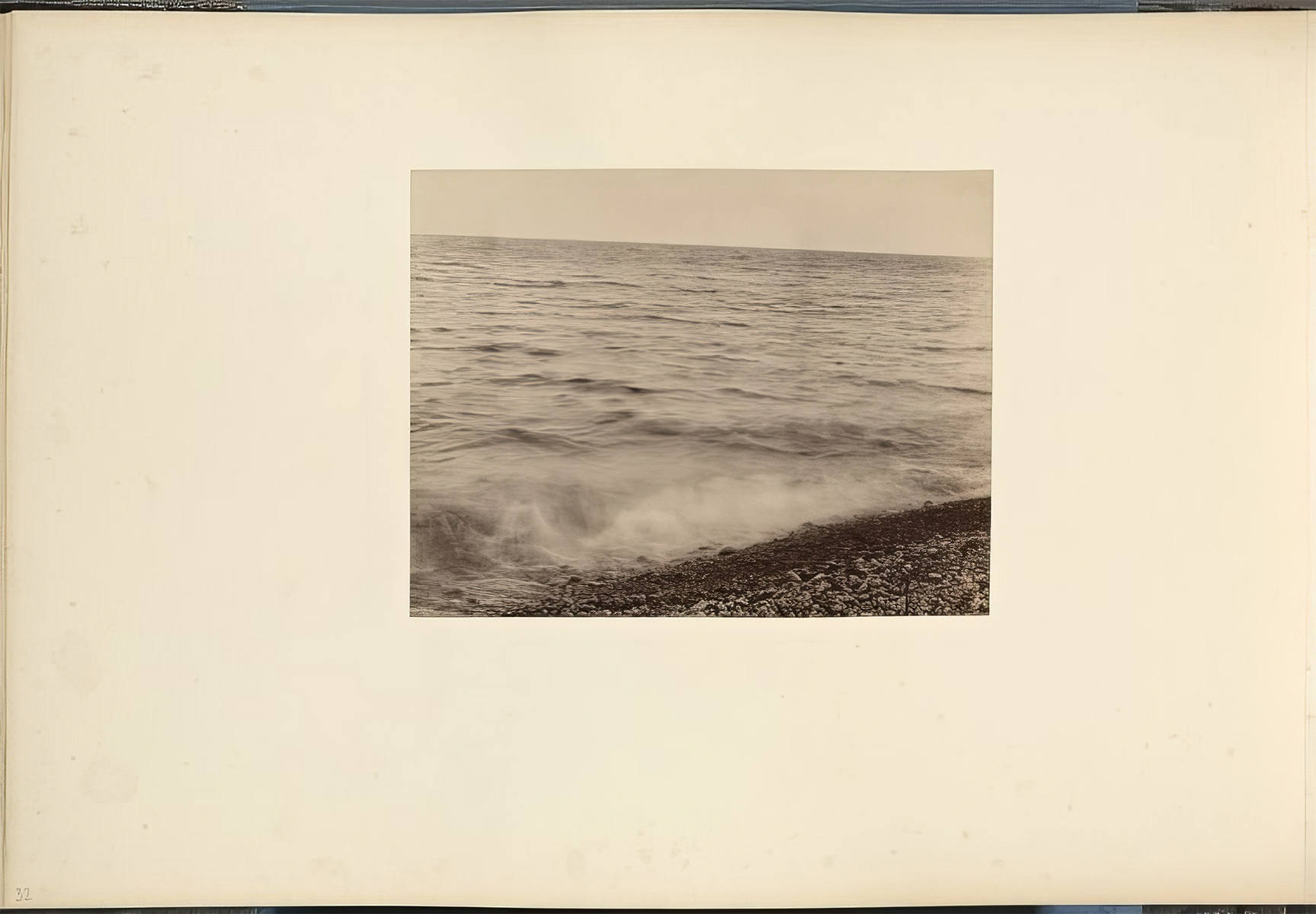
“Crimea: Photo Album”, 1885. Source: Digital Collections of the New York Public Library.
8
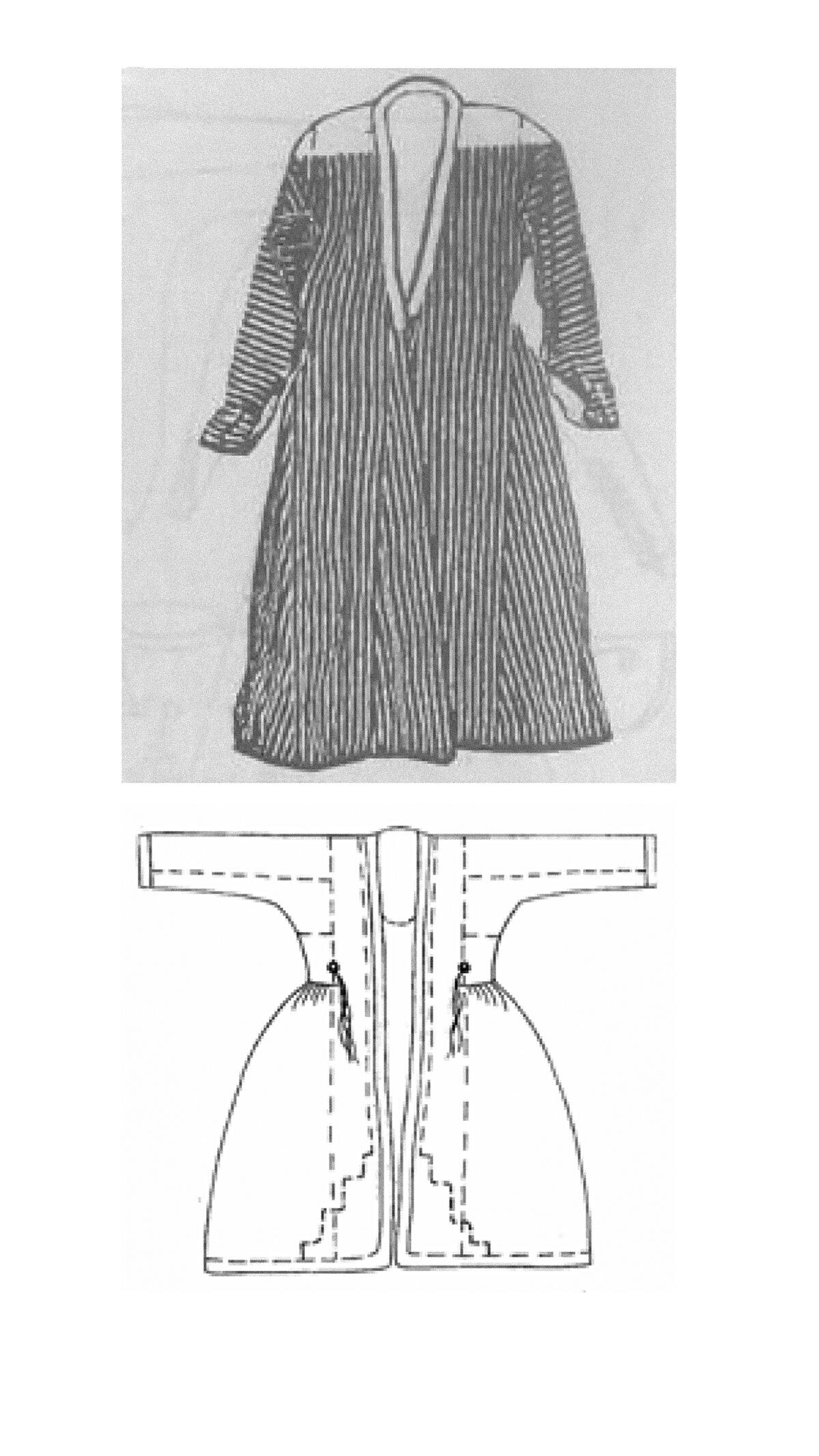
Shamaladja-anteri - a type of women's robe. Crimea, Yalta region, late 19th century. Source: “Clothing of the Crimean Tatars, late 18th – early 20th century” book.
Feredzhe - a type of women's robe. Crimea, Yalta, late 19th century. Source: “Clothing of the Crimean Tatars, late 18th – early 20th century” book.
Feredzhe - a type of women's robe. Crimea, Yalta, late 19th century. Source: “Clothing of the Crimean Tatars, late 18th – early 20th century” book.
7
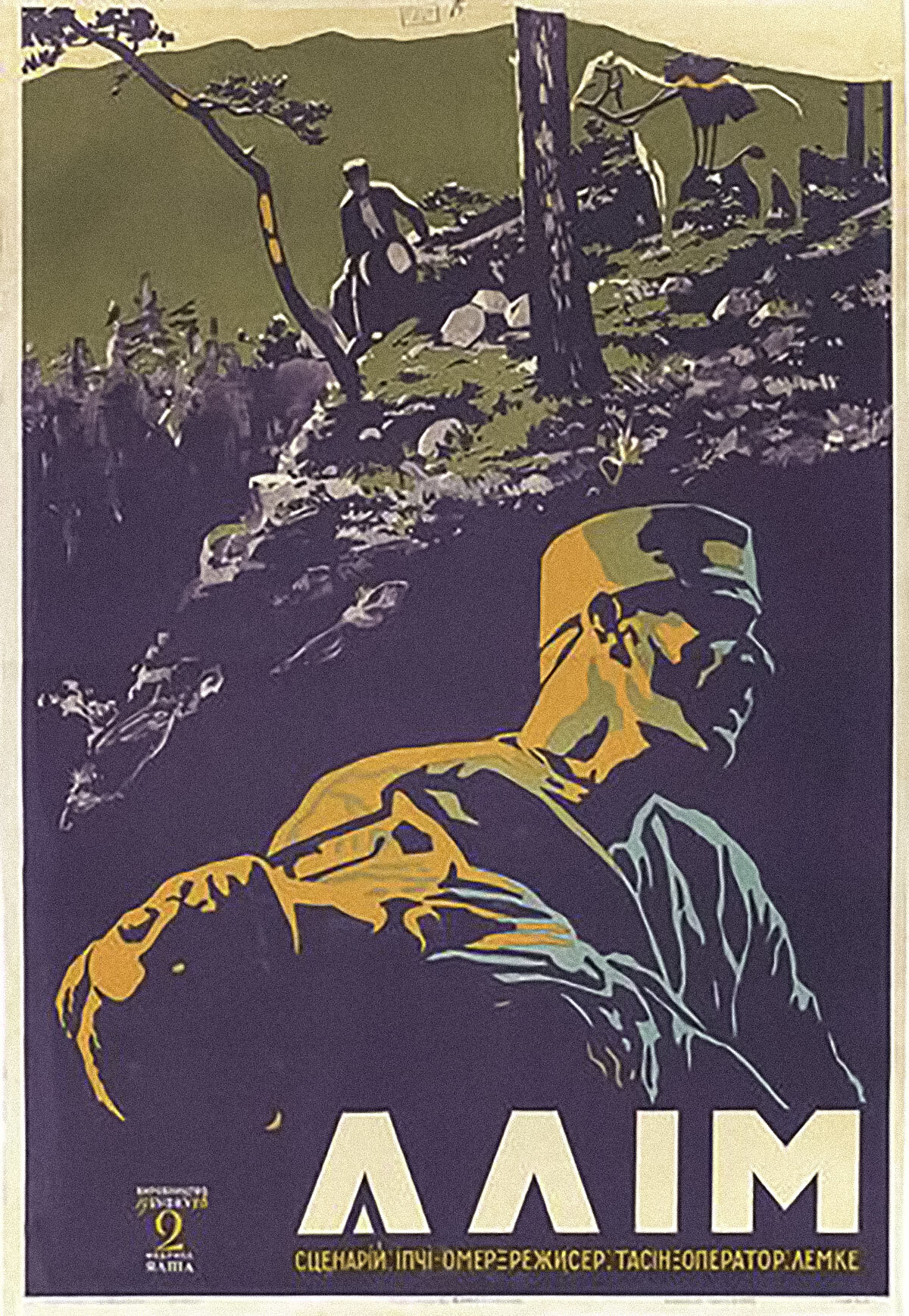
This was the first Soviet film about the Crimean Tatar folk hero Alim Aidamak, featuring Crimean Tatar actors Hayri and Asiye Emir-Zade in the leading roles for the first time. Despite its tremendous success, the film was banned in 1937, and all copies were destroyed. It wasn’t until many decades later that the film was brought back to audiences.
6
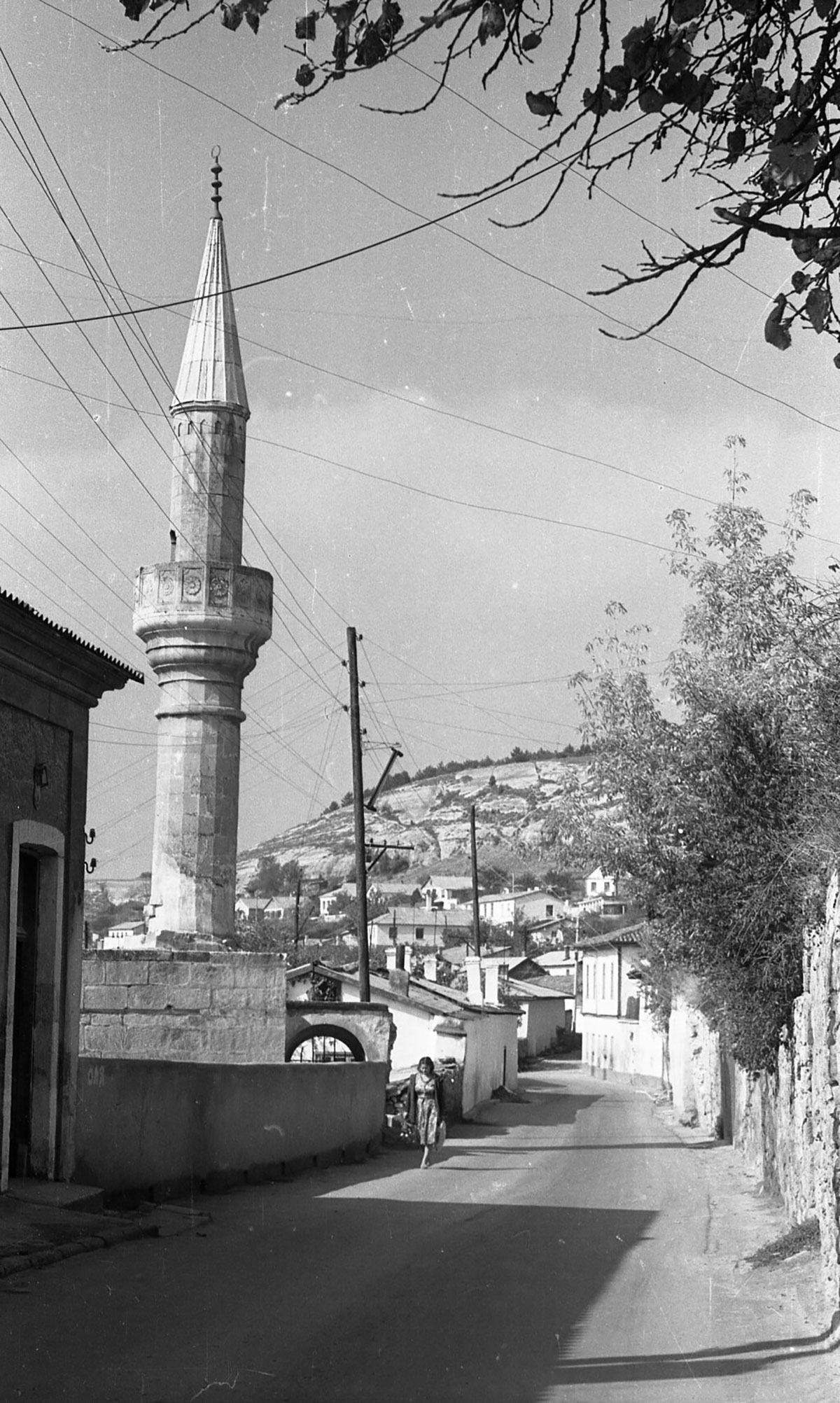
The name Bakhchisaray means “garden palace” in Crimean Tatar, a fitting description since the city was built around the luxurious Khan’s Palace. Its streets still preserve an eastern character with terraced buildings, mosques, and cozy courtyards.
9
Crimea. A land richer and more fascinating than we’ve come to know. Visiting the peninsula for a summer getaway by the sea and mountains, have we truly recognized its soul? The Indigenous people whose story we know so little about.
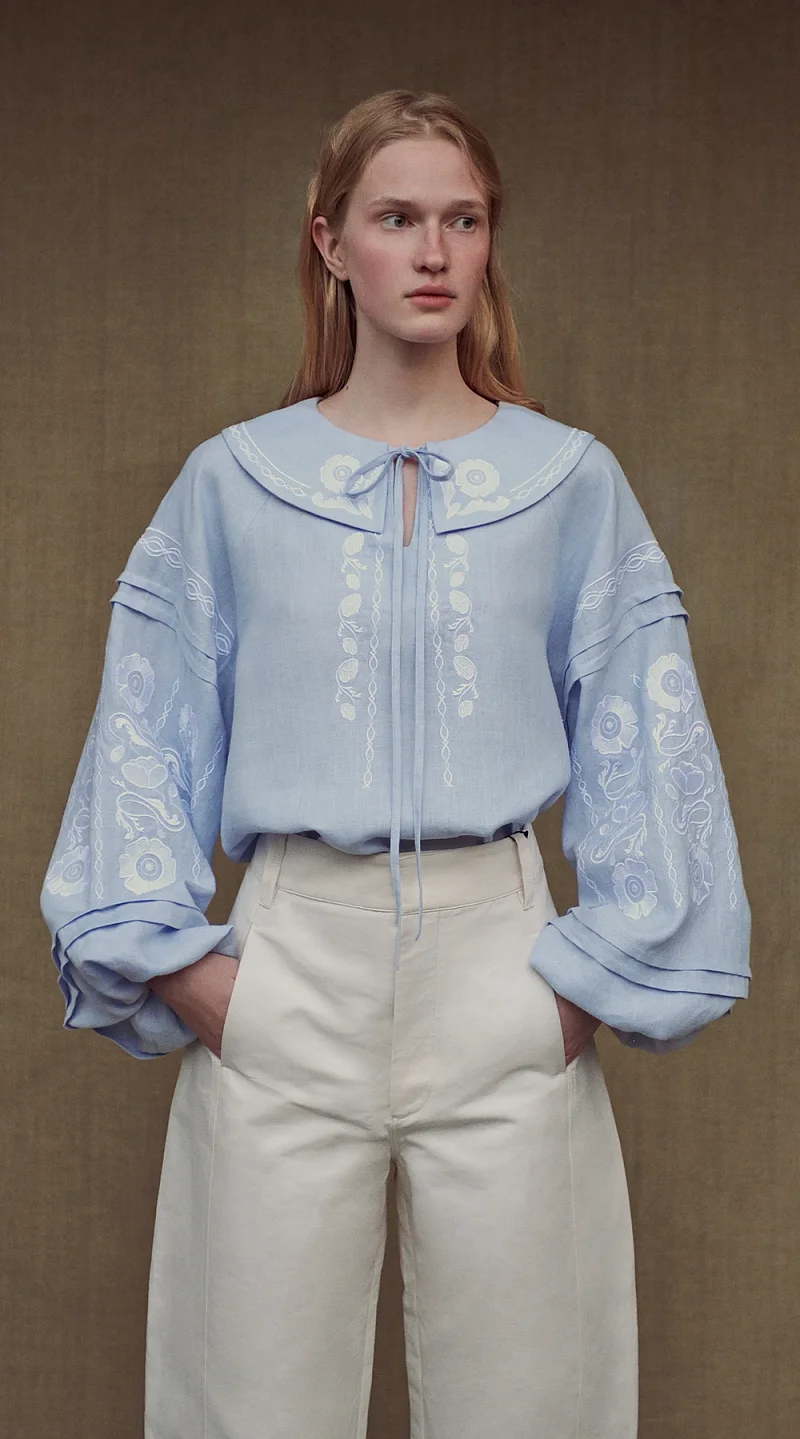
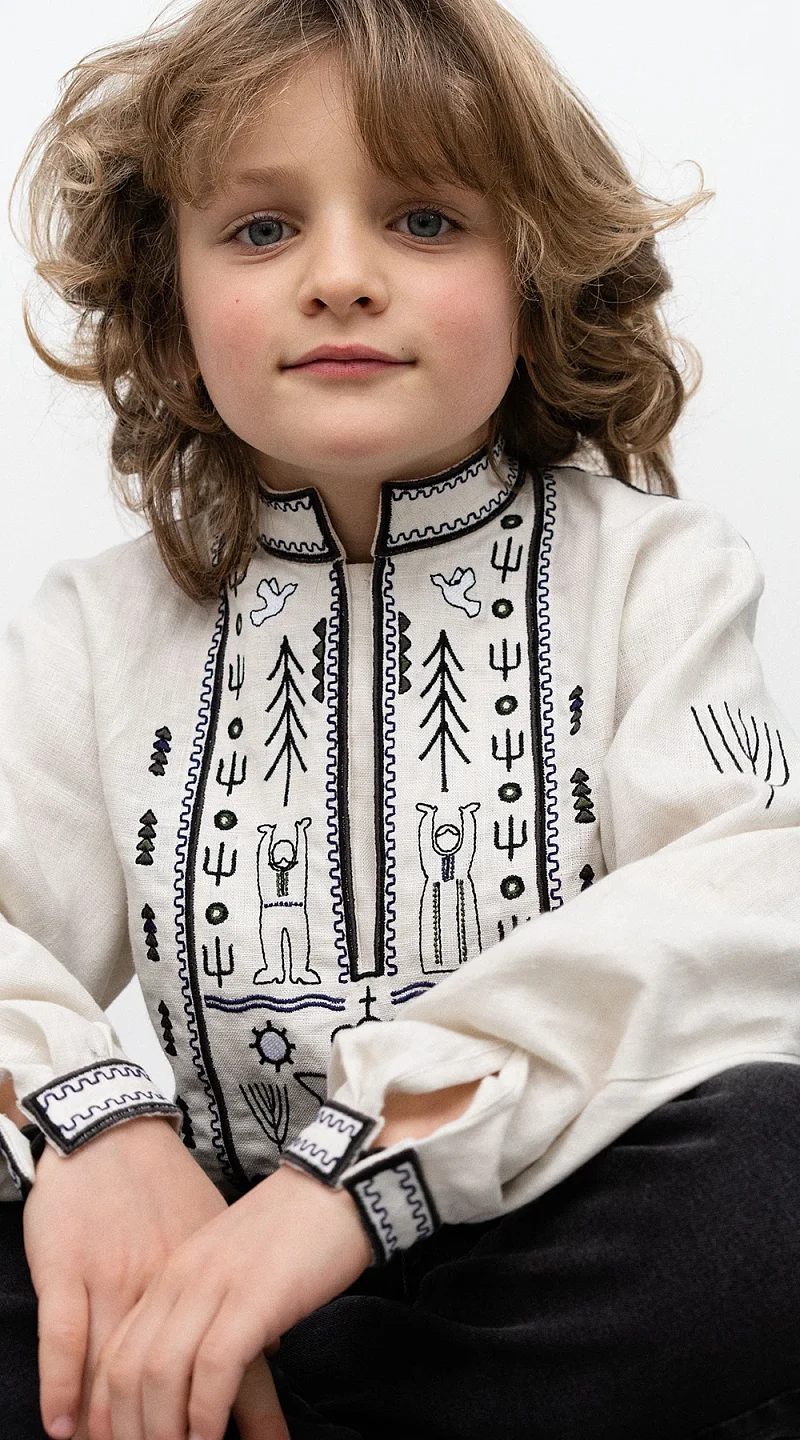
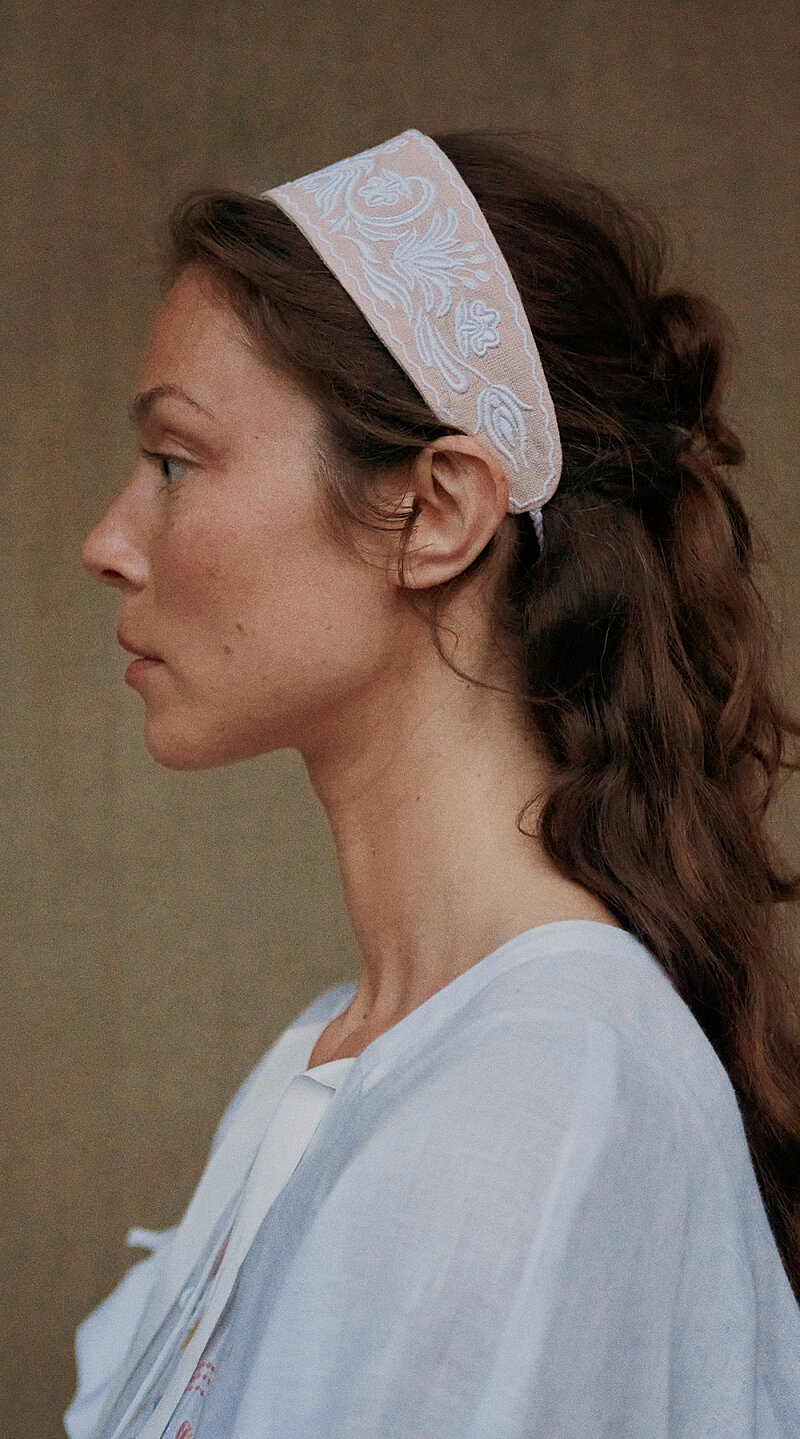
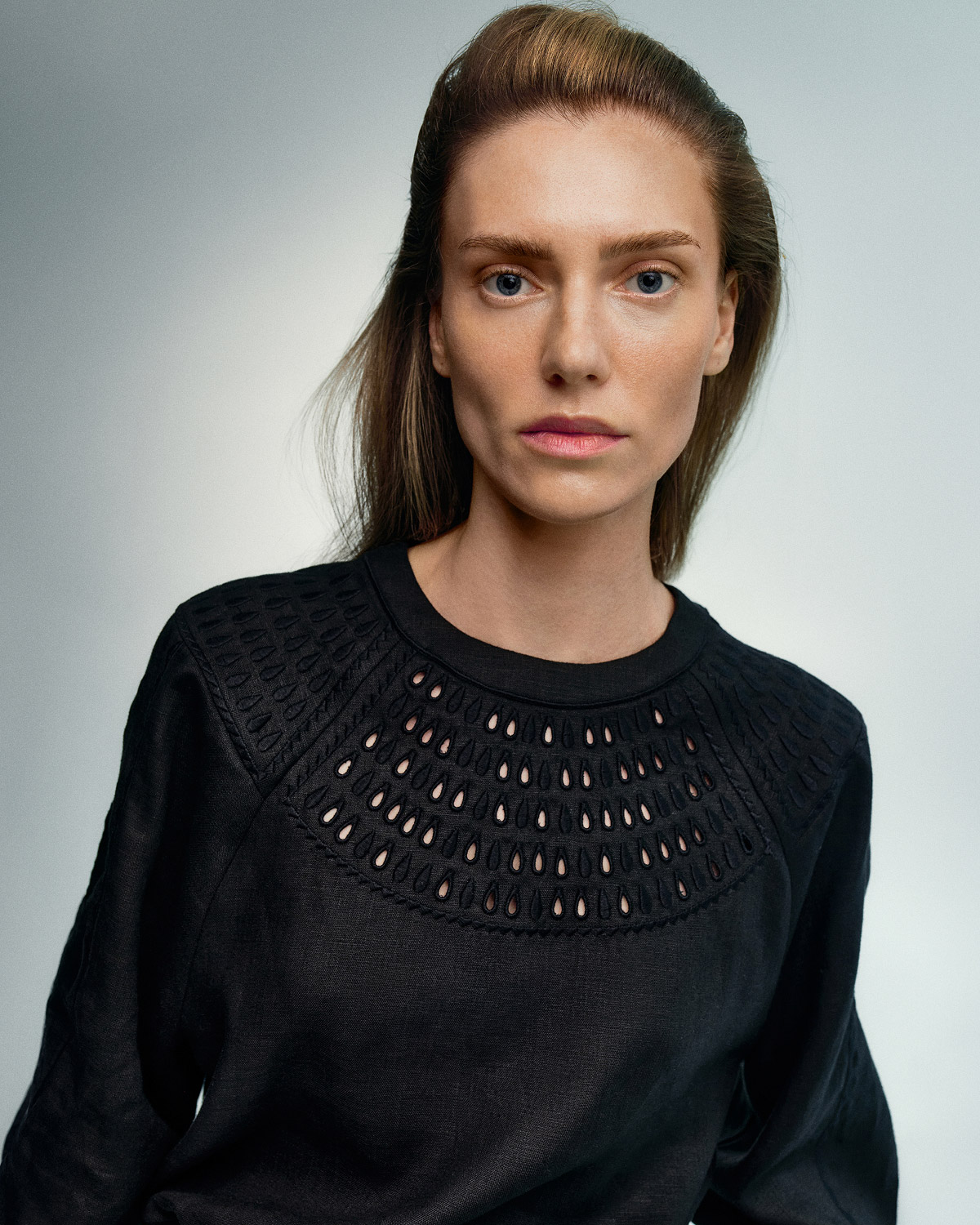
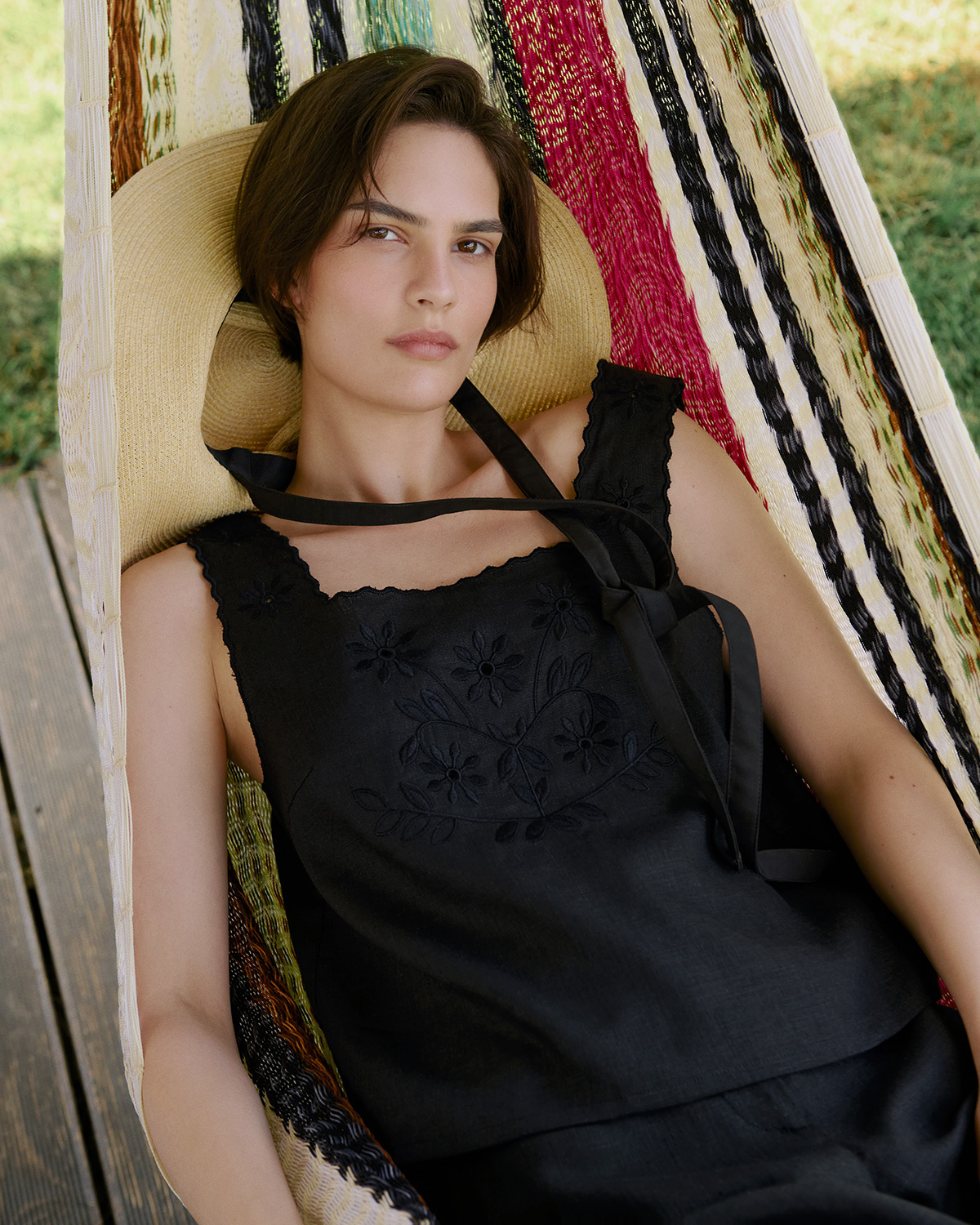
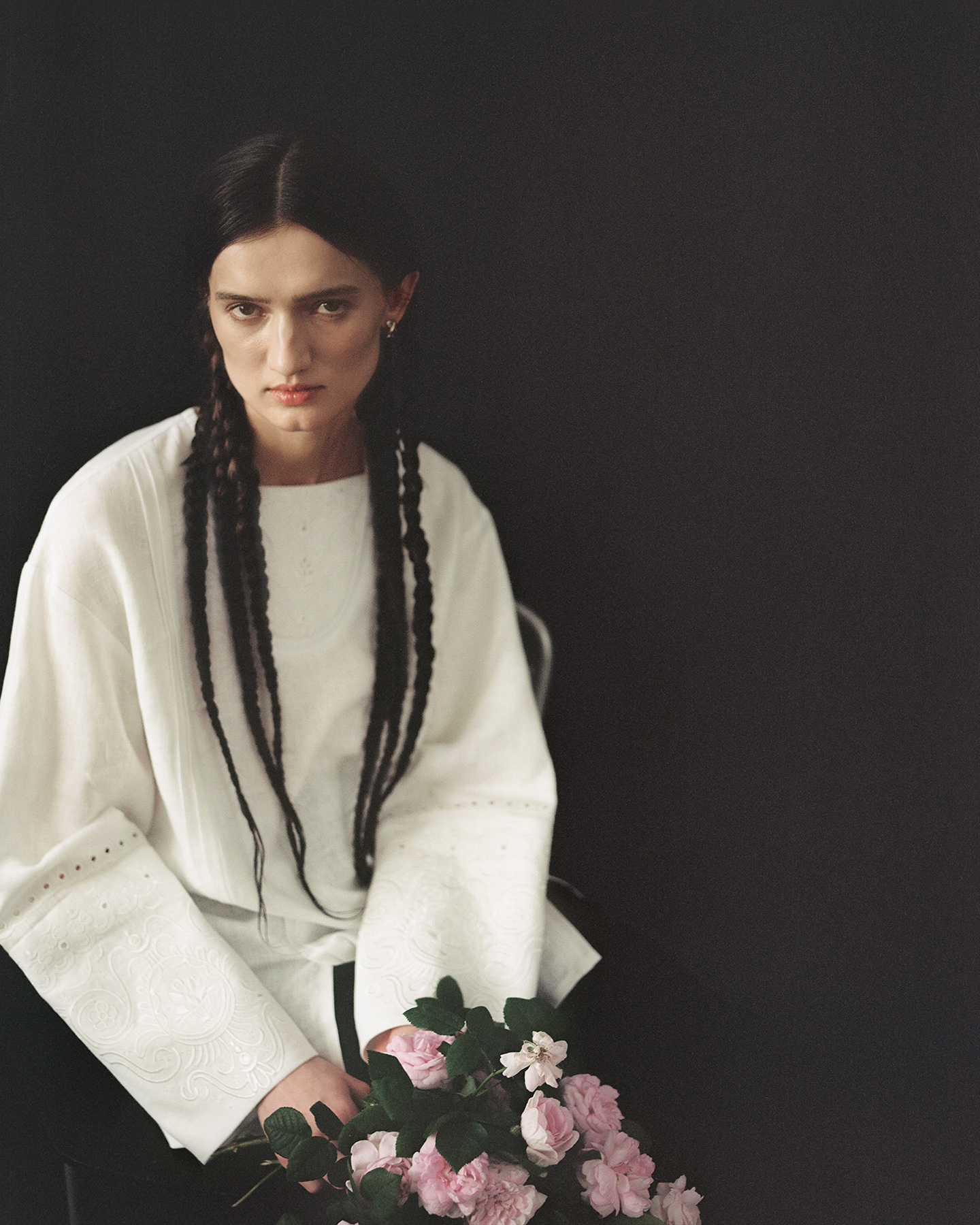
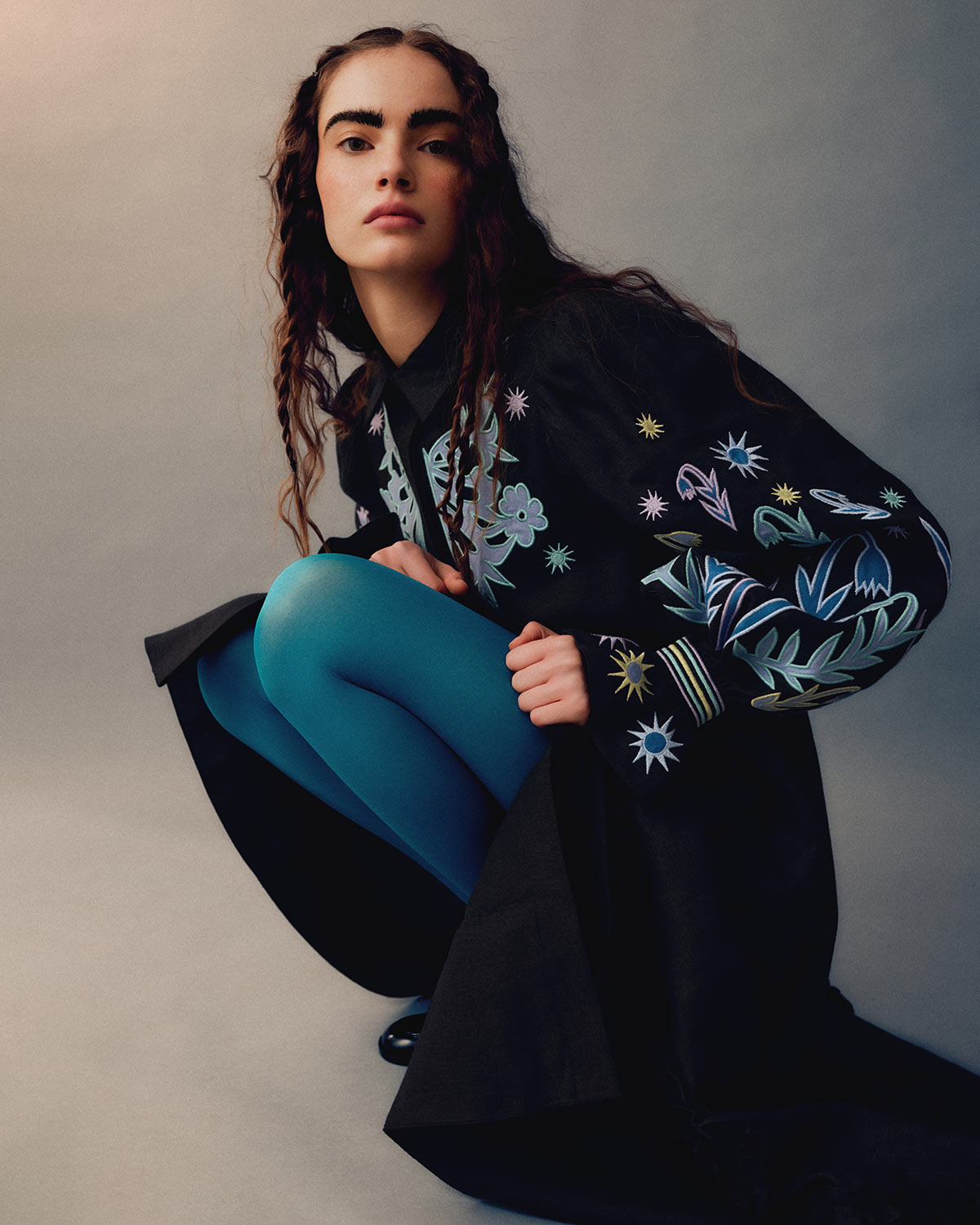
Creating this collection was our long-awaited journey to that very Crimea, authentic and free from stereotypes. Along the way, we had the honor to connect with the distinctive identity of the Crimean Tatars, shaped by their traditions, crafts, language, and faith. Seven pieces were designed from this experience, each revealing the story of this land through the legend of a man’s tears, Lesya Ukrainka’s sketches, the Örnek ornament, and the beauty of the land’s natural surroundings.
Crimean Tatar culture is an immense storehouse of knowledge and inspiration. We’ve only revealed its first page, hoping it encourages you to keep exploring through film, books, and other sources.
Creating this collection was our long-awaited journey to that very Crimea, authentic and free from stereotypes. Along the way, we had the honor to connect with the distinctive identity of the Crimean Tatars, shaped by their traditions, crafts, language, and faith. Seven pieces were designed from this experience, each revealing the story of this land through the legend of a man’s tears, Lesya Ukrainka’s sketches, the Örnek ornament, and the beauty of the land’s natural surroundings.
Crimean Tatar culture is an immense storehouse of knowledge and inspiration. We’ve only revealed its first page, hoping it encourages you to keep exploring through film, books, and other sources.
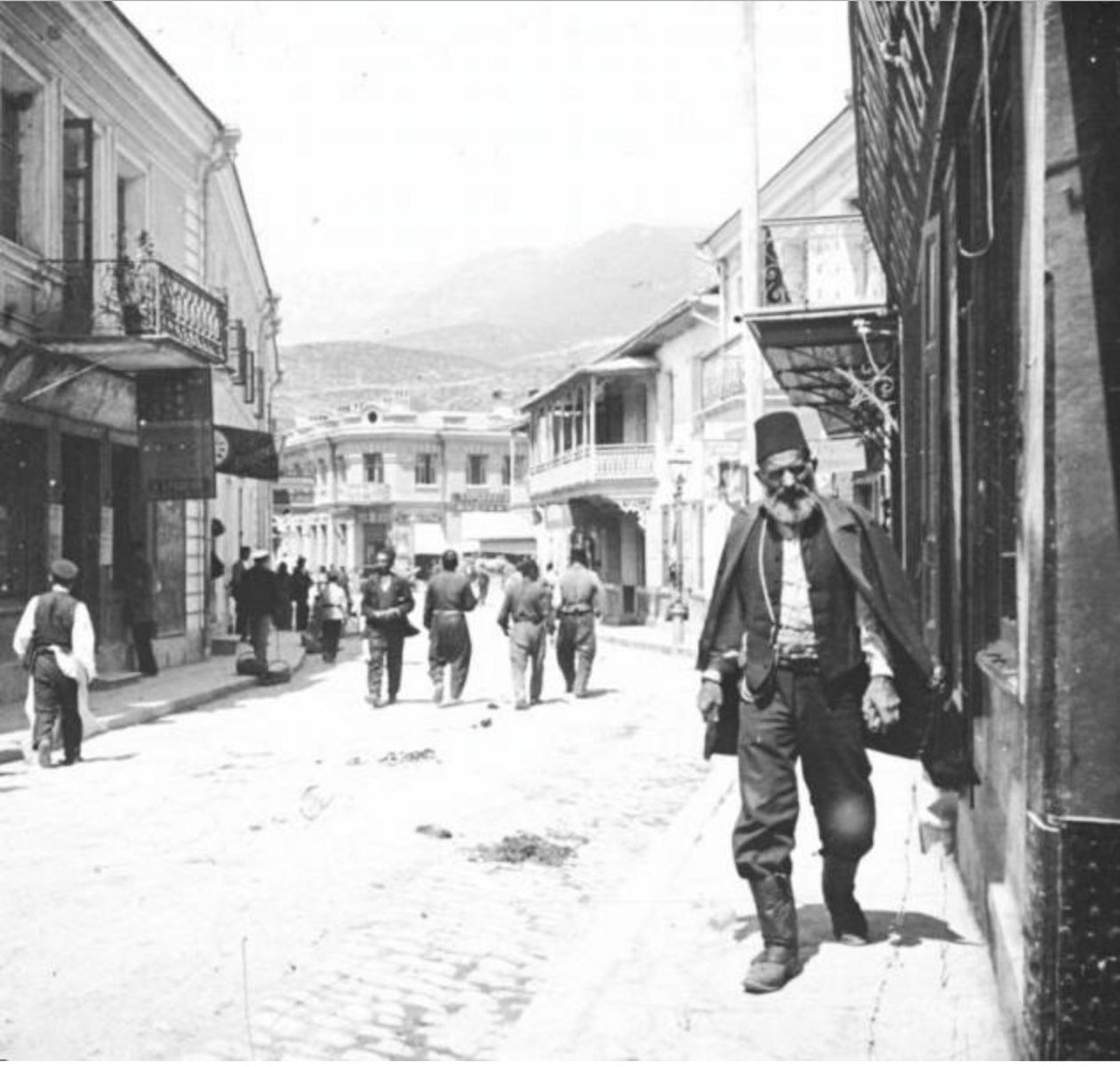
The name of the city Yalta likely originates from the Crimean Tatar word yalı, meaning “on the shore.” Before the 1944 deportation, Crimean Tatars were the indigenous inhabitants of Yalta and other Crimean cities.
10
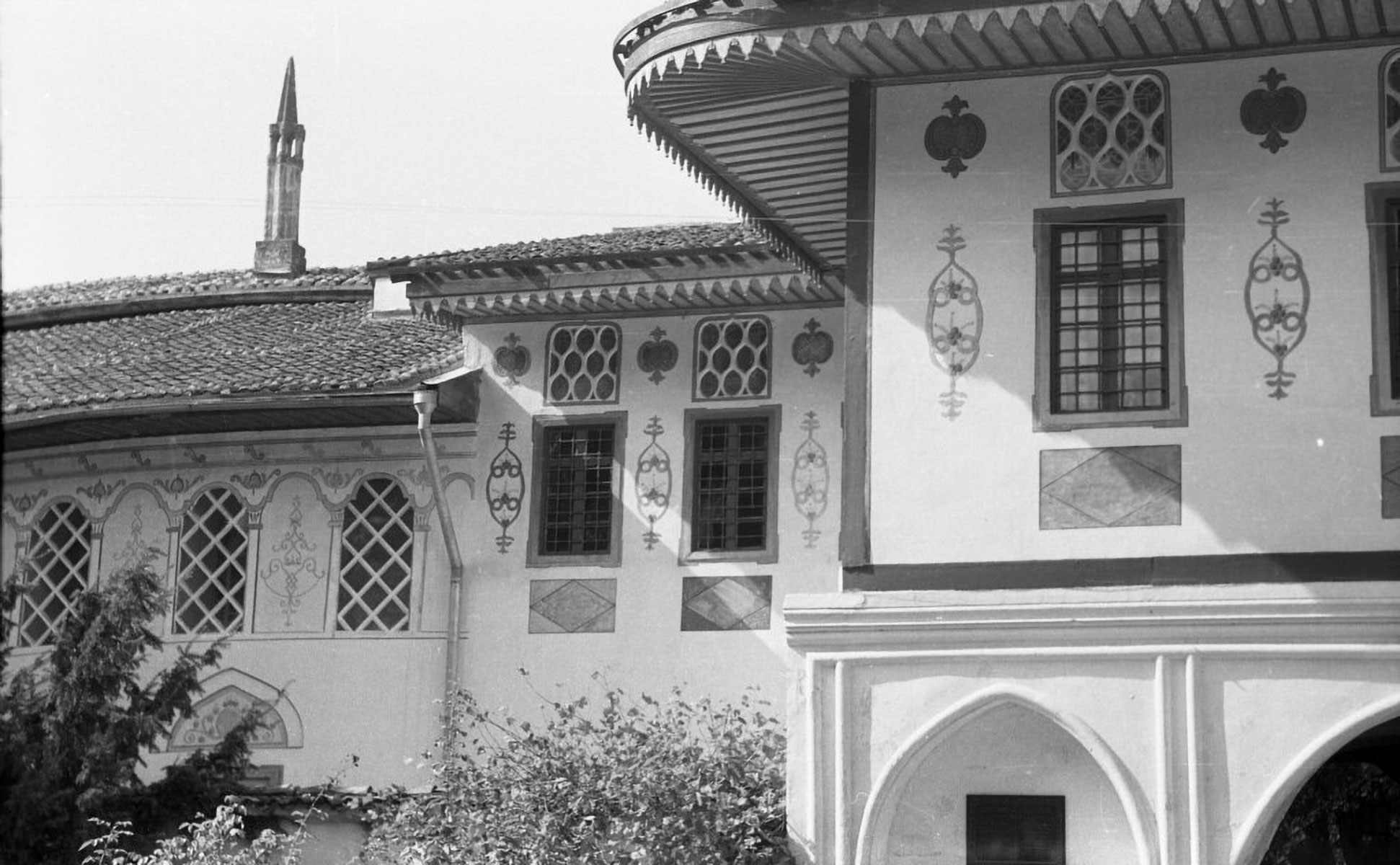
The Khan’s Palace in Bakhchisaray stands as a unique example of Crimean Tatar palace architecture, which served as the residence of the Giray dynasty (Geraylar) between 1532 and 1783. The complex embodies the Islamic vision of paradise on earth: a palace garden complete with a mosque, fountains, orchards, a harem, and a Persian garden. Today, it is recognized as a national heritage site and is part of a reserve included on UNESCO’s tentative World Heritage list.
71
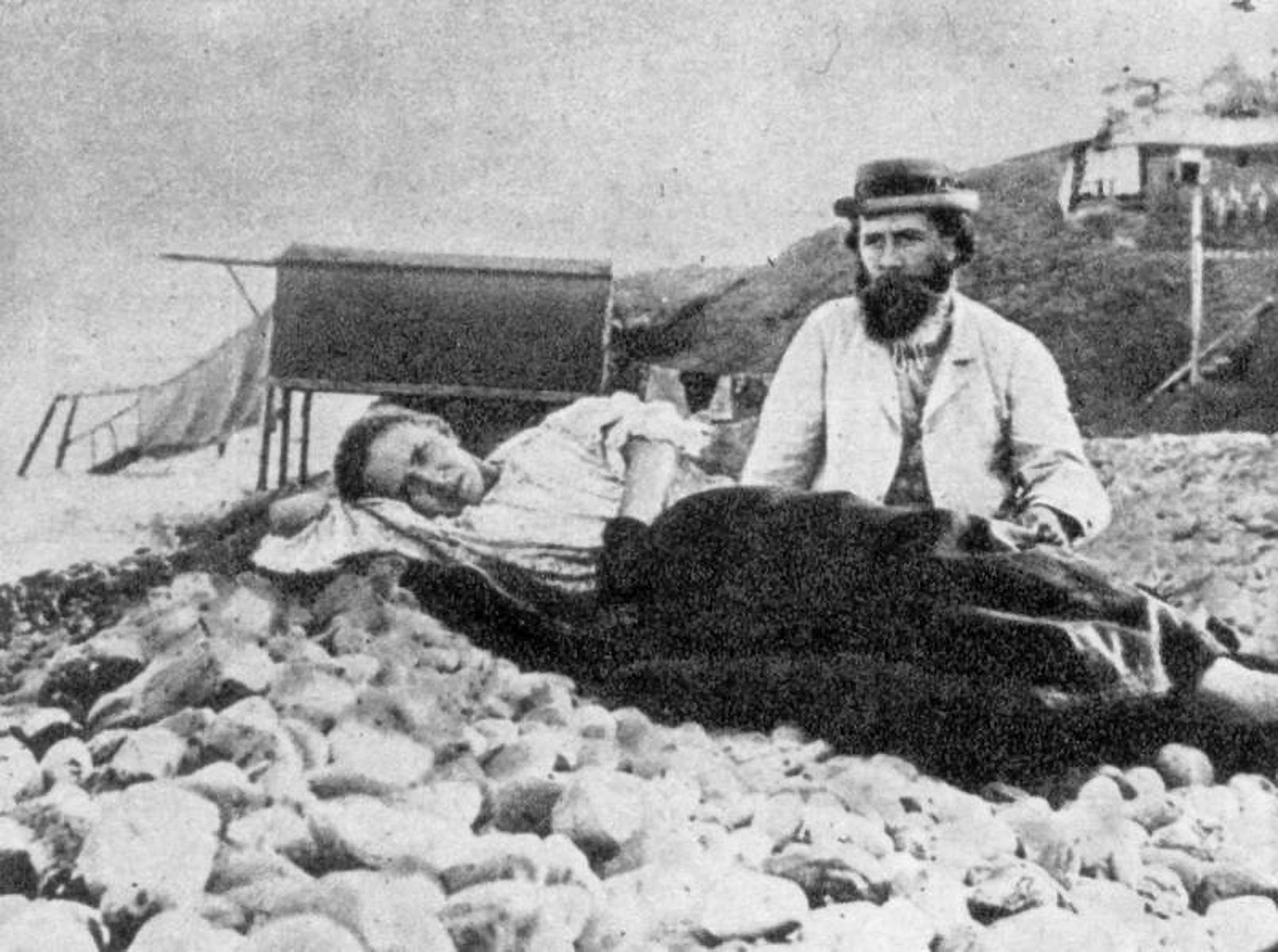
Lesya Ukrainka with her brother Mykhailo by the Black Sea. Crimea, 1897.
67
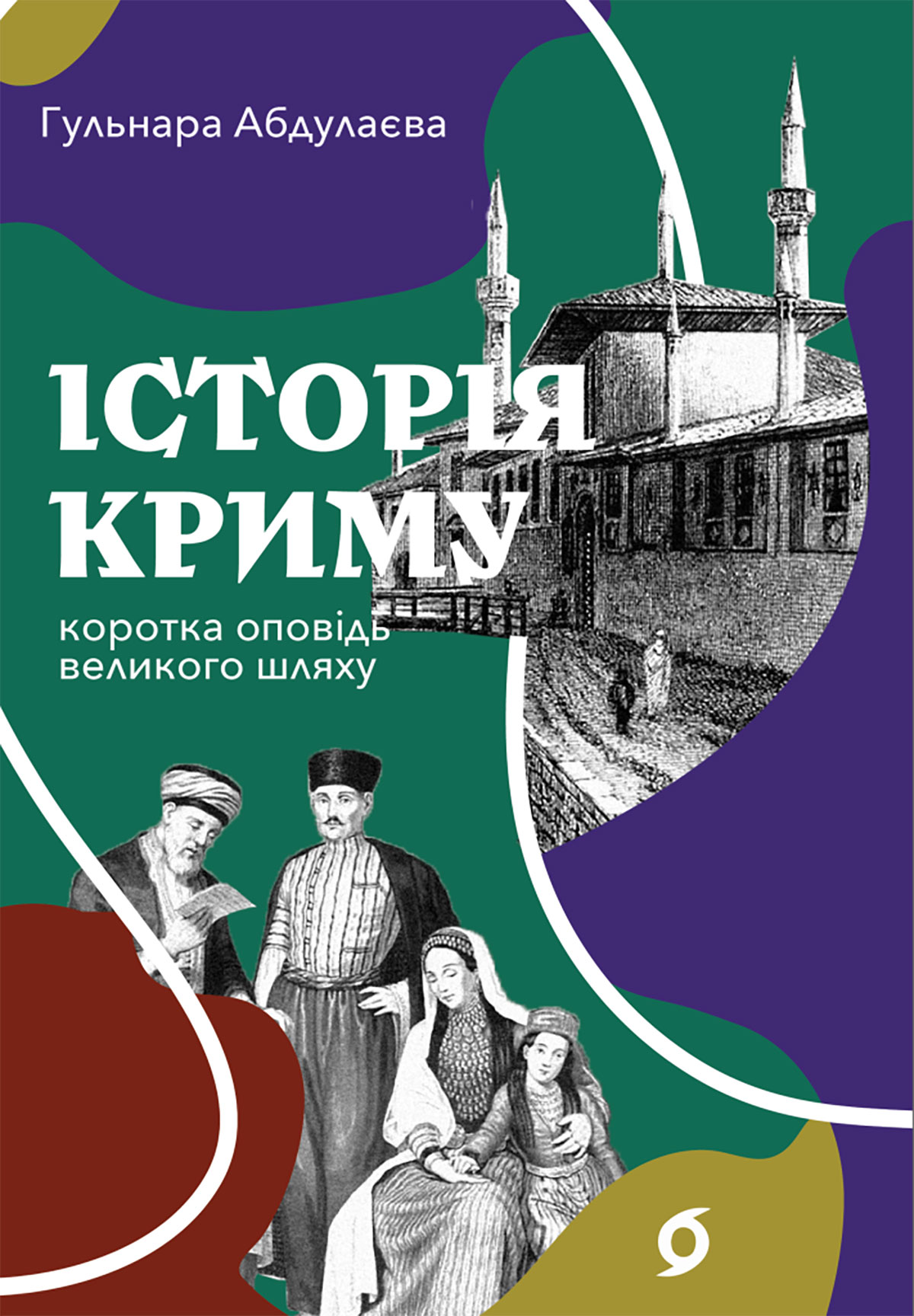
In her book, historian Gulnara Abdullayeva explores the millennium-long history of Crimea, from the Taurians and ancient cities to the deportations and the 2014 occupation. She introduces readers to lesser-known ethnic groups of the peninsula, including the Urums, Karaites, and Krymchaks, and explains how russia has rewritten Crimean history over the decades.
12
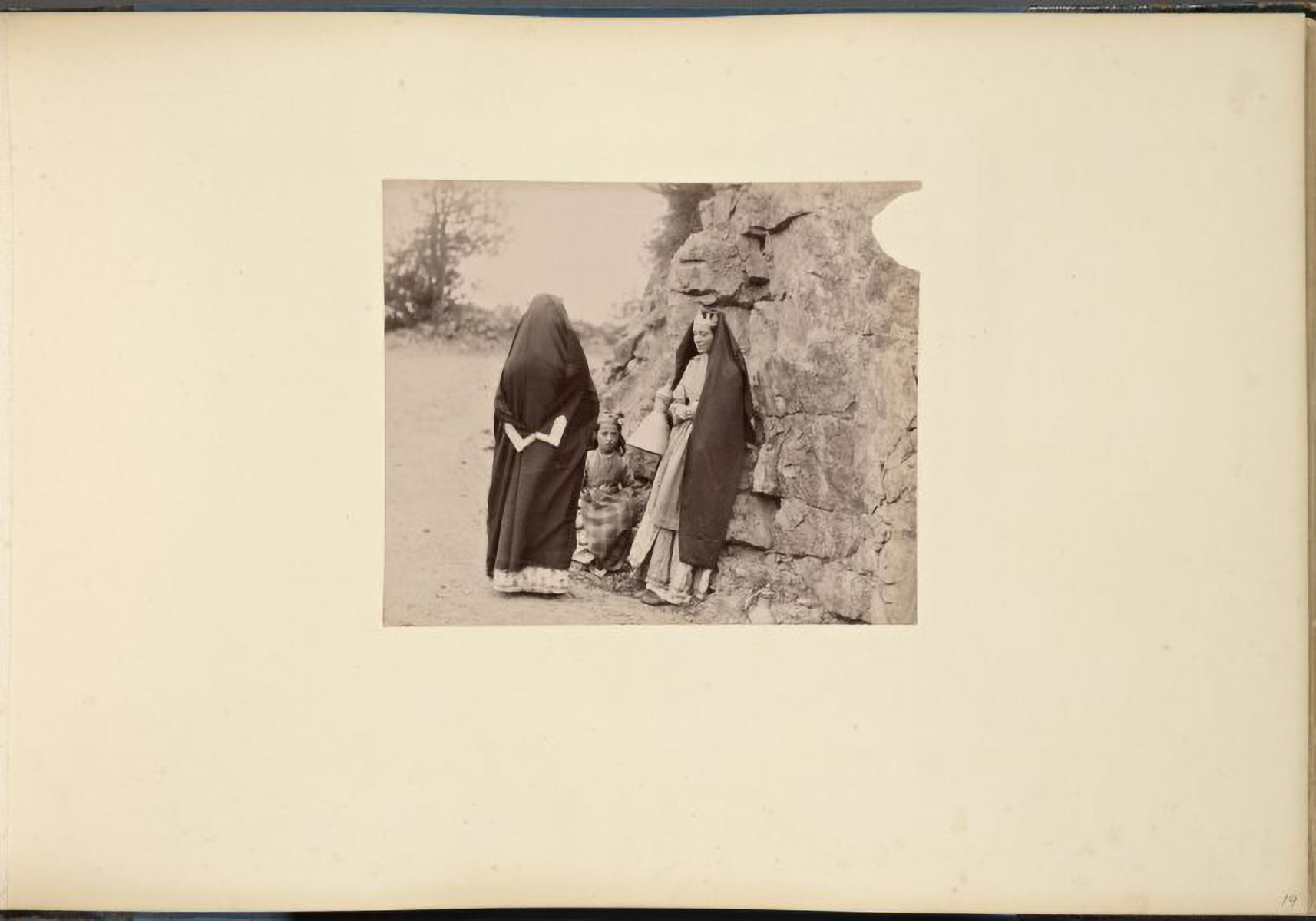
“Crimea: Photo Album”, 1885. Source: Digital Collections of the New York Public Library.
11
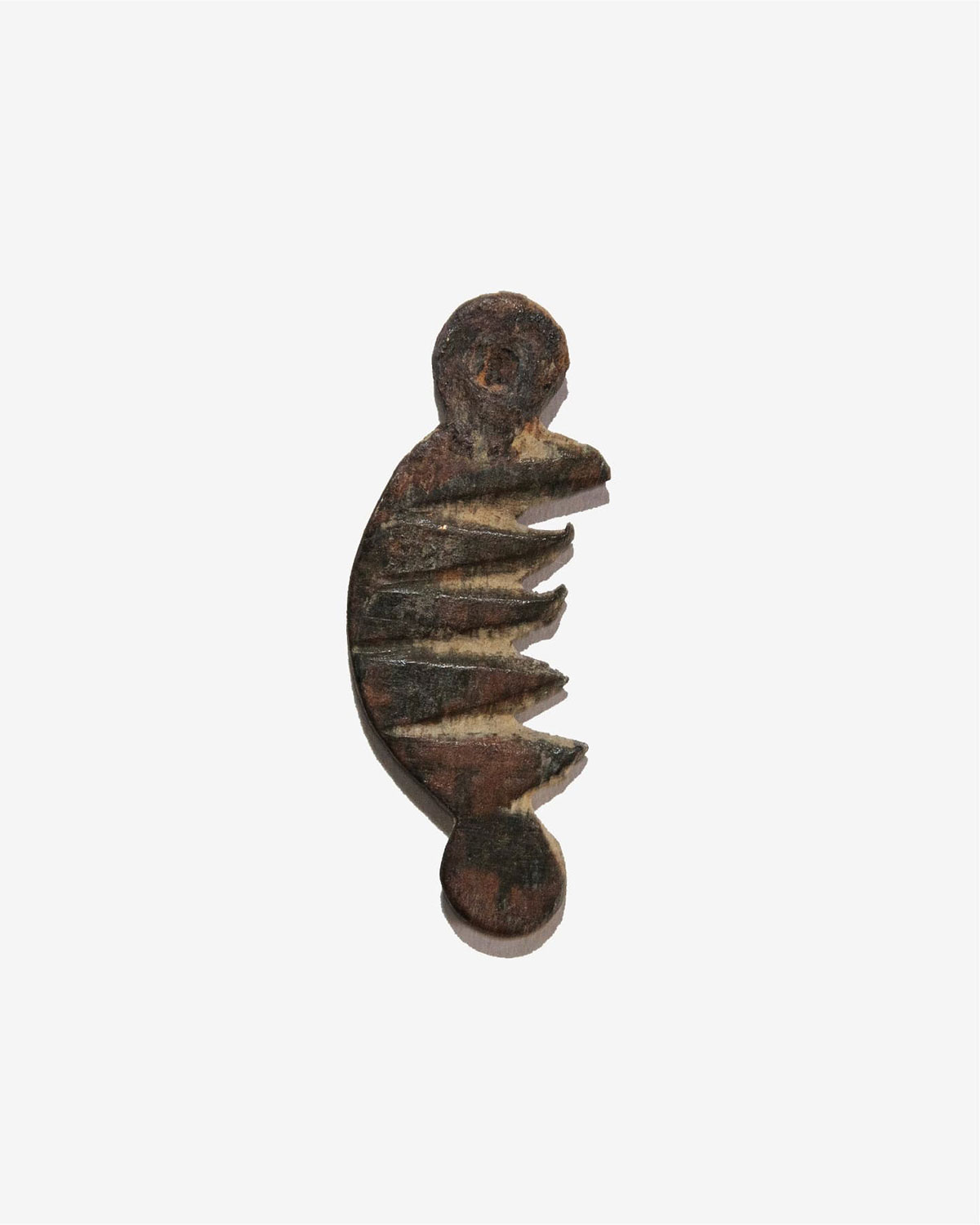
Beard grooming comb. Source: Private collection of Rustem Skybin.
68
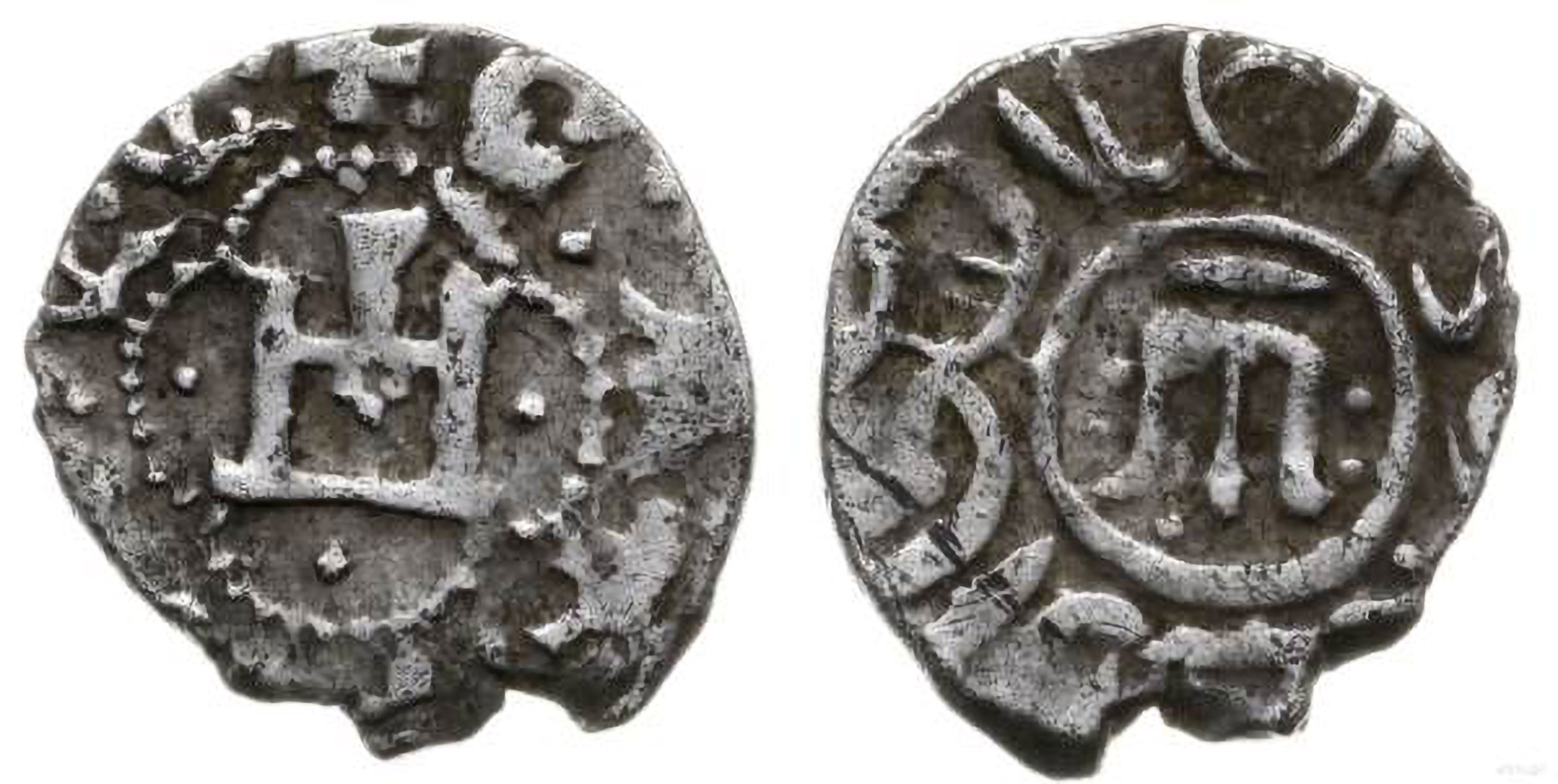
Aspr - coin, Genoese coinage during the reign of Hadzhi Geray. City of Kefe (now Feodosiia).
69
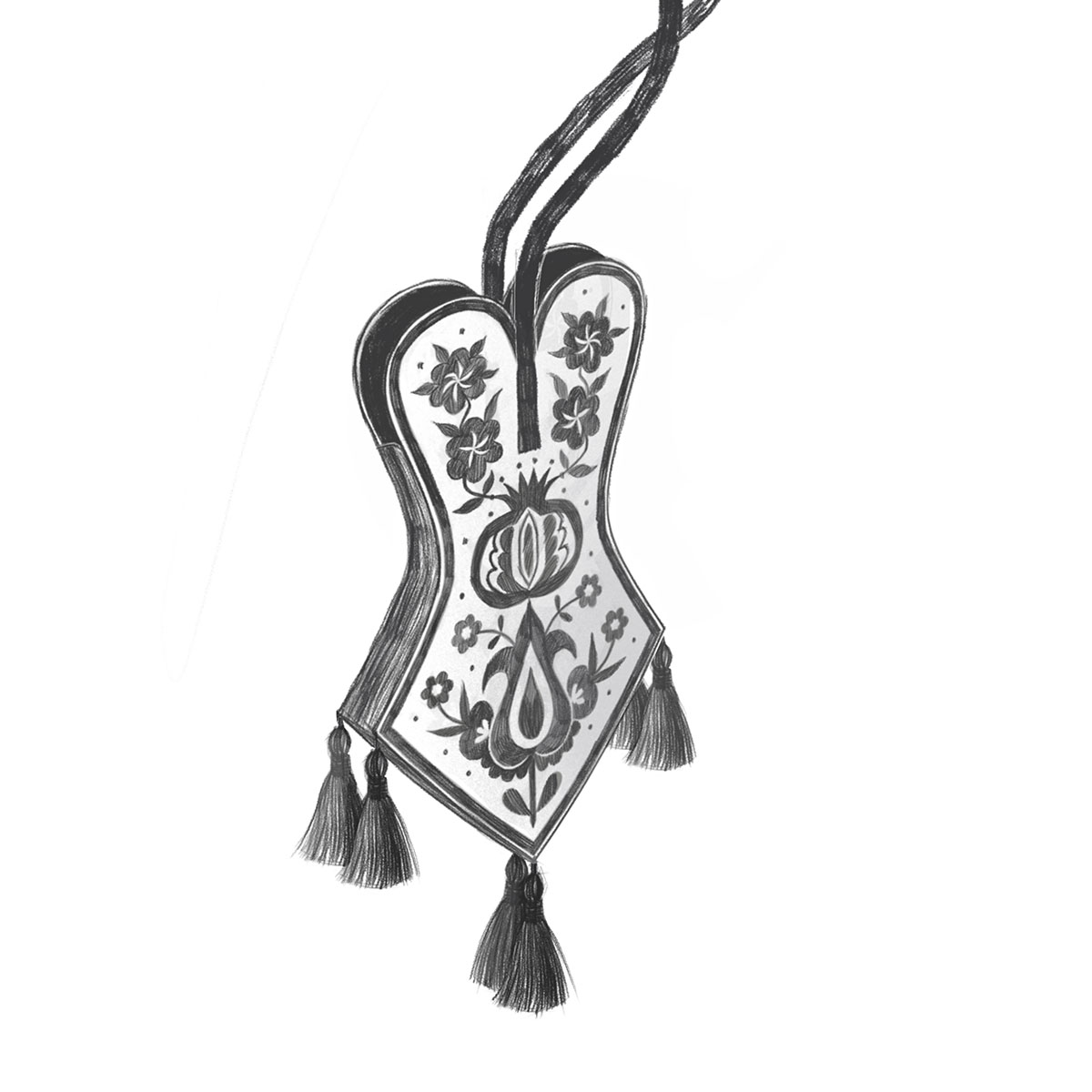
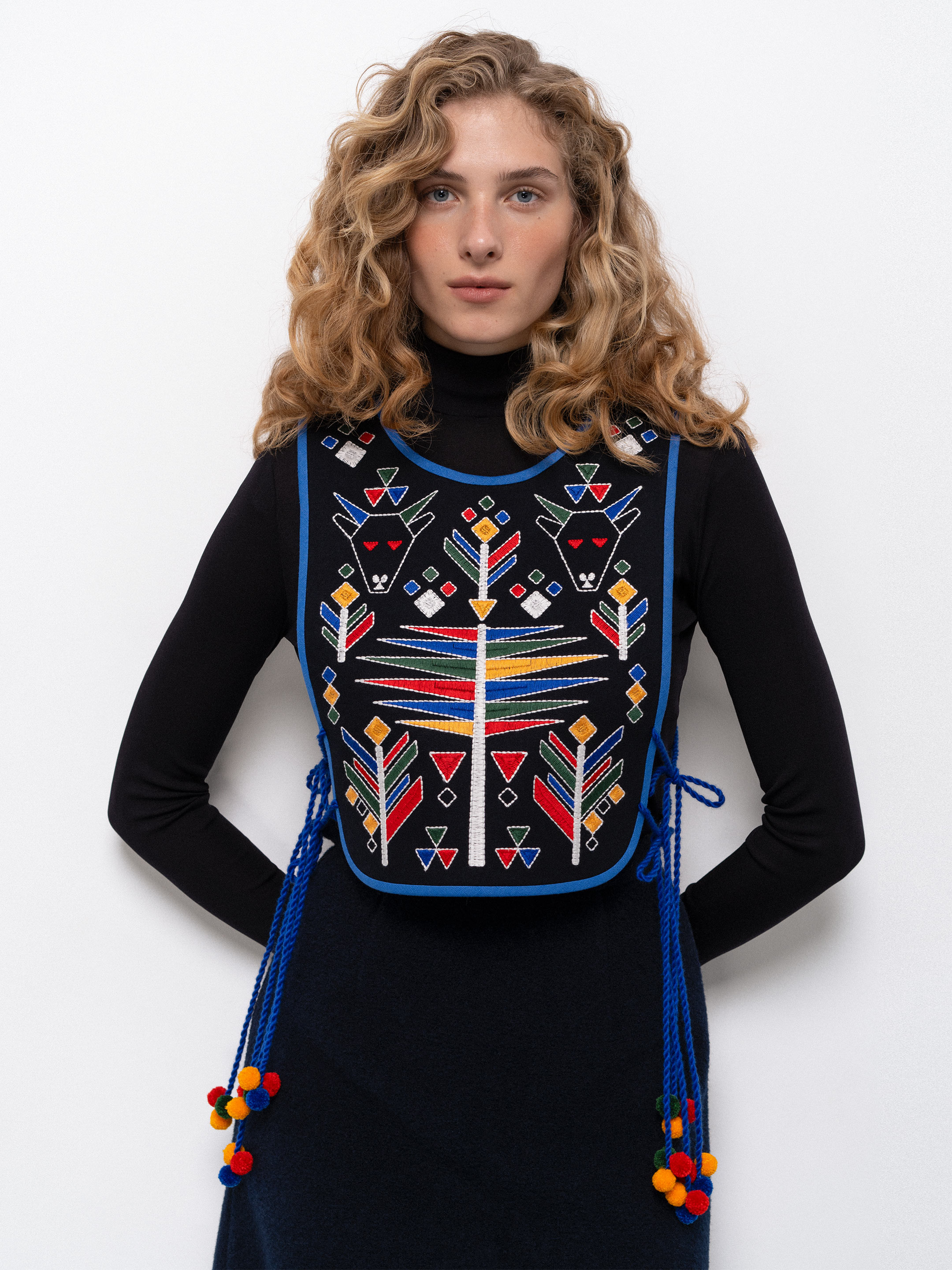
Sketch of kyset "Kırım".
70
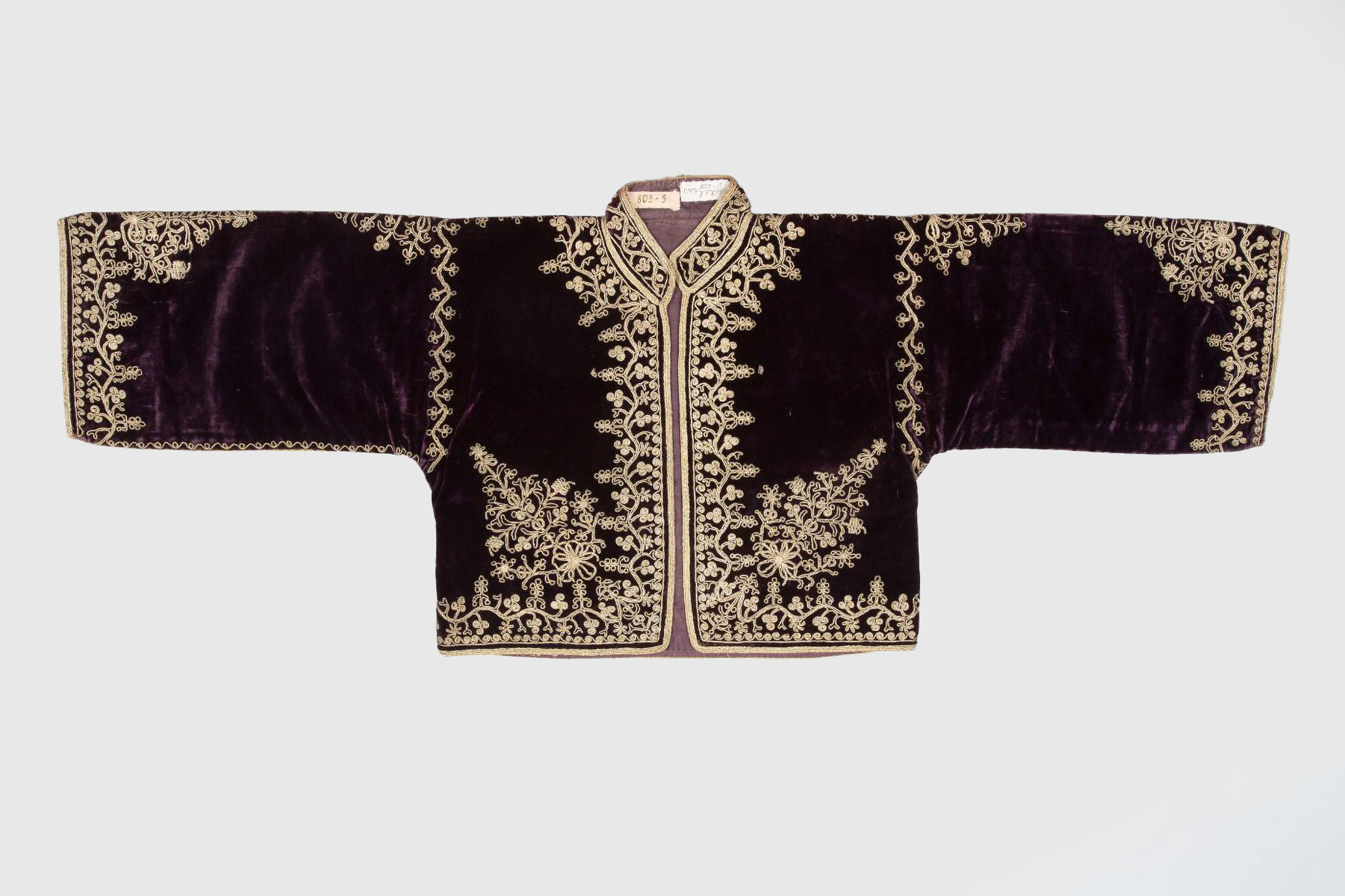
In winter, a Crimean Tatar woman wore a ton – a velvet coat with contrasting lining that was sometimes trimmed with fur.
14
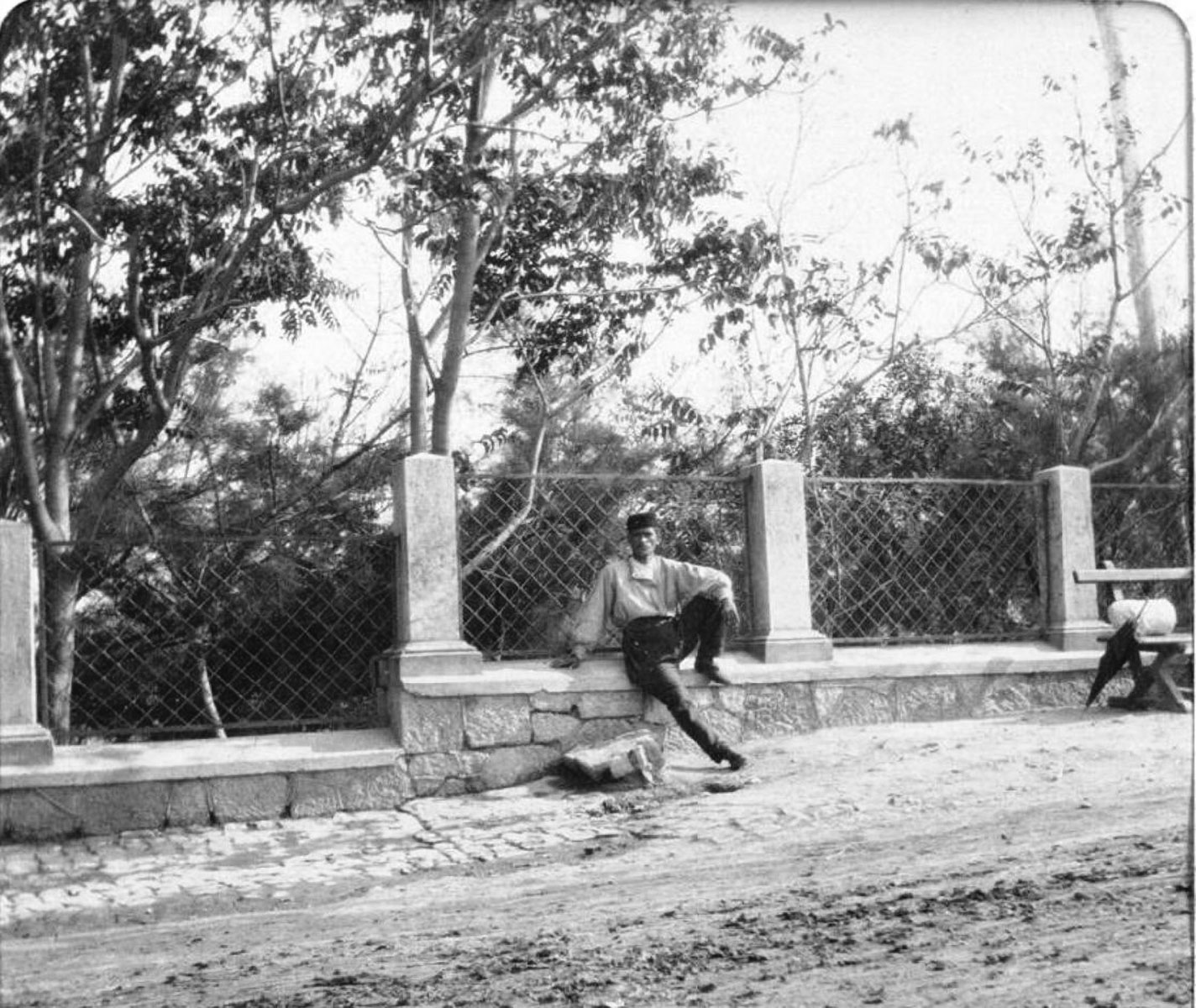
Man in the village of Derekoi. Source: archive of Baron Joseph de Baye.
13
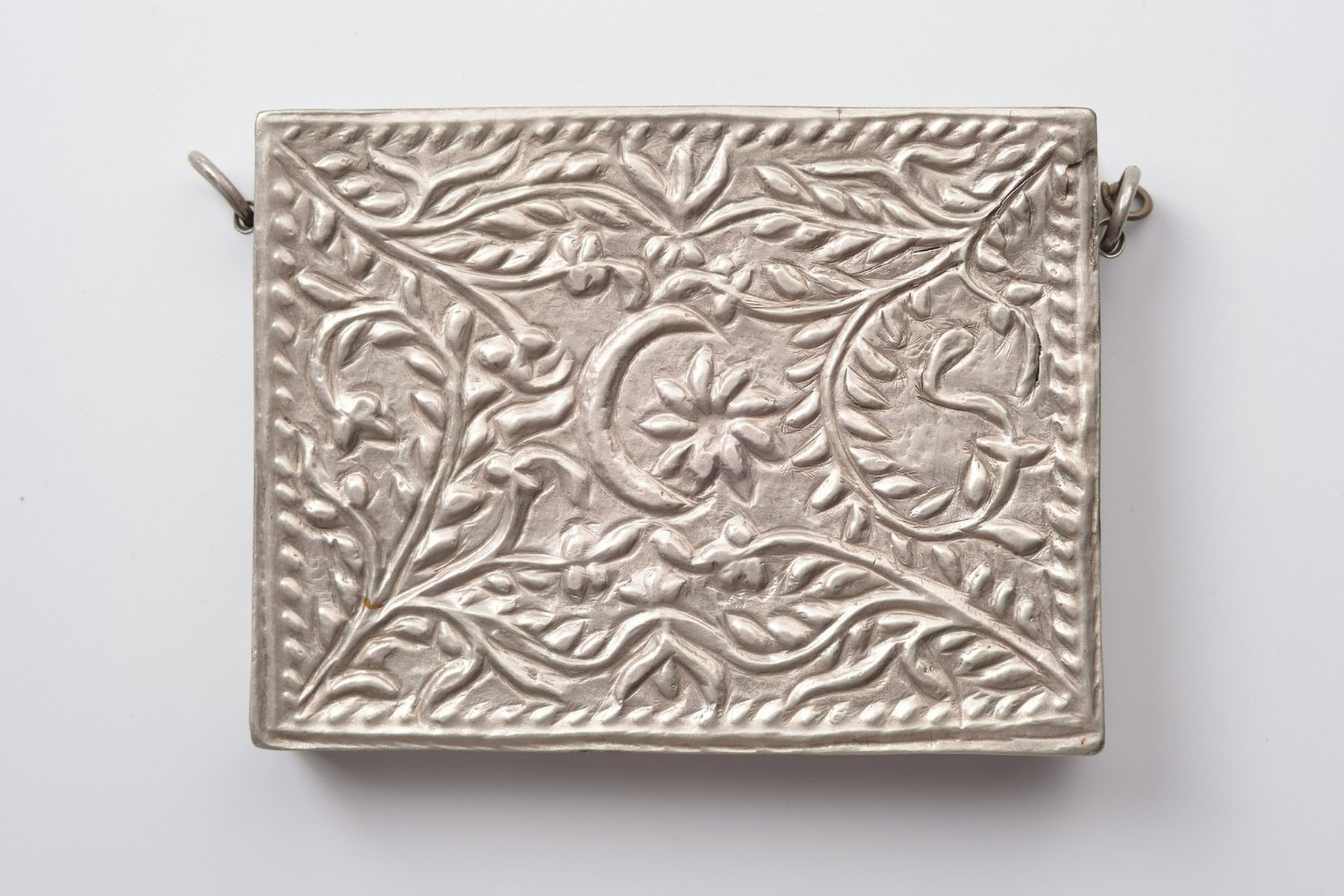
A Qur’an case decorated with a seamless embossed pattern of winding vines, leaves, and flowers, emphasizing the sacred significance of the book.
15
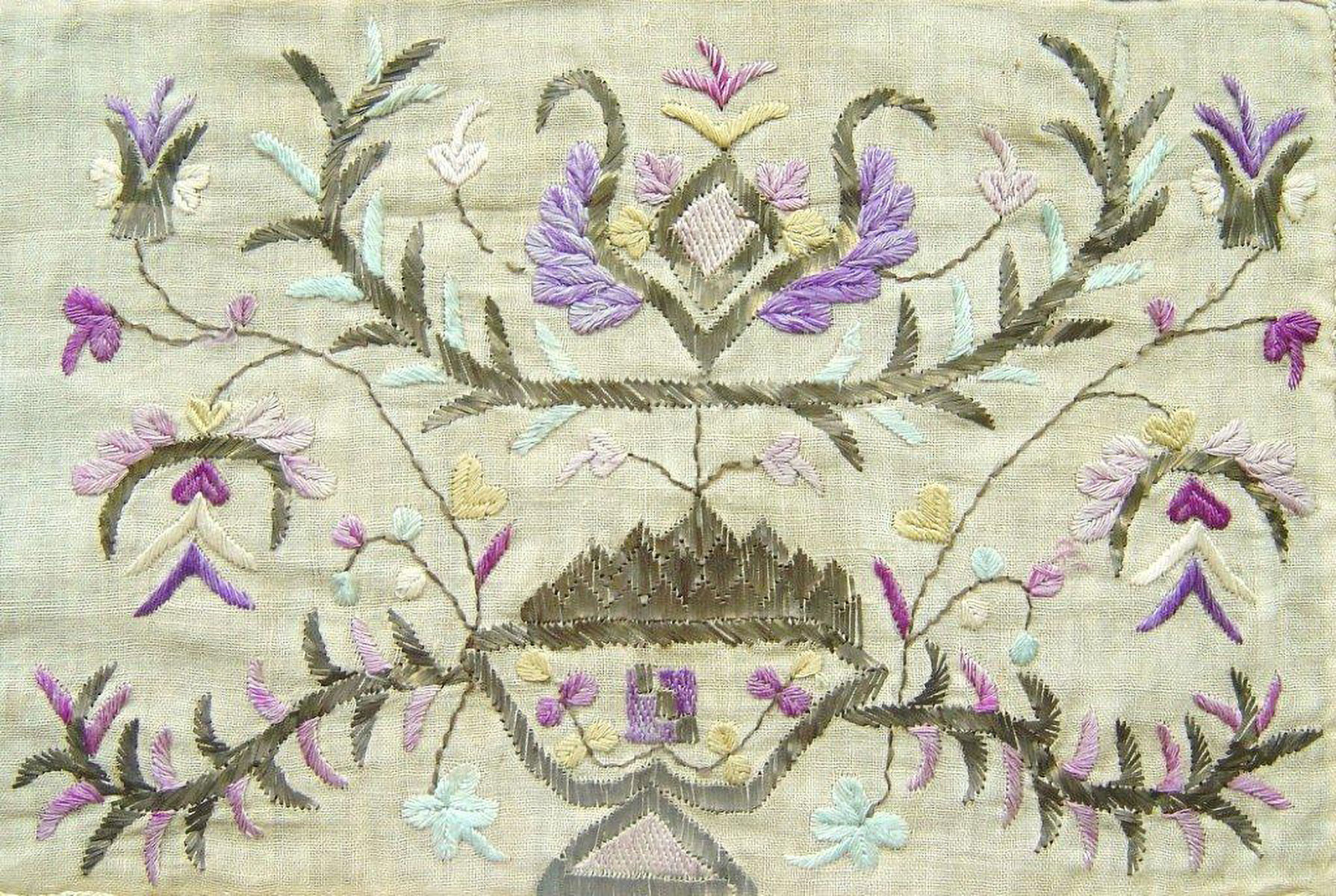
Embroidered ornamental towel. Source: "Asiye-Zeynep" collection.
16
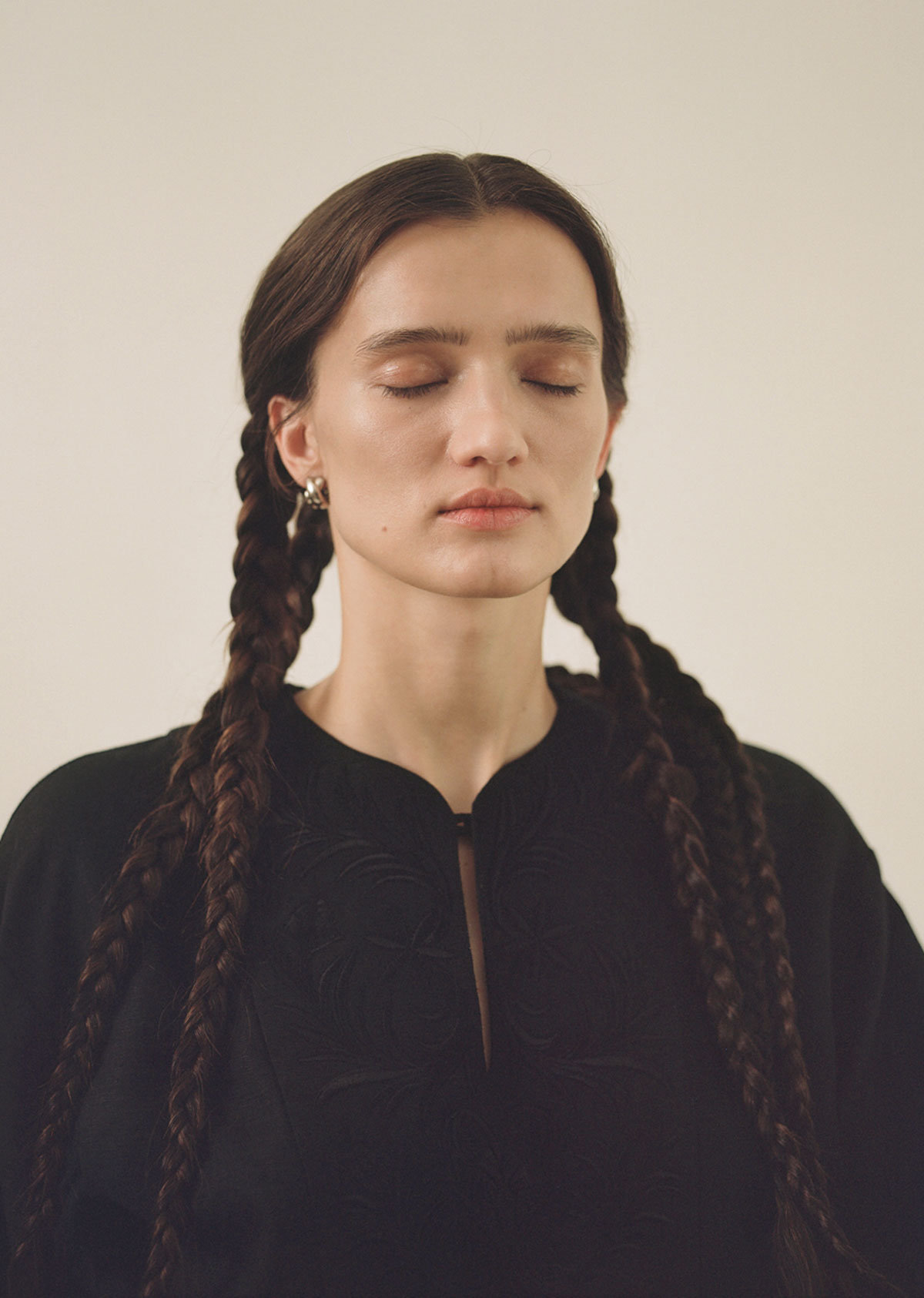
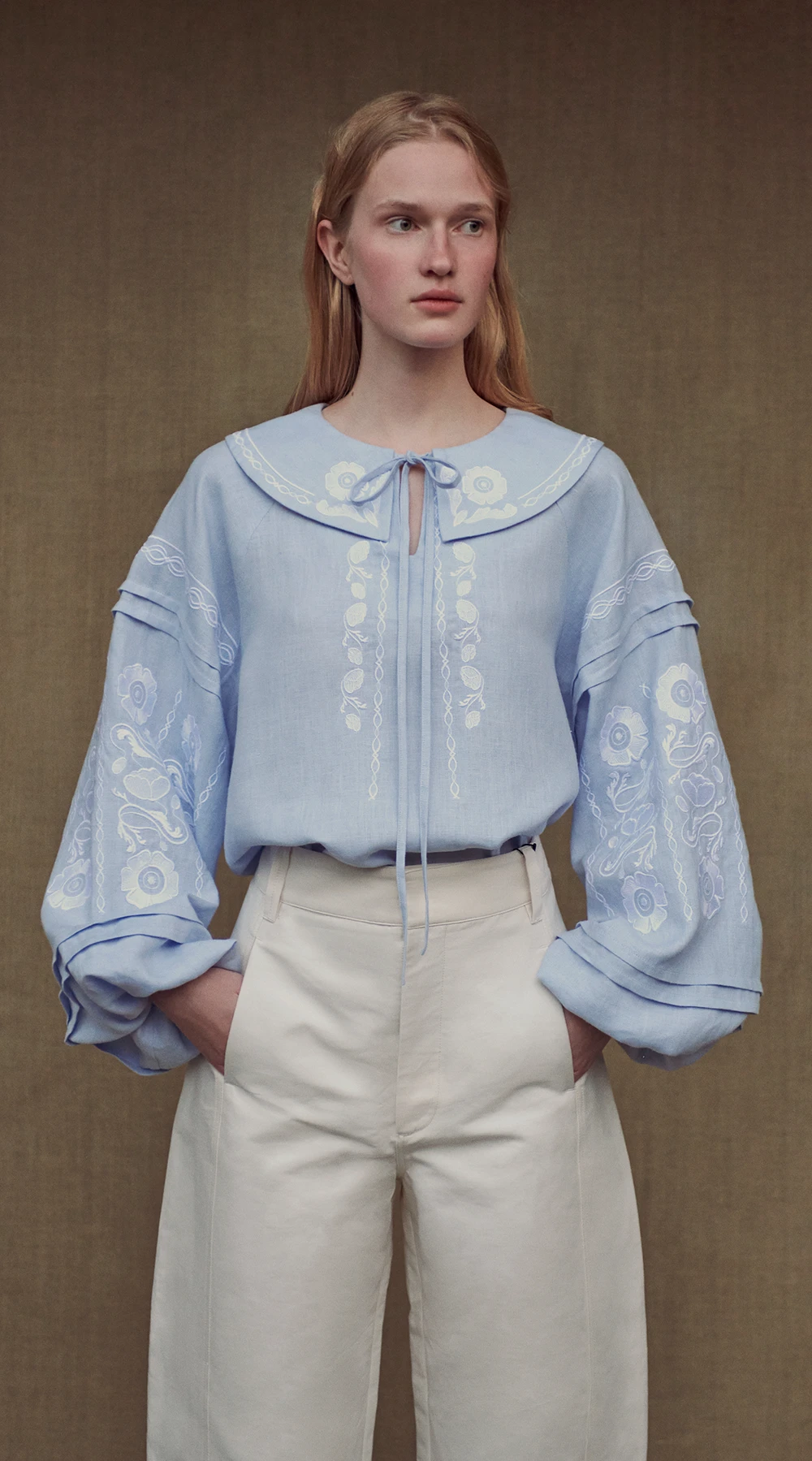
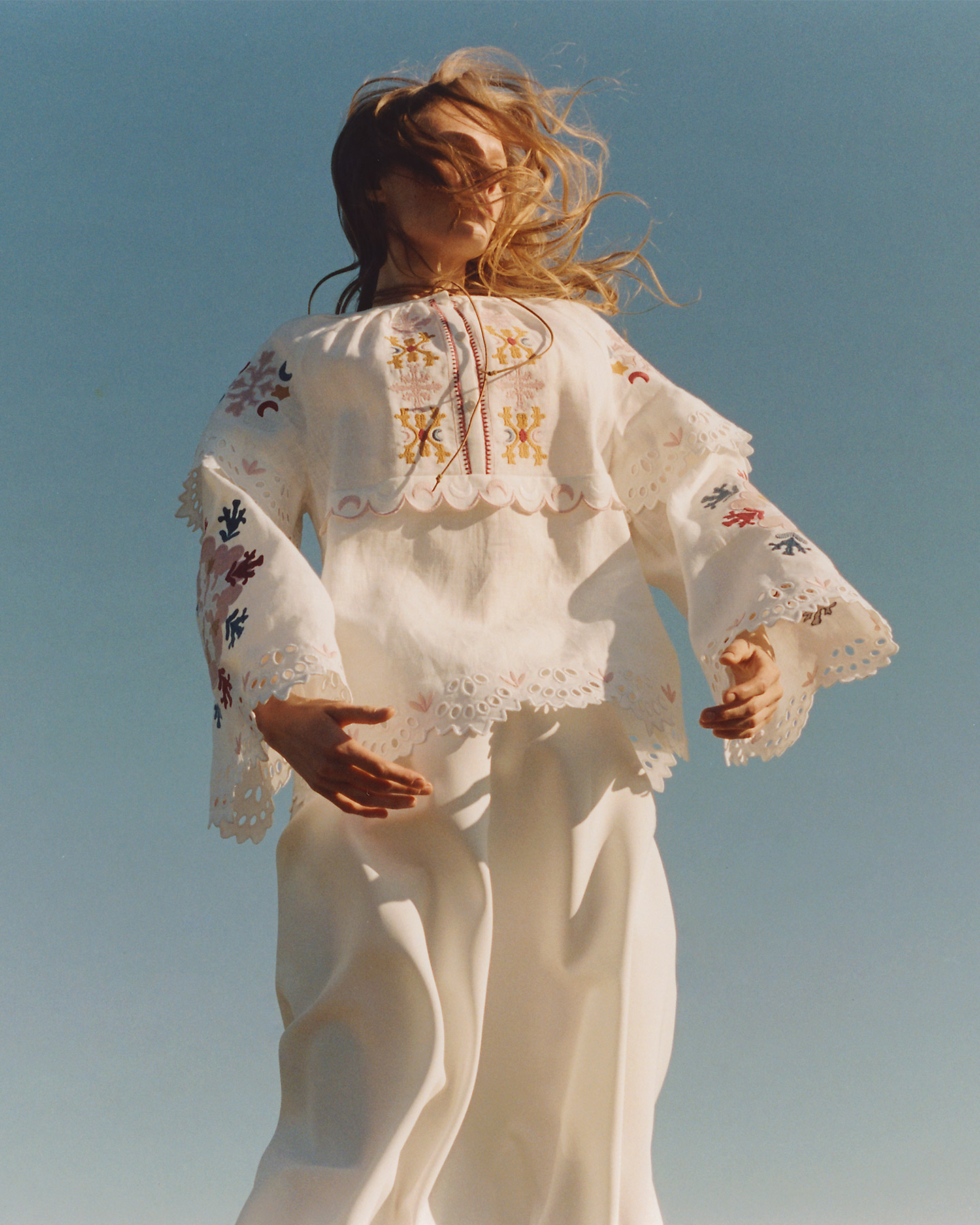
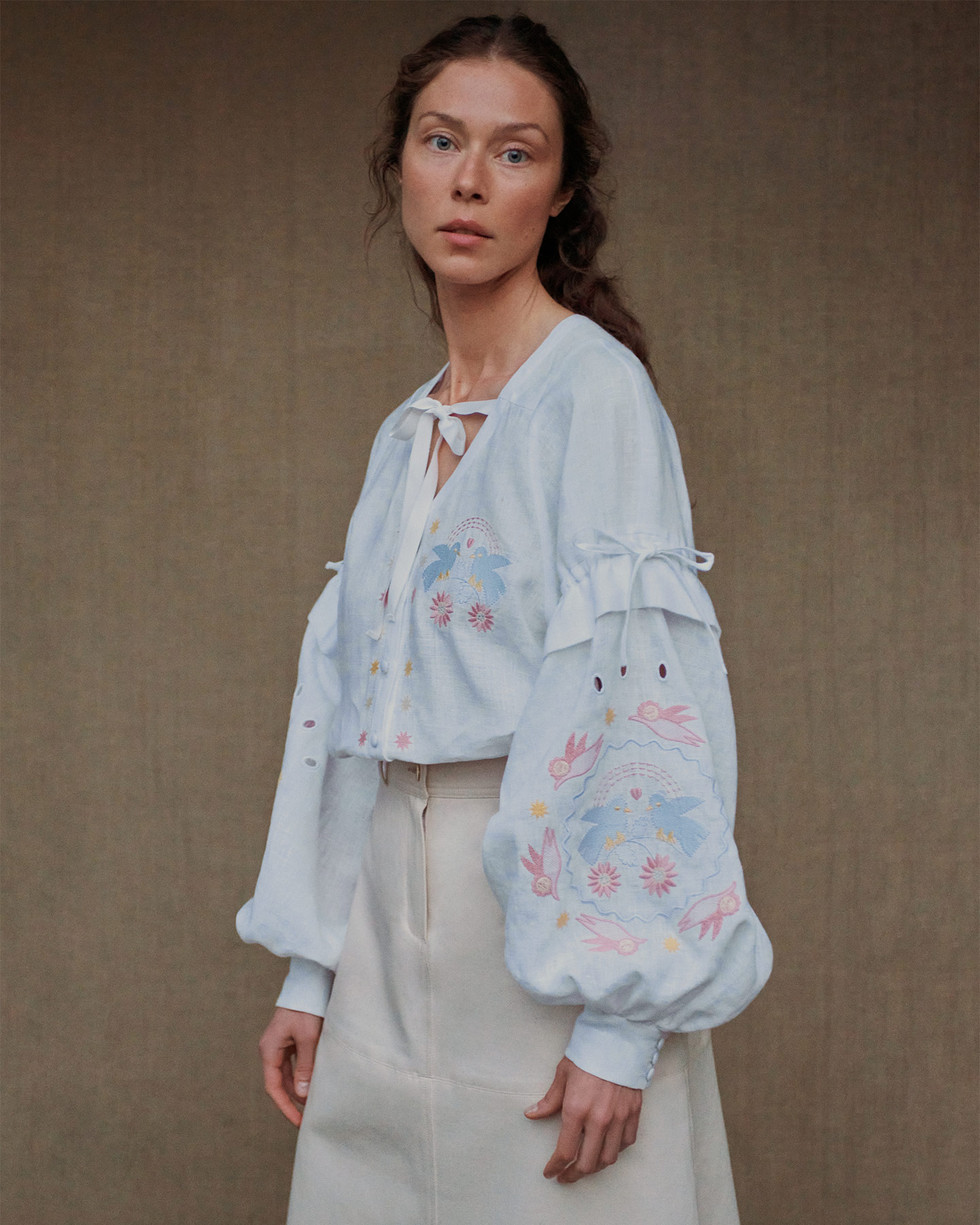
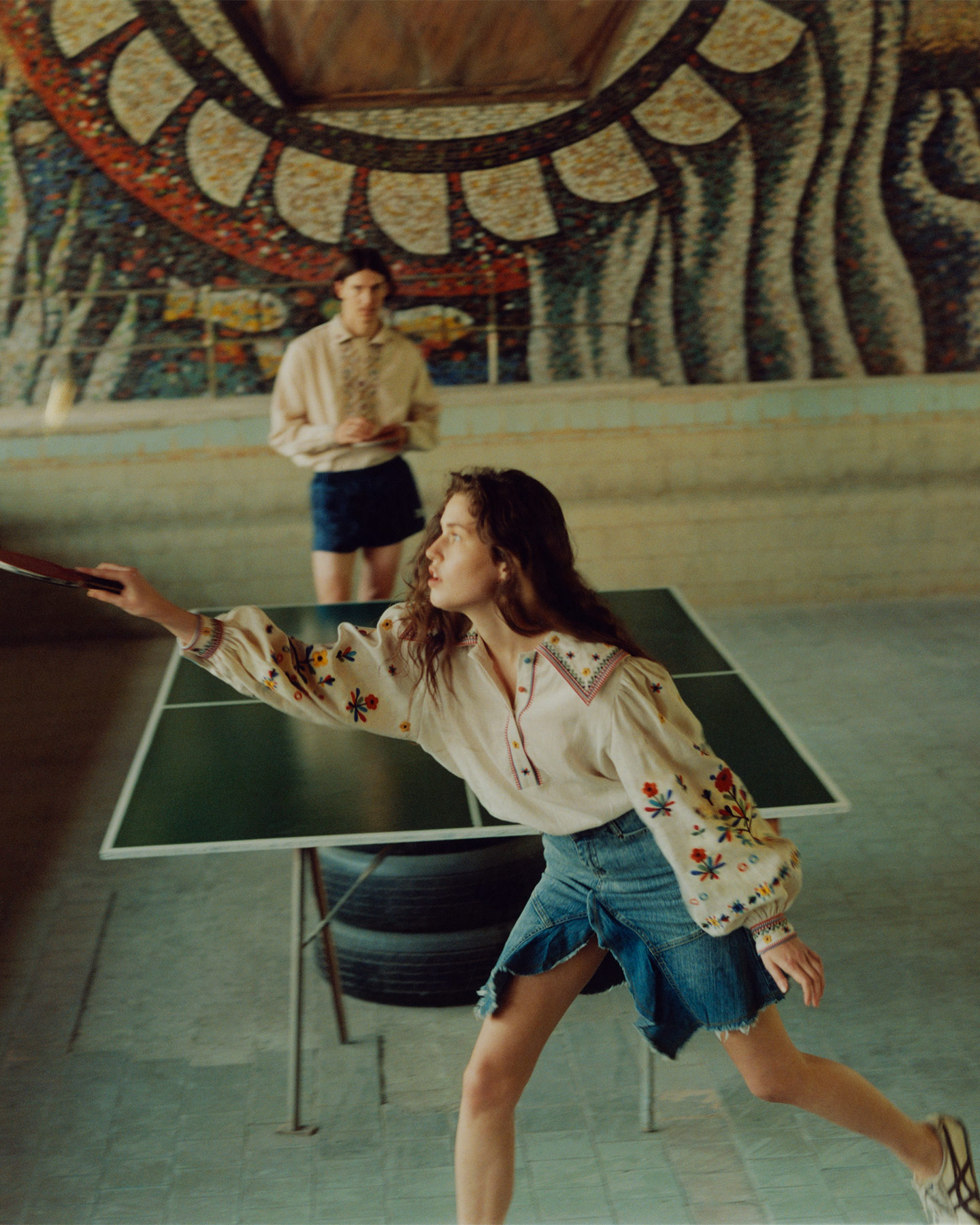
"Lesya’s Ornaments" blouse.
66
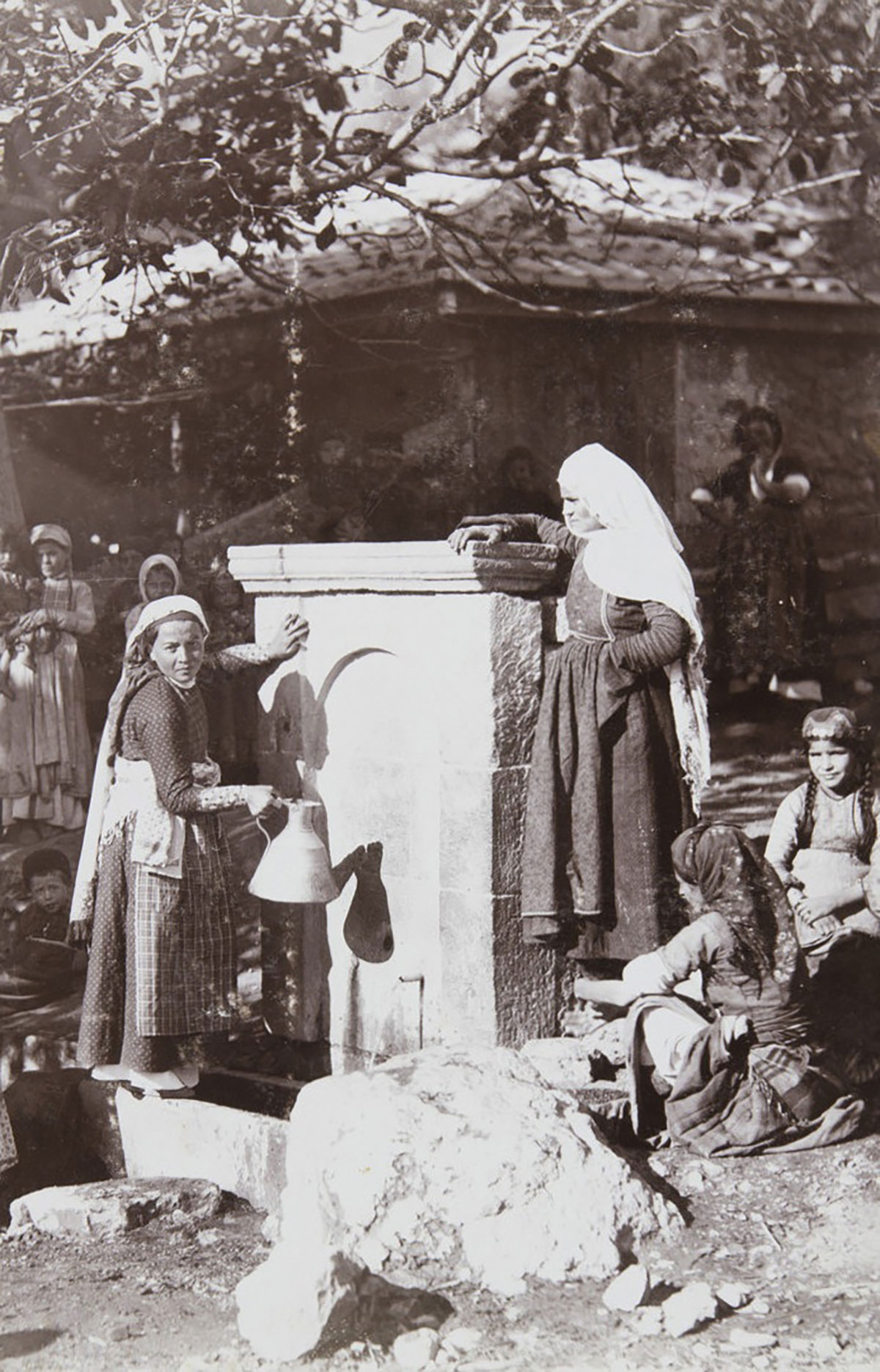
The Crimean Tatars cultivated a culture of deep respect for water, reflected in their creation of springs and fountains that served as vital community centers.
65
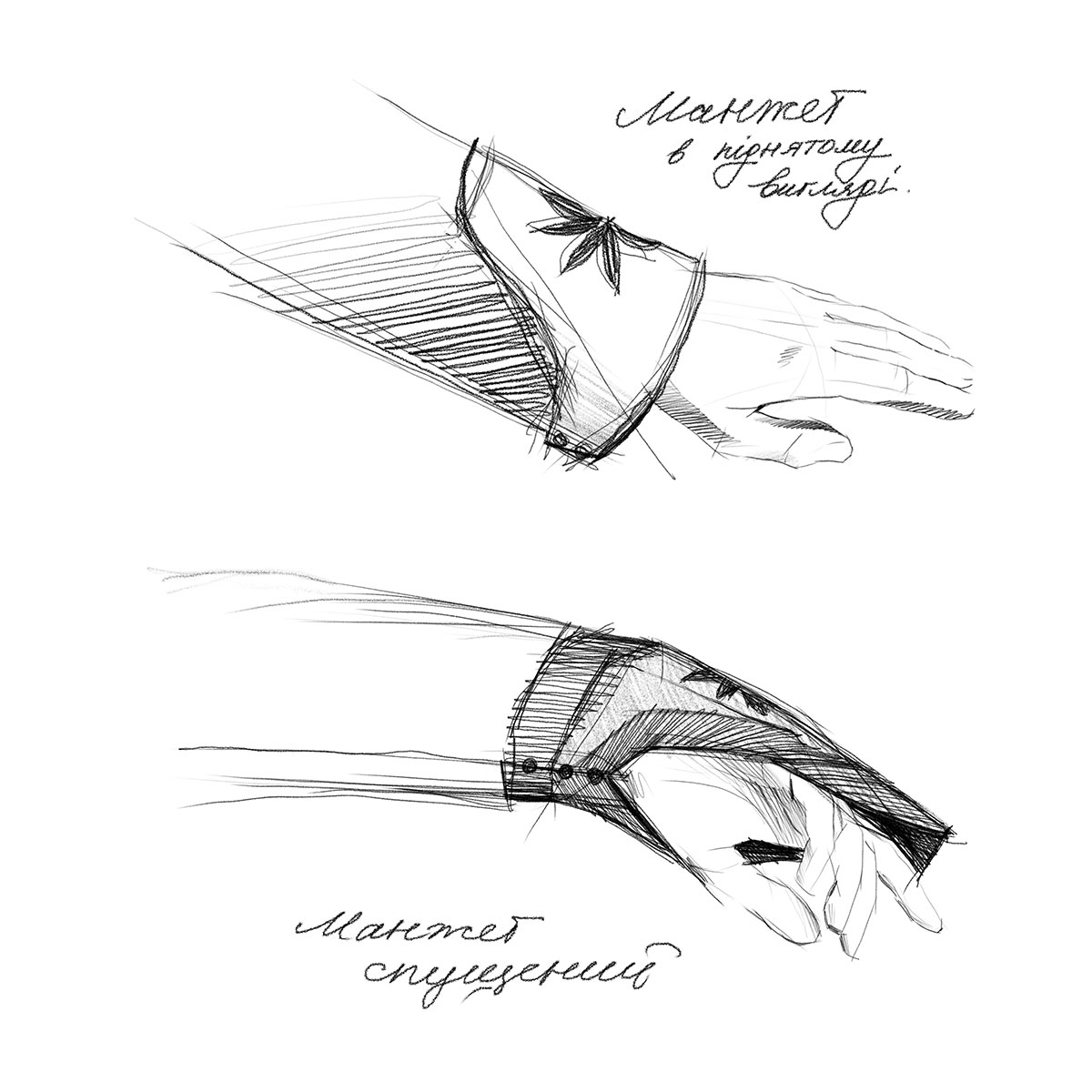
Sketch of the blouse cuff "Lesya's Ornaments".
17
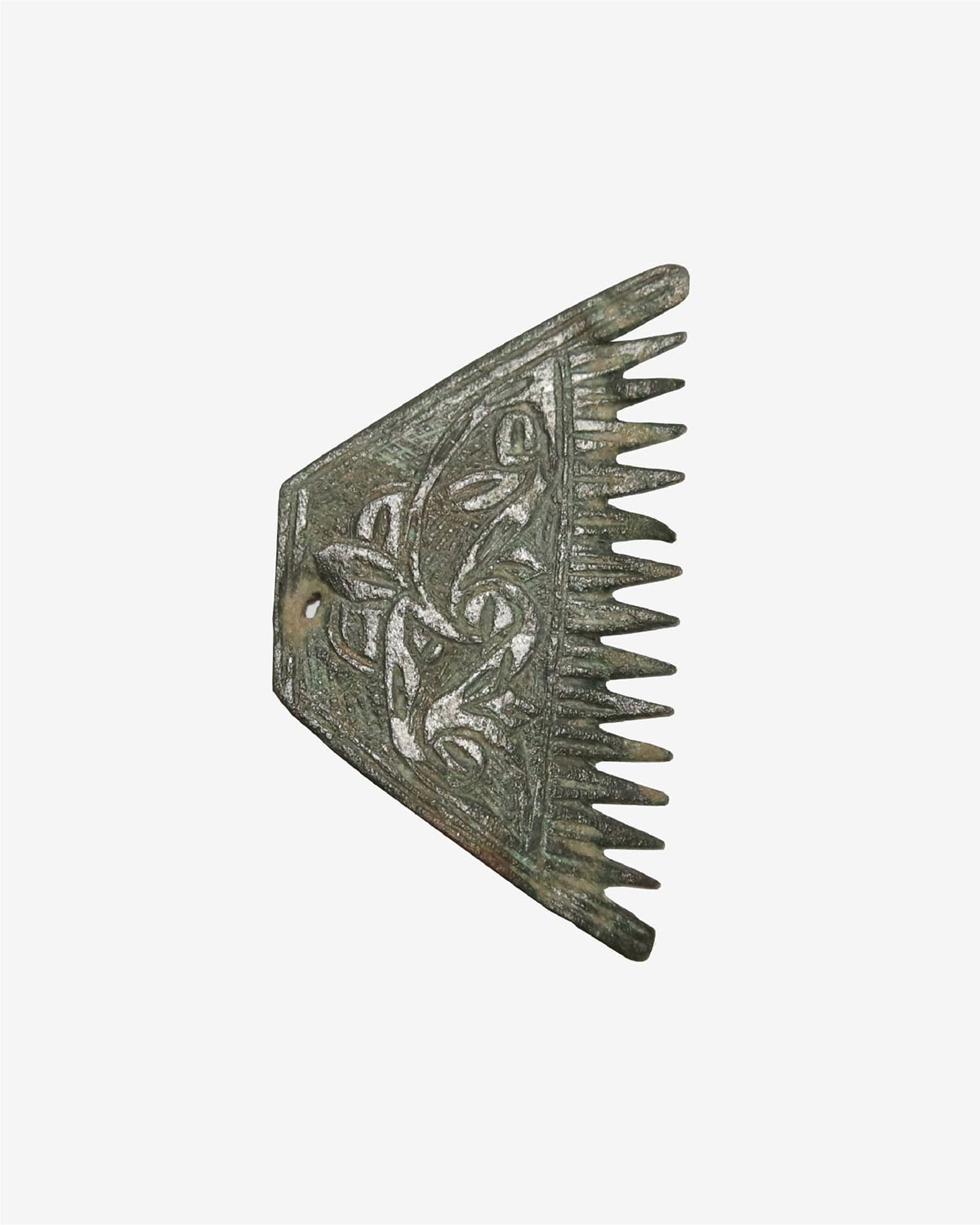
In traditional Crimean Tatar society, men shaved their heads completely and always kept mustaches, as a requirement of religious purity in Islam. To avoid washing their hair after each prayer, they removed all scalp hair and trimmed their mustaches so they would not cover the upper lip. Special combs were used for grooming: larger ones for beards and smaller ones for mustaches.
19
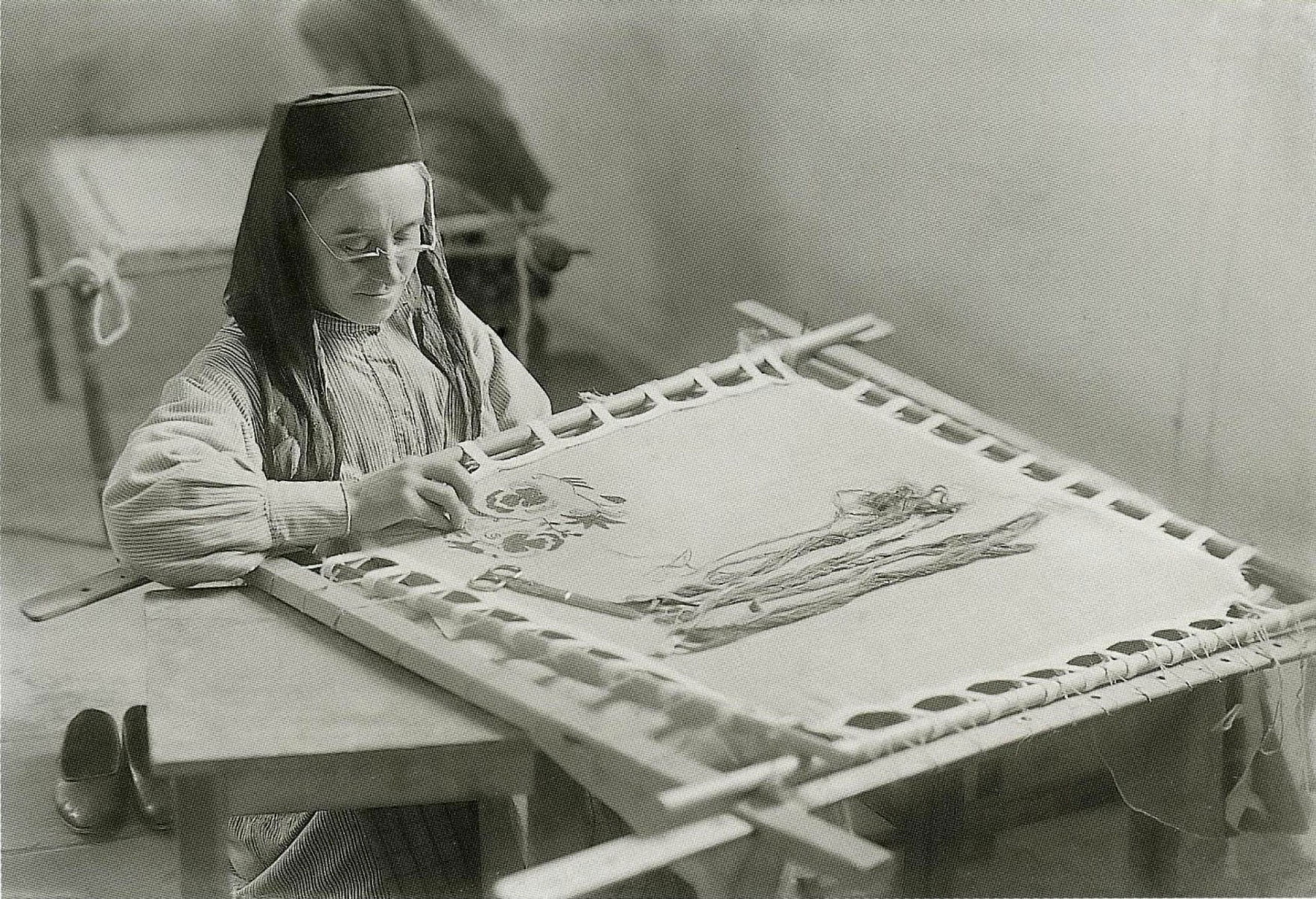
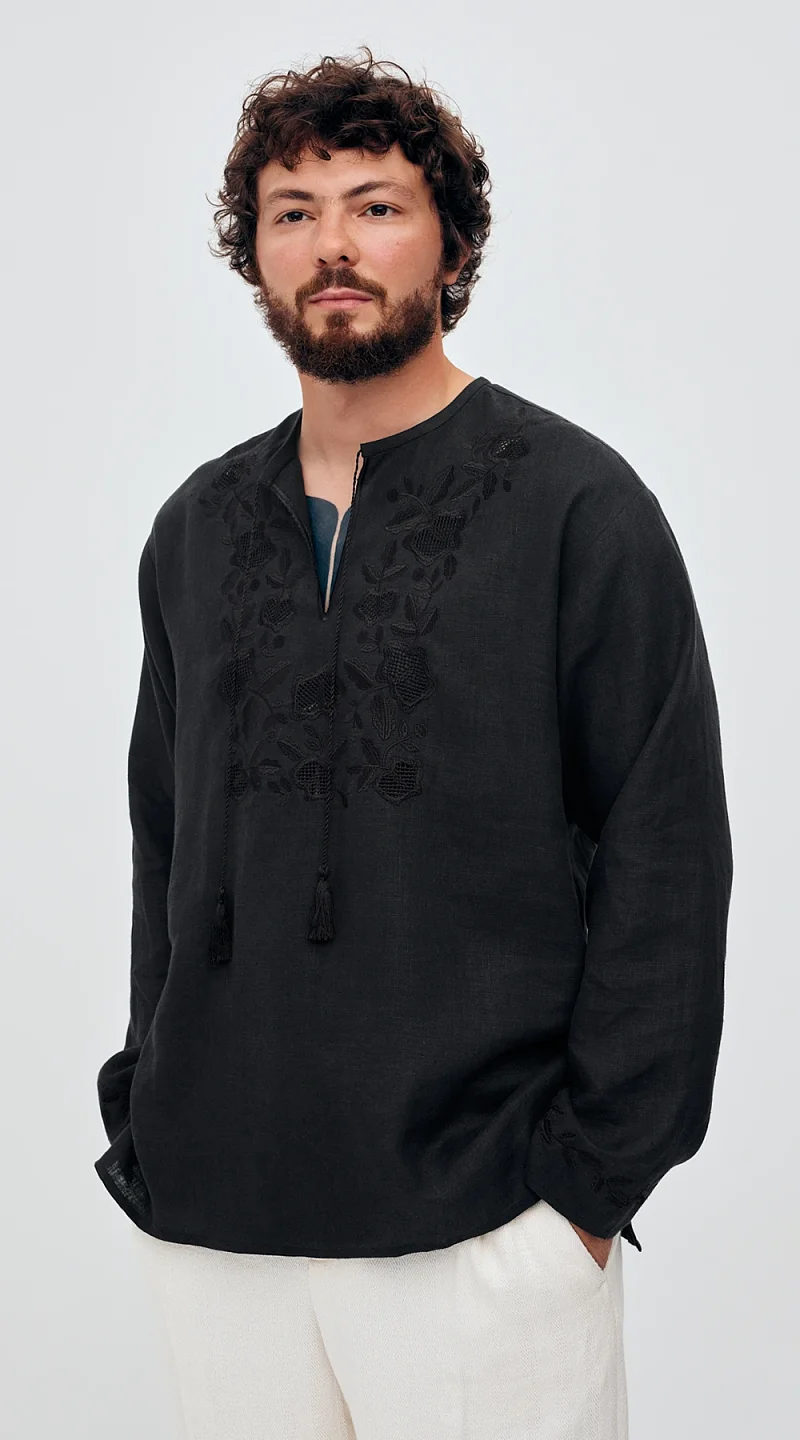
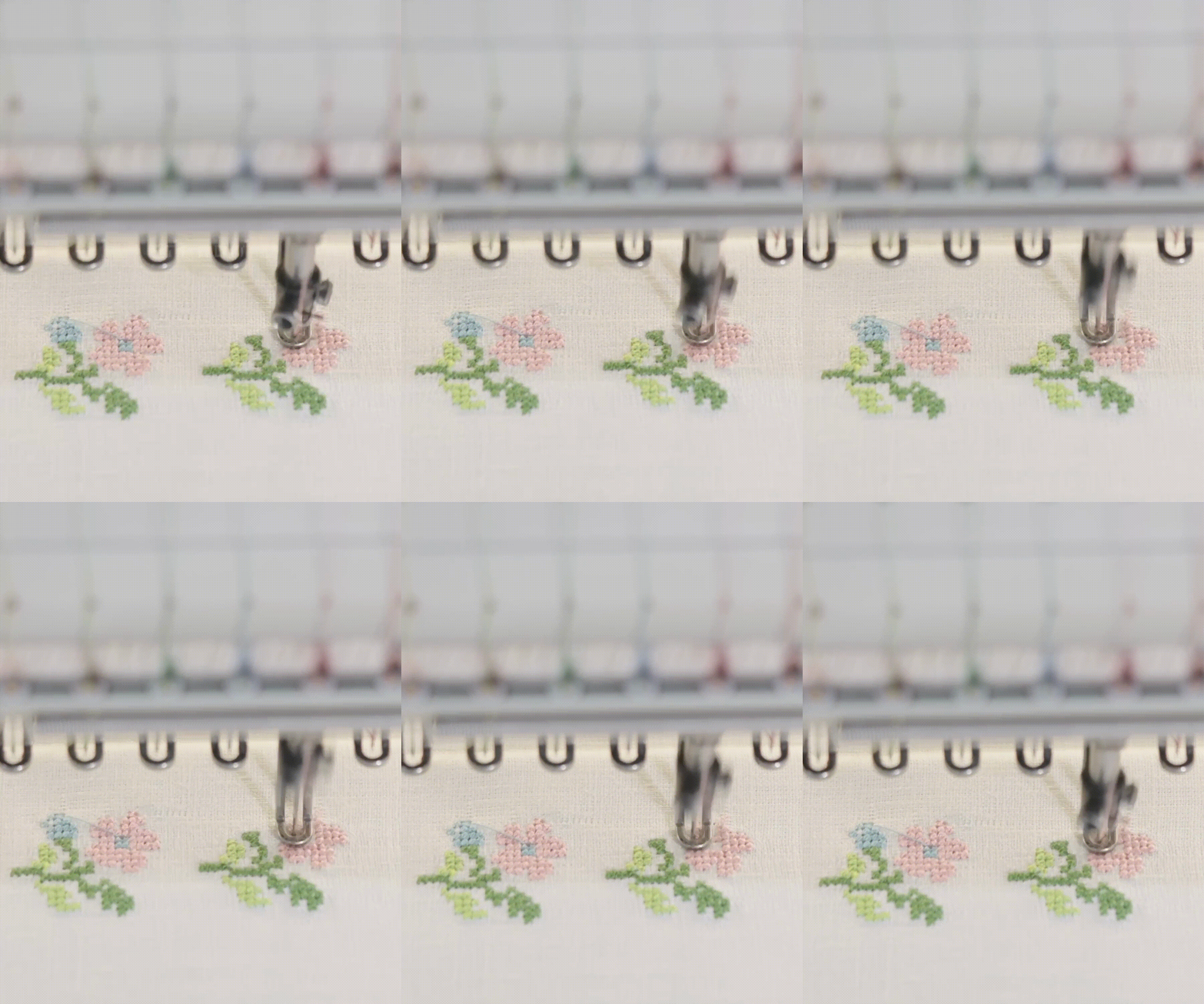
Tatar işləmə, the traditional double-sided Crimean Tatar embroidery, includes over 60 types of stitches. It stands out with a sophisticated palette of pastel tones paired with gold and silver threads.
64
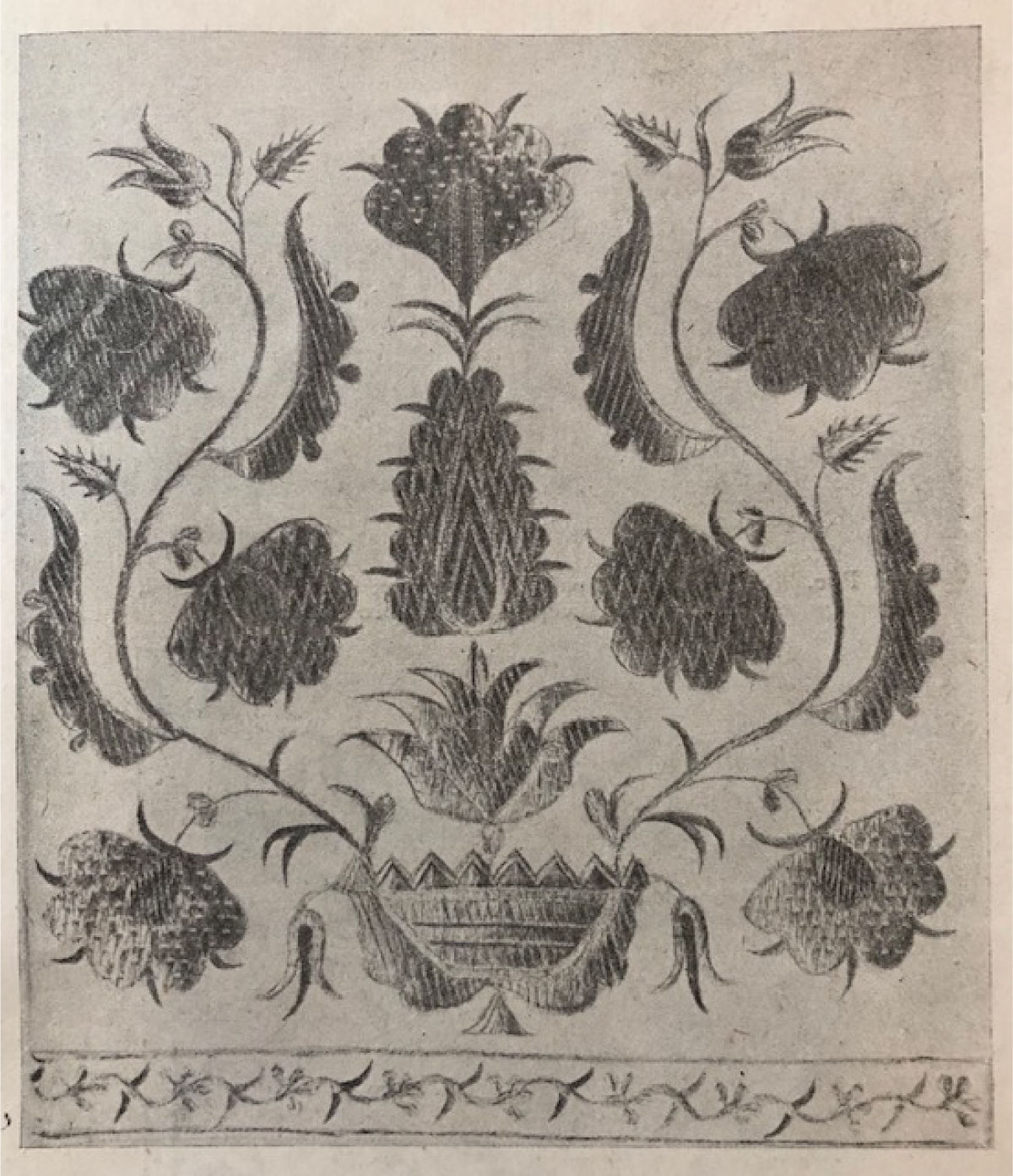
Adaviye Efendiyeva said, “Menim fikirlirim – menim Örneklirim” (“My patterns are my thoughts”), perceiving each pattern as a reflection of her inner world.
24
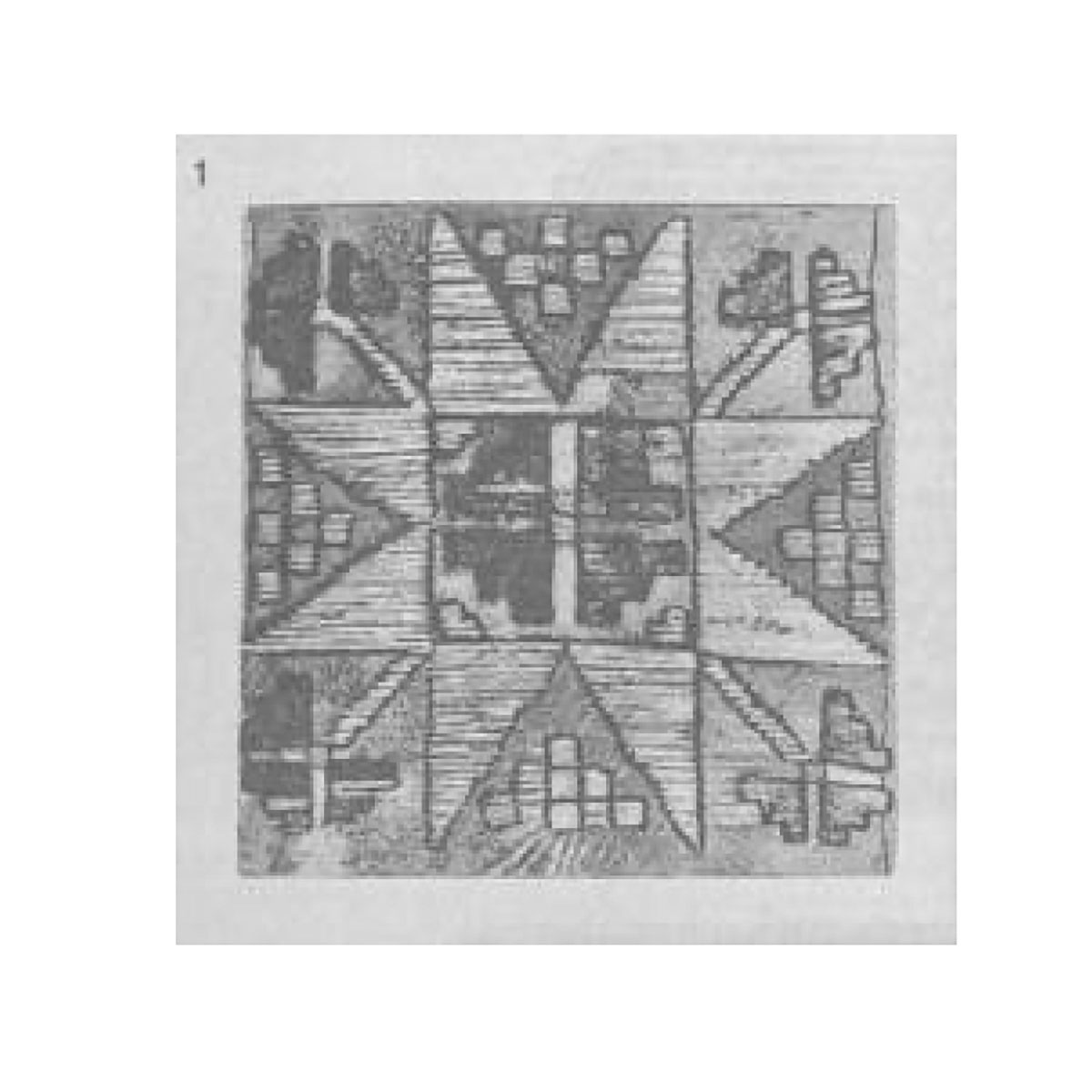
Pattern sketch based on a woven textile sample. Crimea, Yevpatoriia, 1930s.
Source: “Clothing of the Crimean Tatars, late 18th – early 20th century”.
Source: “Clothing of the Crimean Tatars, late 18th – early 20th century”.
18
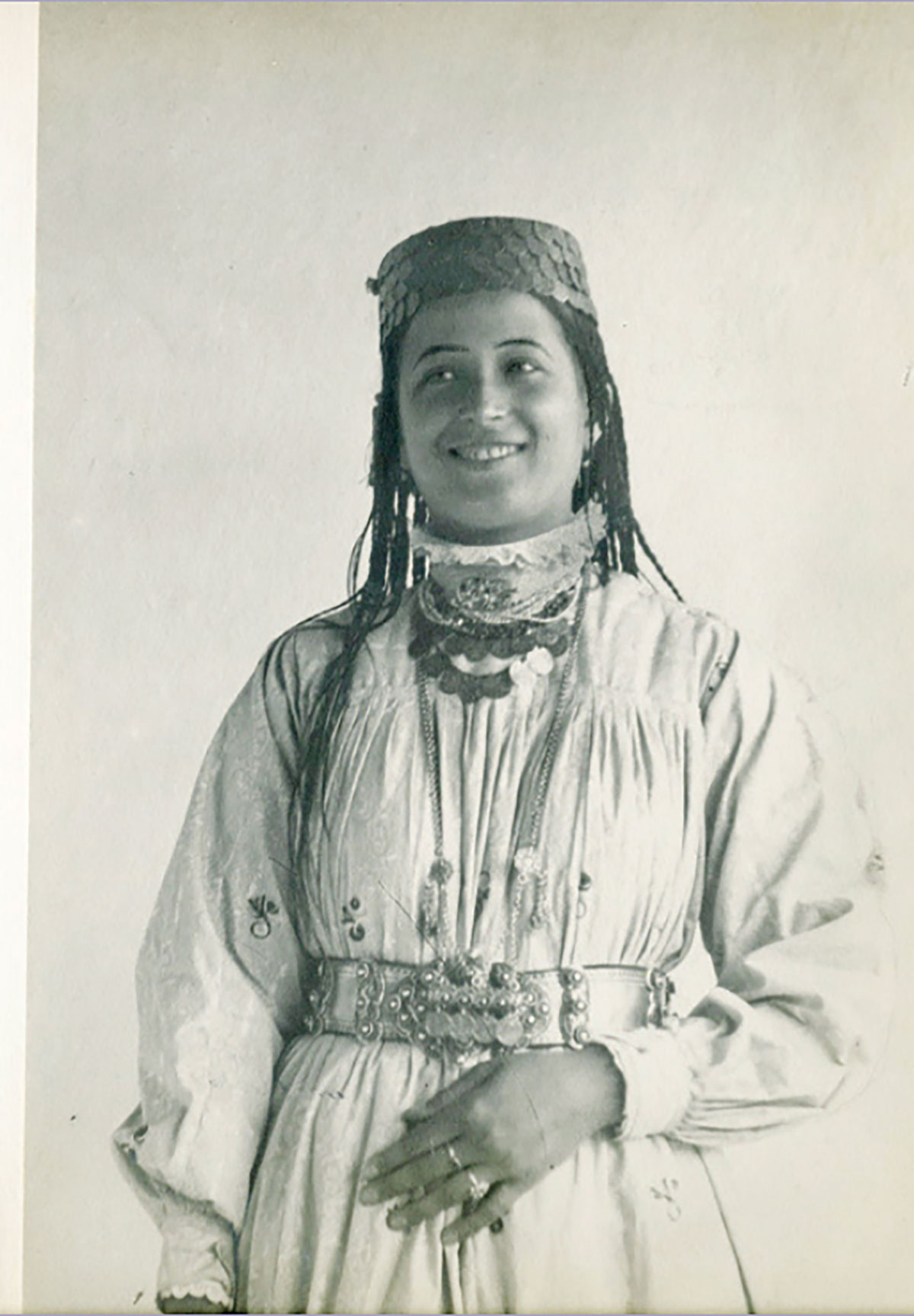
Kushak is a woman’s belt. In the late 19th and early 20th centuries, wedding belts with buckles were a vital part of Crimean Tatar women’s attire. Worn from childhood, these belts were included in the dowry and treasured as family heirlooms. The materials used, decorative motifs, and the complexity of the embellishments served as indicators of the family’s social status.
20
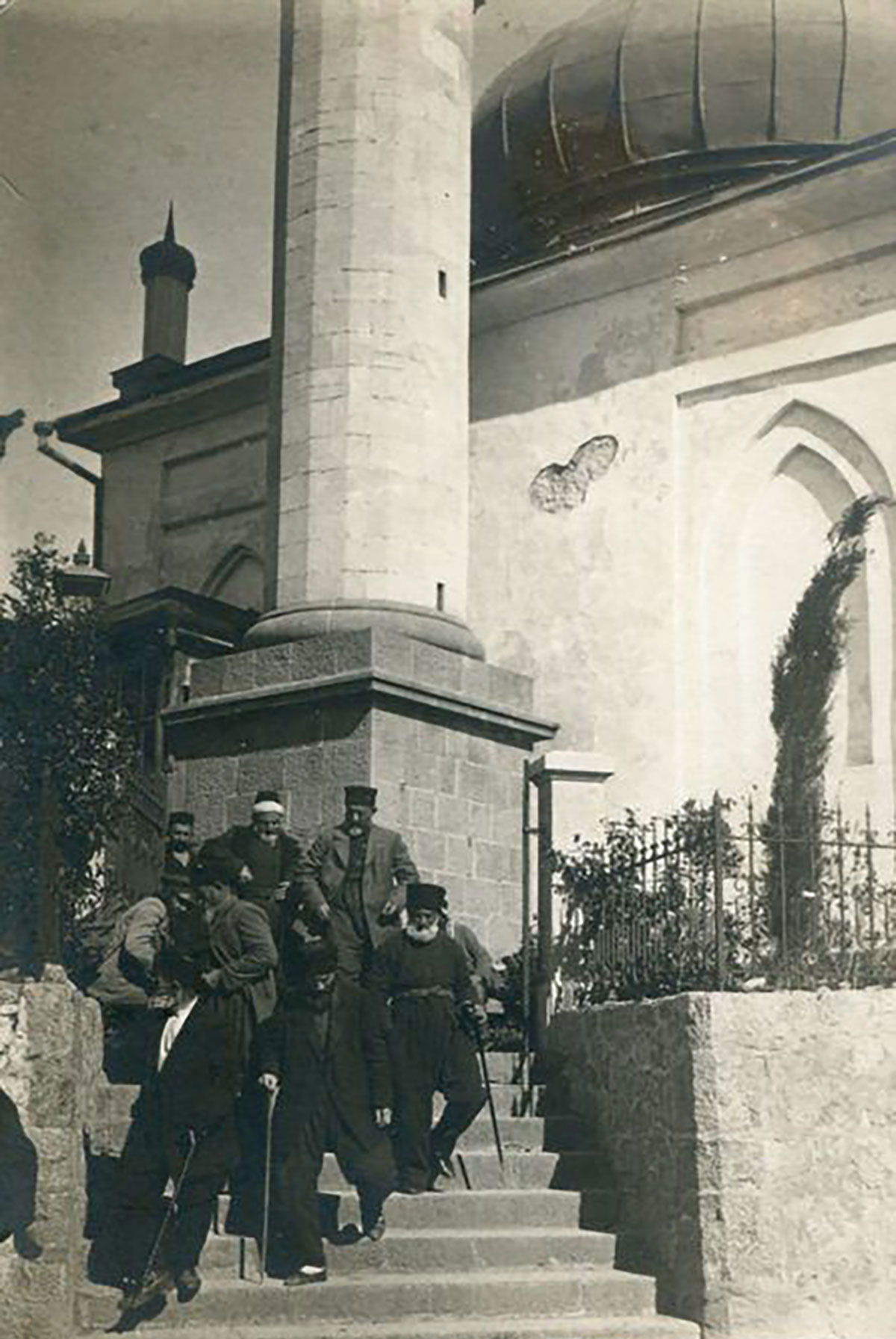
Mosque in the city of Alupka.
21
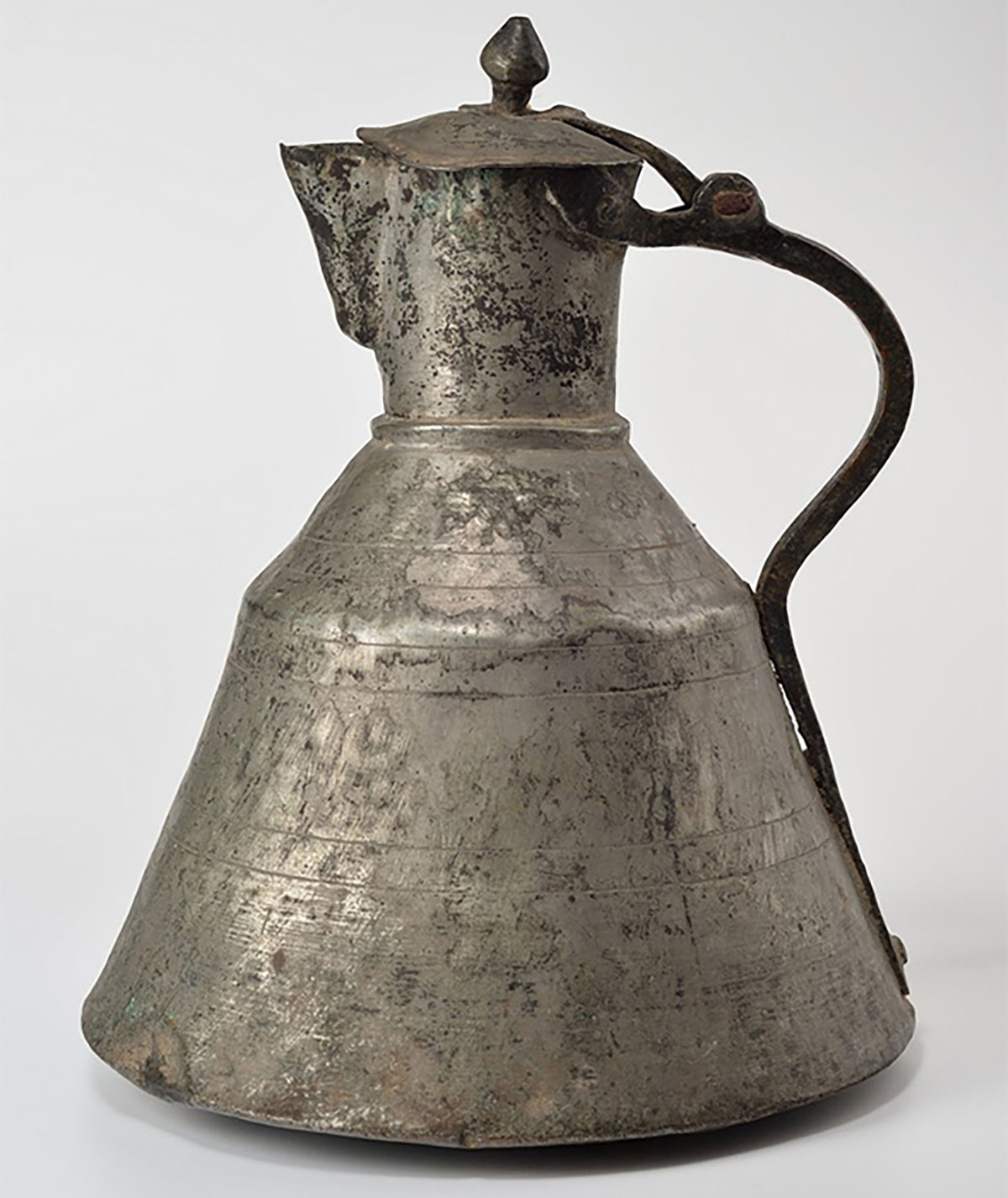
Gugyum, a copper jug, was used to carry water from springs. Its wide base and narrow neck ensured stability on mountain paths, making it easy to carry on the shoulder and set down without spilling.
25
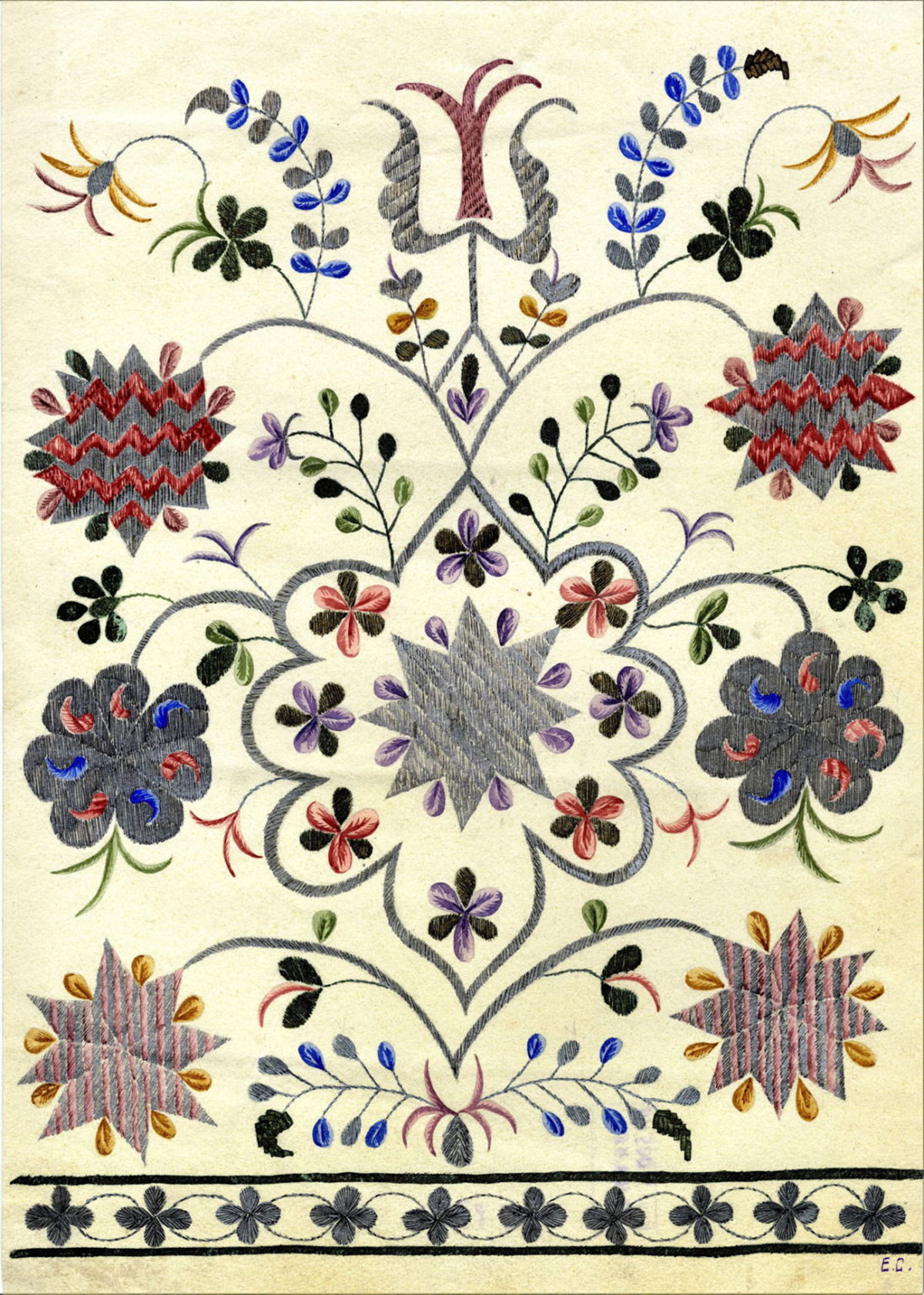
Yevheniia Spaska is a Ukrainian art historian, ethnographer, and scientist who has saved hundreds of traditional folk patterns from fading into oblivion, including the art of Crimean Tatar embroidery. Her unwavering dedication ensured the preservation of the Alexandra Petrova collection, boasting over 700 original drawings and 400 detailed sketches, now recognized as one of the most treasured collections of Crimean Tatar patterns.
26
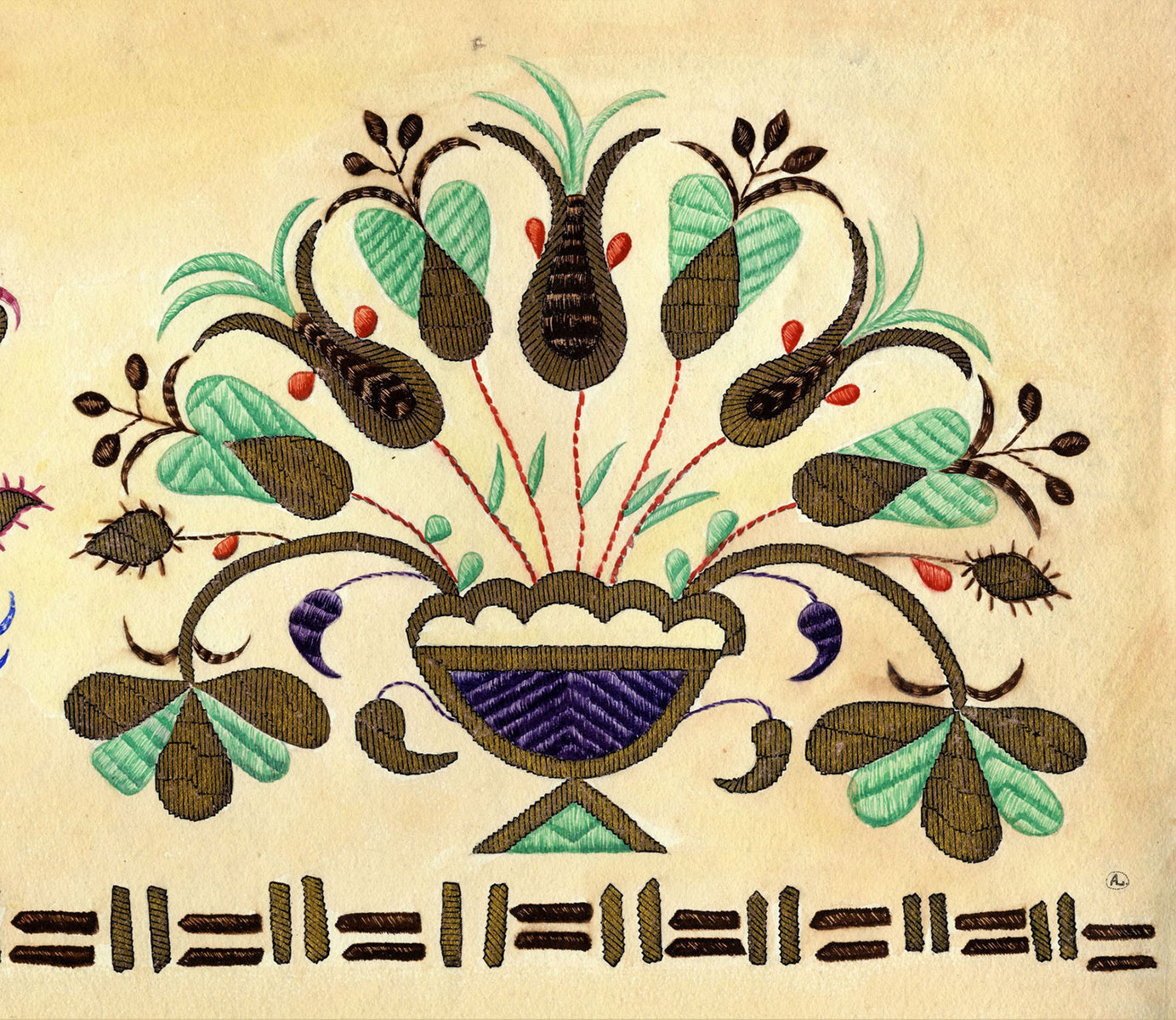
Towel embroidery pattern. Fragment. Artist: A.A. Saks (de Lens).
29
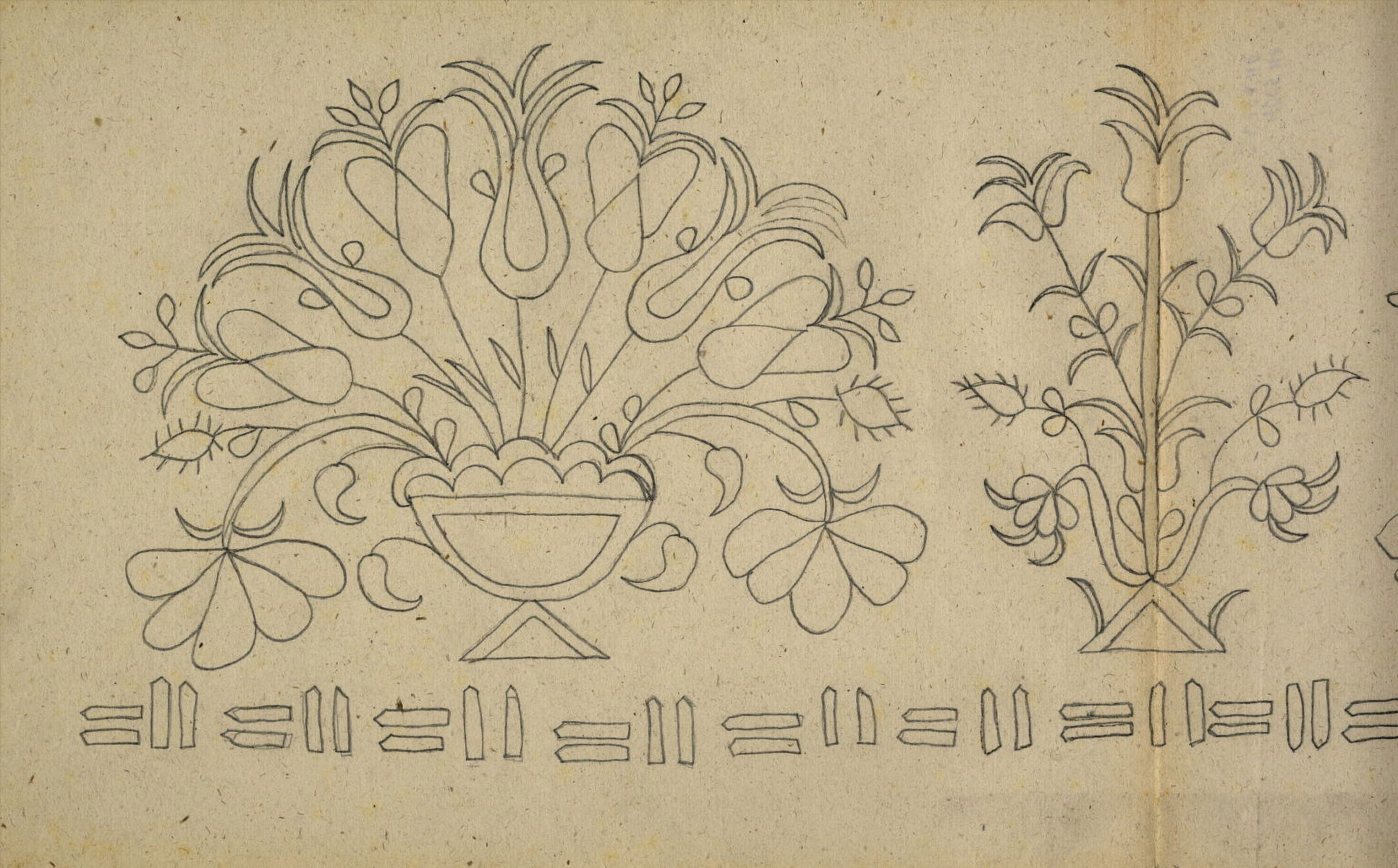
Towel embroidery pattern. Fragment. Artist: A.A. Saks (de Lens).
23
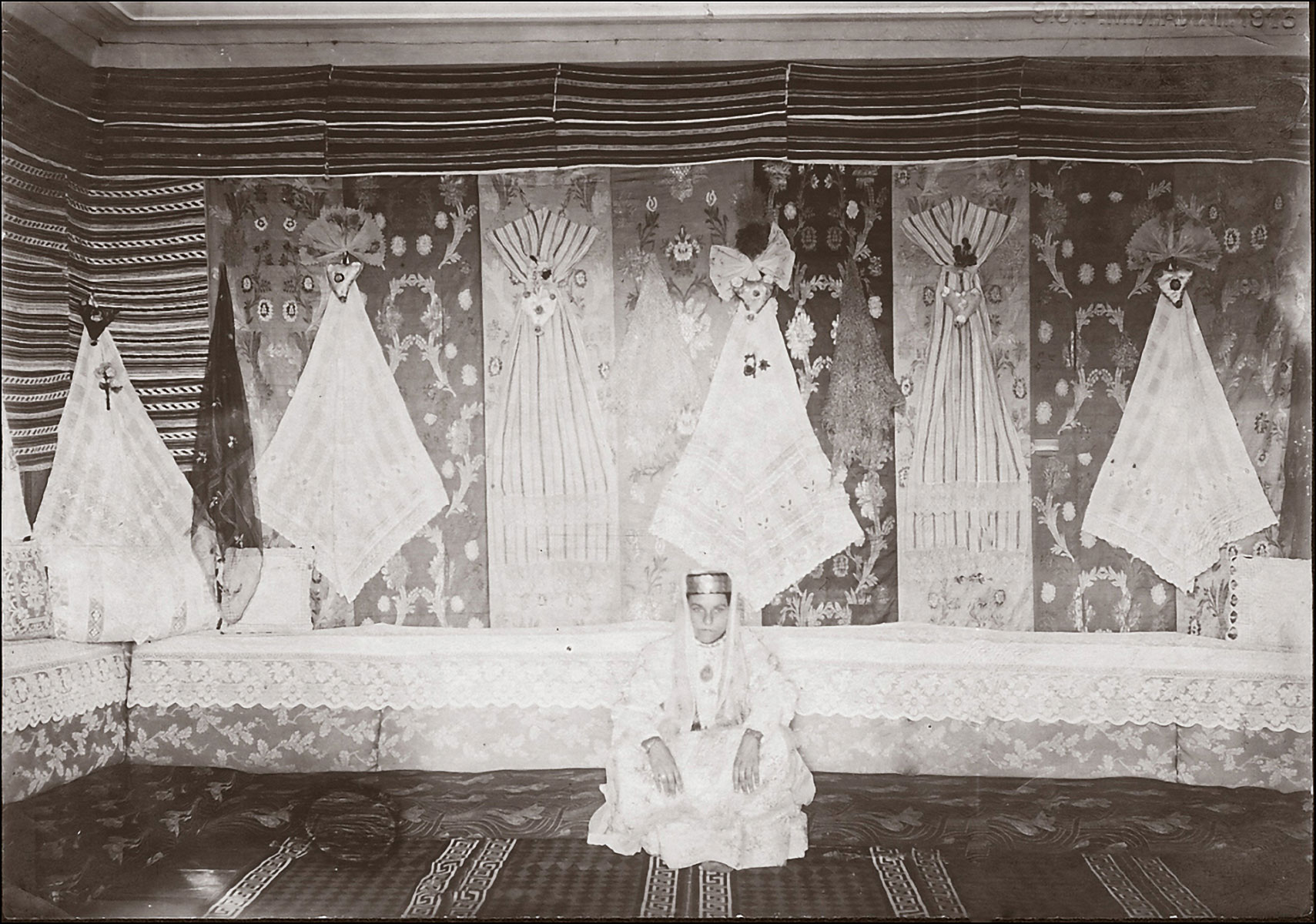
The bride’s room stood out for its exceptionally rich decoration. Before the wedding, the bride, together with her friends, hand-embroidered hundreds of household items for her dowry. On the wedding day, the room was adorned with cords hung with embroidered fabrics and garments, weaving a vibrant festive frame that embraced the entire space.
22
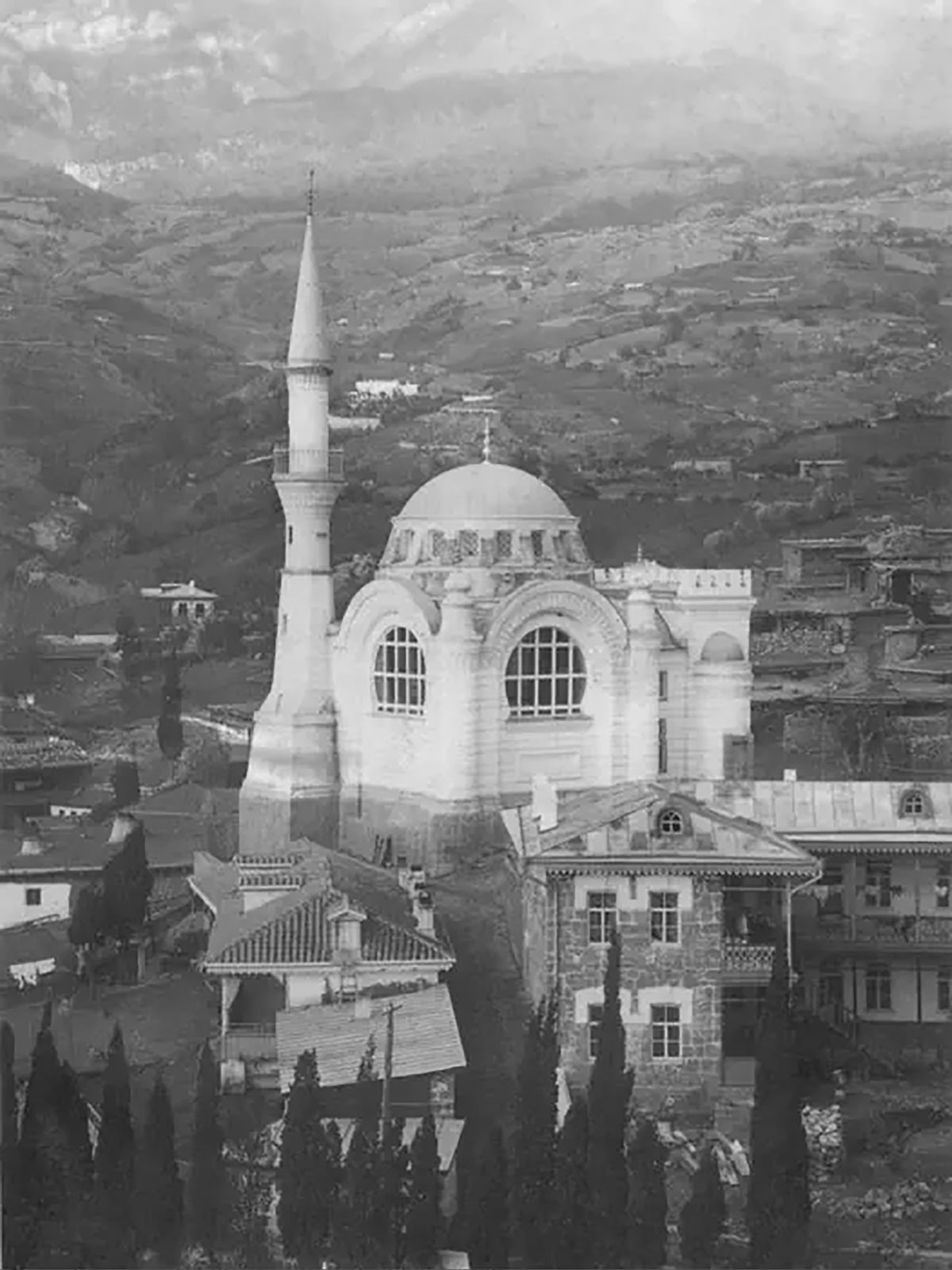
Ayya-Sofiya Mosque. Crimea, Gurzuf, 1905–1910.
35
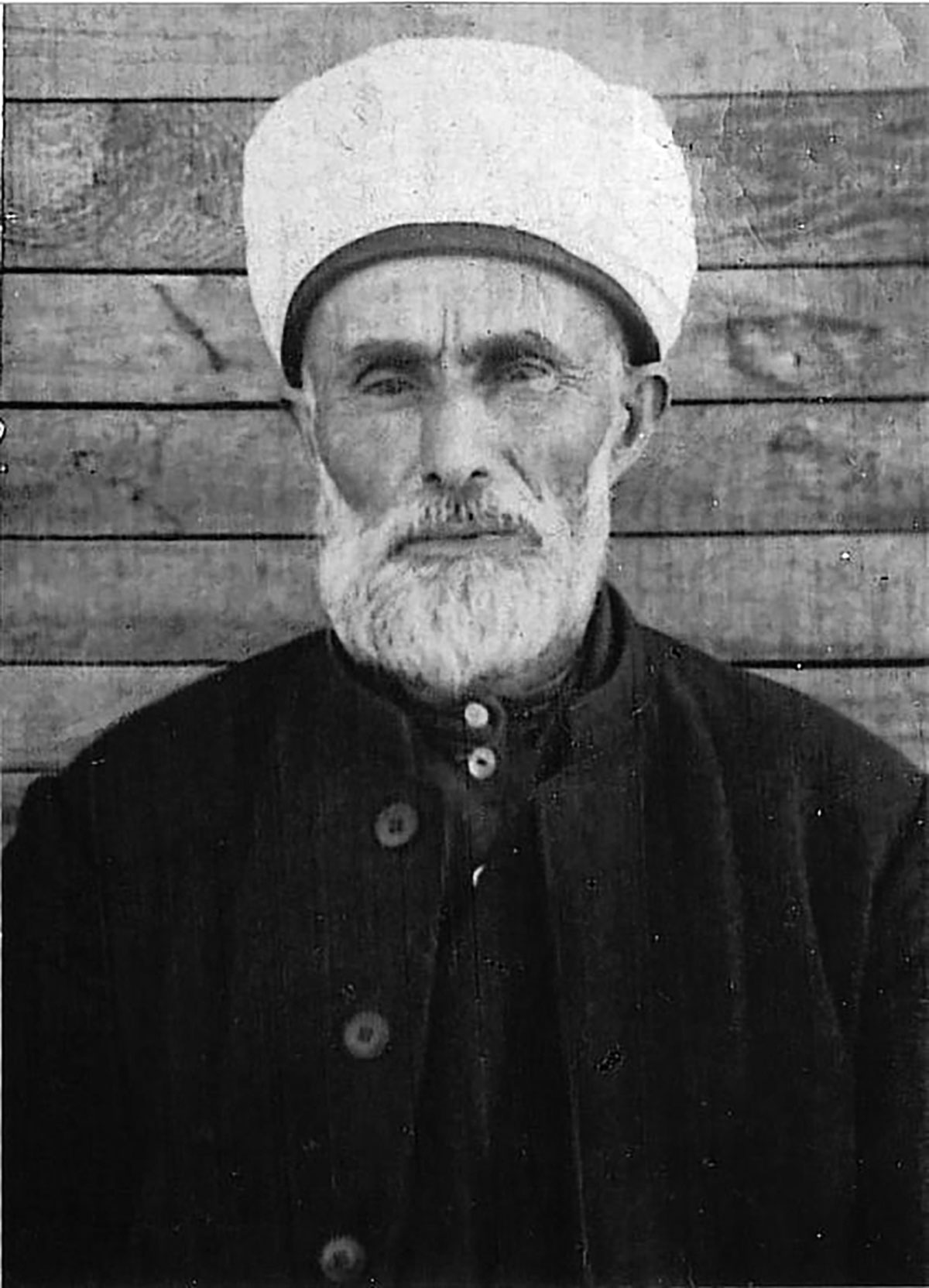
Hadzhi Islam Devlet. Source.
27
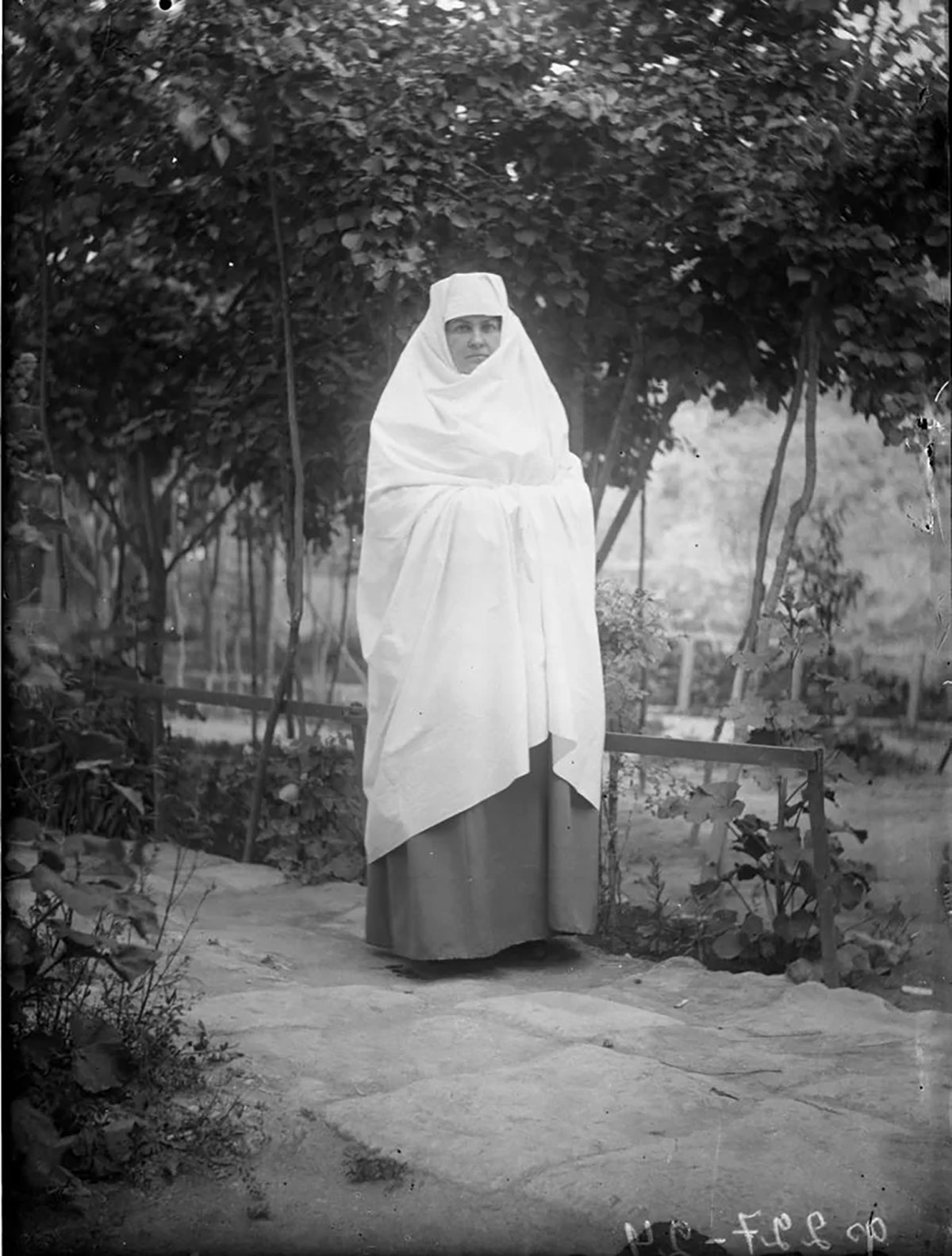
Age differences in Crimean Tatar women’s costumes were primarily reflected in the length of outerwear and color palette. The older the woman, the longer her anter dress and main head covering, the marama. Elderly women favored dark clothing paired with white headwear, while younger and single women opted for lighter, brighter shades.
28
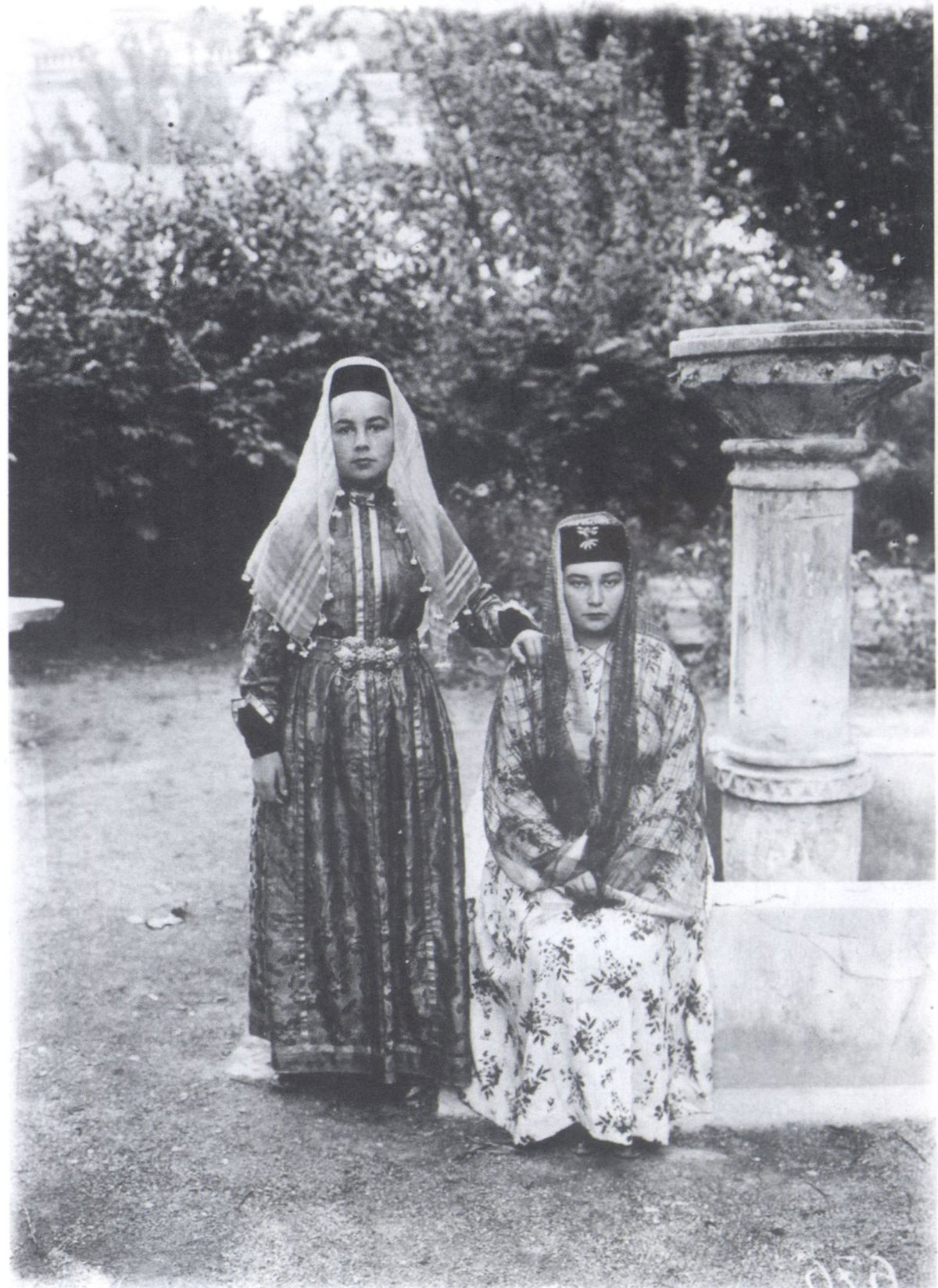
Girls in the Embassy Garden of the Khan’s Palace. Bakhchysarai, 1920s.
30
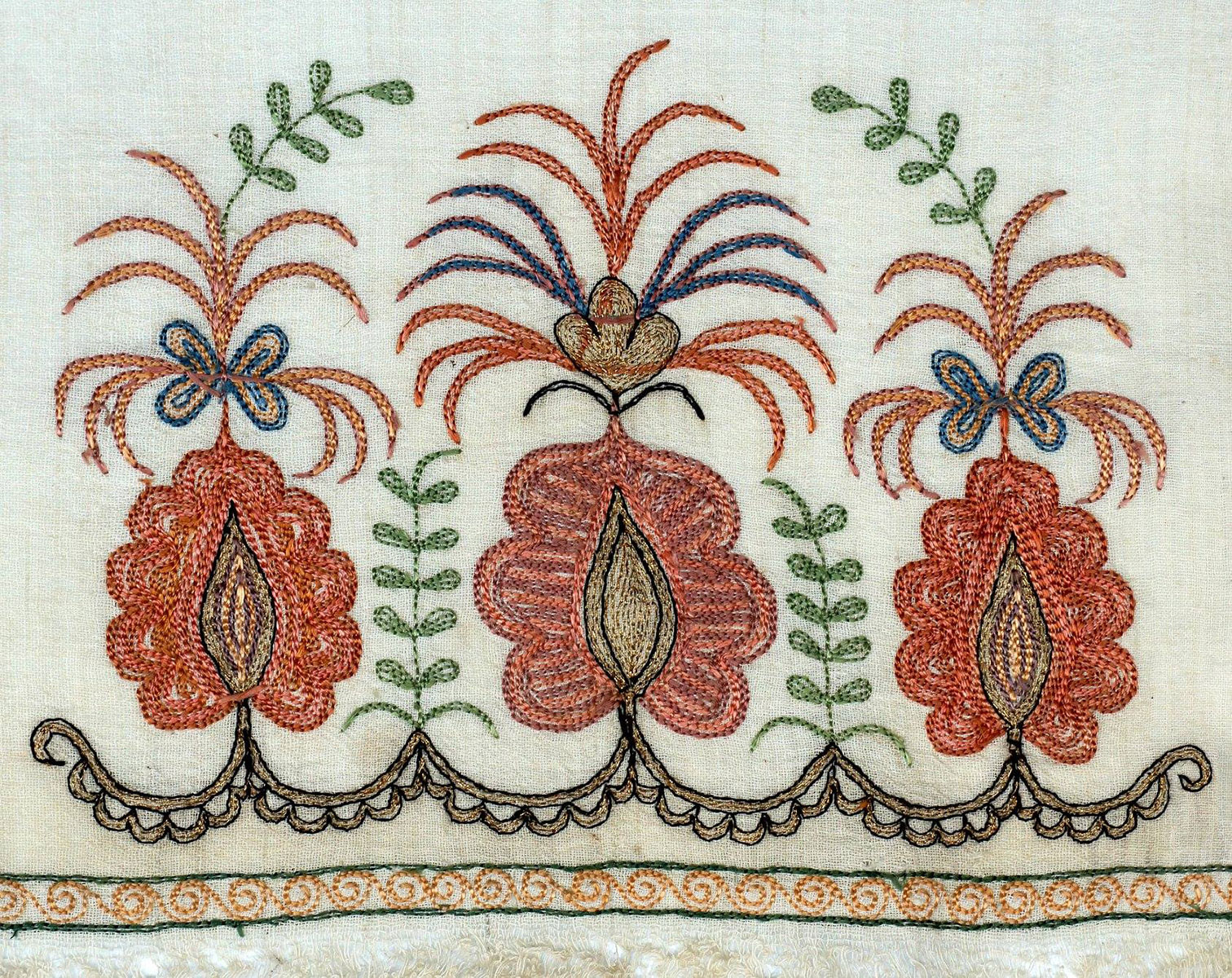
Evdzhiyar - ornamental towel. Crimea, late 19th – early 20th century. Source: National Museum of Ukrainian Folk Decorative Art.
34
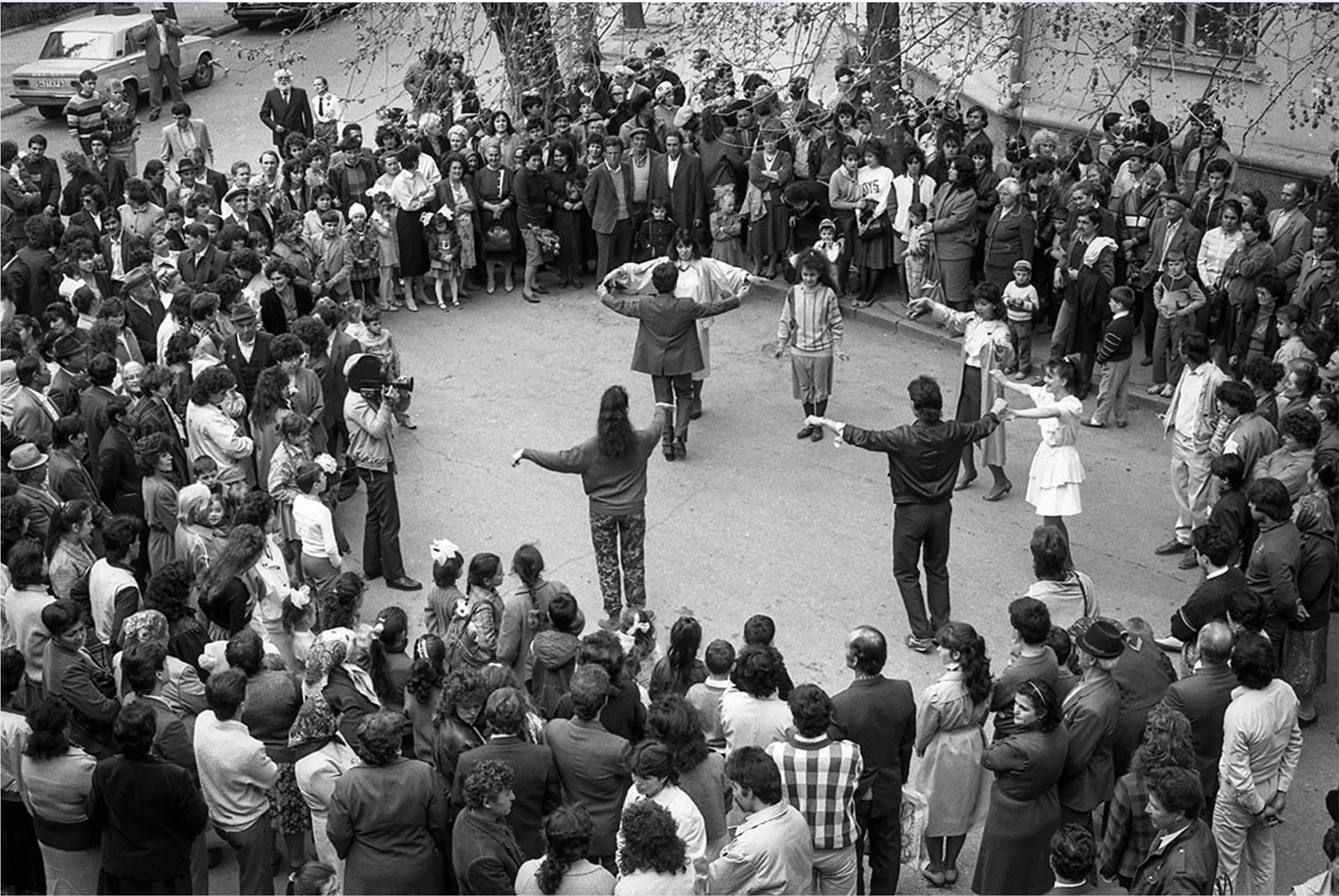
Crimean Tatar theatrical traditions date back to the 15th century, when adventurous plays with eastern flair were performed at the khan’s palaces. The Crimean Tatar Drama Theater opened in Simferopol in 1923 and flourished throughout the 1920s and 1930s until it was closed during Stalinist repression. It was revived in 1990 and today holds the status of an academic theater.
32
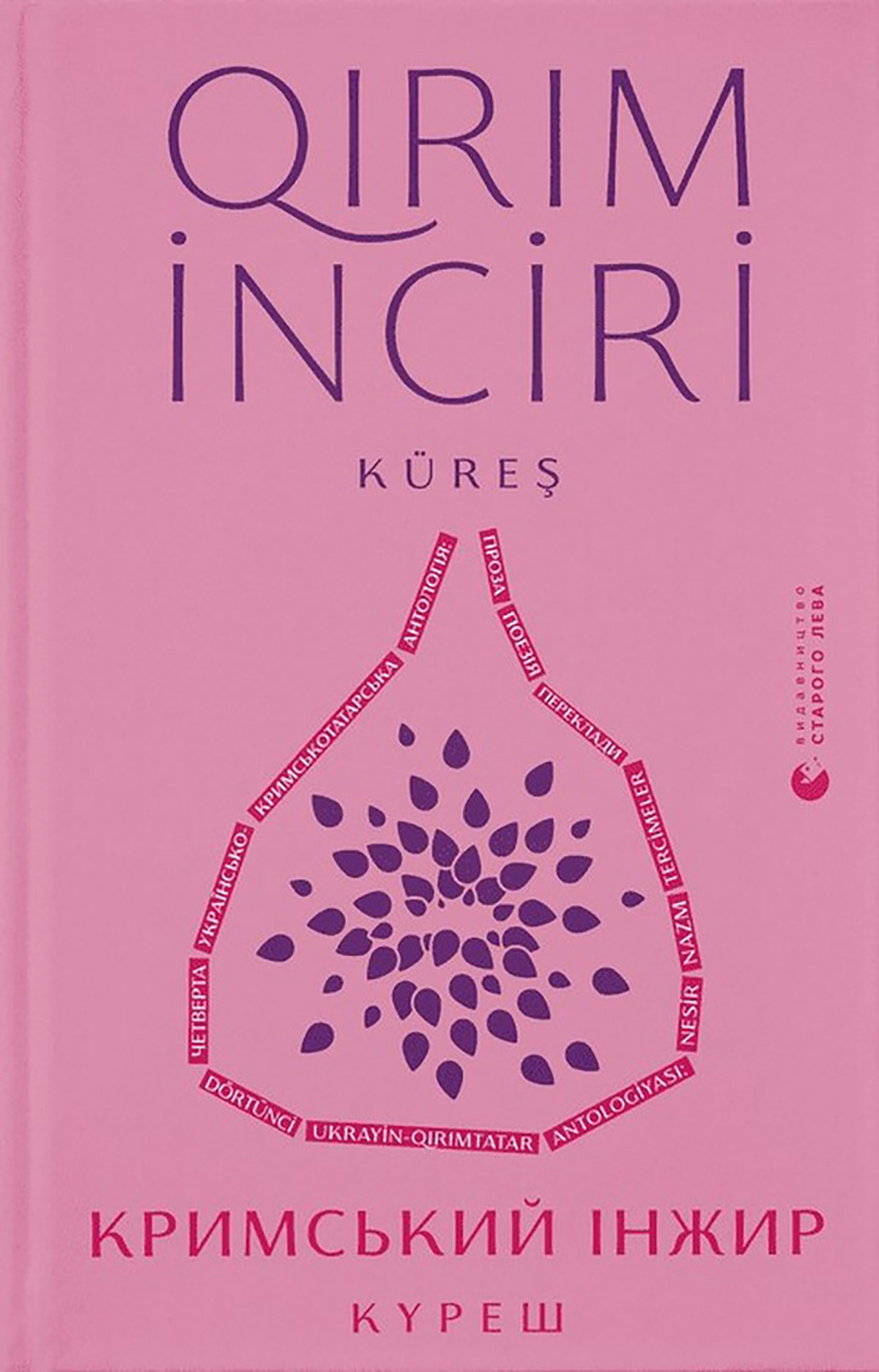
“Crimean Fig” (Qırım İnciri) is a Ukrainian–Crimean Tatar literary contest founded in 2018. Its goal is to support authors writing about Crimea or in the Crimean Tatar language. The competition covers prose, poetry, essays, and translations, with the best works published in the eponymous anthology.
31
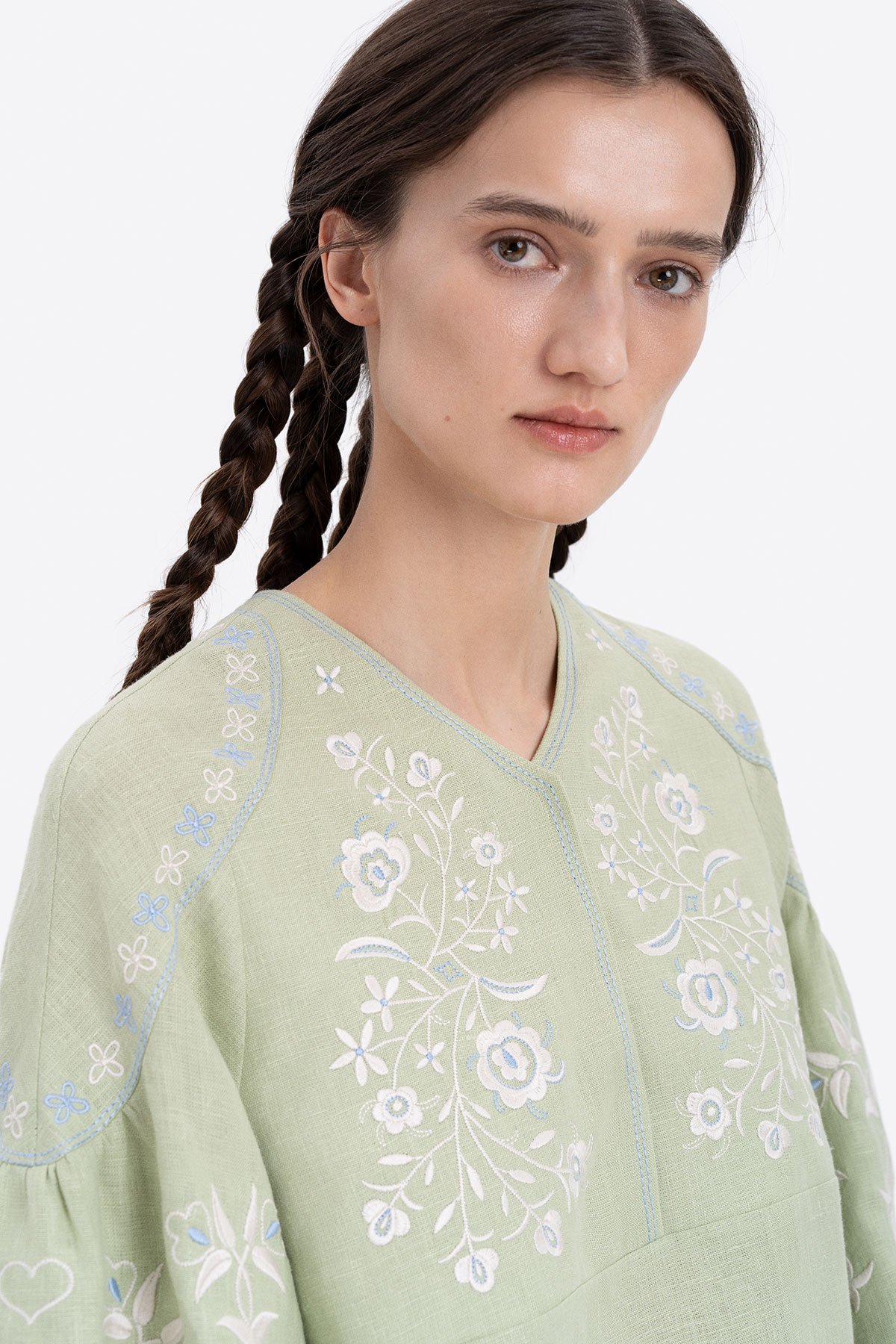
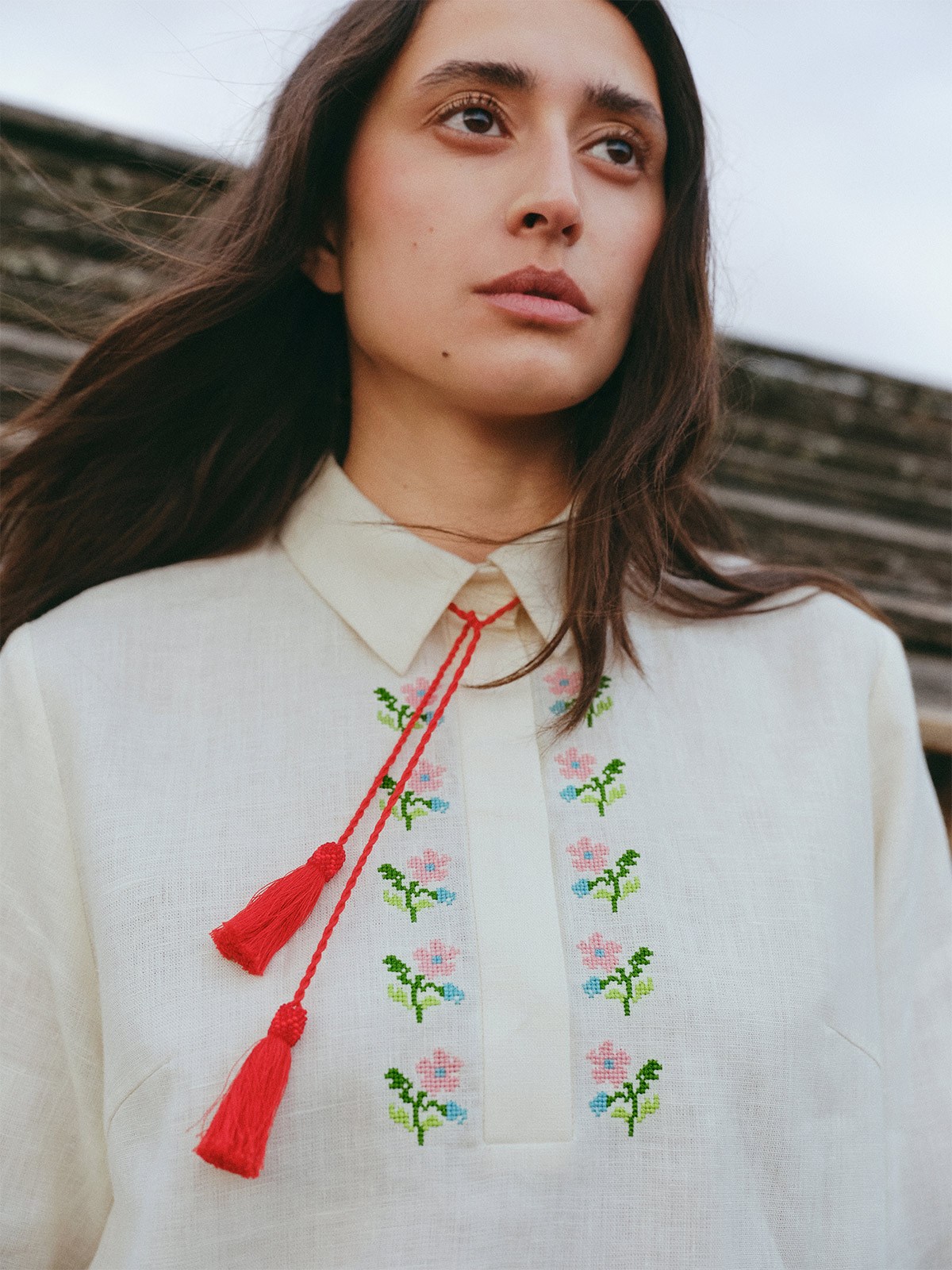
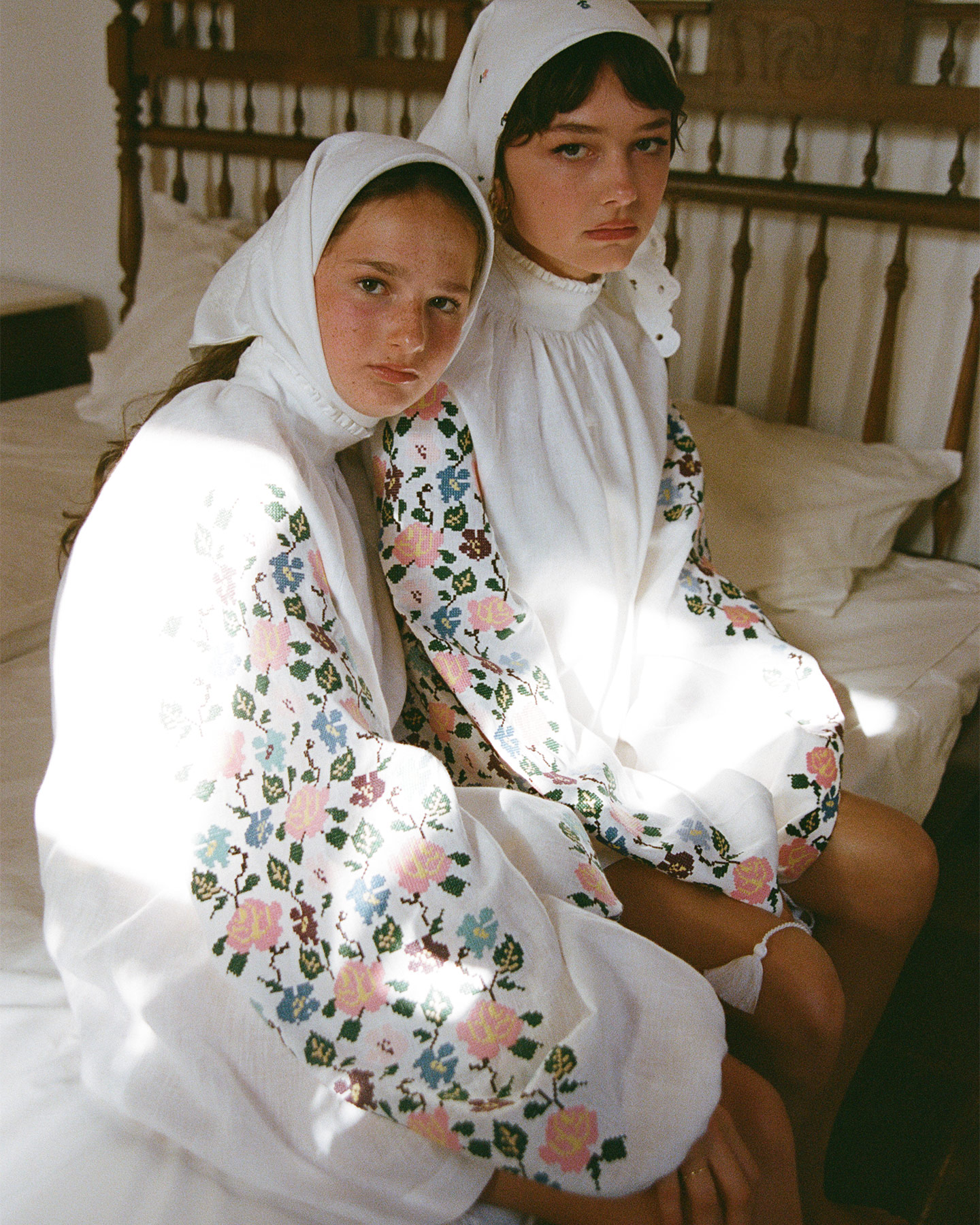
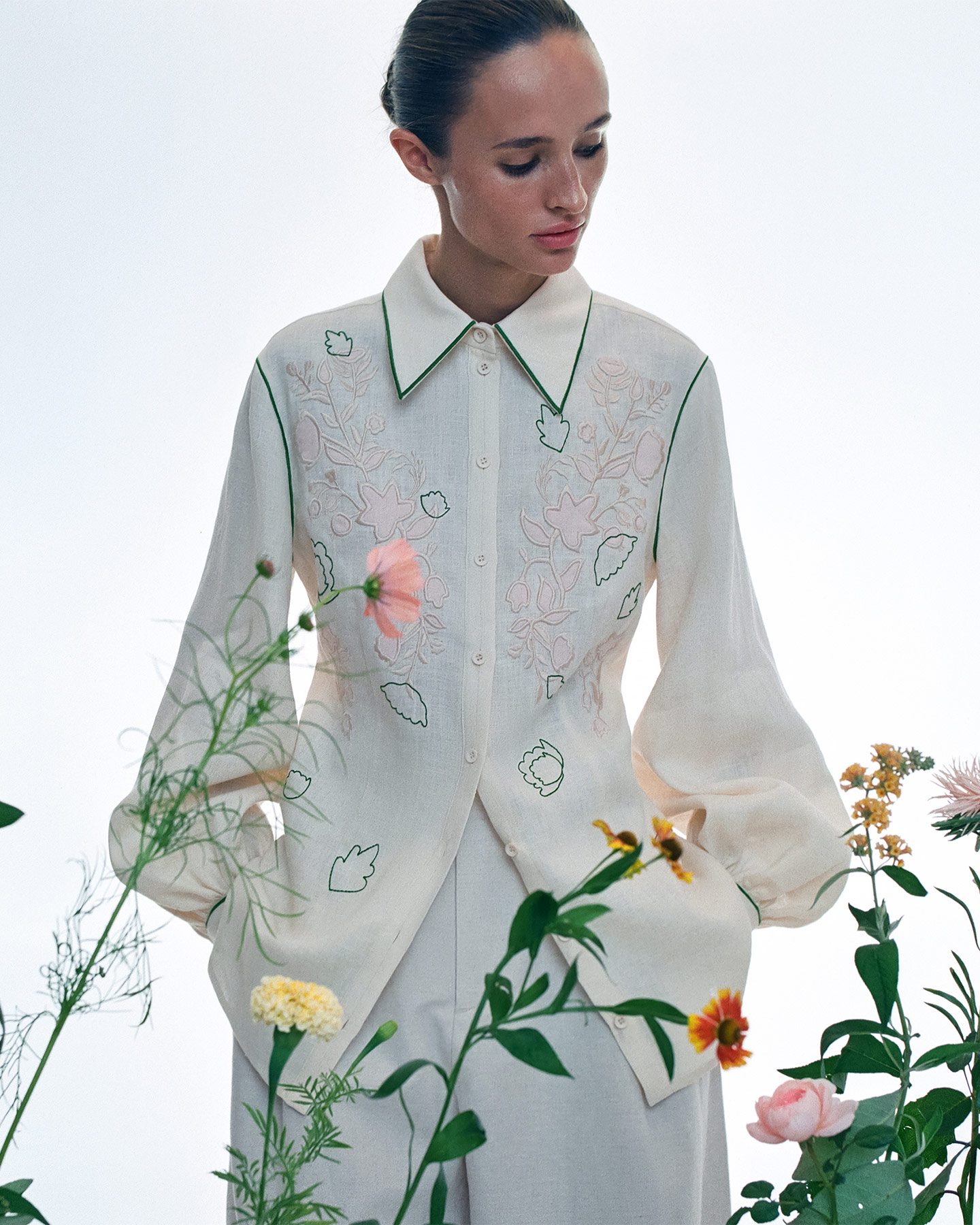
The "Örnek" blouse in soft green.
33
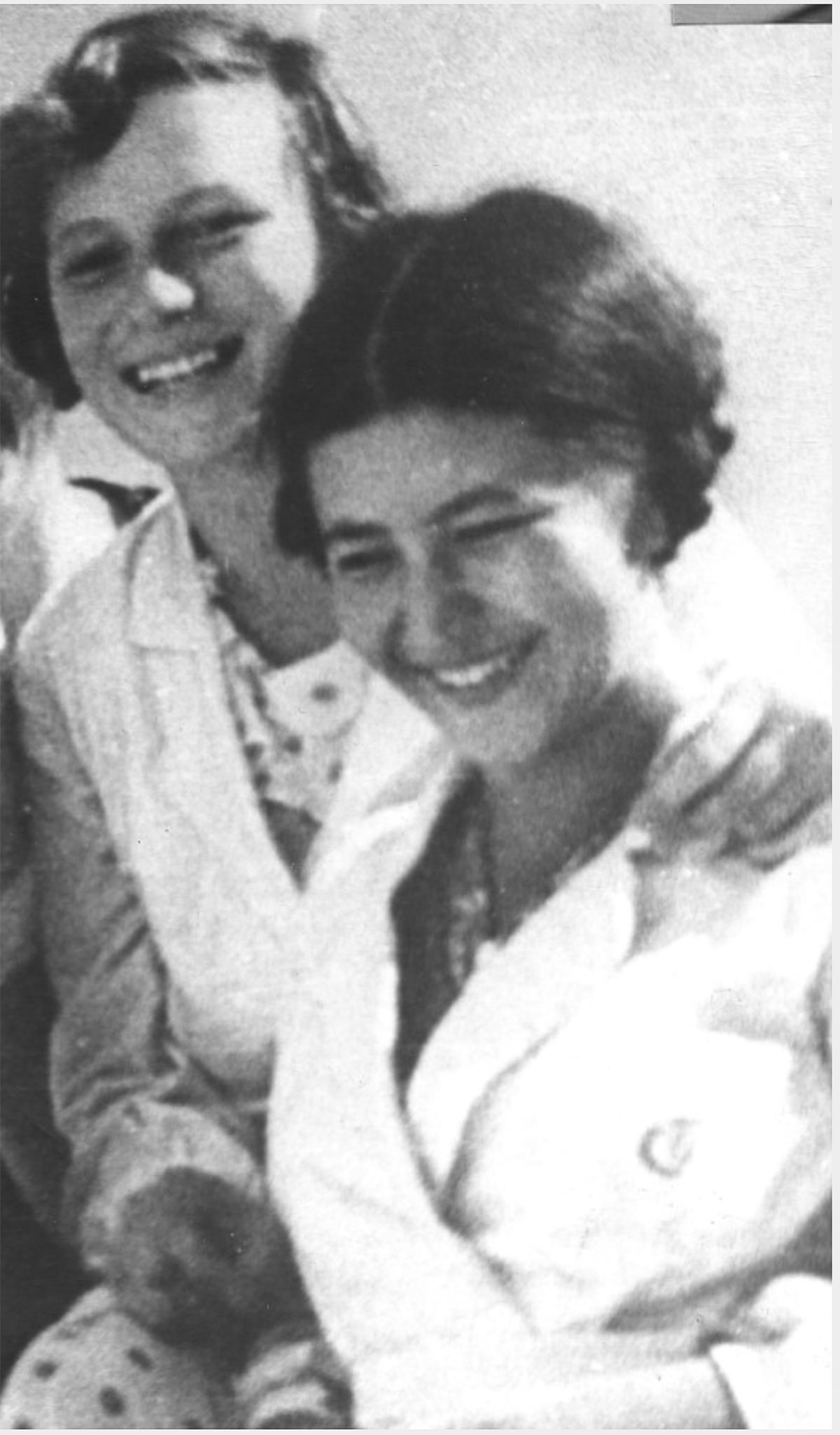
A scientist who discovered and was the first to describe the molting phenomenon in certain Black Sea fish. She wrote over 100 scientific works and made history as the first Crimean Tatar female parachutist.
36
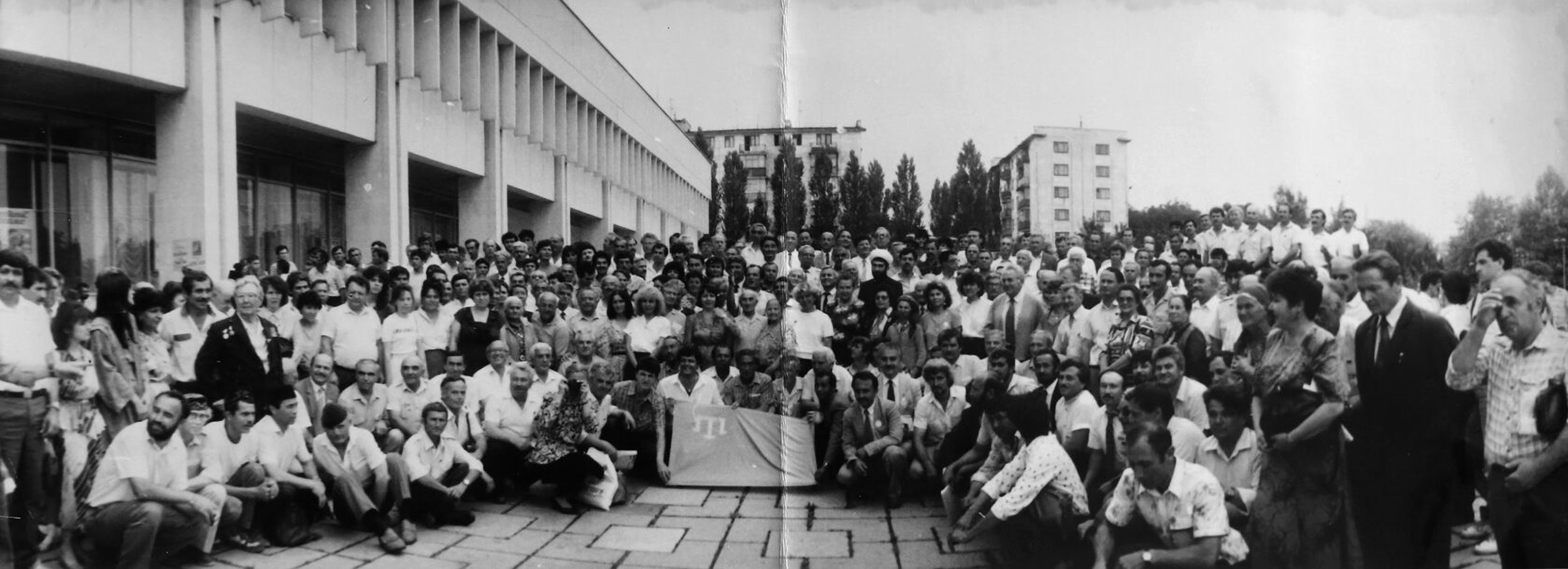
In December 1917, the Crimean Tatar people held their first Qurultay, a historic assembly that proclaimed the Crimean People’s Republic, adopted its Constitution, and established the Mejlis. This event marked a defining moment in Crimean Tatar history and became a symbol of their statehood tradition. The Qurultay was restored in 1991, reaffirming the nation’s sovereignty, and electing Mustafa Dzhemilev as head of the Mejlis.
63
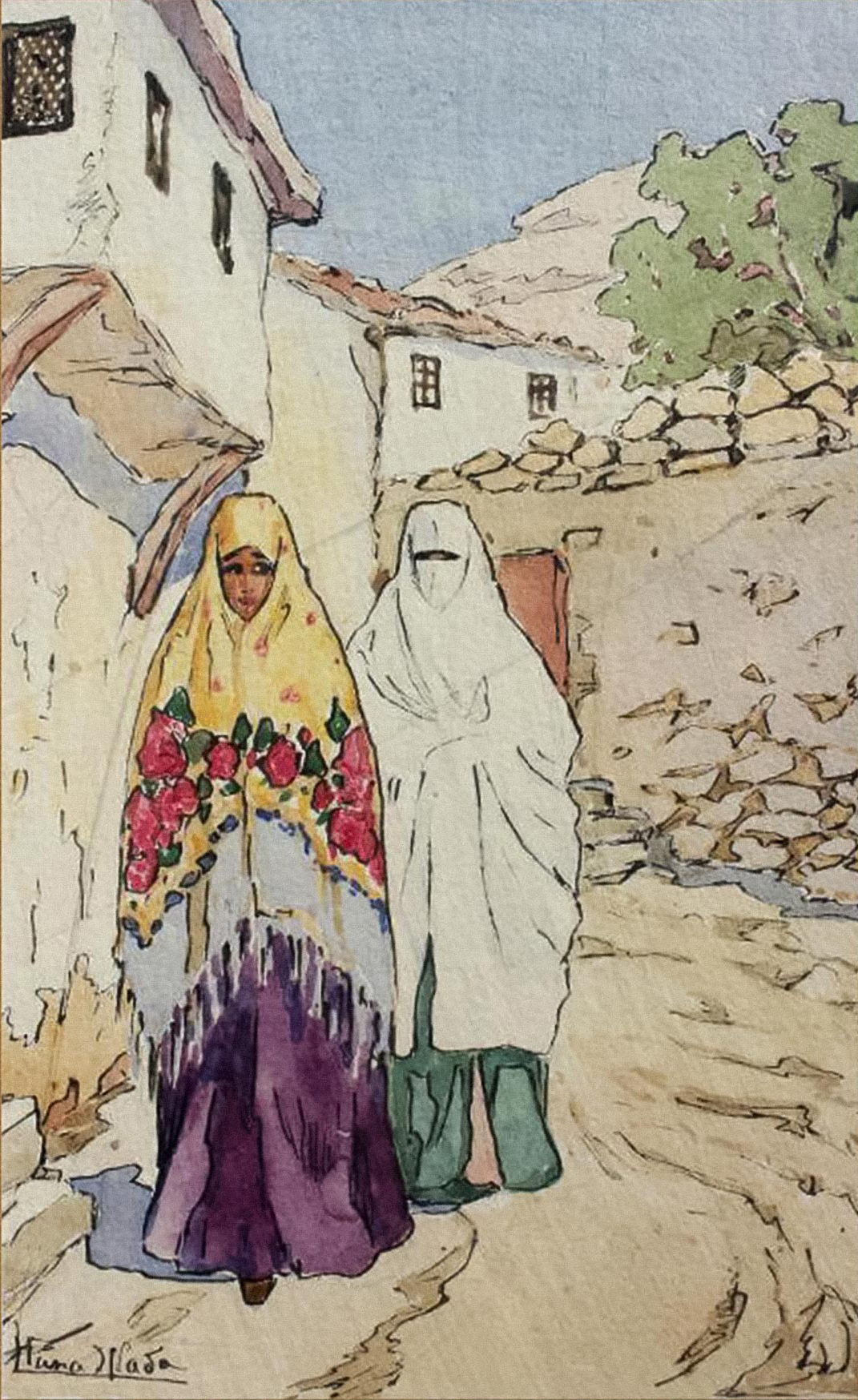
“Two women on a street in Bakhchysarai”. Artist: N. Zhaba. Source: Bakhchisaray Historical, Cultural and Archaeological Museum-Reserve.
58
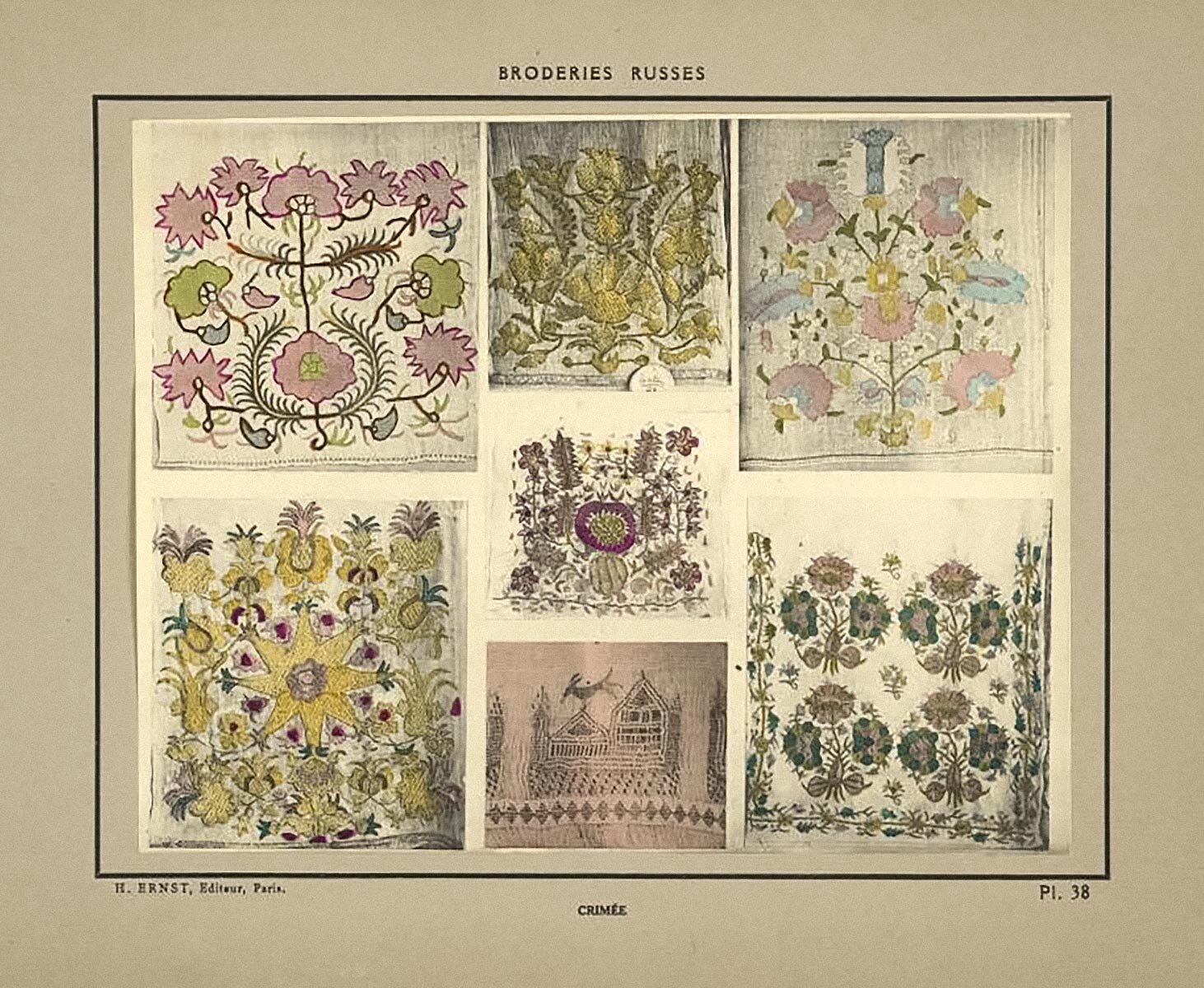
Garment fronts, collars, and shawls. Source: Digital Collections, New York Public Library.
37
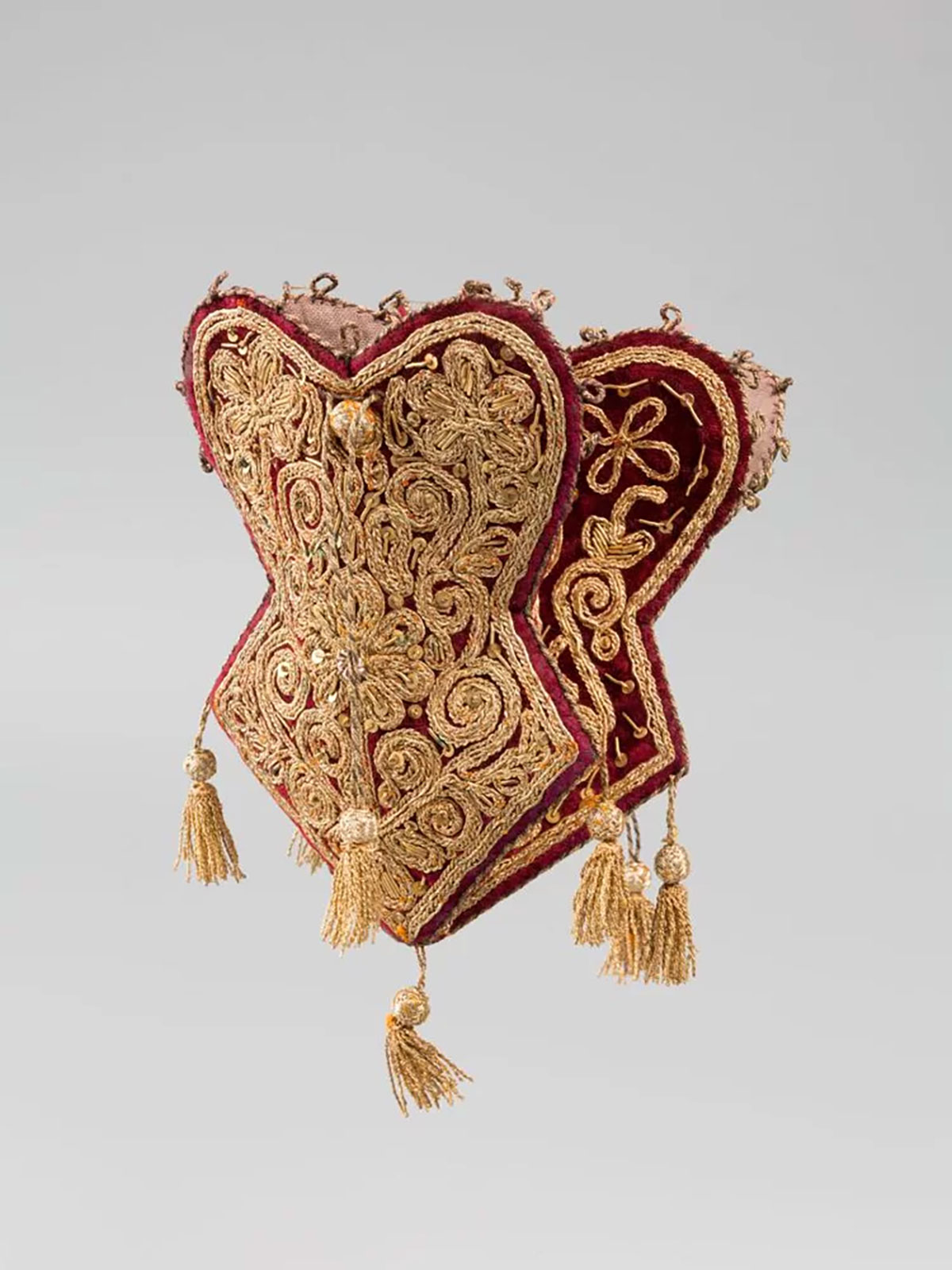
Kise (kyset) – a small embroidered pouch for personal items. This accessory served as a way to carry tobacco, coins, flintstone, and other small essentials. The pouch was adorned with silk or metallic threads, often on both sides, and decorated with the traditional Crimean Tatar motif known as Örnek.
38
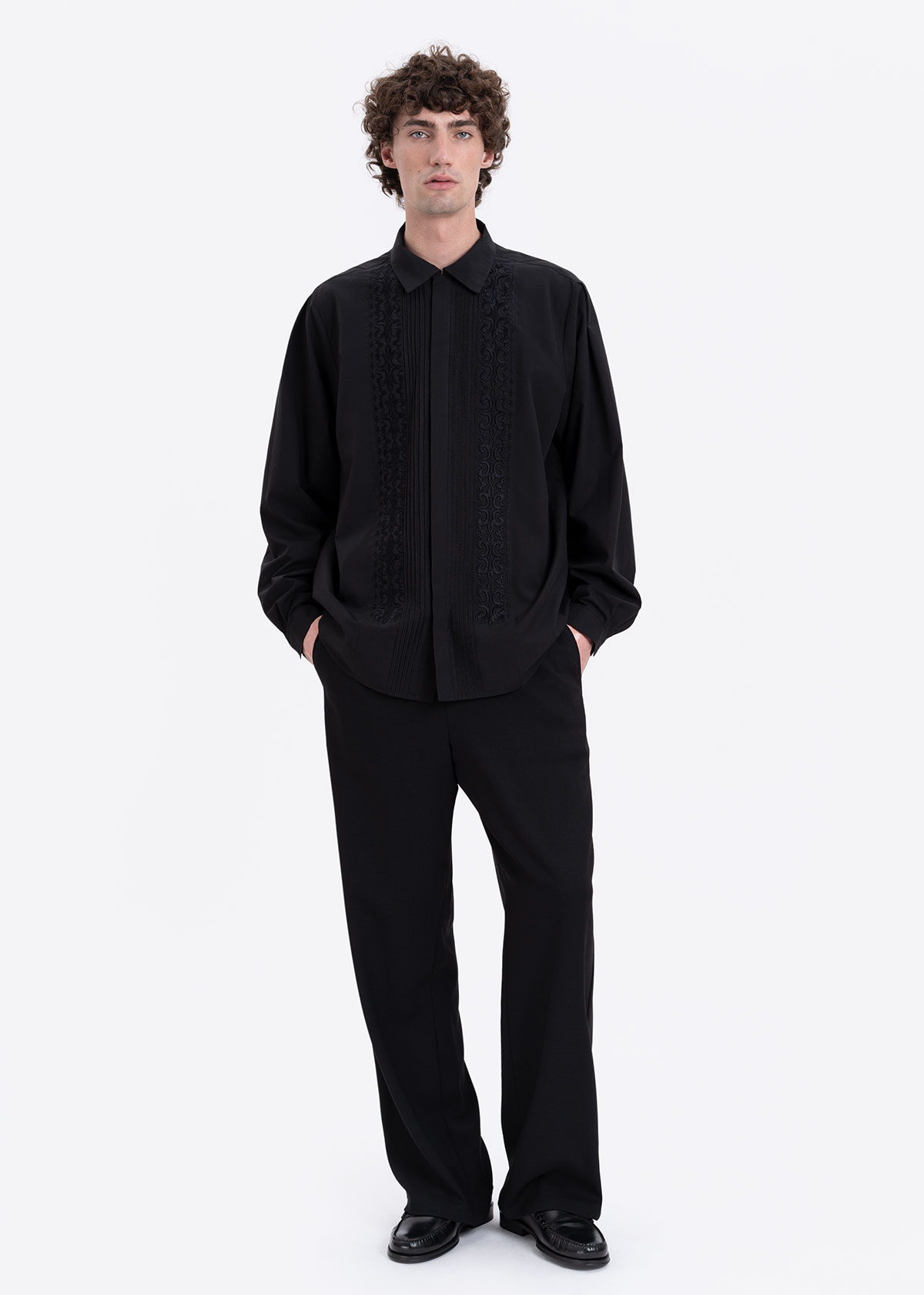
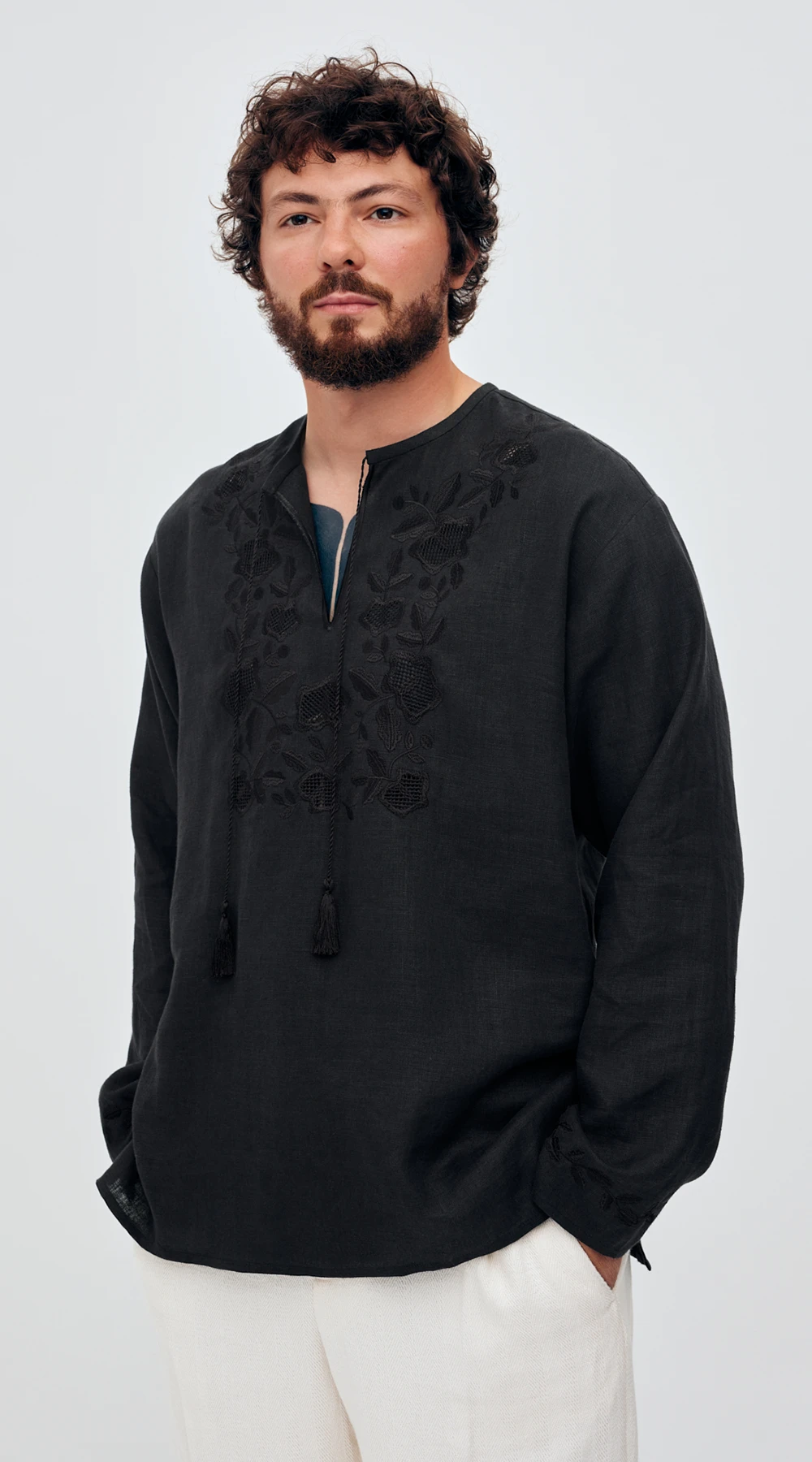
Men's shirt "Black Lake".
62
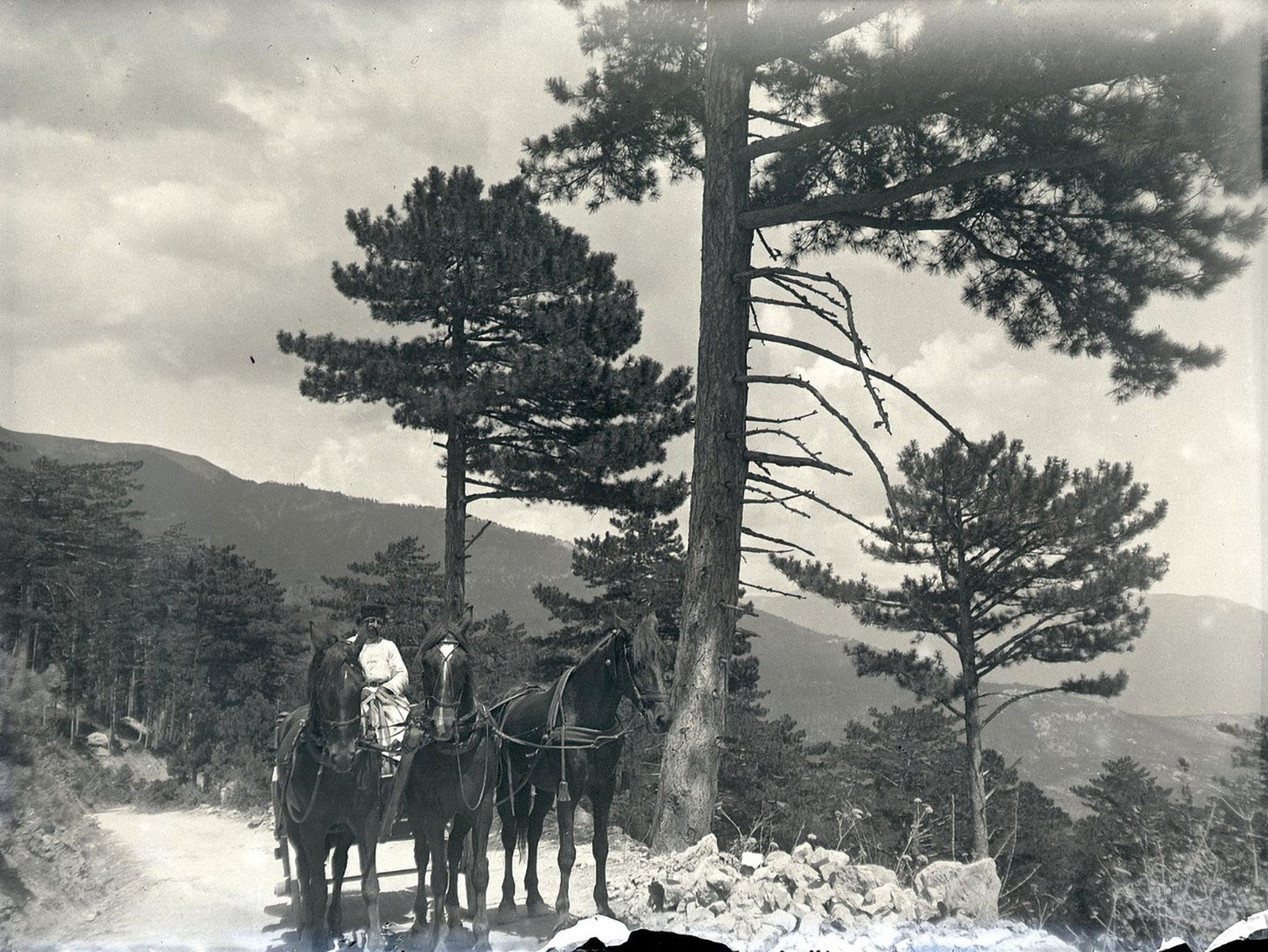
Crimean pines can live for more than 500 years and are capable of rooting even in rock crevices. Their roots exert such force that they can split stones by penetrating the smallest cracks. Because of this unique ability, Crimean pines frequently grow on mountain cliff ledges, giving the impression of trees suspended in midair – one of the most recognizable images of the Crimean landscape.
59
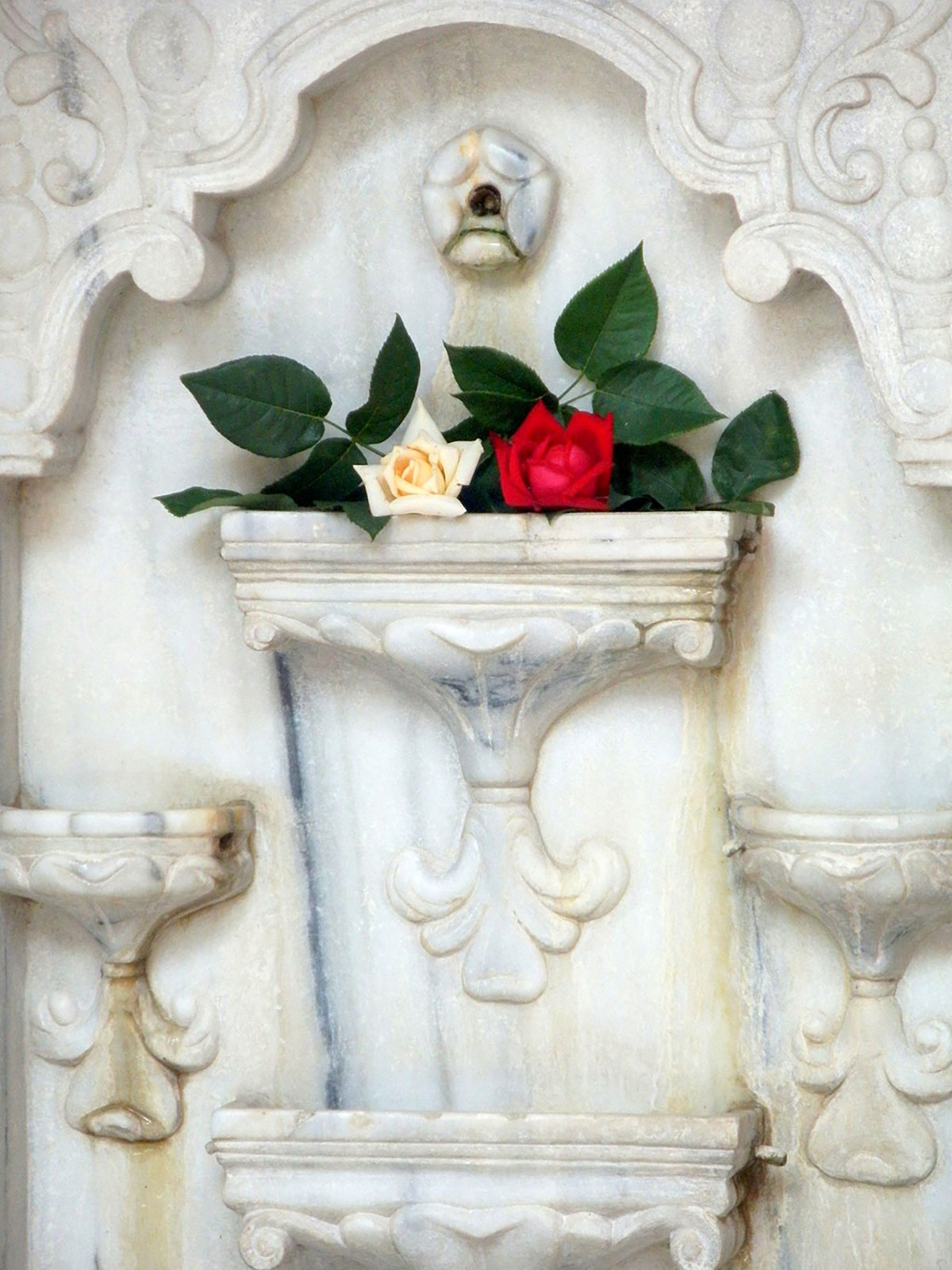
A legend offers a poetic interpretation of the fountain’s symbolism: a marble flower at the top gently releases tears. These tears fill the heart’s chalice, the largest bowl, with sorrow. Over time, wounds begin to heal and sorrow softens (the pair of smaller bowls). Yet memory revives the pain (the large bowl in the middle). Thereby, suffering gives way to enlightenment, until one draws near the threshold of eternity, represented by the spiral at the base of the structure.
39
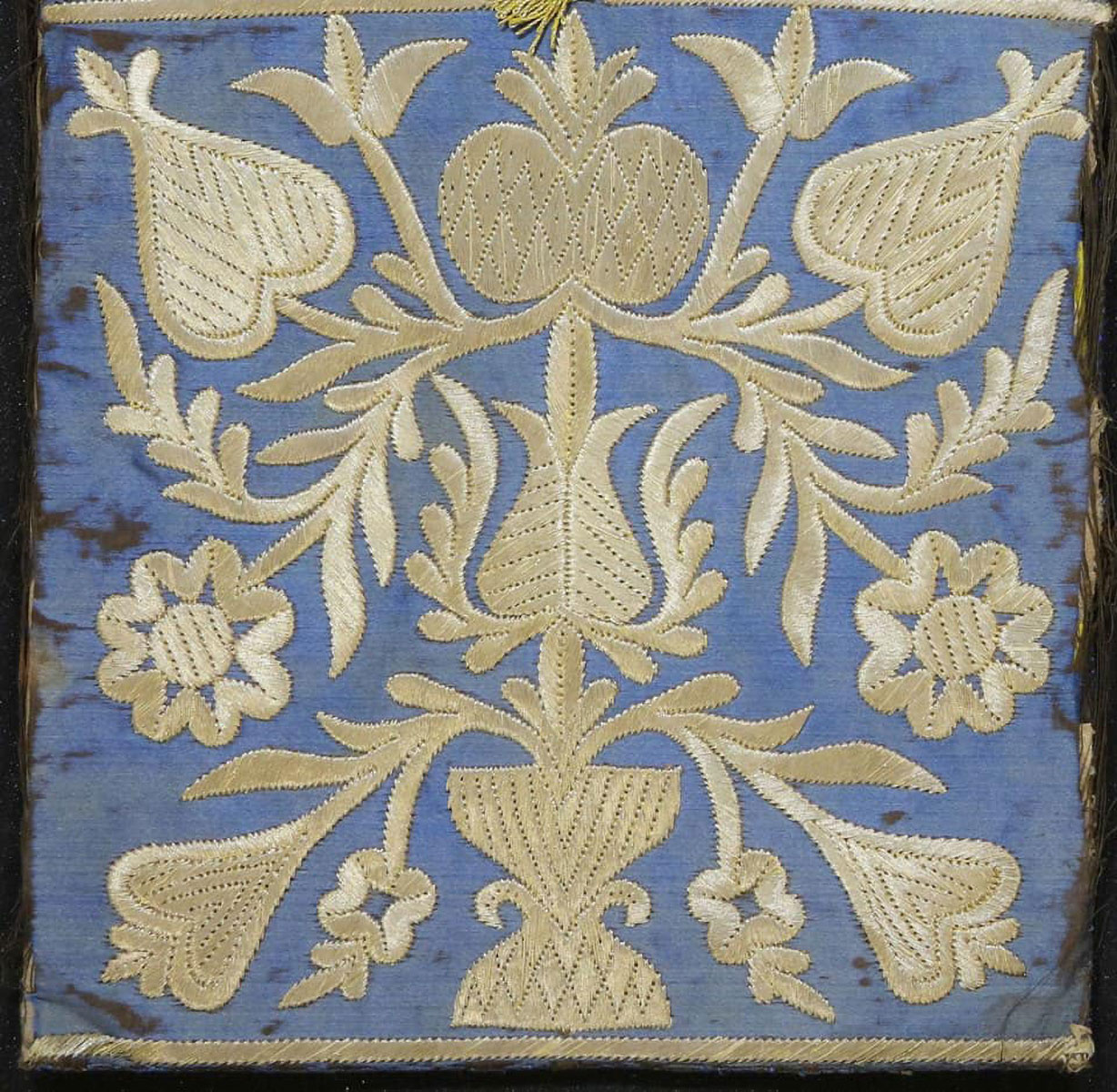
The Crimean Tatar ornamental motif Örnek is a pattern system encoding ideas about family, home, love, and memory. In 2021, Örnek was inscribed on UNESCO’s Intangible Cultural Heritage list, a tribute to the efforts of craftsmen and scholars who returned after deportation and rebuilt the craft almost from scratch. Those familiar with its symbolic language can “read” Örnek like a book.
42
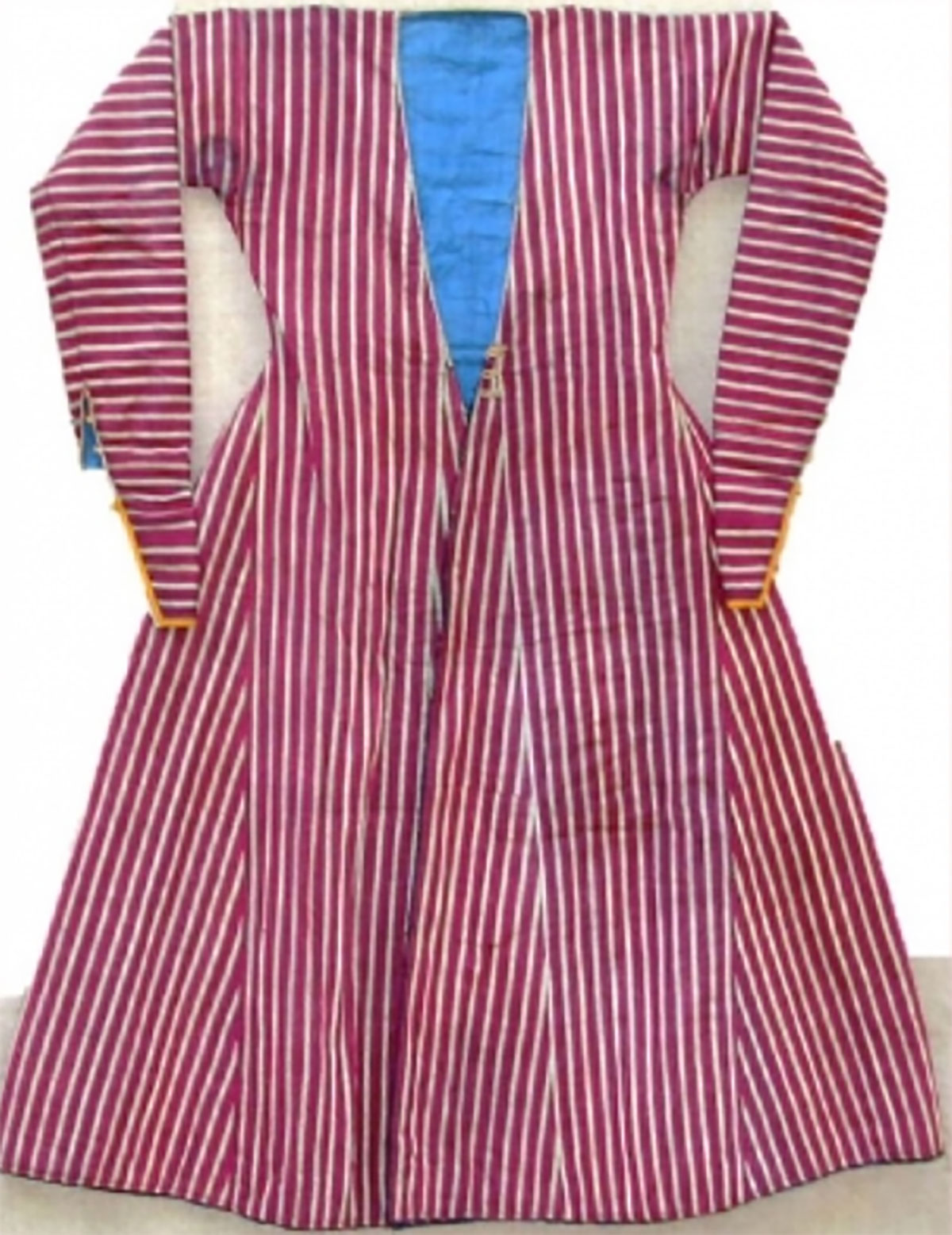
Women’s outerwear included an anter dress and a jacket, either a marka or a khırkha. The anter featured a distinctive cut: the narrow sleeves, with a triangular or trapezoidal flare at the bottom, fully covered the hands, while the fastening with a distinctive hinged clasp allowed the garment’s size to be adjusted. By the late 19th century, the dress silhouette had undergone slight modernization while still preserving its traditional design features.
61
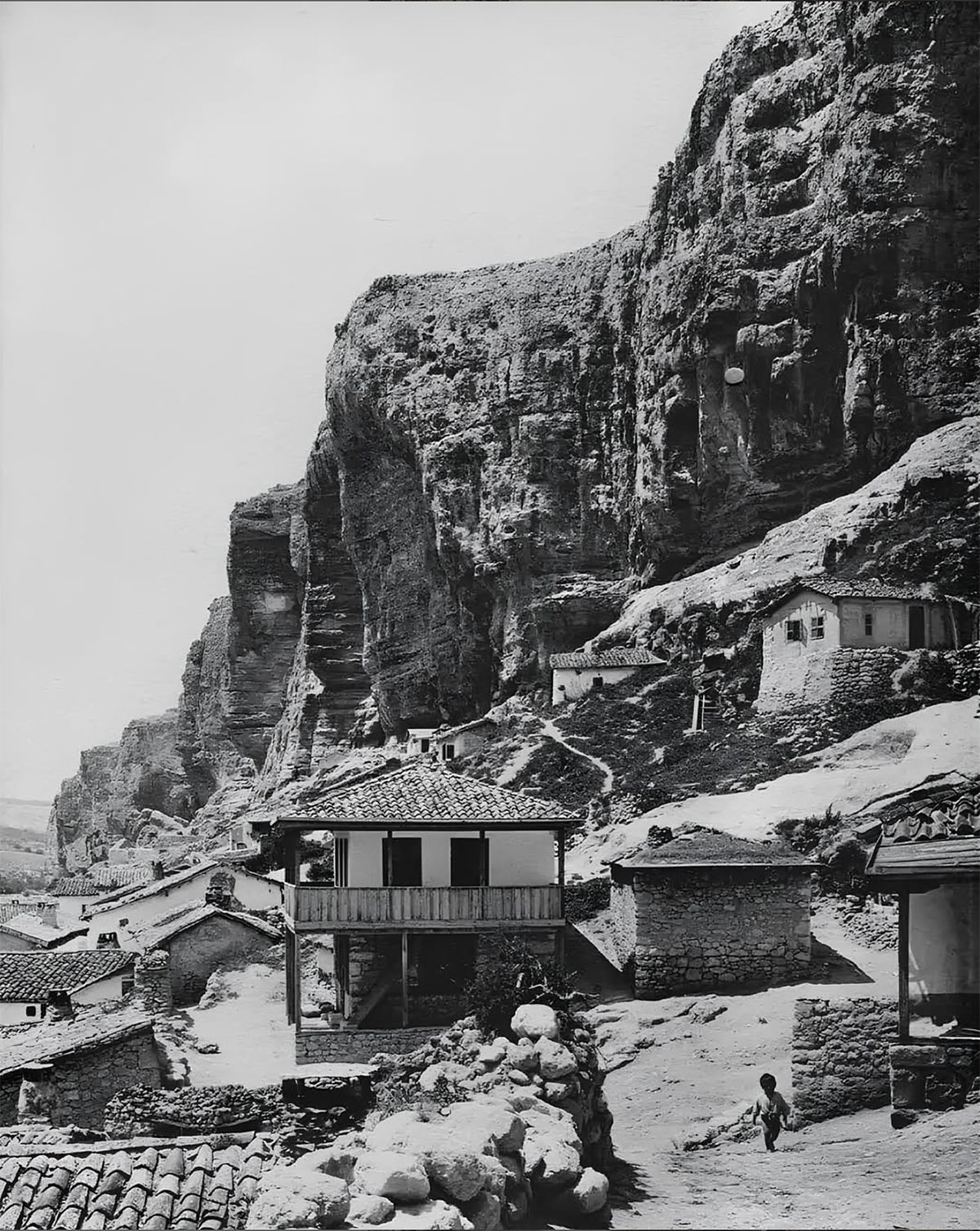
Crimean Tatar houses in Bakhchisaray were traditionally two-story structures, featuring a stone ground floor for household needs and a wooden upper floor for residential living spaces. The upper floor often extended beyond the lower one, creating a canopy, while a shared veranda with stairs to the terrace connected the women’s and men’s quarters.
60
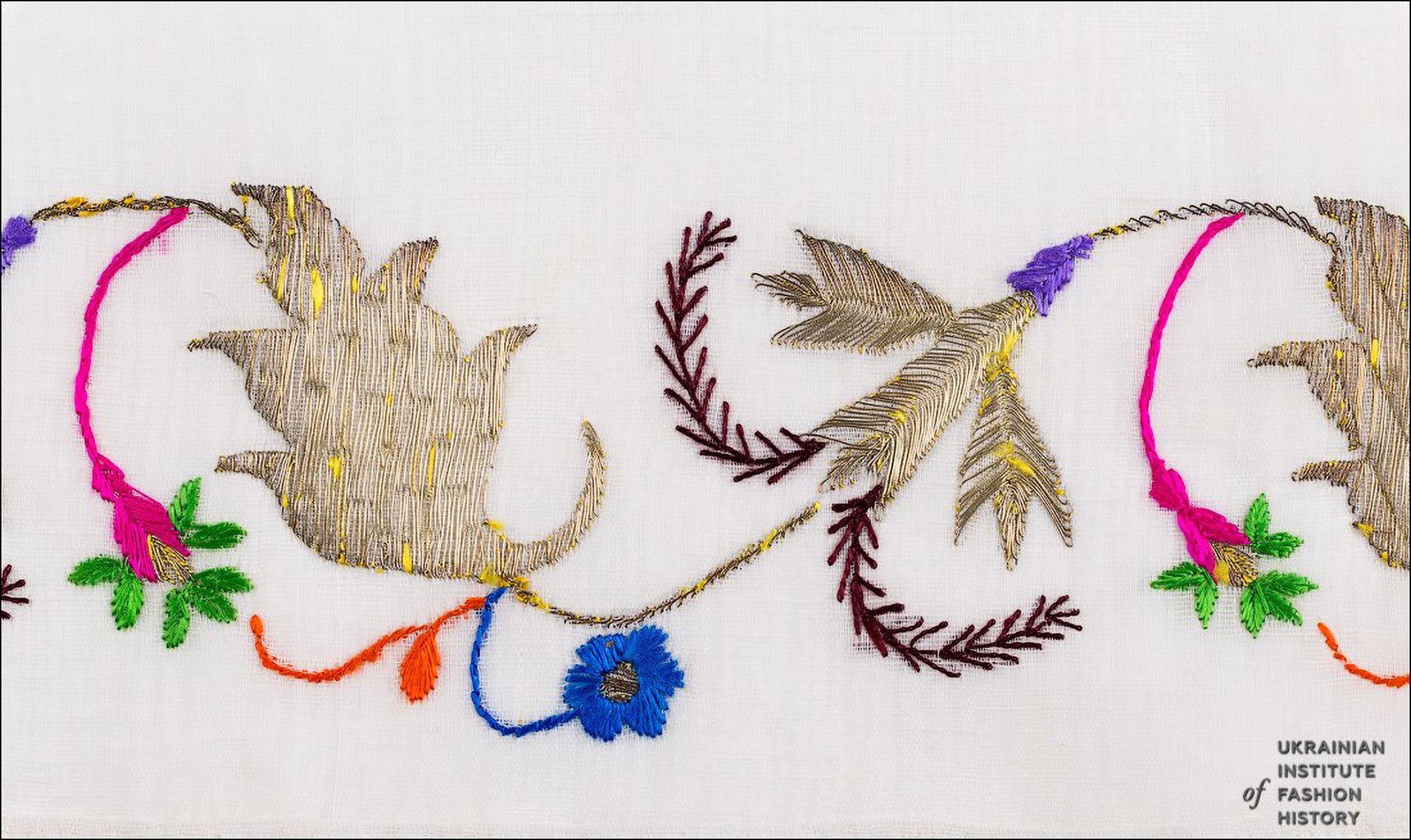
Marama - ceremonial women's headscarf of the Crimean Tatars. Crimea, Bakhchysarai, early 20th century. Source: private collection of Elmira Seit-Ametova. Ukrainian Institute of Fashion History.
40
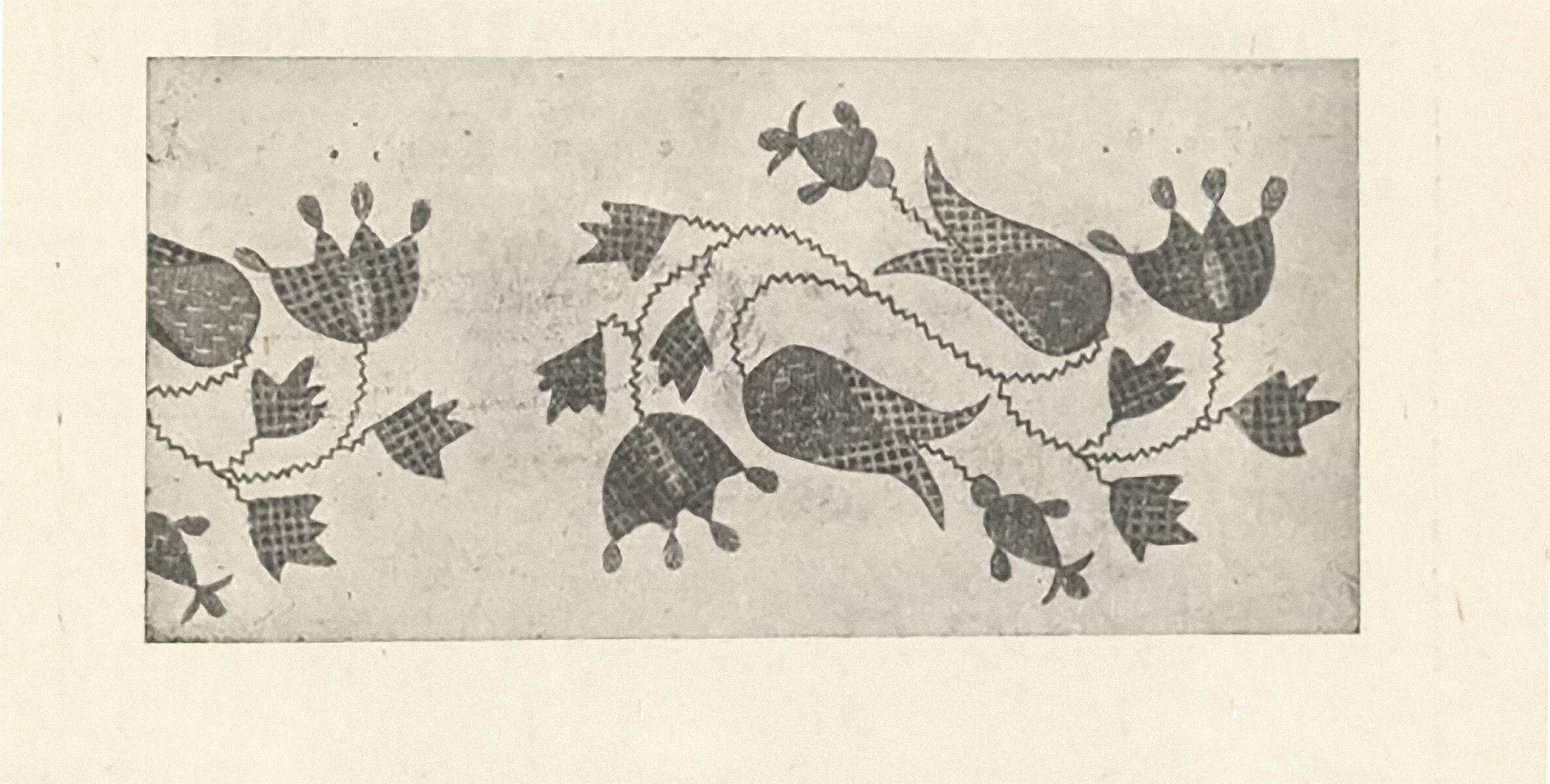
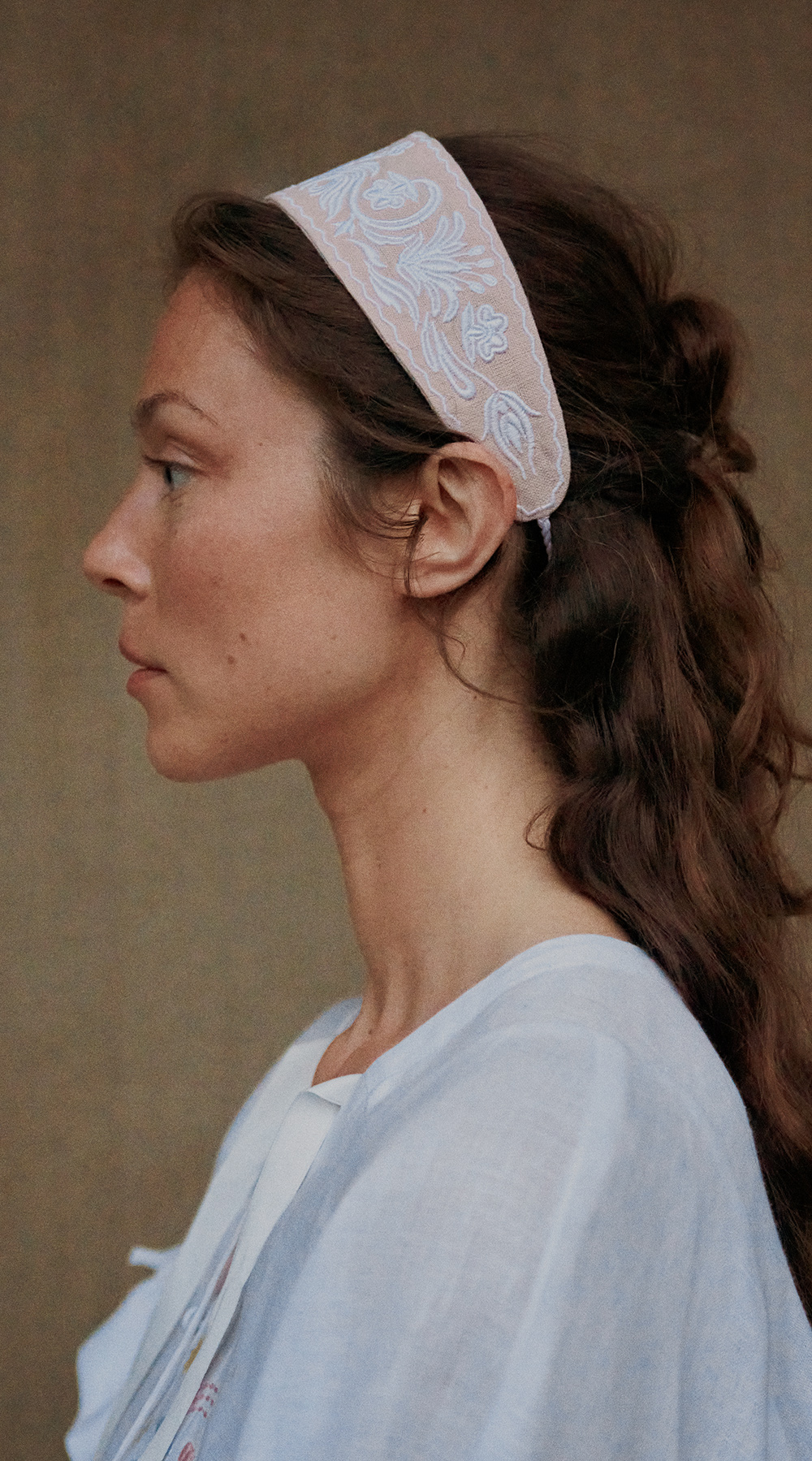
Sherbenti, a traditional headscarf worn by young women, was made from loosely woven cotton or fine white muslin, imported from Turkey or the South Caucasus.
41
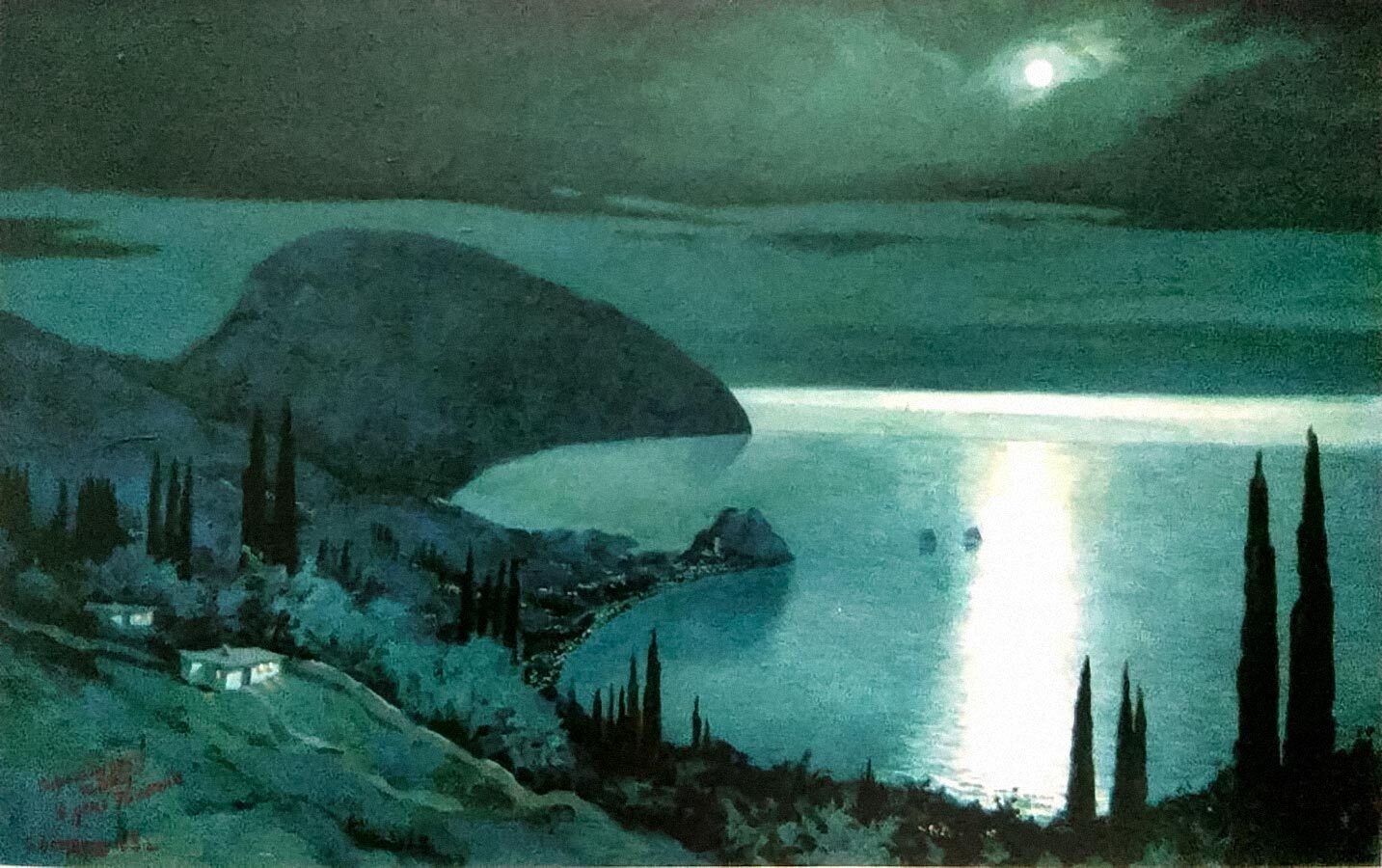
Painting “Gurzuf at Night”, 1983. Artist: Seitkhalil Osmanov.
57
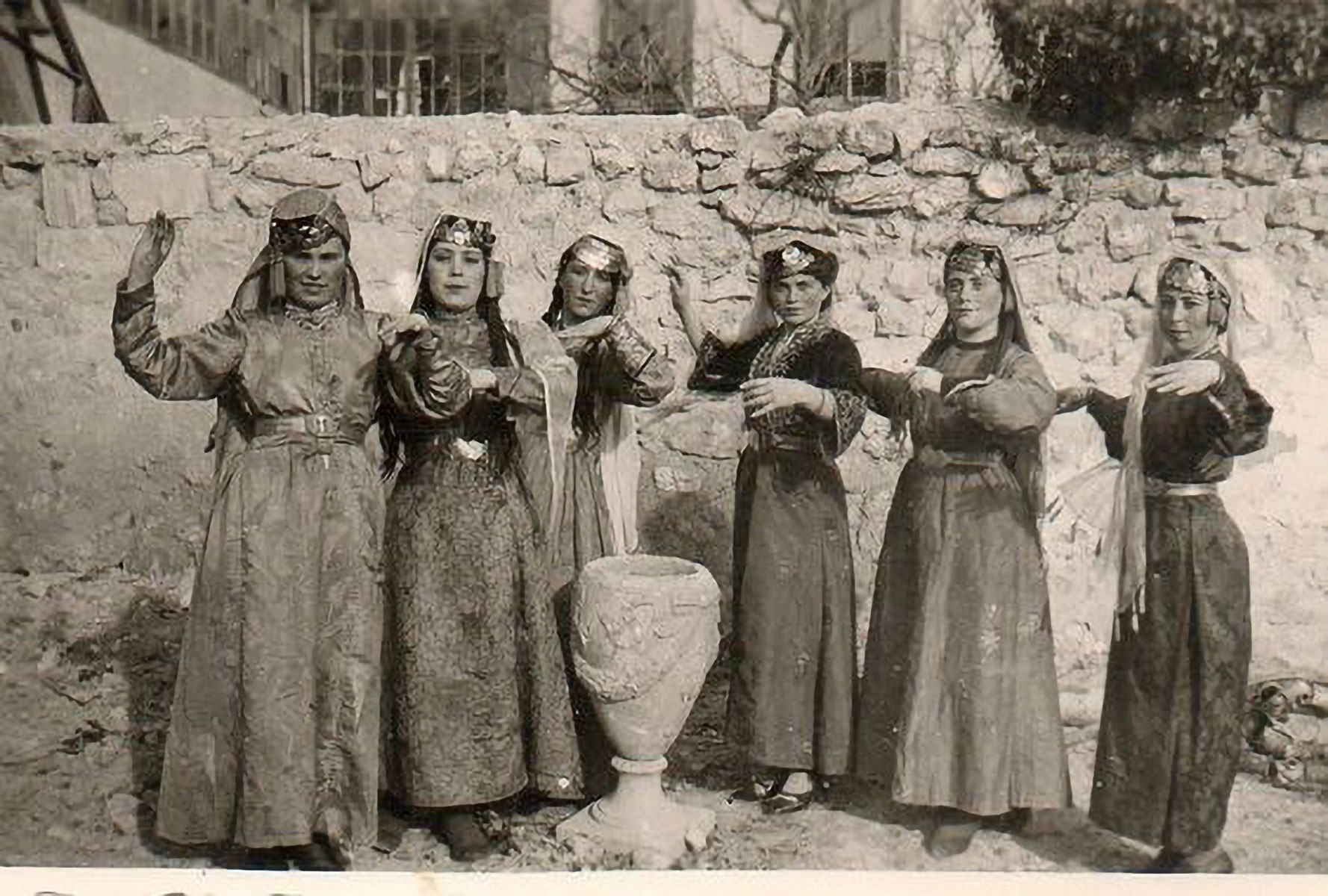
Crimean Tatar women, late 19th – early 20th century.
56
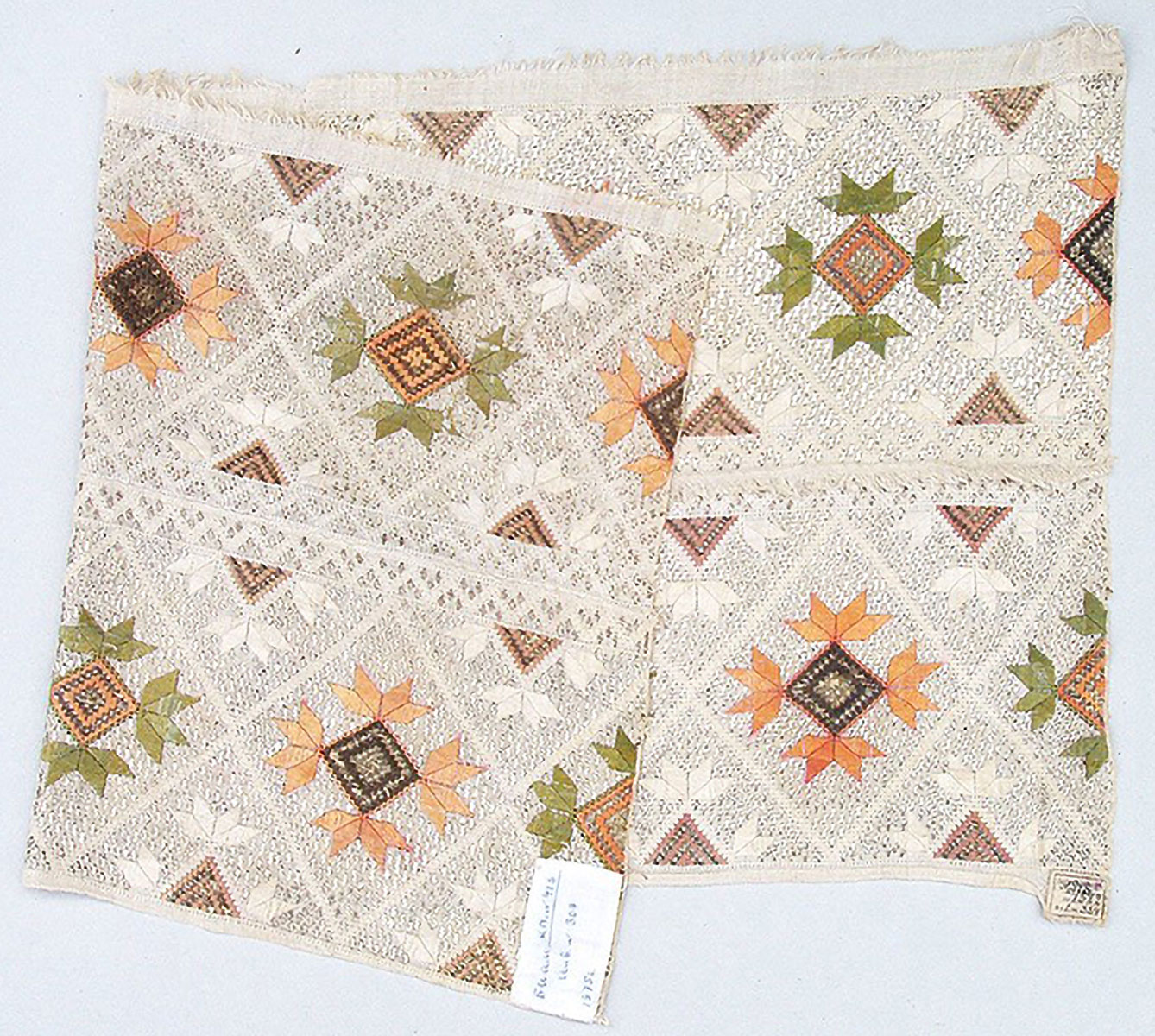
Embroidery fragment. Source: Bakhchysarai Historical and Cultural Reserve "Authentic Ukraine.
43
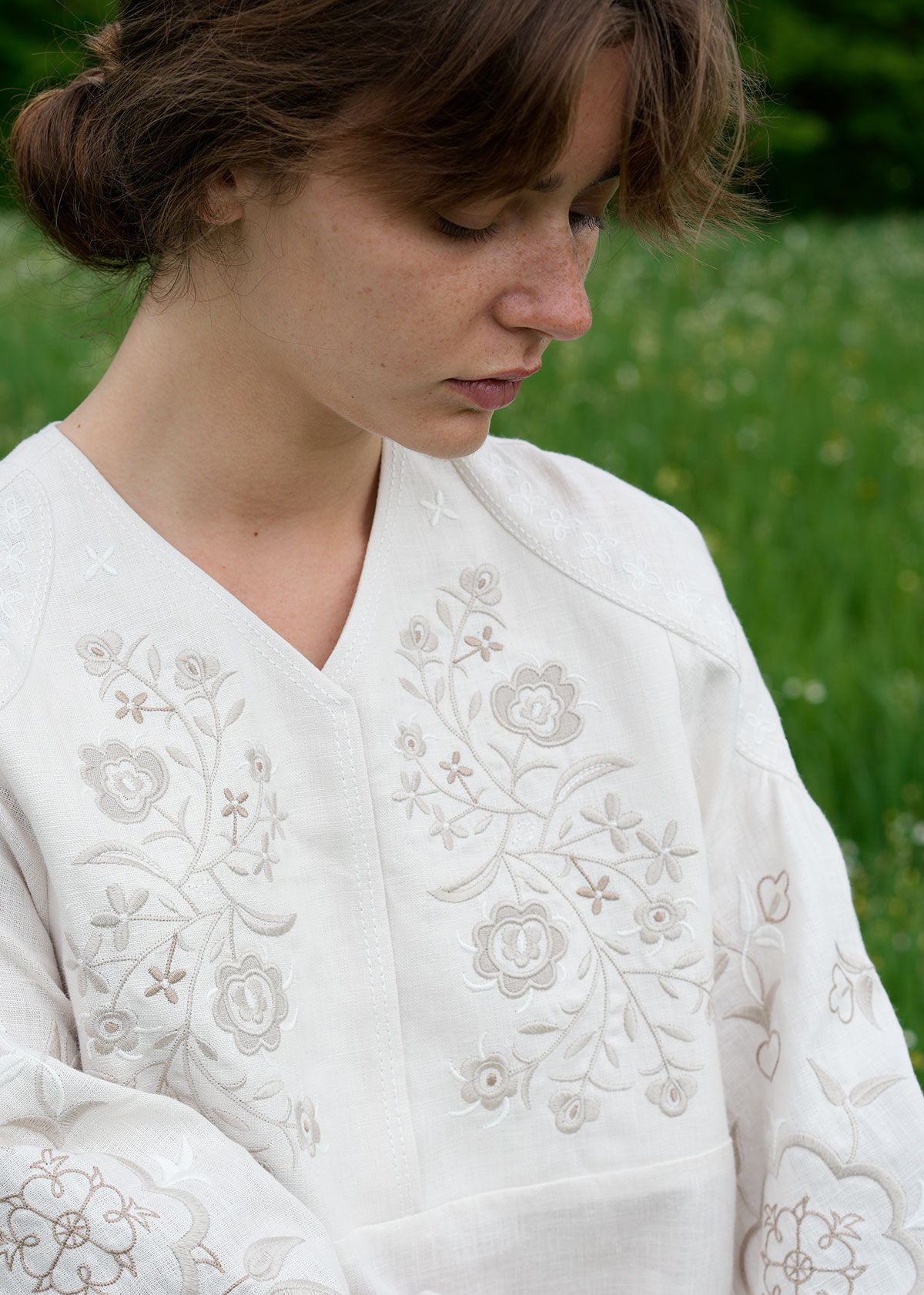
Blouse "Örnek" in milky white.
54
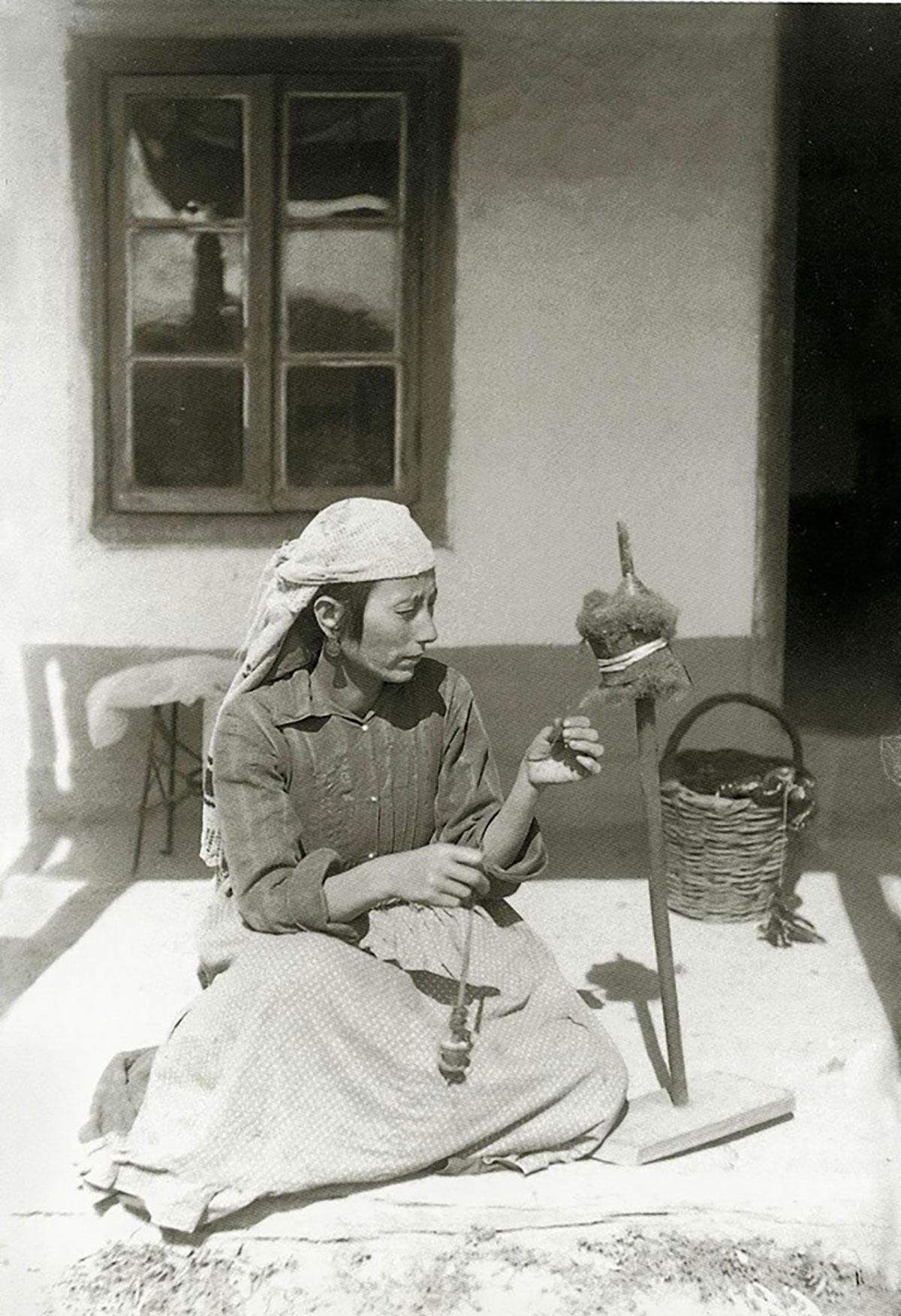
Spinner. Bakhchysarai, 1920s. Photo: Usein Bodaninsky. Source: “Crimean Tatars. Crimean Tatars. Qırım Tatarlar” postcard book. Master Knyh, Kyiv, 2020.
46
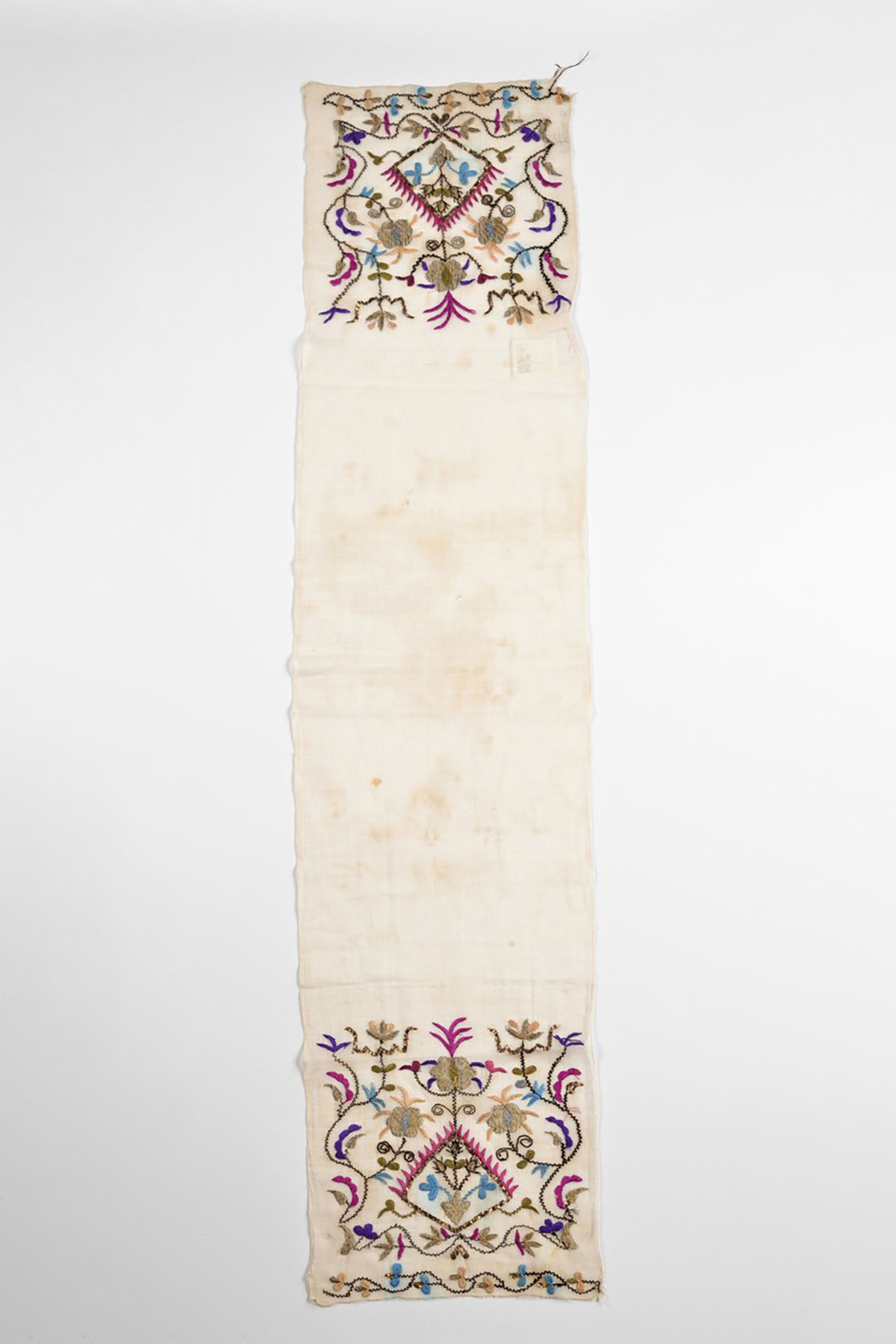
Uchkur (uçkur), a wedding sash embroidered with the family tree, is still given to the groom as a protective talisman and a message for the future. Like other wedding items, it is now often crafted by professional embroiderers, following a design approved by the bride, since the ornament reflects her hopes for her future family.
45
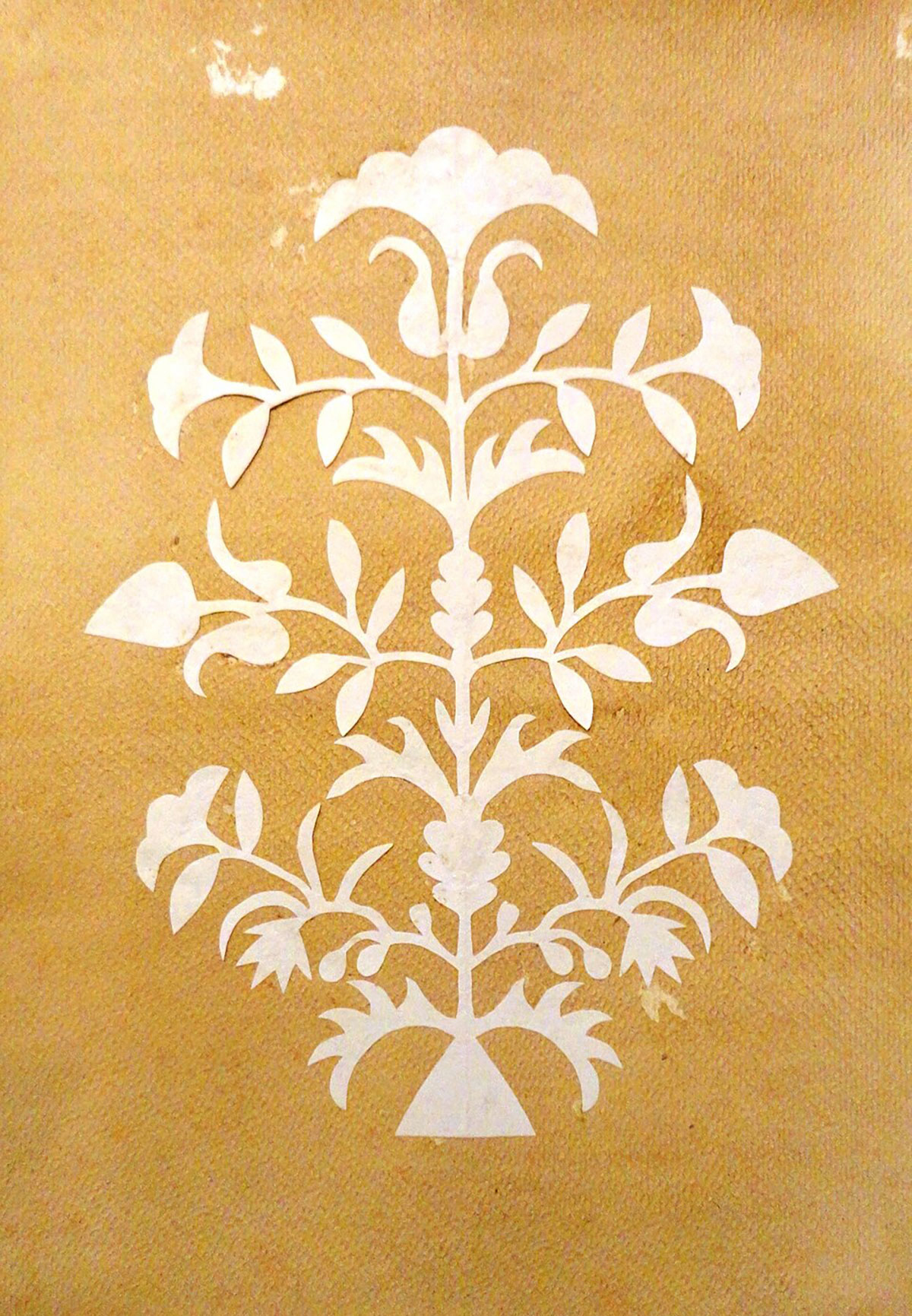
Adaviye Efendiyeva (1879–1944) – one of the most prominent Crimean Tatar embroiderers and a master weaver. She created over 500 ornamental compositions that shaped the production of every Artel (craft cooperative) in Crimea during the 1930s. Her works were exhibited across Europe and the United States, yet the artist herself died in exile near Samarkand during the 1944 deportation.
47
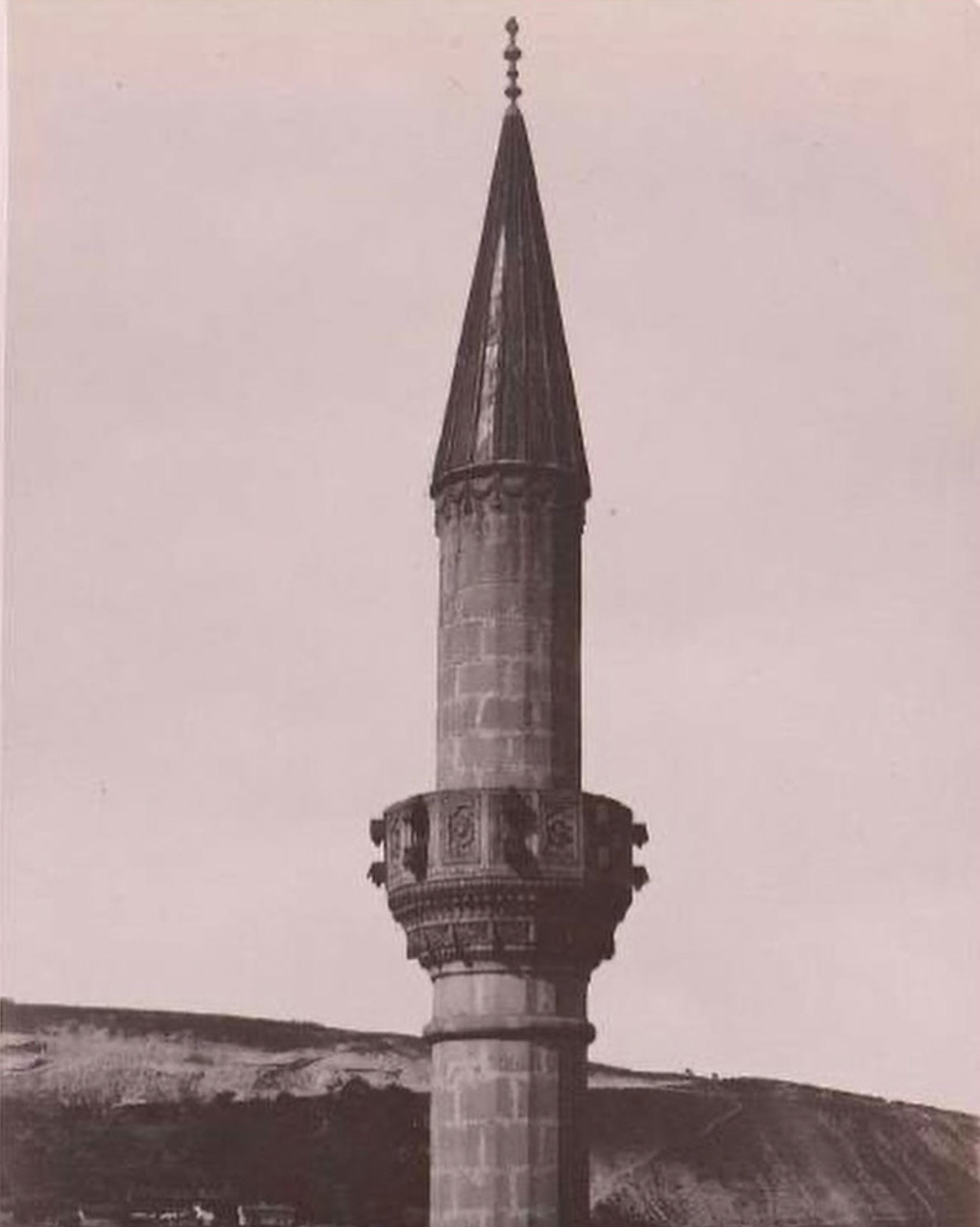
A minaret is a tall tower beside a mosque from which the muezzin calls Muslims to prayer. In Crimean Tatar architecture, minarets are an integral element of mosques, particularly in Bakhchysarai and Sudak, each with a unique regional aesthetic.
44
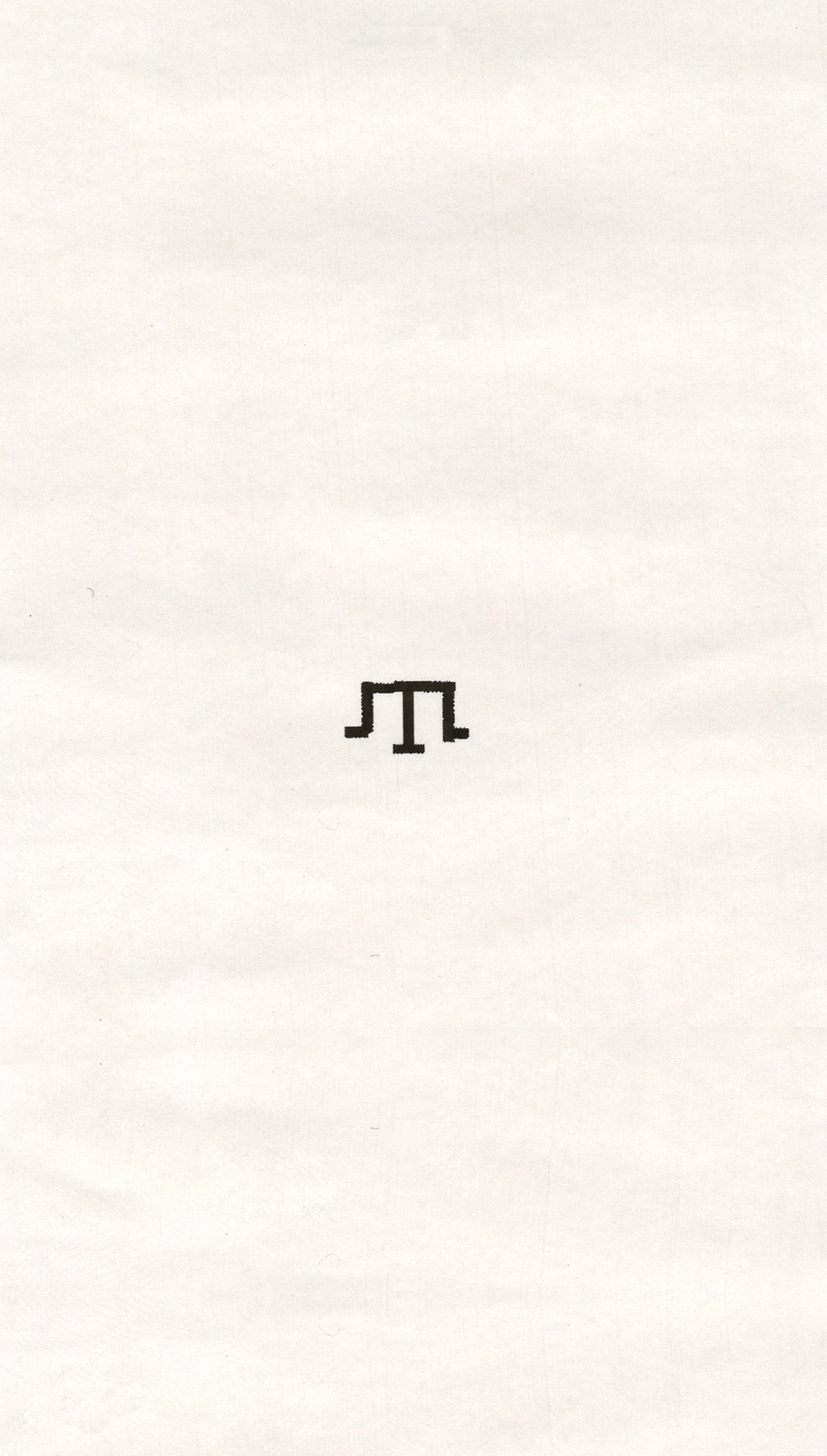
Graphics. Author: Seville Nariman Kizi.
49
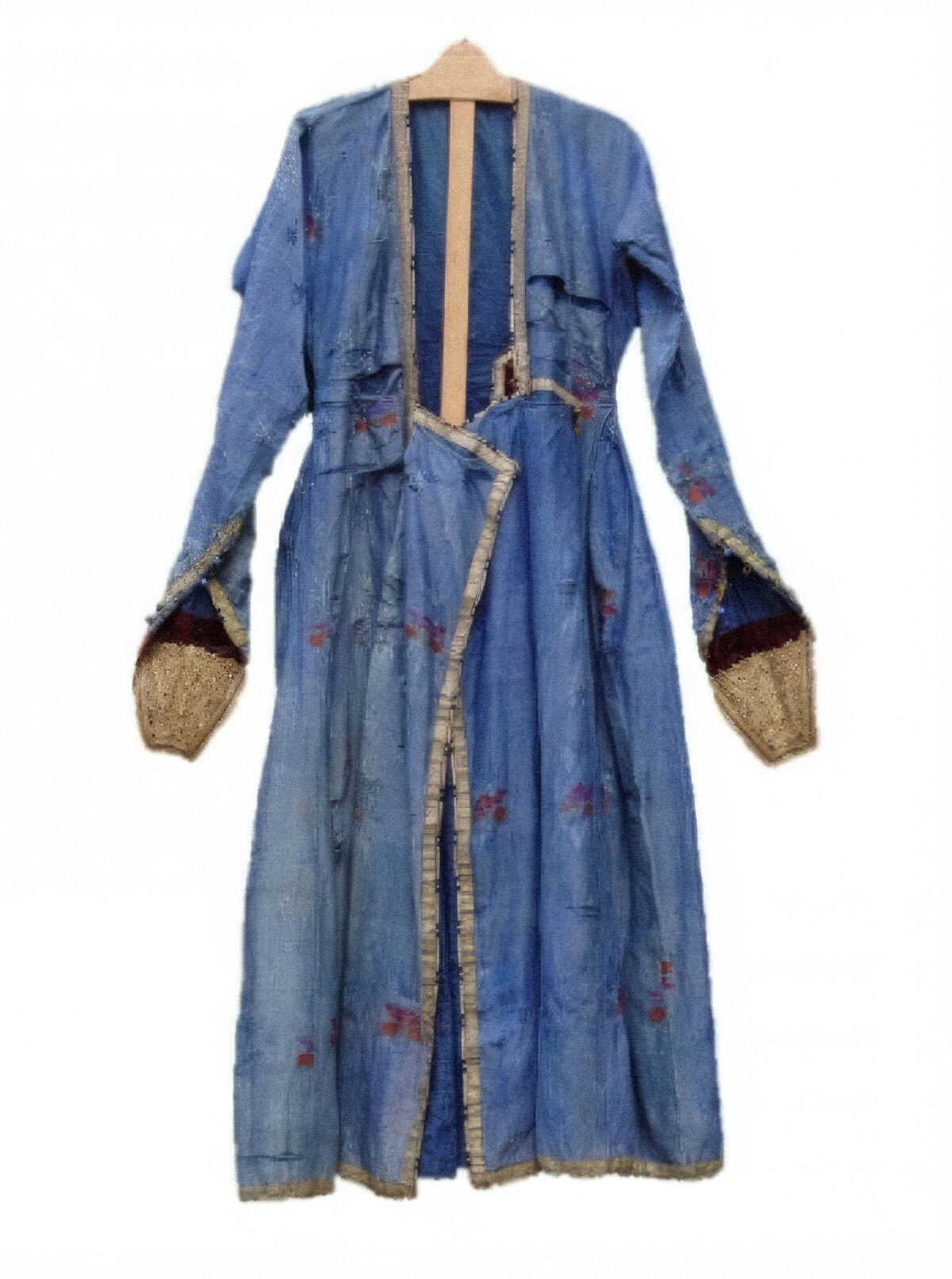
Dress Anter. Crimea, 19th century.
55
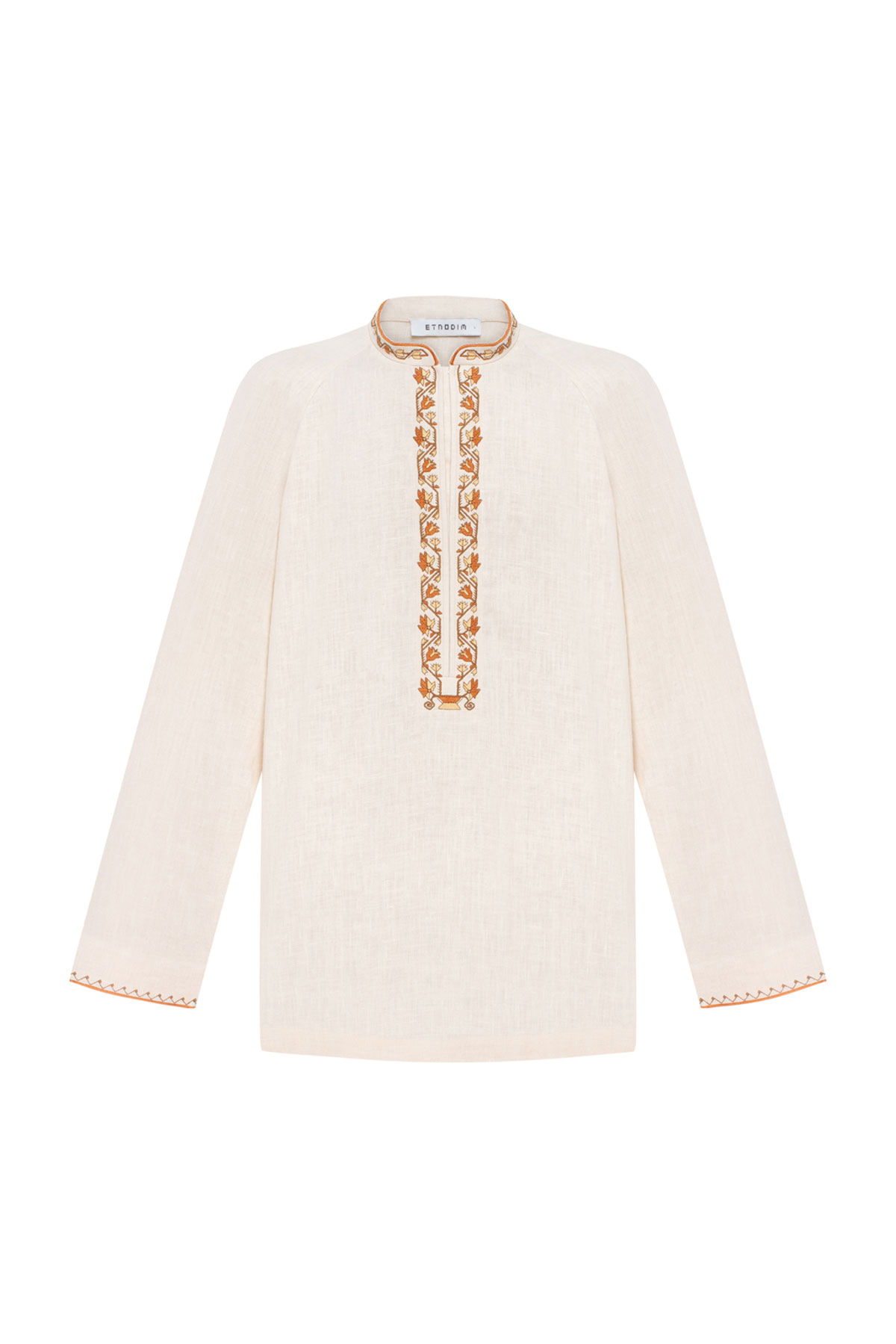
Men's elongated shirt "Kölmek".
52
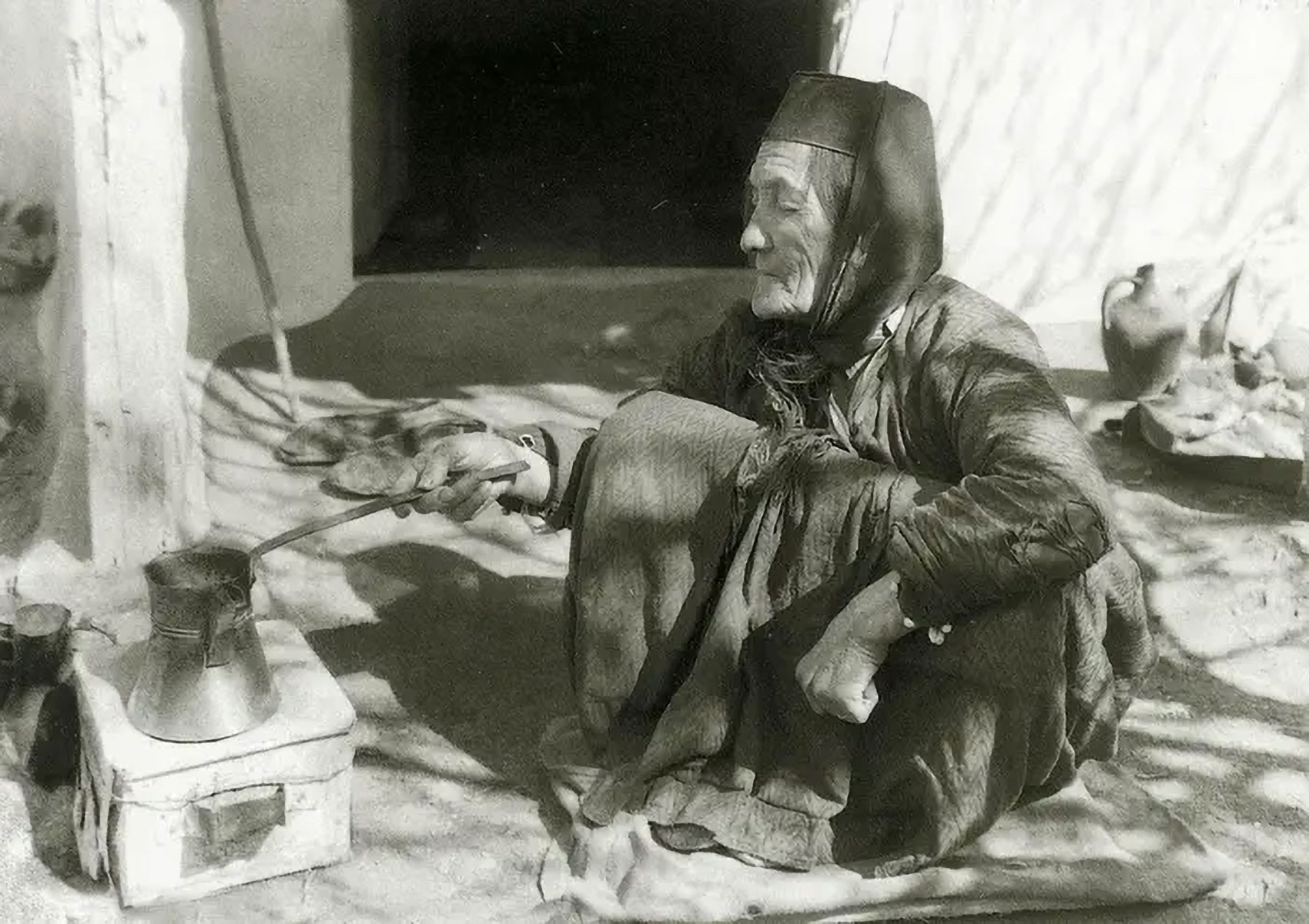
Coffee was not only a cornerstone of Crimean Tatar cuisine but also an essential element of their cultural heritage. Prepared using a manual coffee maker, the coffee pot was a staple on every table. Traditionally, coffee was served with halva and an assortment of jams. By the late 19th century, 62 coffee houses were in operation in Bakhchisaray.
53
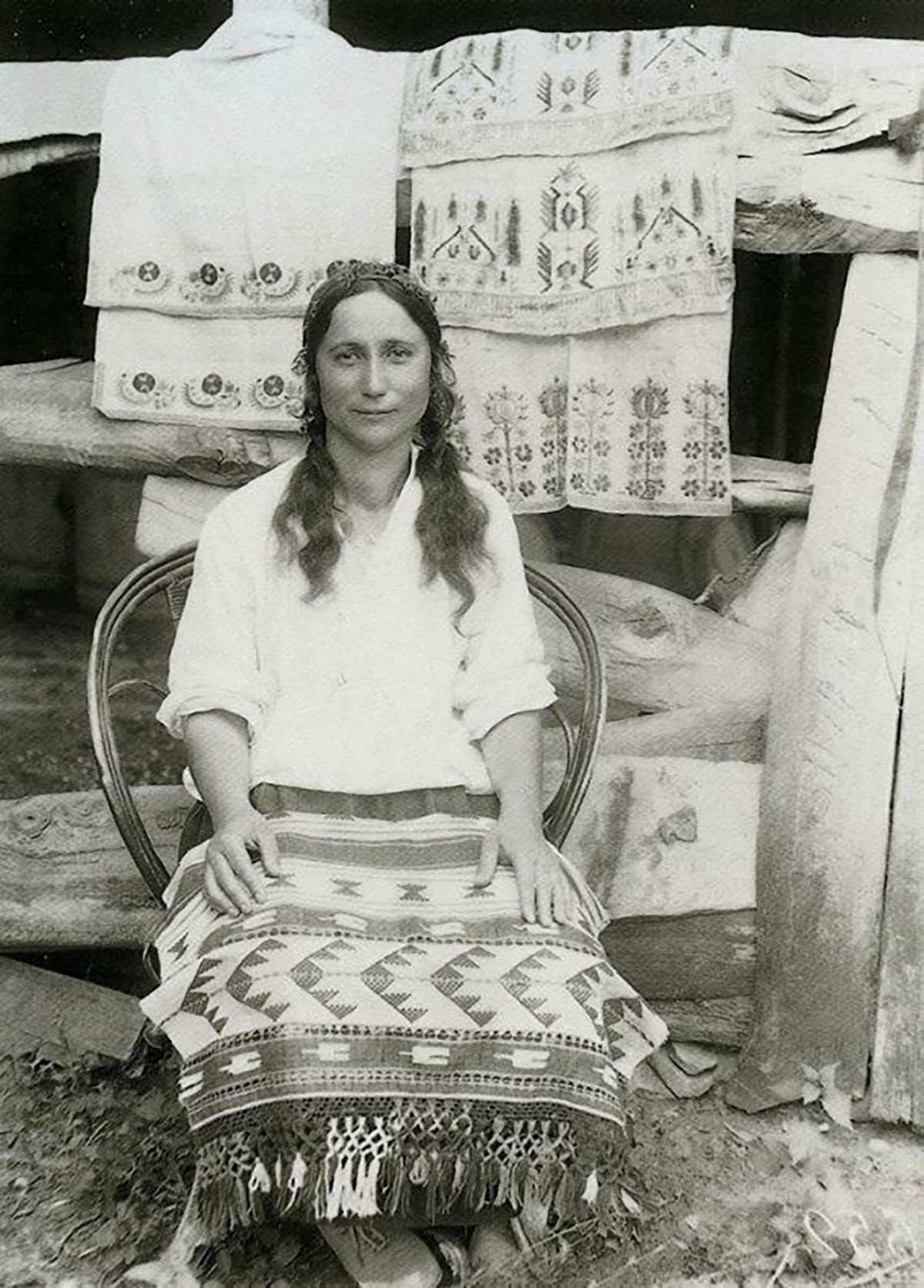
Weaving held a vital role in both the professional craftsmanship and daily life of the Crimean Tatars. The geometric motifs of the Örnek ornament were especially striking in woven textiles and carpets. Linen, cotton, wool, and silk were commonly used, with handwoven linen considered the most valuable for its softness and delicate texture.
48
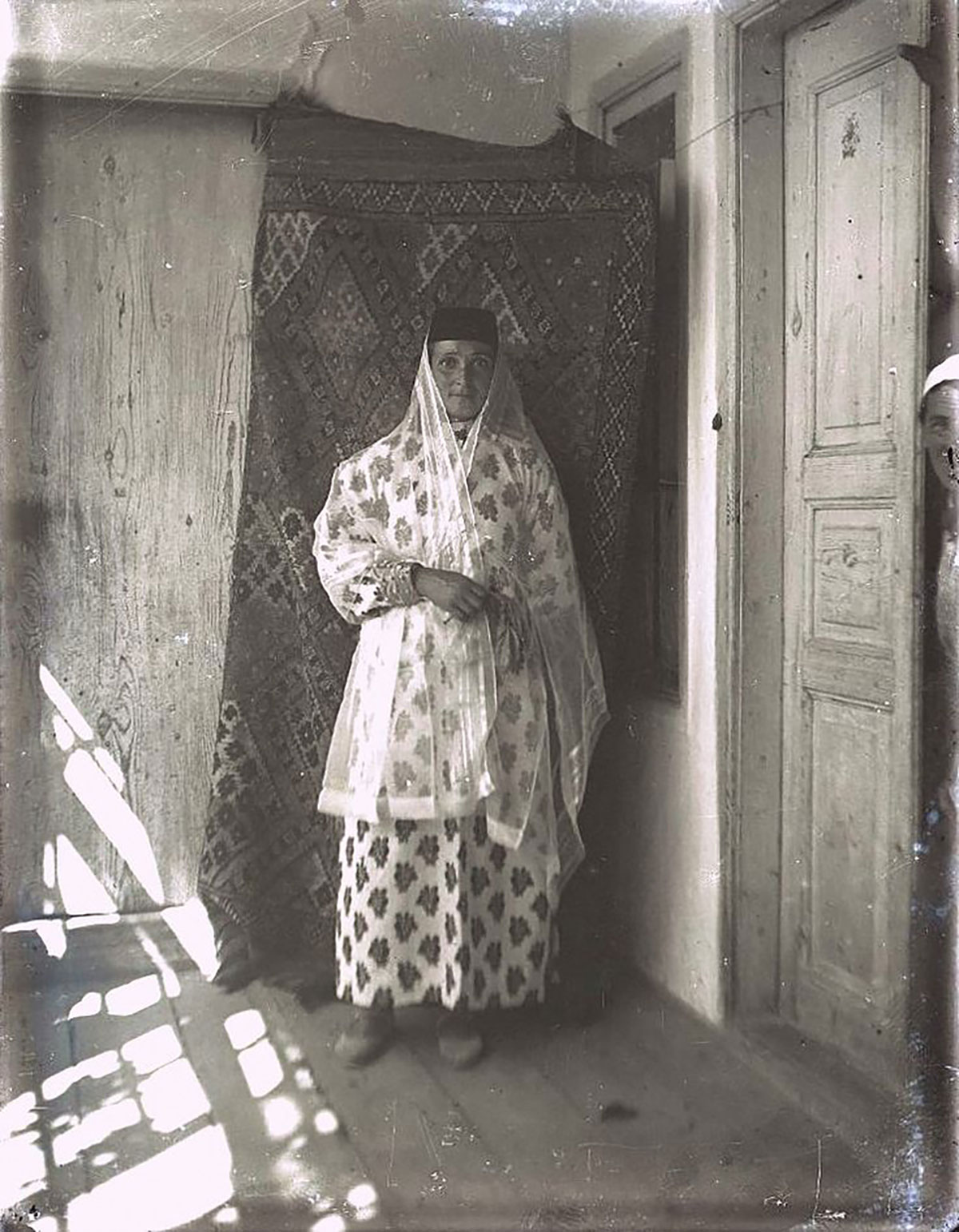
The women’s head shawl, called marama, was a traditional headscarf worn by married women. It had to be long enough to cover the wrists when standing and to wrap the body completely when seated.
50
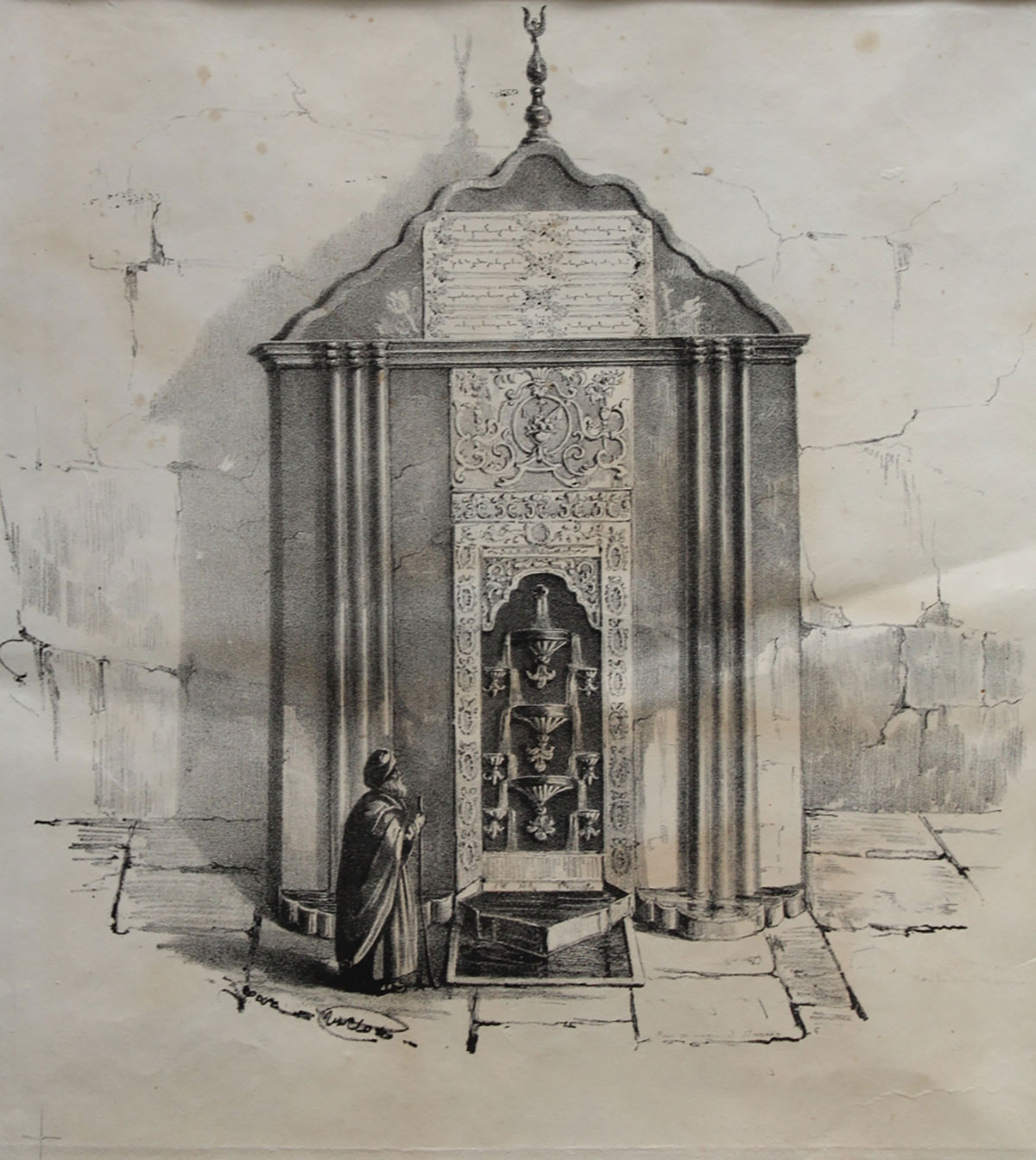
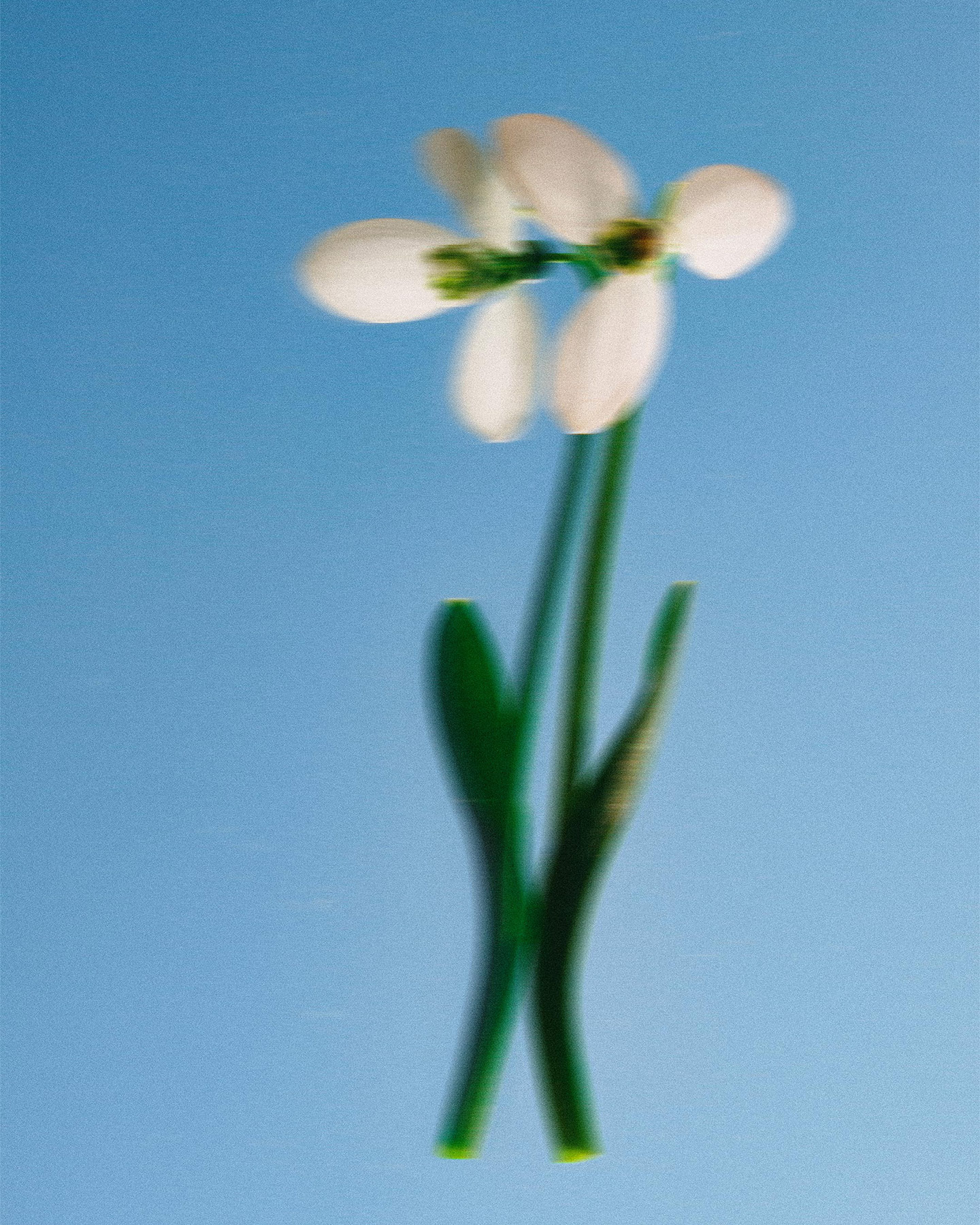
The “Fountain of Tears” is a poetic monument situated within the Khan’s Palace in Bakhchisaray. According to a legend, Khan Qırım Giray commissioned its creation in memory of his lost love. It was crafted by the Iranian master Ömer, who carved a man’s tear in stone to symbolize loss, love, and bitter remorse.
51
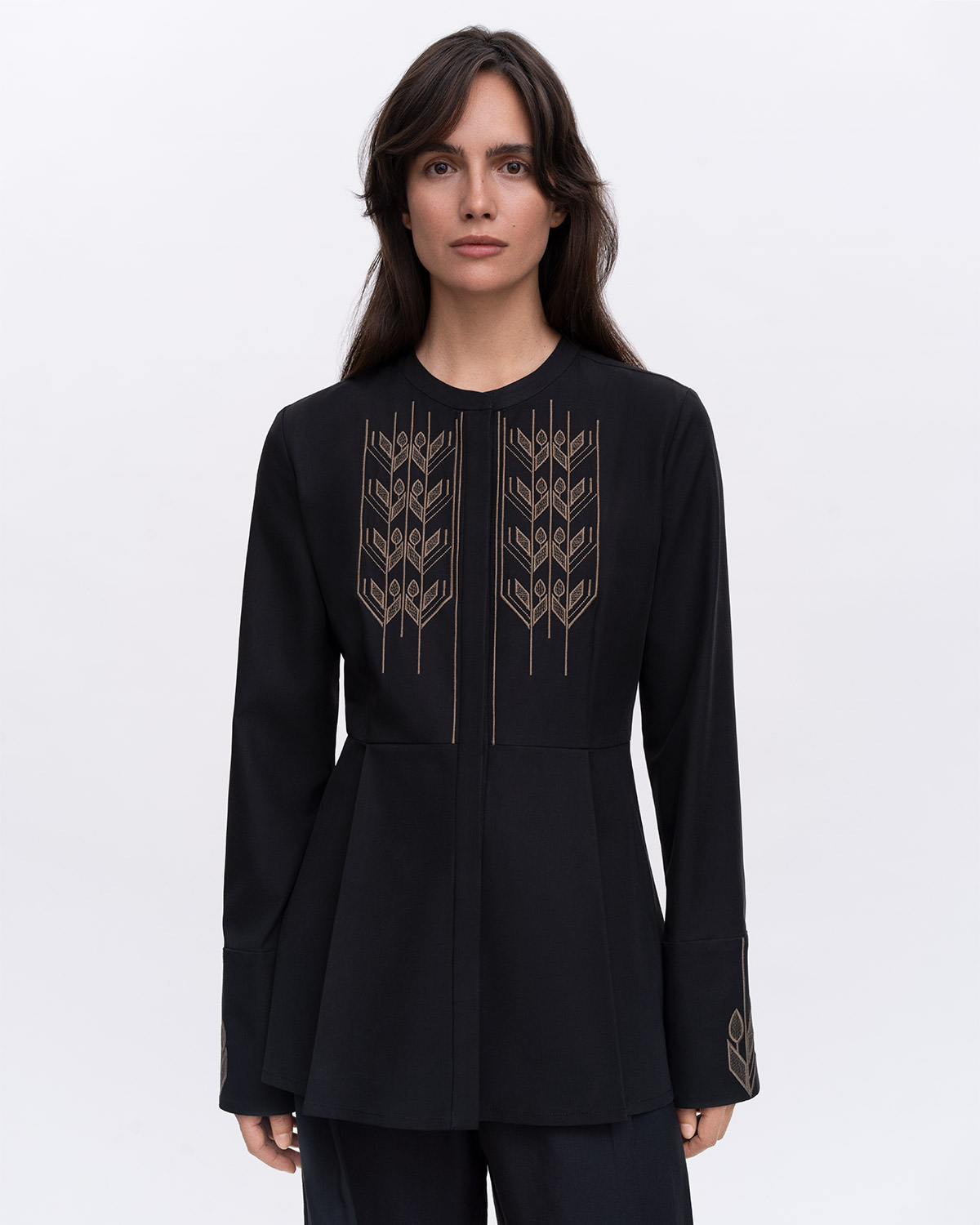
"Adaviye" dress.
72
Asiye Emir-Zade was born in 1896 in Simferopol and was married to the well-known Crimean Tatar actor Hayri Emir-Zade. She starred alongside him in the film Alim, playing Sarra – Alim’s bride. She performed on the stage of the Crimean State Tatar Theater before moving with her husband to Baku.
3
Lesya Ukrainka spent nearly three years in Crimea, creating several significant works there, including the series “Crimean Memories.” Her former residence in Yalta was transformed into a museum. Unfortunately, in 2024, russian occupiers destroyed the museum and erased all traces of the poetess, essentially wiping out a part of the cultural heritage.
4
“Crimea: Photo Album”, 1885. Source: Digital Collections of the New York Public Library.
11
Crimean Tatar women, late 19th – early 20th century.
56
The name Bakhchisaray means “garden palace” in Crimean Tatar, a fitting description since the city was built around the luxurious Khan’s Palace. Its streets still preserve an eastern character with terraced buildings, mosques, and cozy courtyards.
9
Beard grooming comb. Source: Private collection of Rustem Skybin.
68
In her book, historian Gulnara Abdullayeva explores the millennium-long history of Crimea, from the Taurians and ancient cities to the deportations and the 2014 occupation. She introduces readers to lesser-known ethnic groups of the peninsula, including the Urums, Karaites, and Krymchaks, and explains how russia has rewritten Crimean history over the decades.
12
Kölmek is a traditional Crimean Tatar undershirt reaching mid-calf or lower that served as underwear. It was made from natural fabrics such as cotton, linen, or silk and trimmed with lace on the sleeves and neckline. The colors were subdued: white, cream, or ivory.
1
Man in the village of Derekoi. Source: archive of Baron Joseph de Baye.
13
Ornament sketches by Lesya Ukrainka. Source: T. H. Shevchenko Institute of Literature, NAS of Ukraine.
2
“Crimea: Photo Album”, 1885. Source: Digital Collections of the New York Public Library.
8
In winter, a Crimean Tatar woman wore a ton – a velvet coat with contrasting lining that was sometimes trimmed with fur.
14
Crimea. A land richer and more fascinating than we’ve come to know. Visiting the peninsula for a summer getaway by the sea and mountains, have we truly recognized its soul? The Indigenous people whose story we know so little about.
Creating this collection was our long-awaited journey to that very Crimea, authentic and free from stereotypes. Along the way, we had the honor to connect with the distinctive identity of the Crimean Tatars, shaped by their traditions, crafts, language, and faith. Seven pieces were designed from this experience, each revealing the story of this land through the legend of a man’s tears, Lesya Ukrainka’s sketches, the Örnek ornament, and the beauty of the land’s natural surroundings.
Crimean Tatar culture is an immense storehouse of knowledge and inspiration. We’ve only revealed its first page, hoping it encourages you to keep exploring through film, books, and other sources.
Creating this collection was our long-awaited journey to that very Crimea, authentic and free from stereotypes. Along the way, we had the honor to connect with the distinctive identity of the Crimean Tatars, shaped by their traditions, crafts, language, and faith. Seven pieces were designed from this experience, each revealing the story of this land through the legend of a man’s tears, Lesya Ukrainka’s sketches, the Örnek ornament, and the beauty of the land’s natural surroundings.
Crimean Tatar culture is an immense storehouse of knowledge and inspiration. We’ve only revealed its first page, hoping it encourages you to keep exploring through film, books, and other sources.
The Khan’s Palace in Bakhchisaray stands as a unique example of Crimean Tatar palace architecture, which served as the residence of the Giray dynasty (Geraylar) between 1532 and 1783. The complex embodies the Islamic vision of paradise on earth: a palace garden complete with a mosque, fountains, orchards, a harem, and a Persian garden. Today, it is recognized as a national heritage site and is part of a reserve included on UNESCO’s tentative World Heritage list.
71
Men’s upper outerwear varied by function. Common garments included vests, jackets, coats, and sheepskin coats. Among jackets, the most widespread types were miytan, marka, kurkov, and arnaut elegi.
73
Blouse "Örnek" in milky white.
54
Lesya Ukrainka with her brother Mykhailo by the Black Sea. Crimea, 1897.
67
The name of the city Yalta likely originates from the Crimean Tatar word yalı, meaning “on the shore.” Before the 1944 deportation, Crimean Tatars were the indigenous inhabitants of Yalta and other Crimean cities.
10
Interiors were adorned with items featuring the Örnek ornament, including towels (ev-ciyar, yaq bez, sofa-peshkir), napkins (iemeni), scarves, window panels, carved wooden chests (sandıq), and copperware.
5
Hadzhi Islam Devlet. Source.
27
Pattern sketch based on a woven textile sample. Crimea, Yevpatoriia, 1930s.
Source: “Clothing of the Crimean Tatars, late 18th – early 20th century”.
Source: “Clothing of the Crimean Tatars, late 18th – early 20th century”.
18
Embroidered ornamental towel. Source: "Asiye-Zeynep" collection.
16
The Crimean Tatars cultivated a culture of deep respect for water, reflected in their creation of springs and fountains that served as vital community centers.
65
Kushak is a woman’s belt. In the late 19th and early 20th centuries, wedding belts with buckles were a vital part of Crimean Tatar women’s attire. Worn from childhood, these belts were included in the dowry and treasured as family heirlooms. The materials used, decorative motifs, and the complexity of the embellishments served as indicators of the family’s social status.
20
Sketch of kyset "Kırım".
70
Graphics. Author: Seville Nariman Kizi.
49
“Crimean Fig” (Qırım İnciri) is a Ukrainian–Crimean Tatar literary contest founded in 2018. Its goal is to support authors writing about Crimea or in the Crimean Tatar language. The competition covers prose, poetry, essays, and translations, with the best works published in the eponymous anthology.
31
Men's shirt "Black Lake".
62
Adaviye Efendiyeva said, “Menim fikirlirim – menim Örneklirim” (“My patterns are my thoughts”), perceiving each pattern as a reflection of her inner world.
24
Towel embroidery pattern. Fragment. Artist: A.A. Saks (de Lens).
23
Gugyum, a copper jug, was used to carry water from springs. Its wide base and narrow neck ensured stability on mountain paths, making it easy to carry on the shoulder and set down without spilling.
25
Sketch of the blouse cuff "Lesya's Ornaments".
17
Girls in the Embassy Garden of the Khan’s Palace. Bakhchysarai, 1920s.
30
Yevheniia Spaska is a Ukrainian art historian, ethnographer, and scientist who has saved hundreds of traditional folk patterns from fading into oblivion, including the art of Crimean Tatar embroidery. Her unwavering dedication ensured the preservation of the Alexandra Petrova collection, boasting over 700 original drawings and 400 detailed sketches, now recognized as one of the most treasured collections of Crimean Tatar patterns.
26
Ayya-Sofiya Mosque. Crimea, Gurzuf, 1905–1910.
35
Age differences in Crimean Tatar women’s costumes were primarily reflected in the length of outerwear and color palette. The older the woman, the longer her anter dress and main head covering, the marama. Elderly women favored dark clothing paired with white headwear, while younger and single women opted for lighter, brighter shades.
28
Towel embroidery pattern. Fragment. Artist: A.A. Saks (de Lens).
29
Evdzhiyar - ornamental towel. Crimea, late 19th – early 20th century. Source: National Museum of Ukrainian Folk Decorative Art.
34
Mosque in the city of Alupka.
21
The bride’s room stood out for its exceptionally rich decoration. Before the wedding, the bride, together with her friends, hand-embroidered hundreds of household items for her dowry. On the wedding day, the room was adorned with cords hung with embroidered fabrics and garments, weaving a vibrant festive frame that embraced the entire space.
22
Tatar işləmə, the traditional double-sided Crimean Tatar embroidery, includes over 60 types of stitches. It stands out with a sophisticated palette of pastel tones paired with gold and silver threads.
64
Shamaladja-anteri - a type of women's robe. Crimea, Yalta region, late 19th century. Source: “Clothing of the Crimean Tatars, late 18th – early 20th century” book.
Feredzhe - a type of women's robe. Crimea, Yalta, late 19th century. Source: “Clothing of the Crimean Tatars, late 18th – early 20th century” book.
Feredzhe - a type of women's robe. Crimea, Yalta, late 19th century. Source: “Clothing of the Crimean Tatars, late 18th – early 20th century” book.
7
A legend offers a poetic interpretation of the fountain’s symbolism: a marble flower at the top gently releases tears. These tears fill the heart’s chalice, the largest bowl, with sorrow. Over time, wounds begin to heal and sorrow softens (the pair of smaller bowls). Yet memory revives the pain (the large bowl in the middle). Thereby, suffering gives way to enlightenment, until one draws near the threshold of eternity, represented by the spiral at the base of the structure.
39
Garment fronts, collars, and shawls. Source: Digital Collections, New York Public Library.
37
A scientist who discovered and was the first to describe the molting phenomenon in certain Black Sea fish. She wrote over 100 scientific works and made history as the first Crimean Tatar female parachutist.
36
Crimean Tatar theatrical traditions date back to the 15th century, when adventurous plays with eastern flair were performed at the khan’s palaces. The Crimean Tatar Drama Theater opened in Simferopol in 1923 and flourished throughout the 1920s and 1930s until it was closed during Stalinist repression. It was revived in 1990 and today holds the status of an academic theater.
32
In traditional Crimean Tatar society, men shaved their heads completely and always kept mustaches, as a requirement of religious purity in Islam. To avoid washing their hair after each prayer, they removed all scalp hair and trimmed their mustaches so they would not cover the upper lip. Special combs were used for grooming: larger ones for beards and smaller ones for mustaches.
19
In December 1917, the Crimean Tatar people held their first Qurultay, a historic assembly that proclaimed the Crimean People’s Republic, adopted its Constitution, and established the Mejlis. This event marked a defining moment in Crimean Tatar history and became a symbol of their statehood tradition. The Qurultay was restored in 1991, reaffirming the nation’s sovereignty, and electing Mustafa Dzhemilev as head of the Mejlis.
63
“Two women on a street in Bakhchysarai”. Artist: N. Zhaba. Source: Bakhchisaray Historical, Cultural and Archaeological Museum-Reserve.
58
"Lesya’s Ornaments" blouse.
66
Kise (kyset) – a small embroidered pouch for personal items. This accessory served as a way to carry tobacco, coins, flintstone, and other small essentials. The pouch was adorned with silk or metallic threads, often on both sides, and decorated with the traditional Crimean Tatar motif known as Örnek.
38
The Crimean Tatar ornamental motif Örnek is a pattern system encoding ideas about family, home, love, and memory. In 2021, Örnek was inscribed on UNESCO’s Intangible Cultural Heritage list, a tribute to the efforts of craftsmen and scholars who returned after deportation and rebuilt the craft almost from scratch. Those familiar with its symbolic language can “read” Örnek like a book.
42
Weaving held a vital role in both the professional craftsmanship and daily life of the Crimean Tatars. The geometric motifs of the Örnek ornament were especially striking in woven textiles and carpets. Linen, cotton, wool, and silk were commonly used, with handwoven linen considered the most valuable for its softness and delicate texture.
48
The women’s head shawl, called marama, was a traditional headscarf worn by married women. It had to be long enough to cover the wrists when standing and to wrap the body completely when seated.
50
A minaret is a tall tower beside a mosque from which the muezzin calls Muslims to prayer. In Crimean Tatar architecture, minarets are an integral element of mosques, particularly in Bakhchysarai and Sudak, each with a unique regional aesthetic.
44
Coffee was not only a cornerstone of Crimean Tatar cuisine but also an essential element of their cultural heritage. Prepared using a manual coffee maker, the coffee pot was a staple on every table. Traditionally, coffee was served with halva and an assortment of jams. By the late 19th century, 62 coffee houses were in operation in Bakhchisaray.
53
This was the first Soviet film about the Crimean Tatar folk hero Alim Aidamak, featuring Crimean Tatar actors Hayri and Asiye Emir-Zade in the leading roles for the first time. Despite its tremendous success, the film was banned in 1937, and all copies were destroyed. It wasn’t until many decades later that the film was brought back to audiences.
6
The “Fountain of Tears” is a poetic monument situated within the Khan’s Palace in Bakhchisaray. According to a legend, Khan Qırım Giray commissioned its creation in memory of his lost love. It was crafted by the Iranian master Ömer, who carved a man’s tear in stone to symbolize loss, love, and bitter remorse.
51
Uchkur (uçkur), a wedding sash embroidered with the family tree, is still given to the groom as a protective talisman and a message for the future. Like other wedding items, it is now often crafted by professional embroiderers, following a design approved by the bride, since the ornament reflects her hopes for her future family.
45
Crimean pines can live for more than 500 years and are capable of rooting even in rock crevices. Their roots exert such force that they can split stones by penetrating the smallest cracks. Because of this unique ability, Crimean pines frequently grow on mountain cliff ledges, giving the impression of trees suspended in midair – one of the most recognizable images of the Crimean landscape.
59
Spinner. Bakhchysarai, 1920s. Photo: Usein Bodaninsky. Source: “Crimean Tatars. Crimean Tatars. Qırım Tatarlar” postcard book. Master Knyh, Kyiv, 2020.
46
The "Örnek" blouse in soft green.
33
A Qur’an case decorated with a seamless embossed pattern of winding vines, leaves, and flowers, emphasizing the sacred significance of the book.
15
Painting “Gurzuf at Night”, 1983. Artist: Seitkhalil Osmanov.
57
Crimean Tatar houses in Bakhchisaray were traditionally two-story structures, featuring a stone ground floor for household needs and a wooden upper floor for residential living spaces. The upper floor often extended beyond the lower one, creating a canopy, while a shared veranda with stairs to the terrace connected the women’s and men’s quarters.
60
Women’s outerwear included an anter dress and a jacket, either a marka or a khırkha. The anter featured a distinctive cut: the narrow sleeves, with a triangular or trapezoidal flare at the bottom, fully covered the hands, while the fastening with a distinctive hinged clasp allowed the garment’s size to be adjusted. By the late 19th century, the dress silhouette had undergone slight modernization while still preserving its traditional design features.
61
Adaviye Efendiyeva (1879–1944) – one of the most prominent Crimean Tatar embroiderers and a master weaver. She created over 500 ornamental compositions that shaped the production of every Artel (craft cooperative) in Crimea during the 1930s. Her works were exhibited across Europe and the United States, yet the artist herself died in exile near Samarkand during the 1944 deportation.
47
Aspr - coin, Genoese coinage during the reign of Hadzhi Geray. City of Kefe (now Feodosiia).
69
Marama - ceremonial women's headscarf of the Crimean Tatars. Crimea, Bakhchysarai, early 20th century. Source: private collection of Elmira Seit-Ametova. Ukrainian Institute of Fashion History.
40
Dress Anter. Crimea, 19th century.
55
Embroidery fragment. Source: Bakhchysarai Historical and Cultural Reserve "Authentic Ukraine.
43
Sherbenti, a traditional headscarf worn by young women, was made from loosely woven cotton or fine white muslin, imported from Turkey or the South Caucasus.
41
Men's elongated shirt "Kölmek".
52
1.
Kölmek - traditional undershirt. Crimea, village of Shelen, late 19th – early 20th century.
2.
Ornament sketches by Lesya Ukrainka. Source: T. H. Shevchenko Institute of Literature, NAS of Ukraine.
3.
Poster for the movie “Alim”. Yalta, Second VUFKU Film Studio, 1926.
Source: VUFKU (The All-Ukrainian Photo Cinema Administration).
Source: VUFKU (The All-Ukrainian Photo Cinema Administration).
4.
Lesya Ukrainka in Crimea. Chukurlar Park, 1897. Source: collected works, Naukova Dumka, 1976.
5.
Bedroom in a Crimean Tatar home. Crimea, village of Demirci yayla, 1908. Photo: M. Dubrovskyi. Source: MAE Photo Archive №1299-12.
6.
Still from the movie “Alim”. Second VUFKU Film Studio. Yalta, 1926.
Source: VUFKU (The All-Ukrainian Photo Cinema Administration).
Source: VUFKU (The All-Ukrainian Photo Cinema Administration).
7.
Shamaladja-anteri - a type of women's robe. Crimea, Yalta region, late 19th century. Source: “Clothing of the Crimean Tatars, late 18th – early 20th century” book.
Feredzhe - a type of women's robe. Crimea, Yalta, late 19th century. Source: “Clothing of the Crimean Tatars, late 18th – early 20th century” book.
Feredzhe - a type of women's robe. Crimea, Yalta, late 19th century. Source: “Clothing of the Crimean Tatars, late 18th – early 20th century” book.
8.
“Crimea: Photo Album”, 1885. Source: Digital Collections of the New York Public Library.
9.
Street in Bakhchysarai.
10.
Yalta, 1903. Photo: Mykola Vecherskyi.
11.
“Crimea: Photo Album”, 1885. Source: Digital Collections of the New York Public Library.
12.
Cover of the book “History of Crimea. A Brief Tale of a Long Journey”. Author: Gulnara Abdulayeva. Cover design: Tetiana Omelchenko. Vikhola Publishing, Kyiv, 2024.
13.
Man in the village of Derekoi. Source: archive of Baron Joseph de Baye.
14.
Women’s jacket. Bakhchysarai, early 20th century. Source: REM 803-5.
15.
Quran case, 19th century. Source: National Museum of the History of Ukraine.
16.
Embroidered ornamental towel. Source: "Asiye-Zeynep" collection.
17.
Sketch of the blouse cuff "Lesya's Ornaments".
18.
Pattern sketch based on a woven textile sample. Crimea, Yevpatoriia, 1930s.
Source: “Clothing of the Crimean Tatars, late 18th – early 20th century”.
Source: “Clothing of the Crimean Tatars, late 18th – early 20th century”.
19.
Beard grooming comb. Source: Private collection of Rustem Skybin.
20.
Photo of a woman. Source: V. Feldman's photo album "Residents of Bakhchisarai", 1903. Central State Historical and Cultural Museum of Ukraine.
21.
Mosque in the city of Alupka.
22.
Living room in a Crimean Tatar house. Yalta, Gurzuf village, 1908.
23.
Towel embroidery pattern. Fragment. Artist: A.A. Saks (de Lens).
24.
“Uchkur”, embroidery and design by A. Efendiieva, Yevpatoriia, 1900. Source: “Ornamental Embroidery of Crimea” book, Polina Chepurina, 1938.
25.
Güğüm - traditional ceramic water jug, 19th century. Source: National Museum of the History of Ukraine.
26.
Embroidery motif for a men's belt. Artist: Yevheniia Spaska.
27.
Hadzhi Islam Devlet. Source.
28.
A woman draped in a blanket. Bakhchysarai, 1913. Source: REM 8989-24.
29.
Towel embroidery pattern. Fragment. Artist: A.A. Saks (de Lens).
30.
Girls in the Embassy Garden of the Khan’s Palace. Bakhchysarai, 1920s.
31.
Cover of the book “Crimean Fig”. Compiled by: Alim Aliev, Anastasiia Levkova. Cover design: Ivan Shkoropad, Nazar Haiduchyk. VSL, 2023.
32.
Opening of the Crimean Tatar Academic Music and Drama Theatre and premiere performance. Simferopol, 1990. Photo: Akim Seitablaiev. Source: 90.in.ua
33.
The "Örnek" blouse in soft green.
34.
Evdzhiyar - ornamental towel. Crimea, late 19th – early 20th century. Source: National Museum of Ukrainian Folk Decorative Art.
35.
Ayya-Sofiya Mosque. Crimea, Gurzuf, 1905–1910.
36.
Zore Ablyamitova, scientist, Doctor of Biological Sciences (on the right), with a friend.
37.
Garment fronts, collars, and shawls. Source: Digital Collections, New York Public Library.
38.
Kyset (embroidered pouch). Crimea, Bakhchysarai, late 19th century. Source: REM 803-25.
39.
Fragment of the Fountain of Tears. Khan's Palace, Bakhchysarai. Photo: Tetiana Klymenko.
40.
Marama - ceremonial women's headscarf of the Crimean Tatars. Crimea, Bakhchysarai, early 20th century. Source: private collection of Elmira Seit-Ametova. Ukrainian Institute of Fashion History.
41.
“Sherbente”, embroidery and design by A. Ablyakymova, village of Otuz, 1912. Source: “Ornamental Embroidery of Crimea” book, Polina Chepurina, 1938.
42.
Sample of Crimean Tatar embroidery from the 19th–20th centuries. Source: Yalta Historical and Literary Museum collection.
43.
Embroidery fragment. Source: Bakhchysarai Historical and Cultural Reserve "Authentic Ukraine.
44.
View of the Orta-Jami minaret, Bakhchysarai. 1870s–1880s. Photographer unknown.
45.
Uchkur - groom’s ceremonial belt.
Crimea, late 19th century. Source: National Museum of Ukrainian Folk Decorative Art.
Crimea, late 19th century. Source: National Museum of Ukrainian Folk Decorative Art.
46.
Spinner. Bakhchysarai, 1920s. Photo: Usein Bodaninsky. Source: “Crimean Tatars. Crimean Tatars. Qırım Tatarlar” postcard book. Master Knyh, Kyiv, 2020.
47.
Oima - cutwork appliqué. May, 1943. Artist: Adaviye Efendiieva. Source: Crimean Republican Museum of Local History.
48.
Weaver. Crimea. Photo: Usein Bodaninsky. Source: “Crimean Tatars. Crimean Tatars. Qırım Tatarlar” postcard book. Master Knyh, Kyiv, 2020.
49.
Graphics. Author: Seville Nariman Kizi.
50.
Woman in national dress. Crimea, village of Hlybokyi Yar (Ulakly), 1938. Source: MAE I 1750-67.
51.
Lithography “Fountain of Tears in Bakhchysarai”. Source: V. Pasika’s album, 1838–1840.
52.
Men's elongated shirt "Kölmek".
53.
Coffeemaking, 1920s. Photo: Usein Bodaninsky. Source: “Crimean Tatars. Crimean Tatars. Qırım Tatarlar” postcard book. Master Knyh, Kyiv, 2020.
54.
Blouse "Örnek" in milky white.
55.
Dress Anter. Crimea, 19th century.
56.
Crimean Tatar women, late 19th – early 20th century.
57.
Painting “Gurzuf at Night”, 1983. Artist: Seitkhalil Osmanov.
58.
“Two women on a street in Bakhchysarai”. Artist: N. Zhaba. Source: Bakhchisaray Historical, Cultural and Archaeological Museum-Reserve.
59.
Man en route to the Uchan-Su Waterfall, 1891. Source: photo archive of O. Zhivago.
60.
Bakhchysarai, 1900s–1920s.
61.
Shamaladja anter - dress made of damask silk. Crimea, 19th century.
62.
Men's shirt "Black Lake".
63.
Second Qurultay (National Congress) of the Crimean Tatar People. Simferopol, Trade Union Palace, June 26, 1991. Photo: archive of Seit-Yag’ya Kazakov.
Source: 90.in.ua
Source: 90.in.ua
64.
Embroideress. Bakhchysarai, 1920s. Photo: Usein Bodaninsky. Source: “Crimean Tatars. Crimean Tatars. Qırım Tatarlar” postcard book. Master Knyh, Kyiv, 2020.
65.
Women by a fountain in Alupka, 1887.
66.
"Lesya’s Ornaments" blouse.
67.
Lesya Ukrainka with her brother Mykhailo by the Black Sea. Crimea, 1897.
68.
Beard grooming comb. Source: Private collection of Rustem Skybin.
69.
Aspr - coin, Genoese coinage during the reign of Hadzhi Geray. City of Kefe (now Feodosiia).
70.
Sketch of kyset "Kırım".
71.
Khan's Palace before restoration and the scenery of Bakhchysarai during the Soviet period. Source: Krym.Realii.
72.
"Adaviye" dress.
73.
Men on the southern coast of Crimea. Village of Sary-Su, 1905. Source: archive of Baron Joseph de Baye.