



Winter collection
“Polyphony”
There is an ongoing dialogue between you and the world. Sometimes, clothing starts the conversation.
Clothing becomes a point of connection between the body, culture, and the world around us.
In our new winter collection, we explore rhythm — a shared element connecting the many voices of music, the structures of living ecosystems, and the motifs of Ukrainian embroidery.
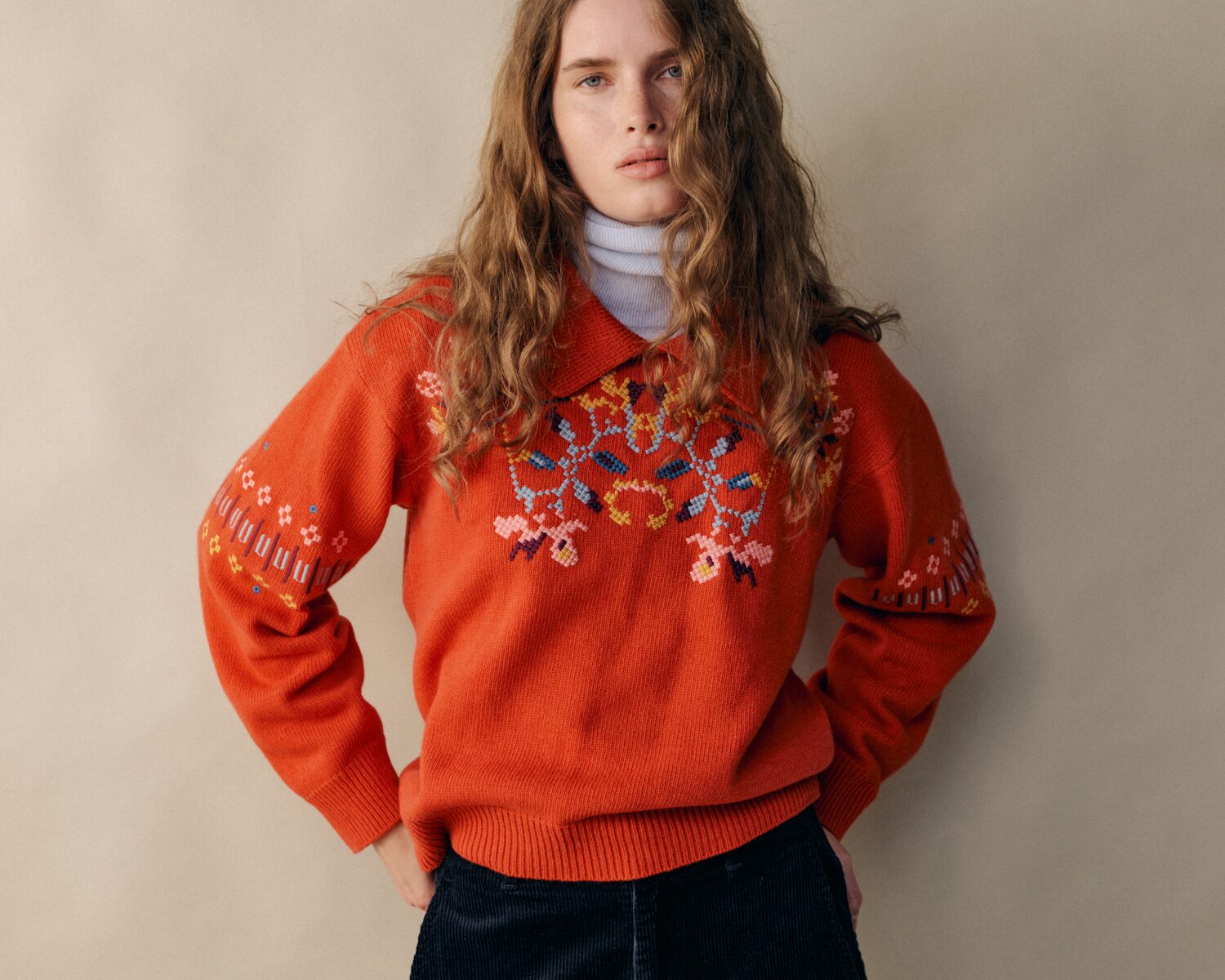
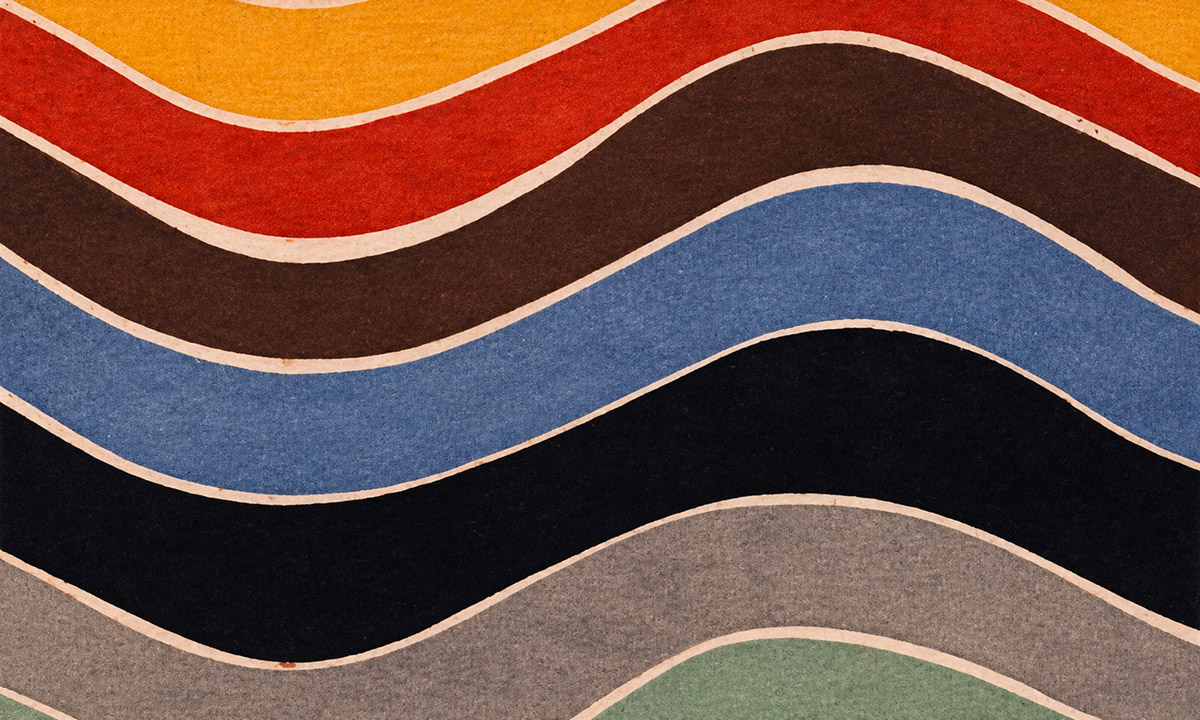
Embroidery has never been merely decorative. It has long been a way of understanding and capturing the order of the world. These rhythms have been passed down through generations in the form of patterns and ornaments. Today, modern technology lets us see the same principles in the structure of galaxies and plants. By exploring these systems, we discover the connections between them and translate them into a contemporary visual language.
This is how polyphony comes to life: many voices and structures coexisting and coming together in a harmonious whole. This collection is about garments that resonate with you, and a world that always echoes back.
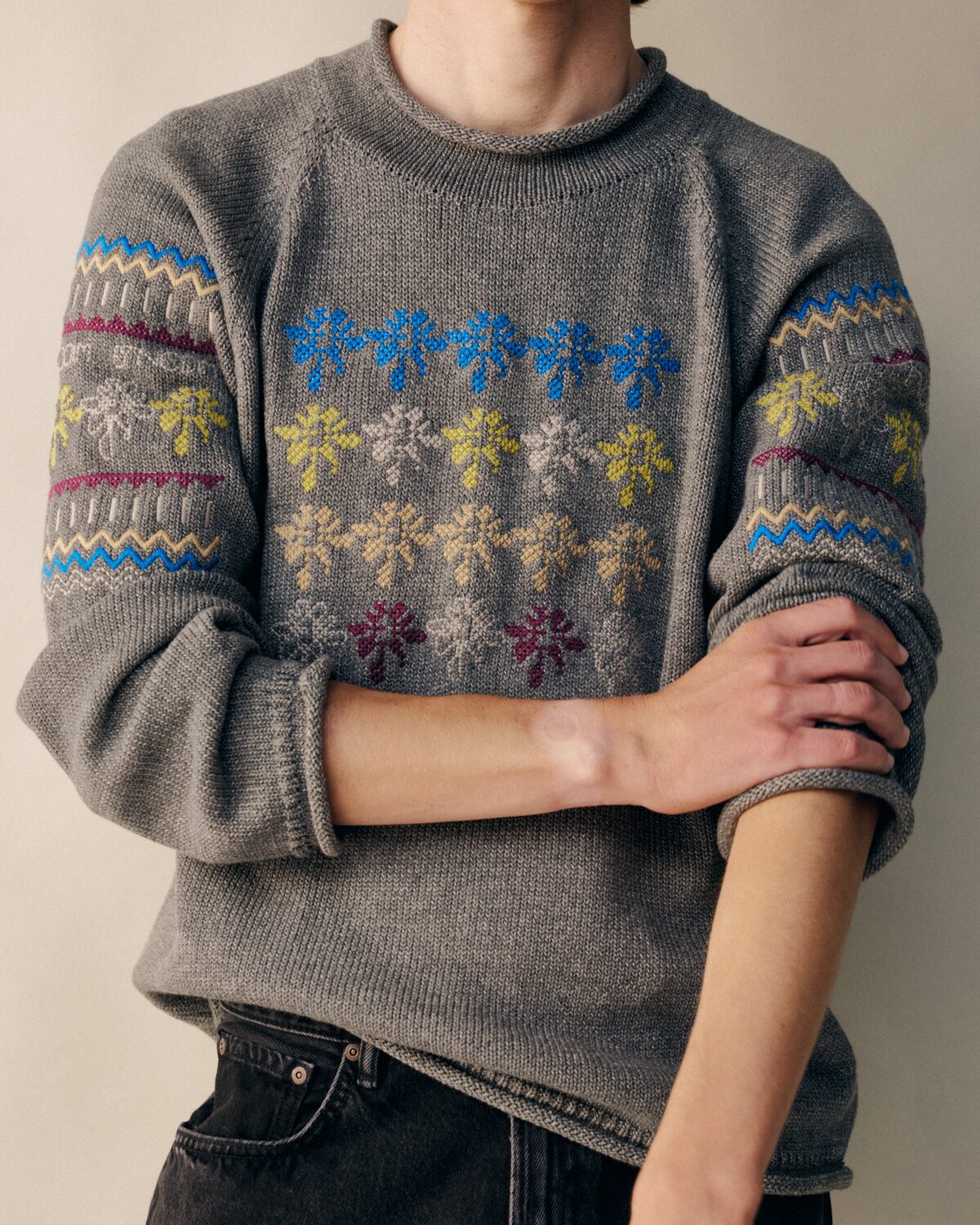
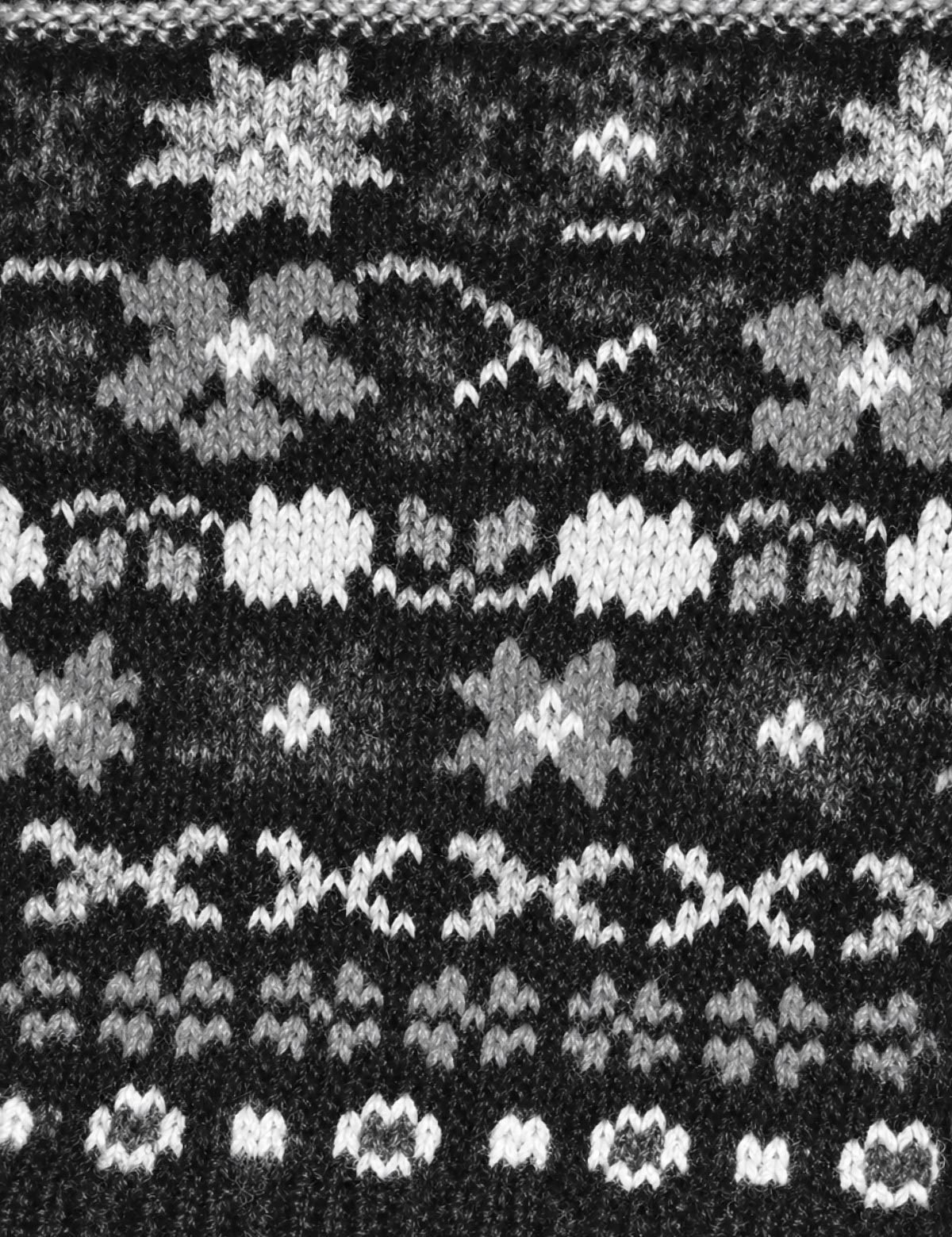

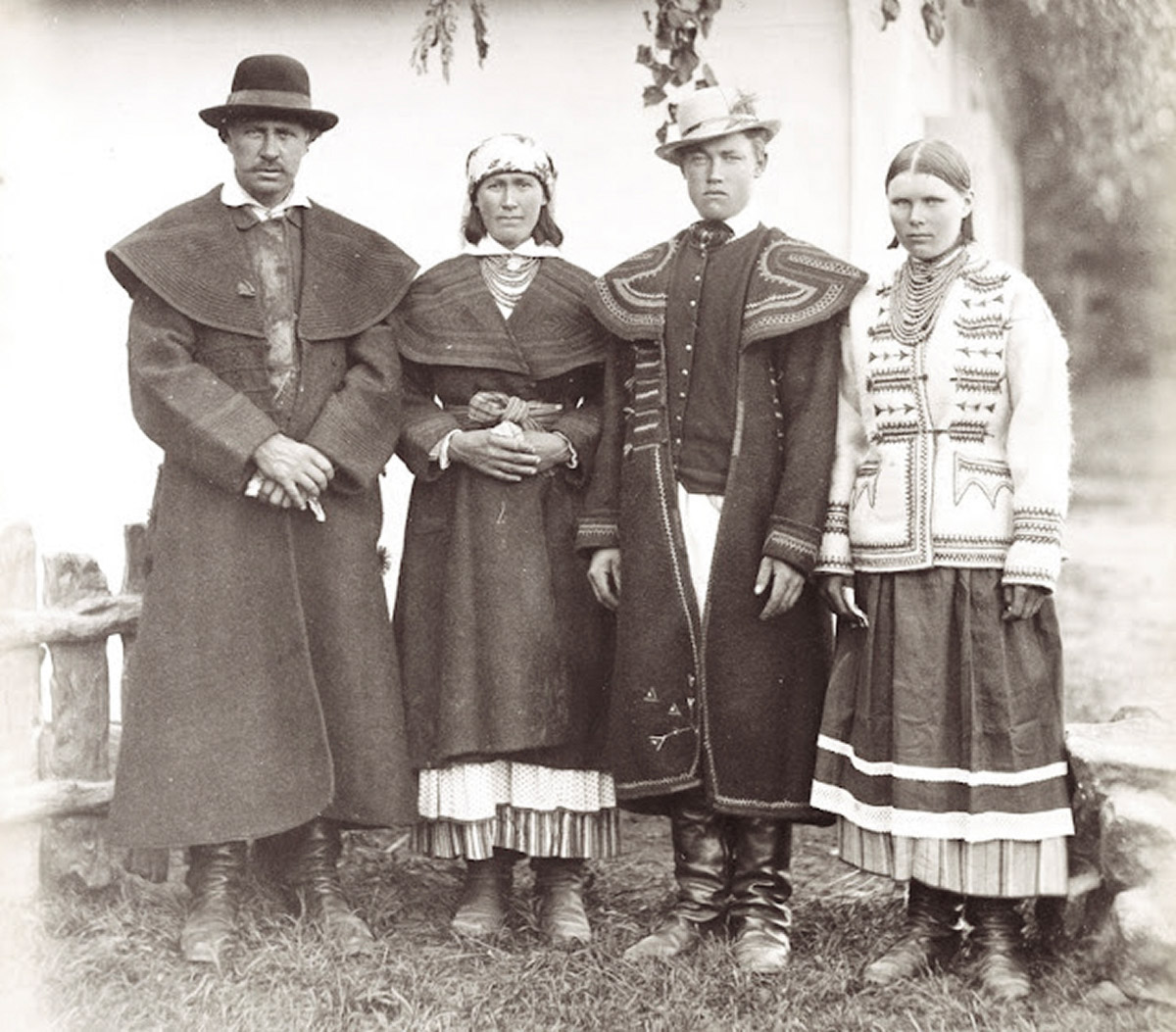
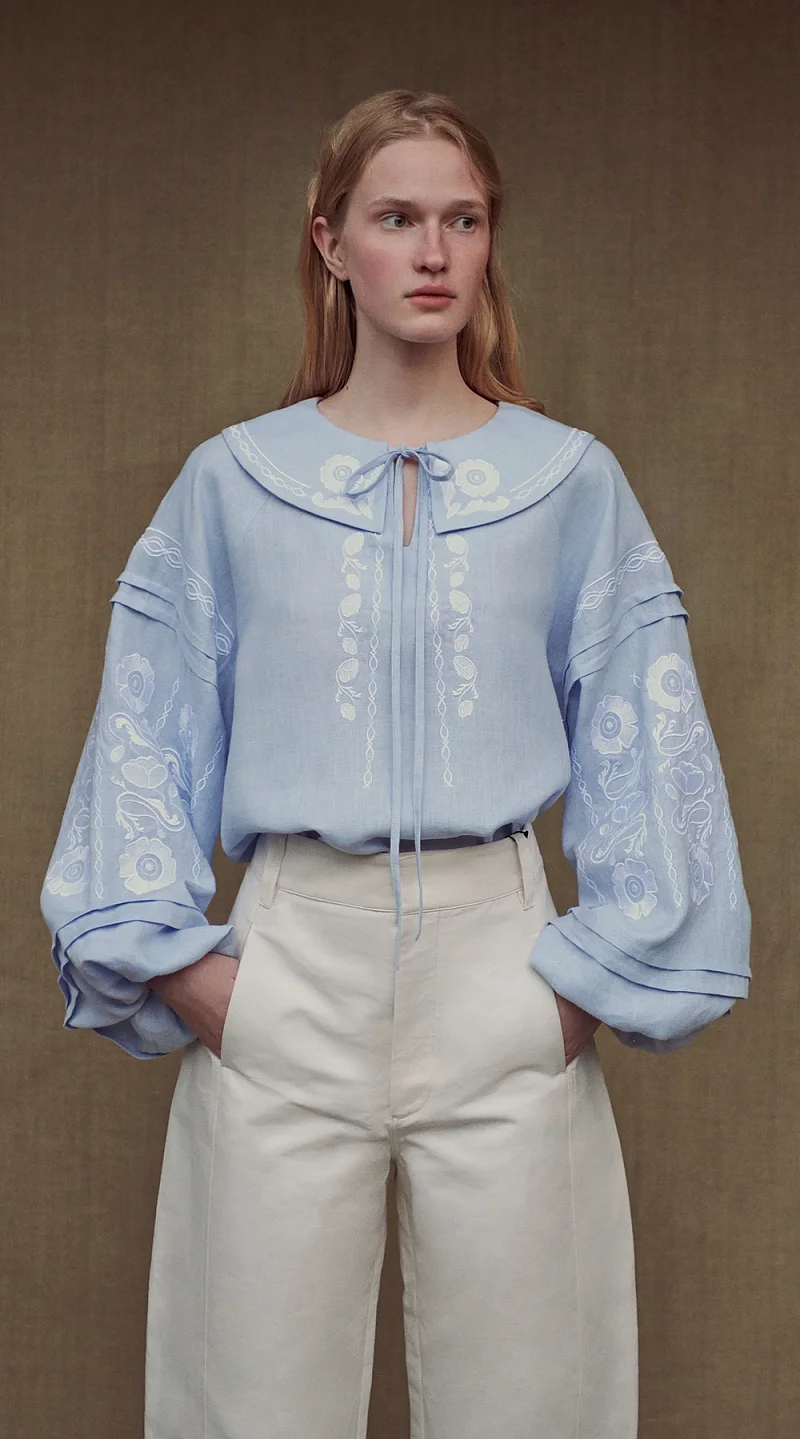
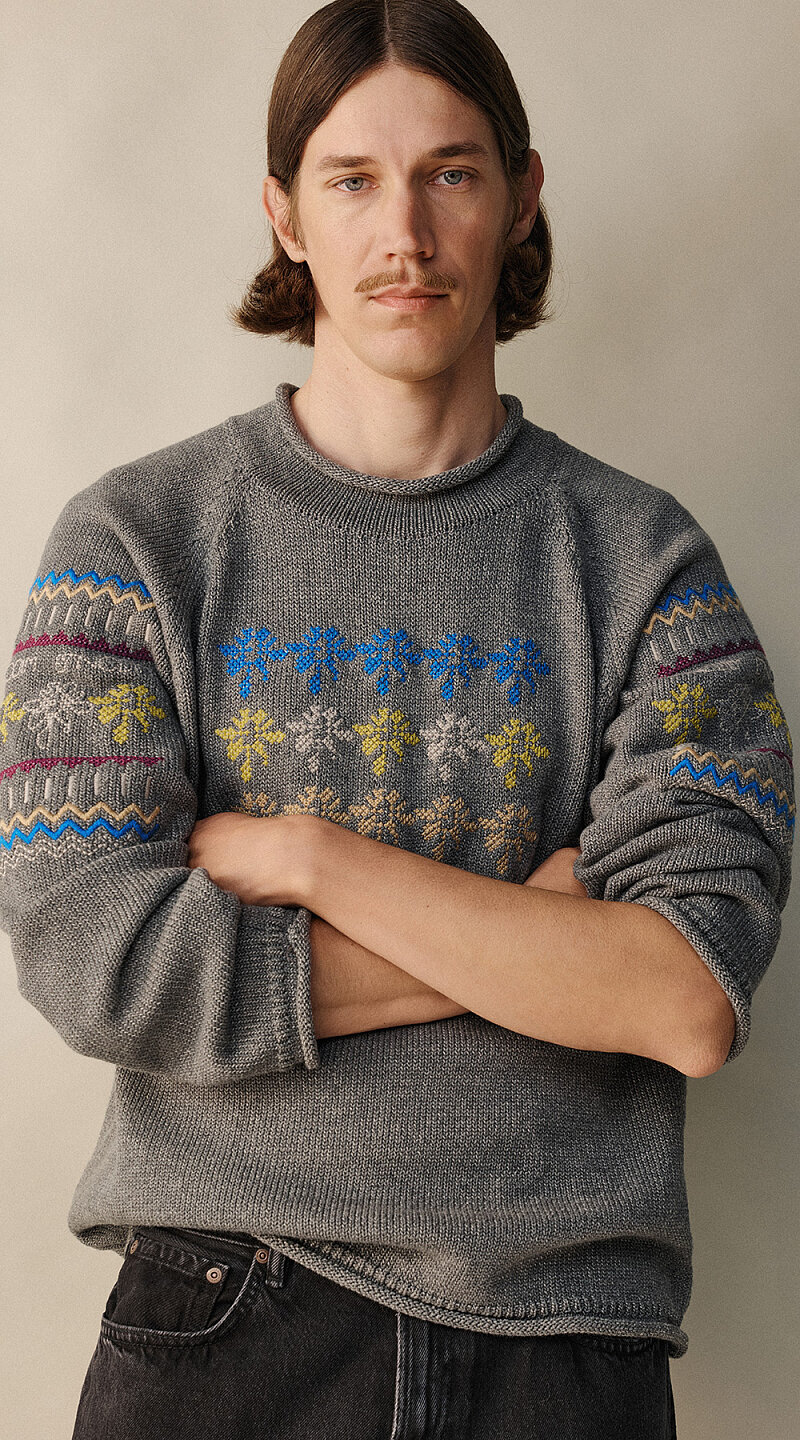
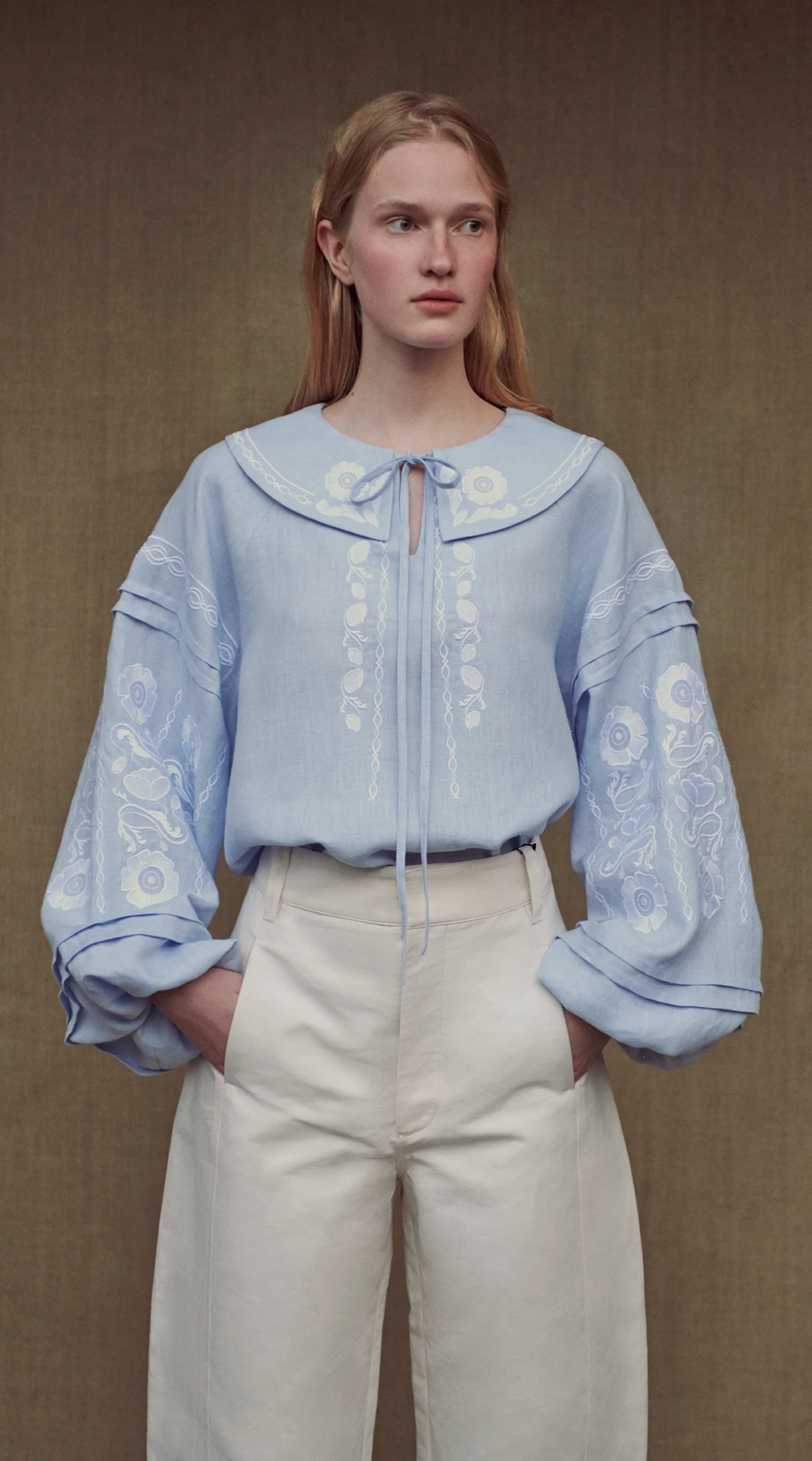
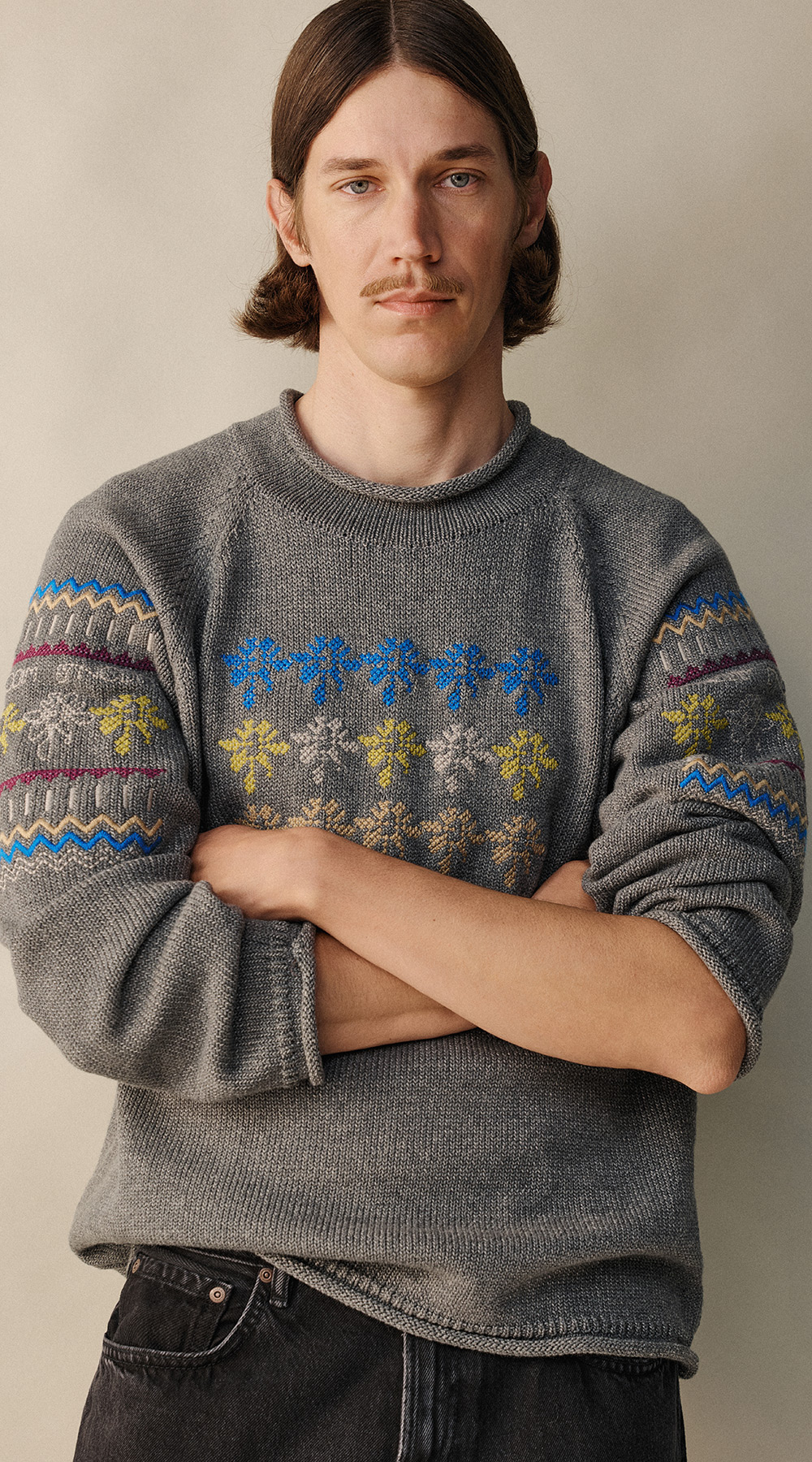
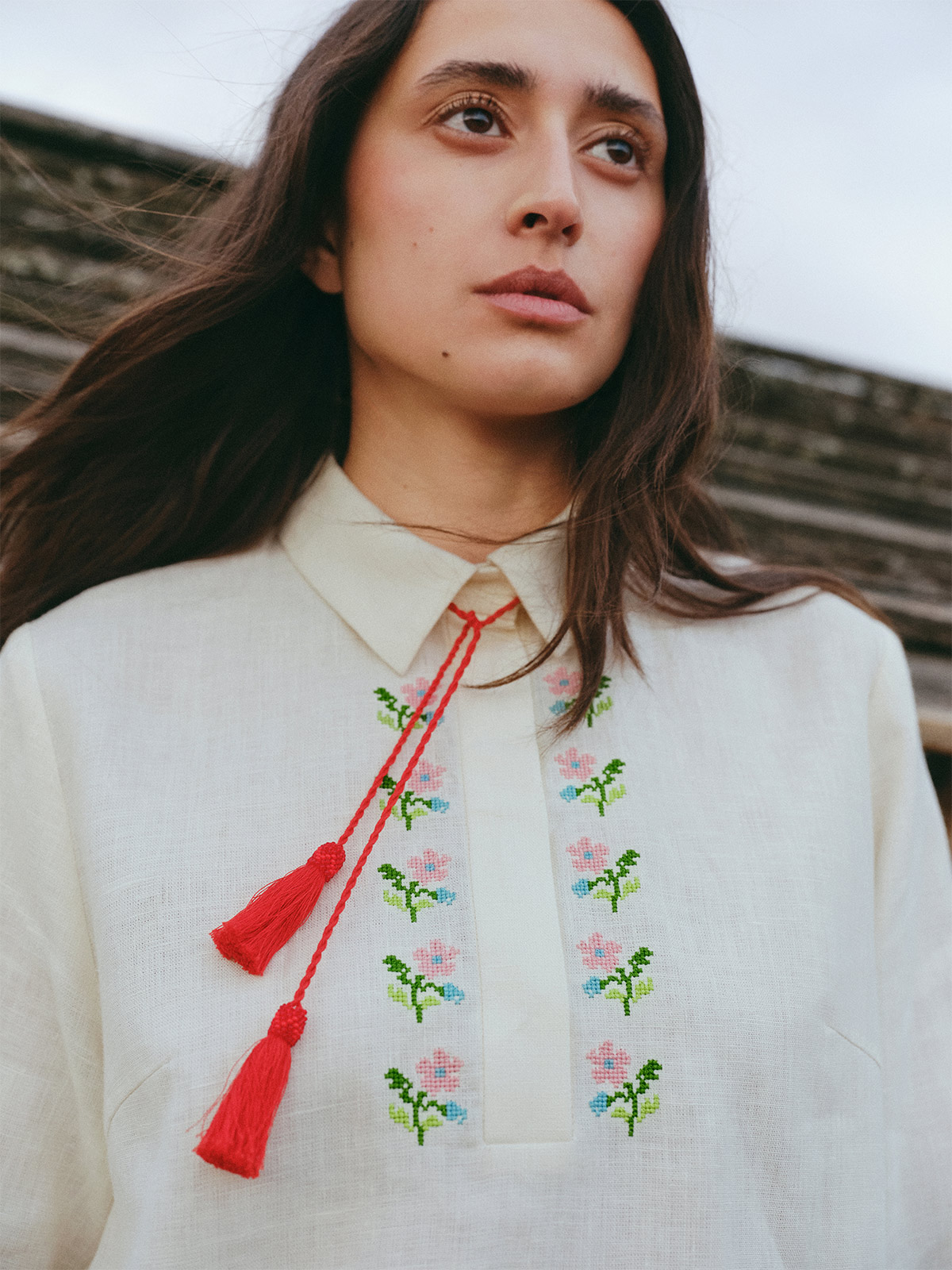
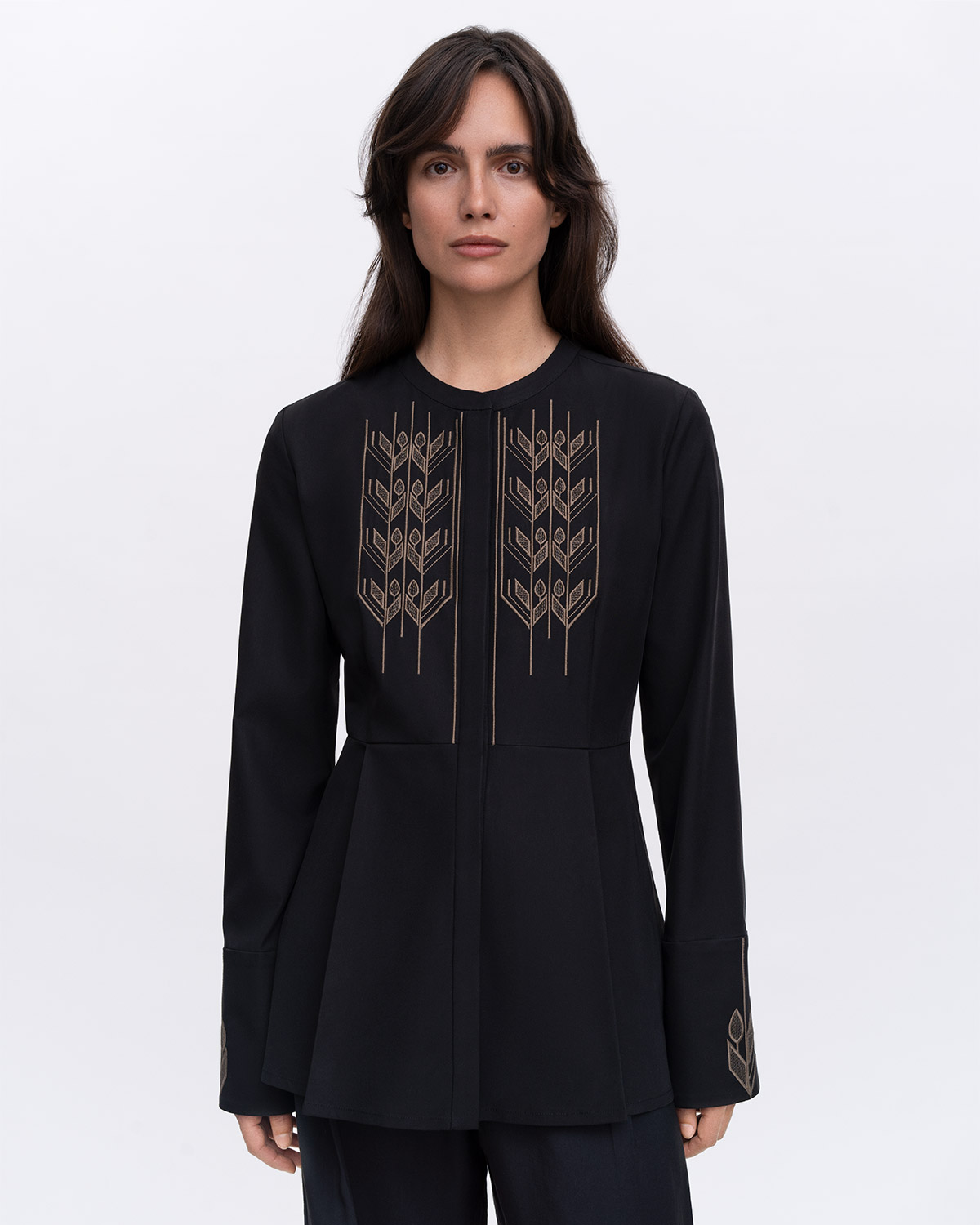
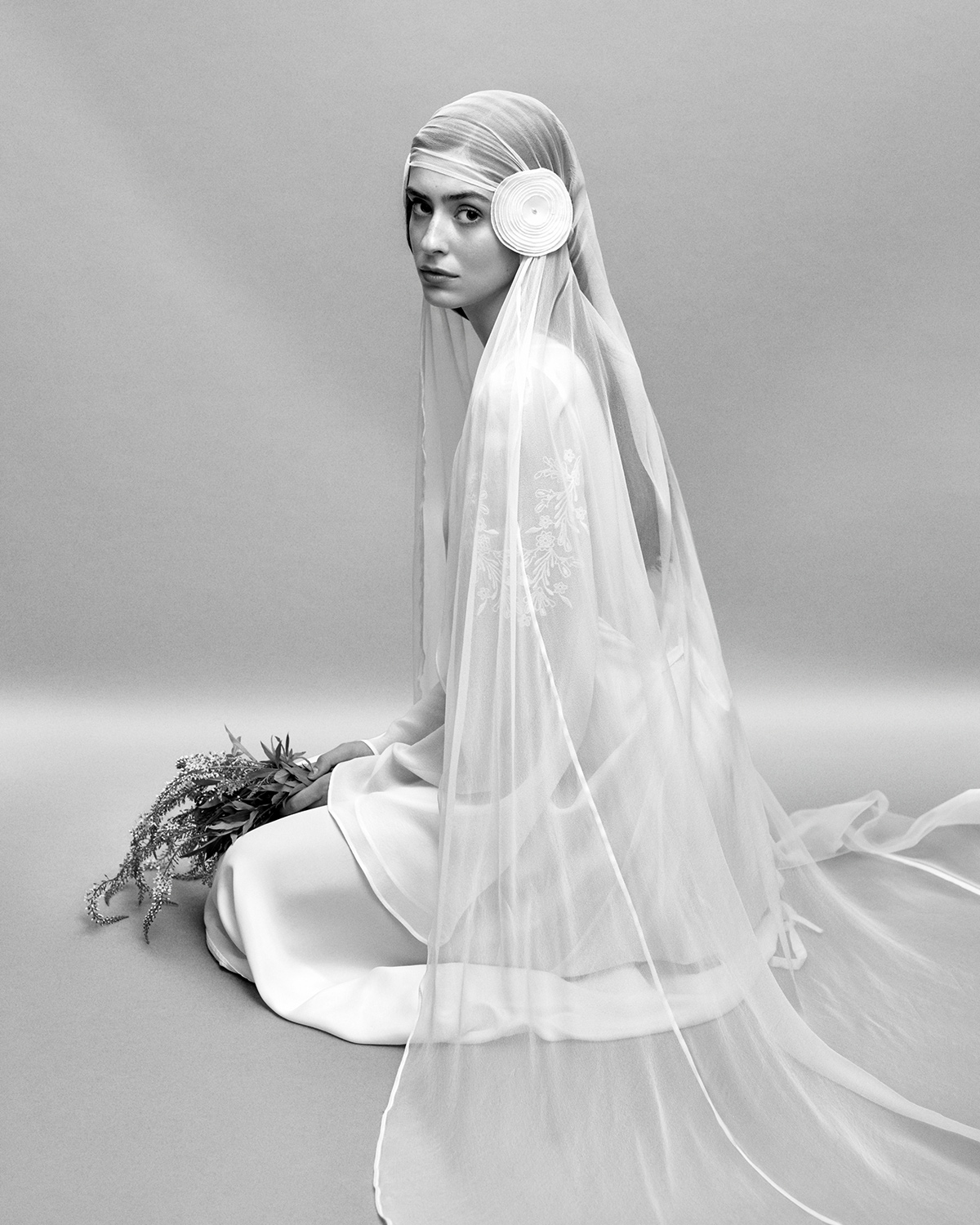
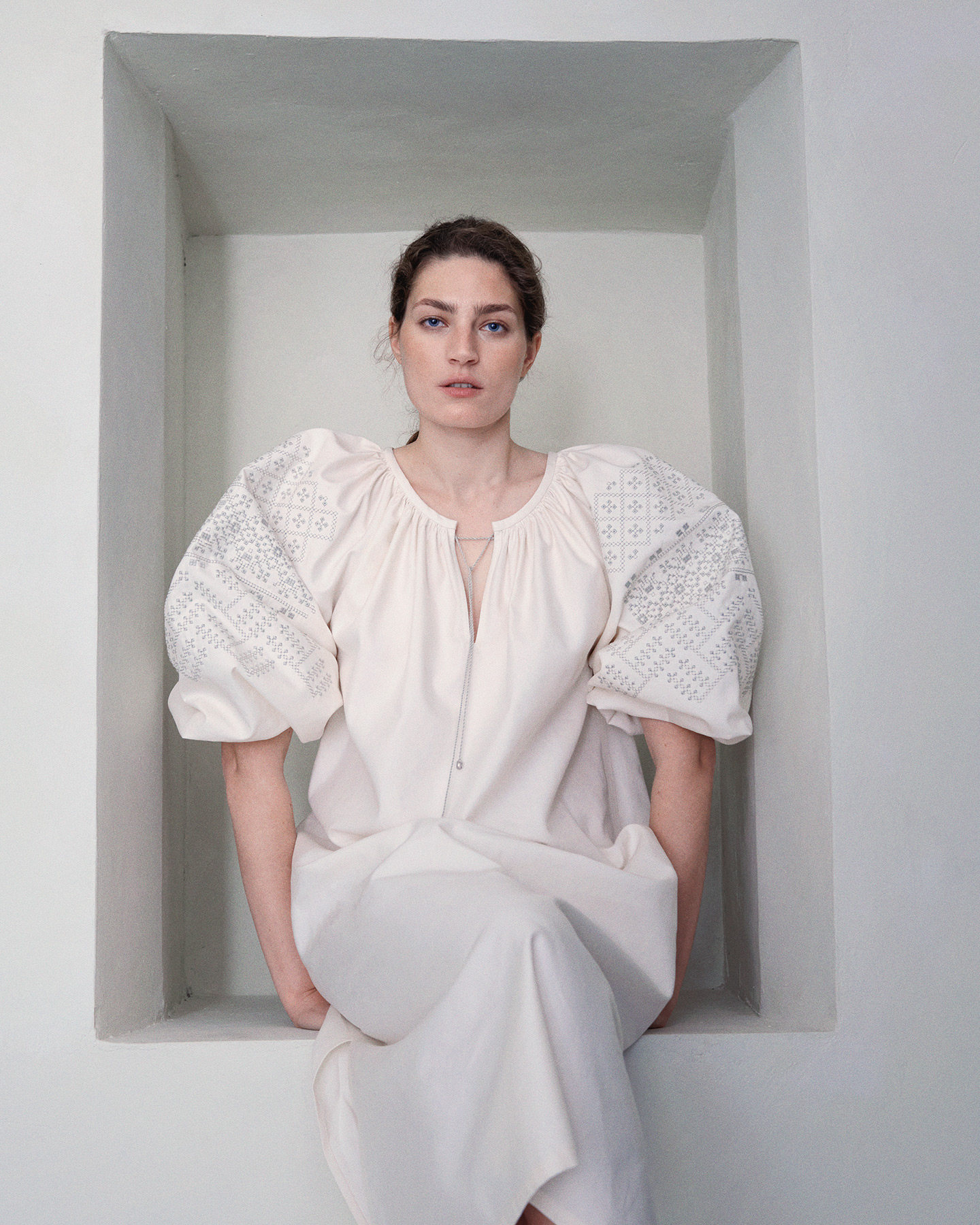
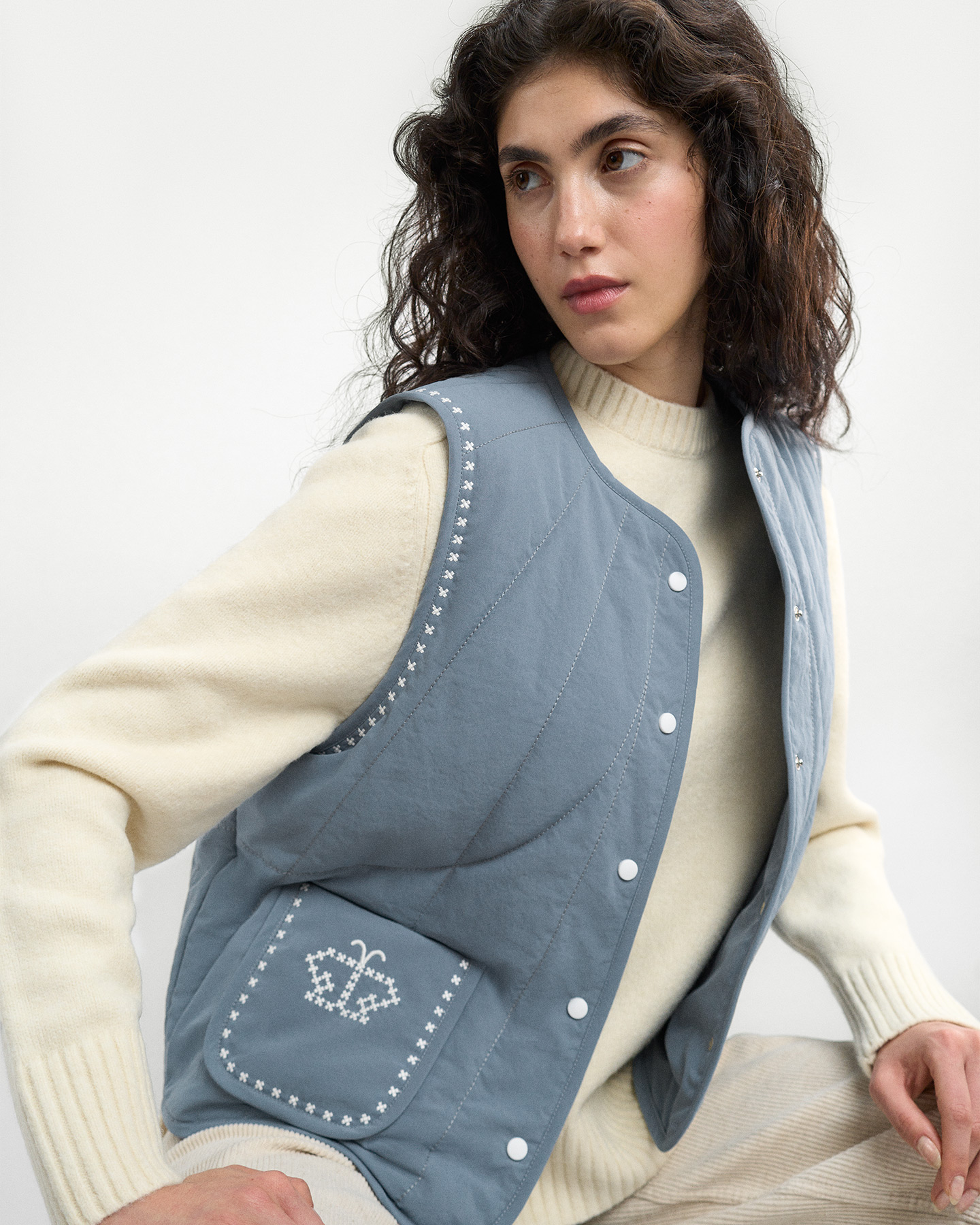
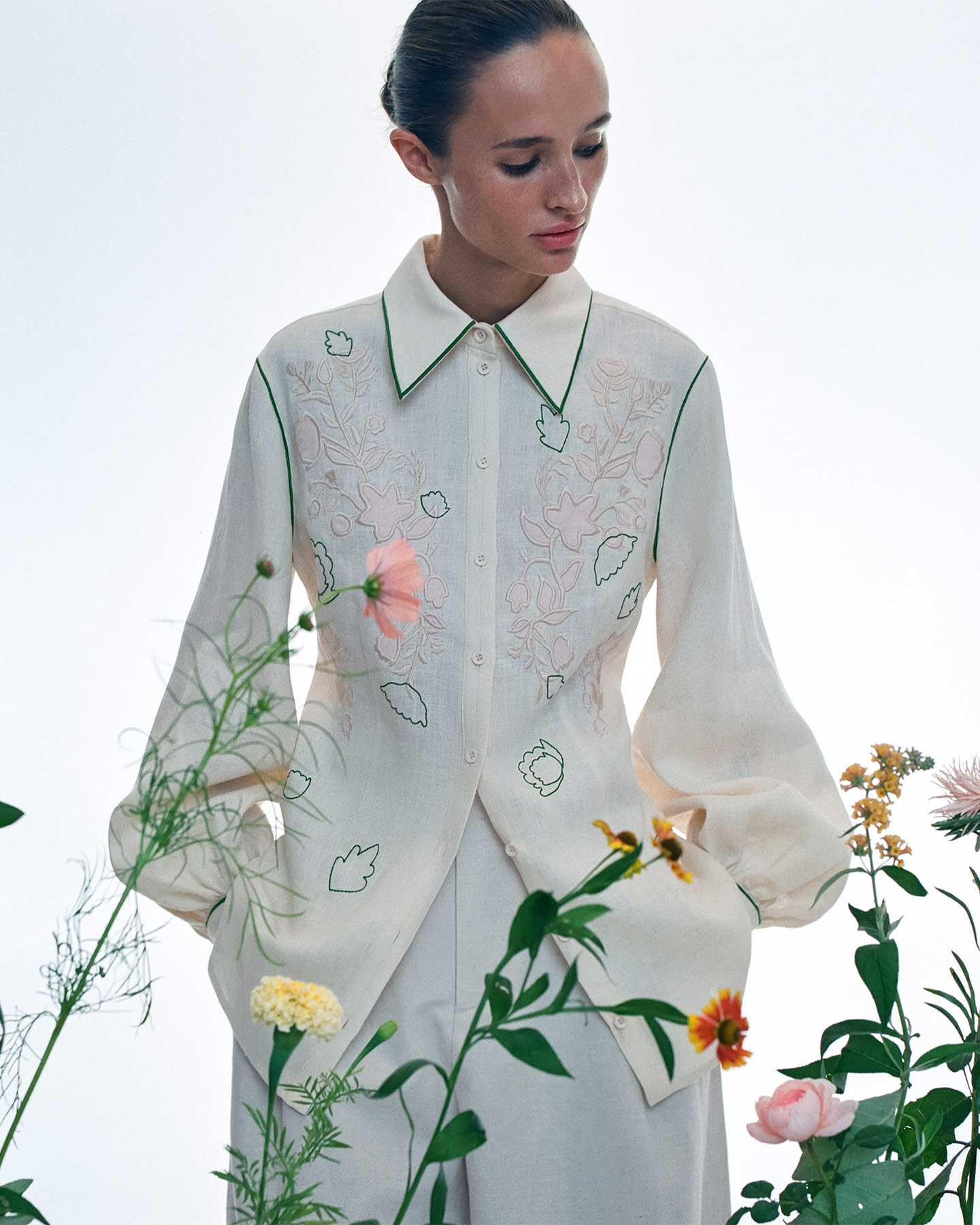
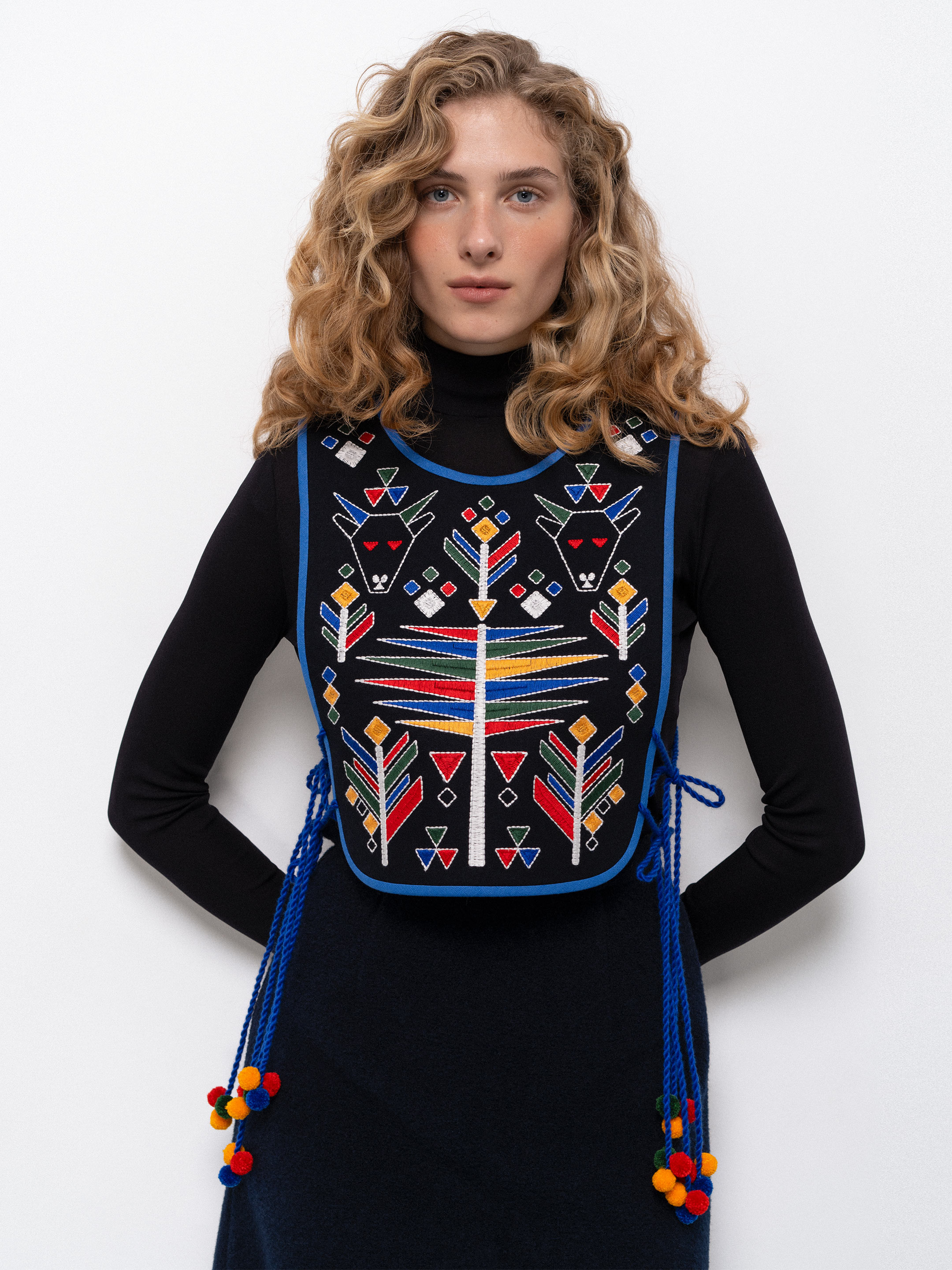
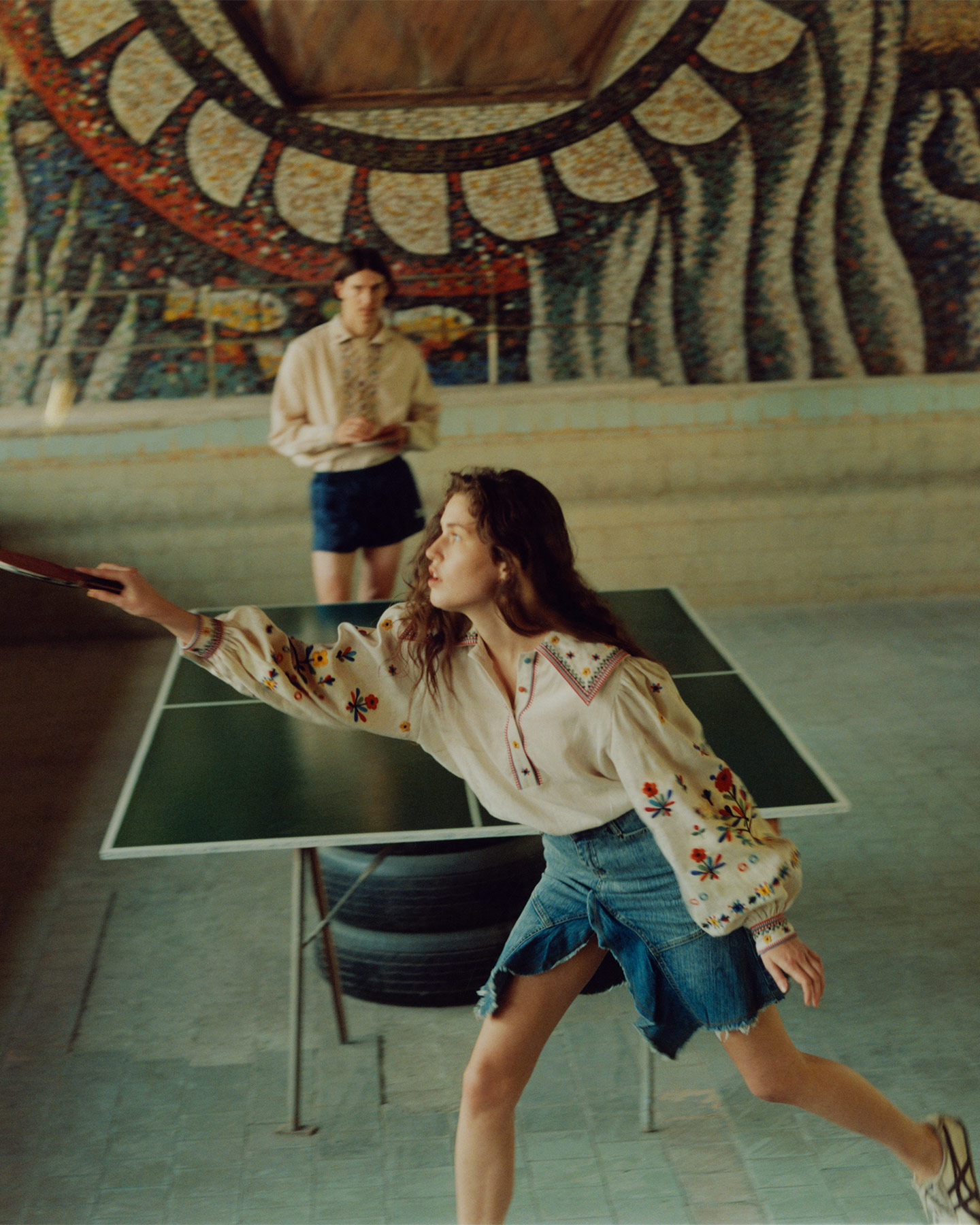
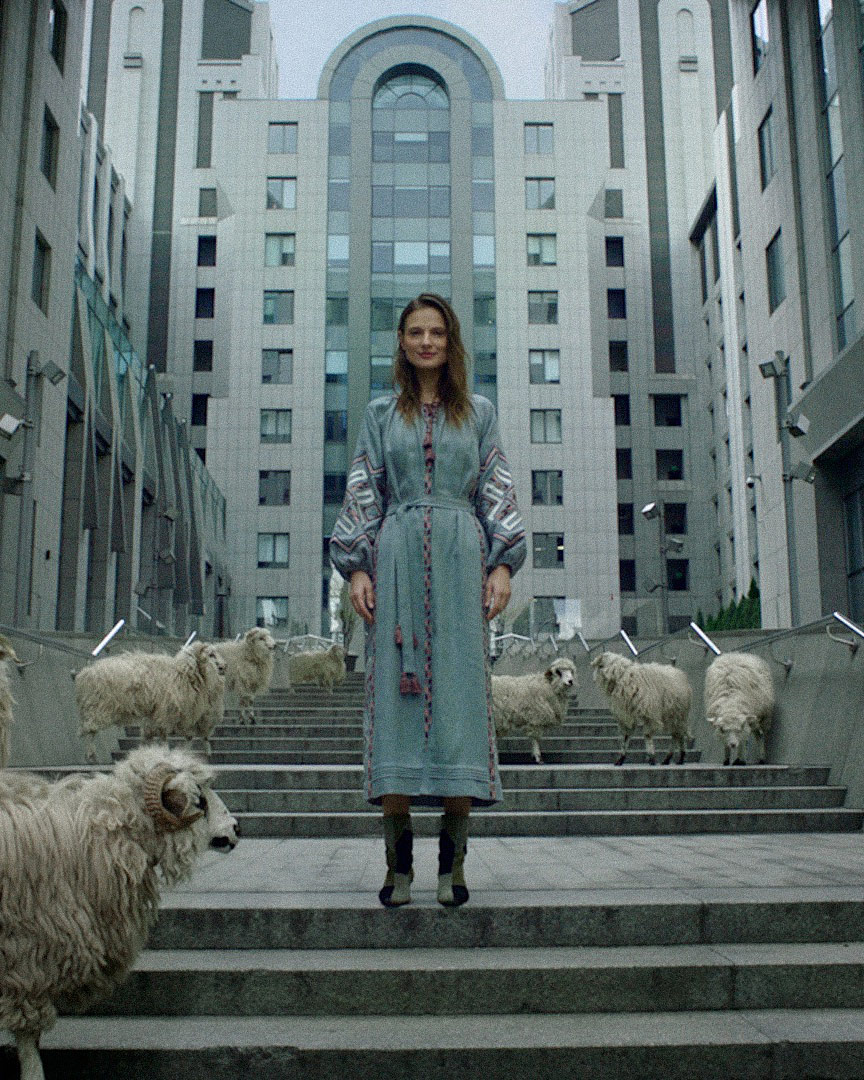
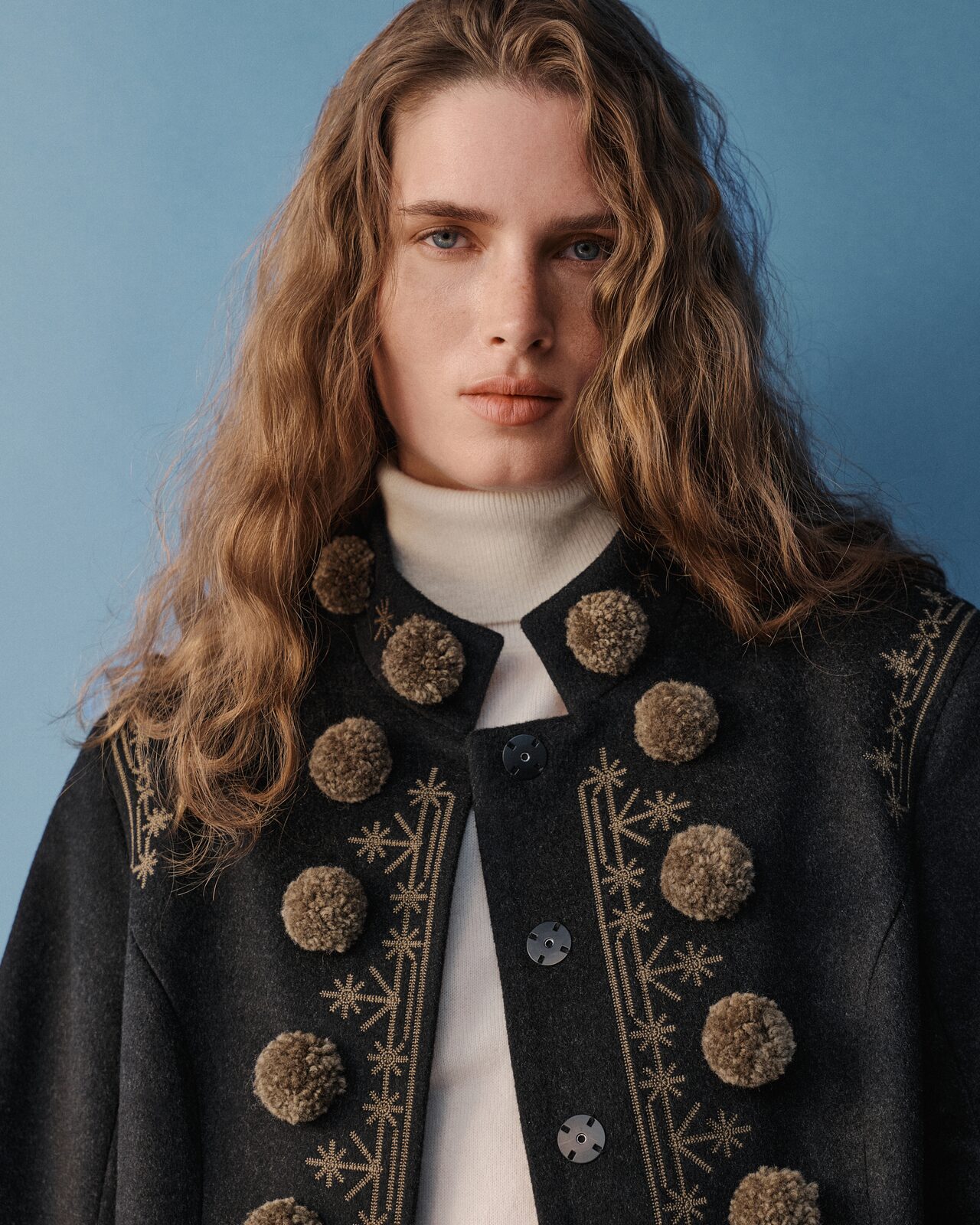
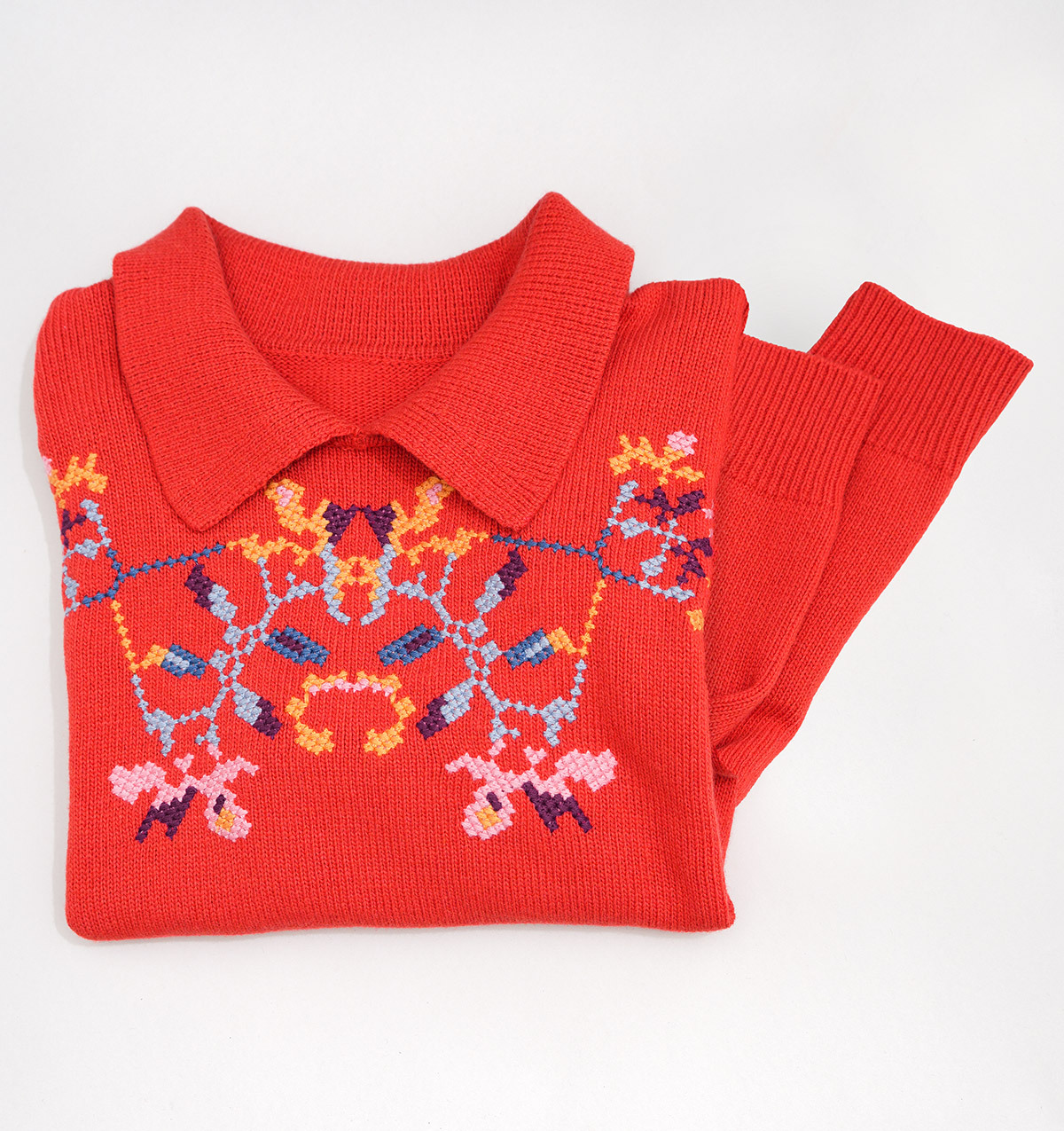
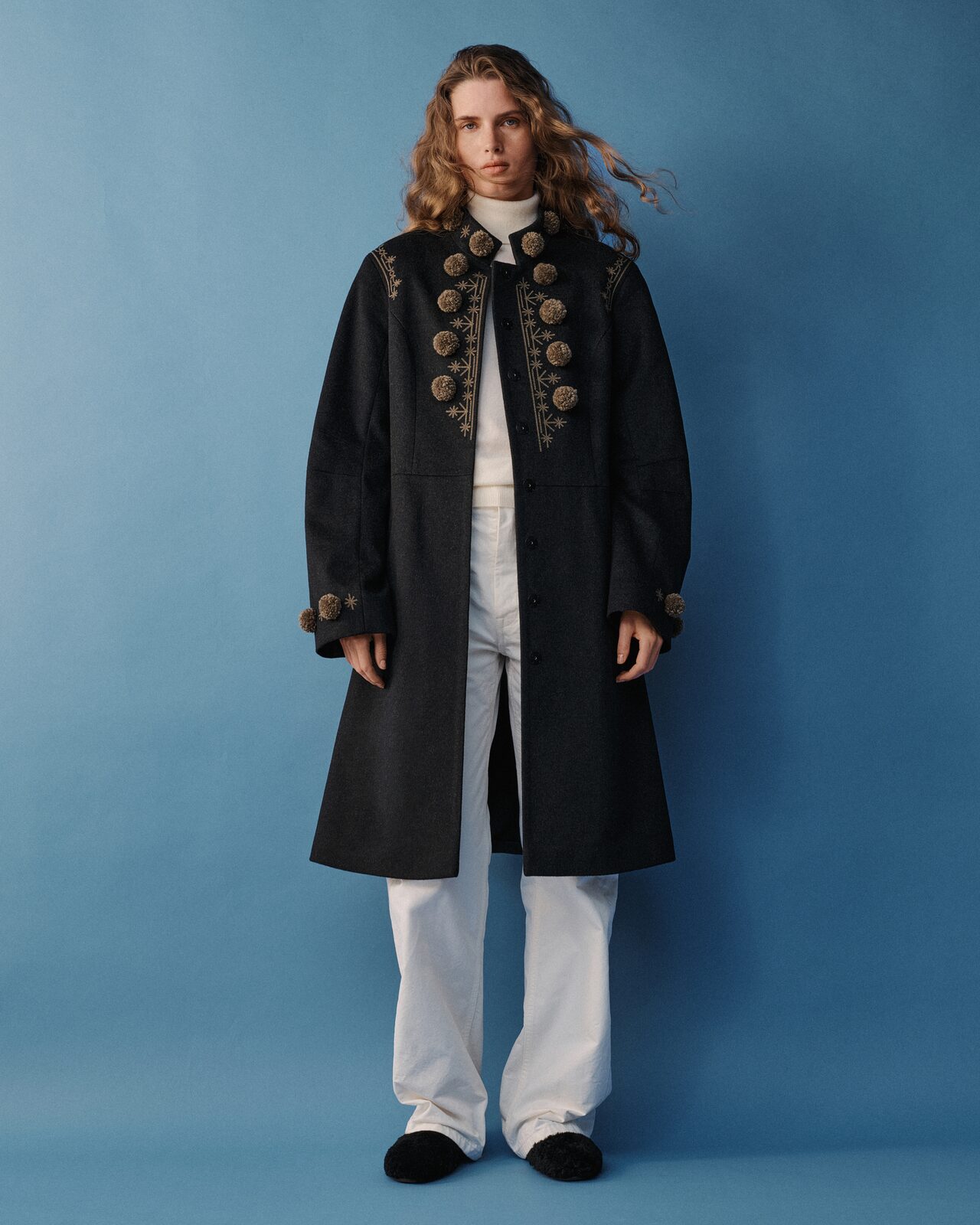
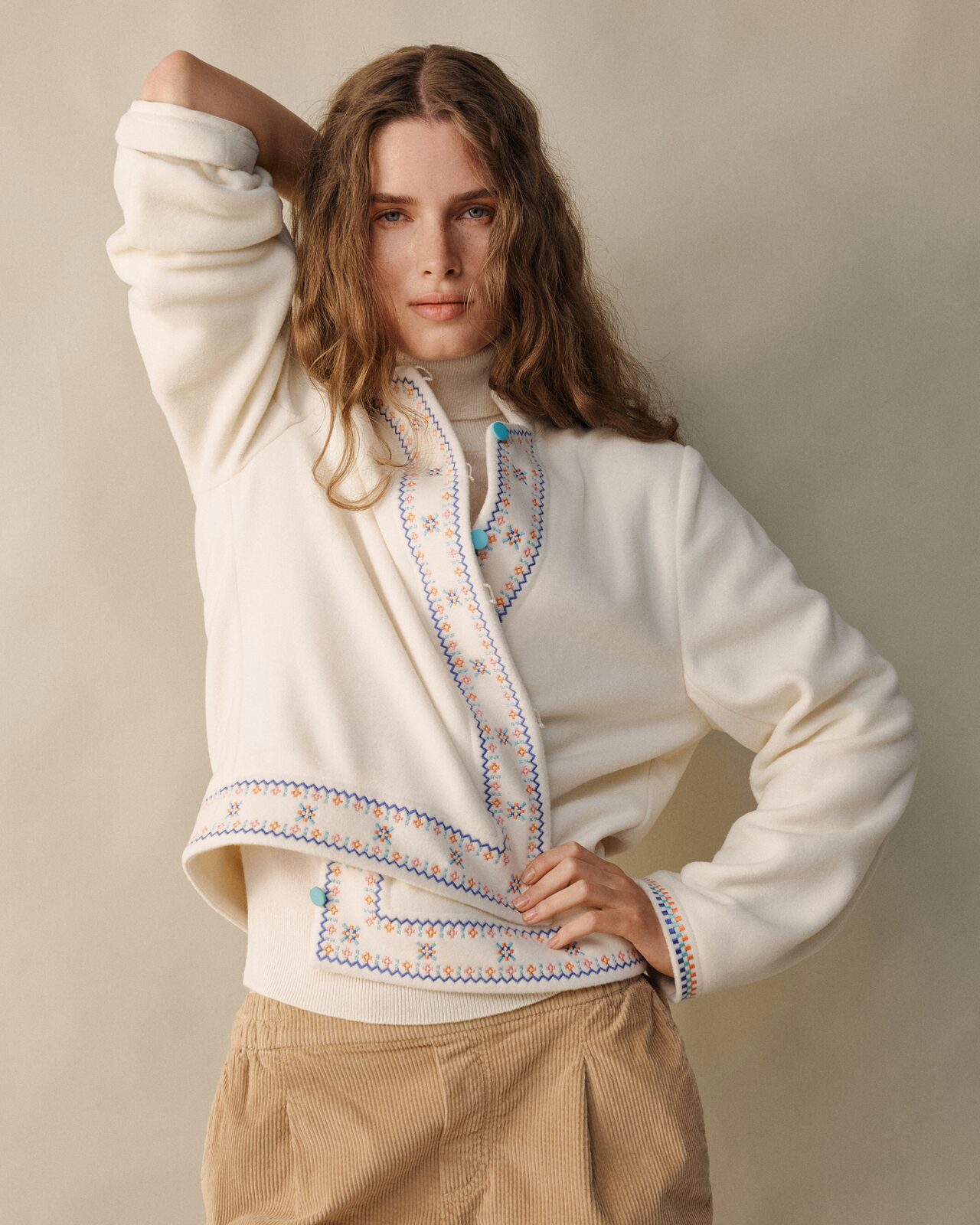
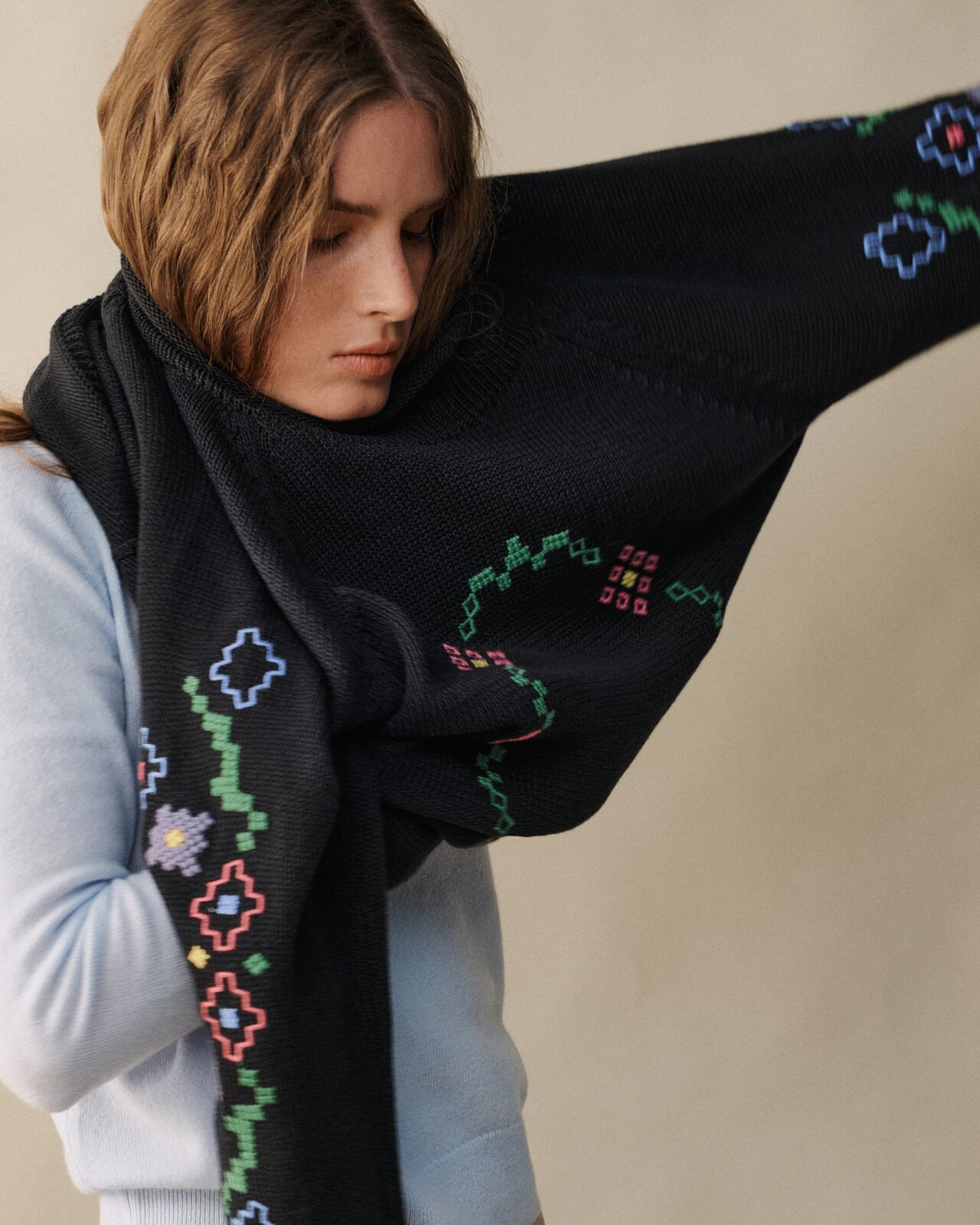
At the core of the collection are women’s and men’s coats, jackets, vests, and skirts crafted from natural fibres—wool, cashmere, cotton, and silk. For the first time, Etnodim is also introducing sweaters, mittens, and scarves inspired by traditional Podillia patterns.
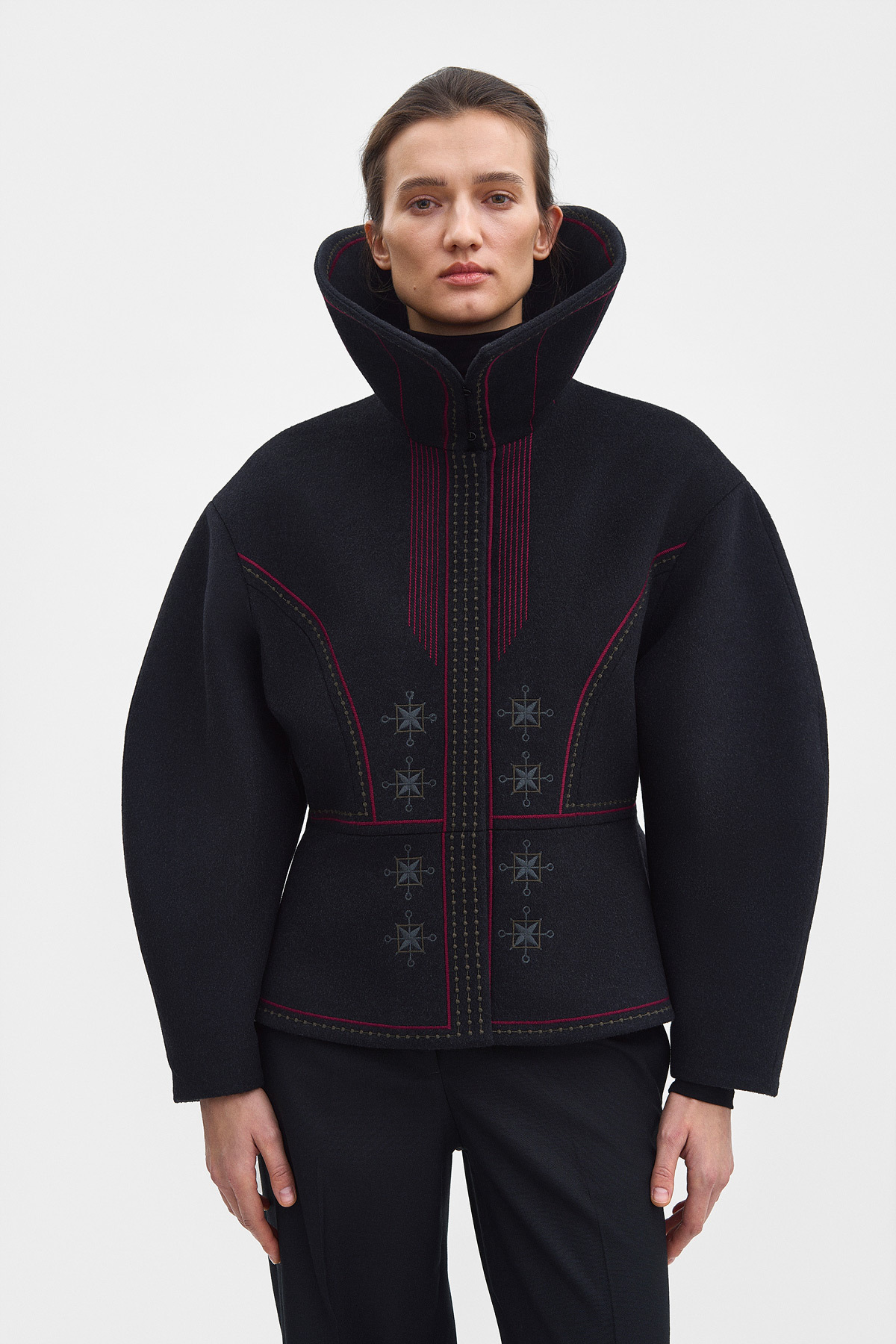
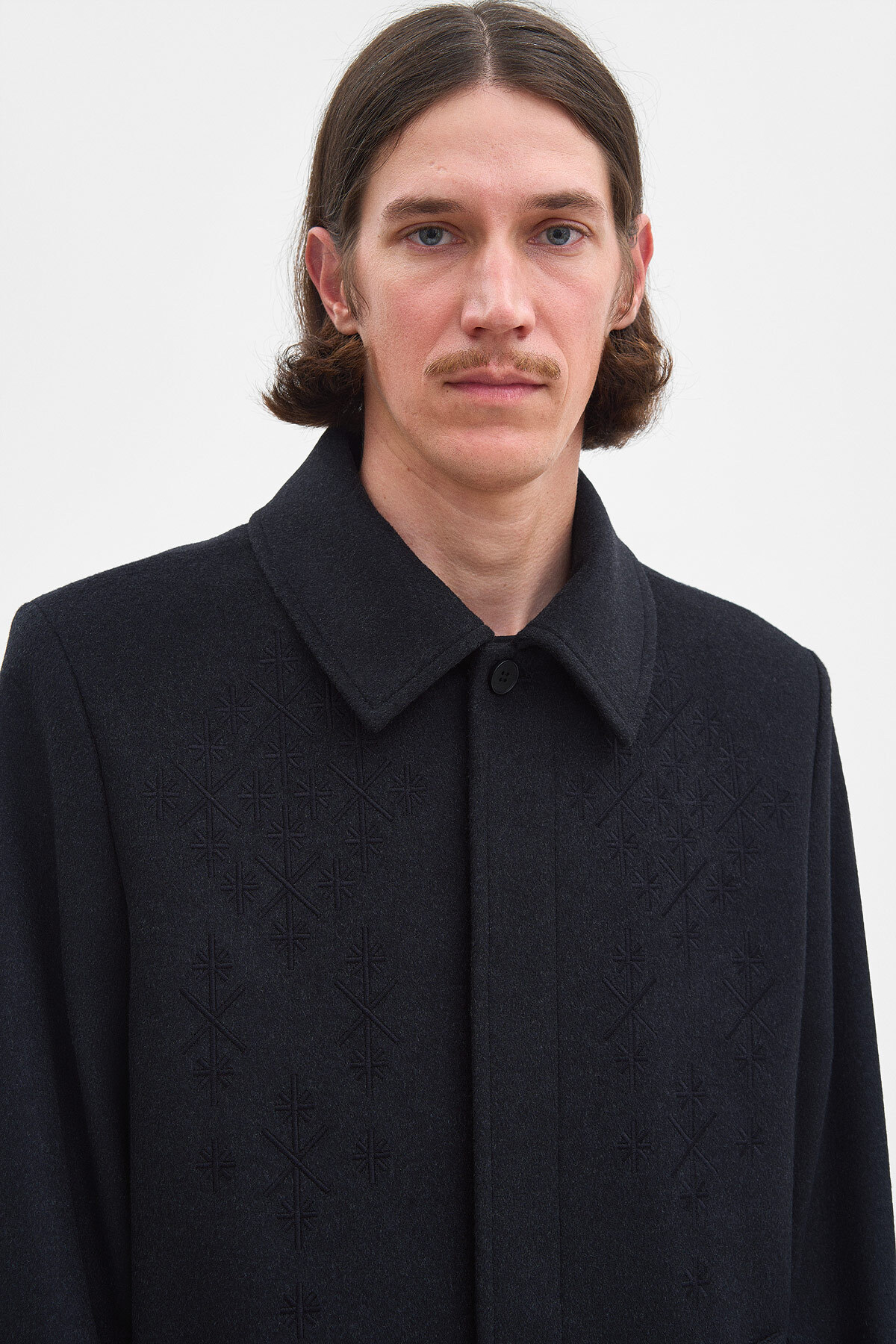
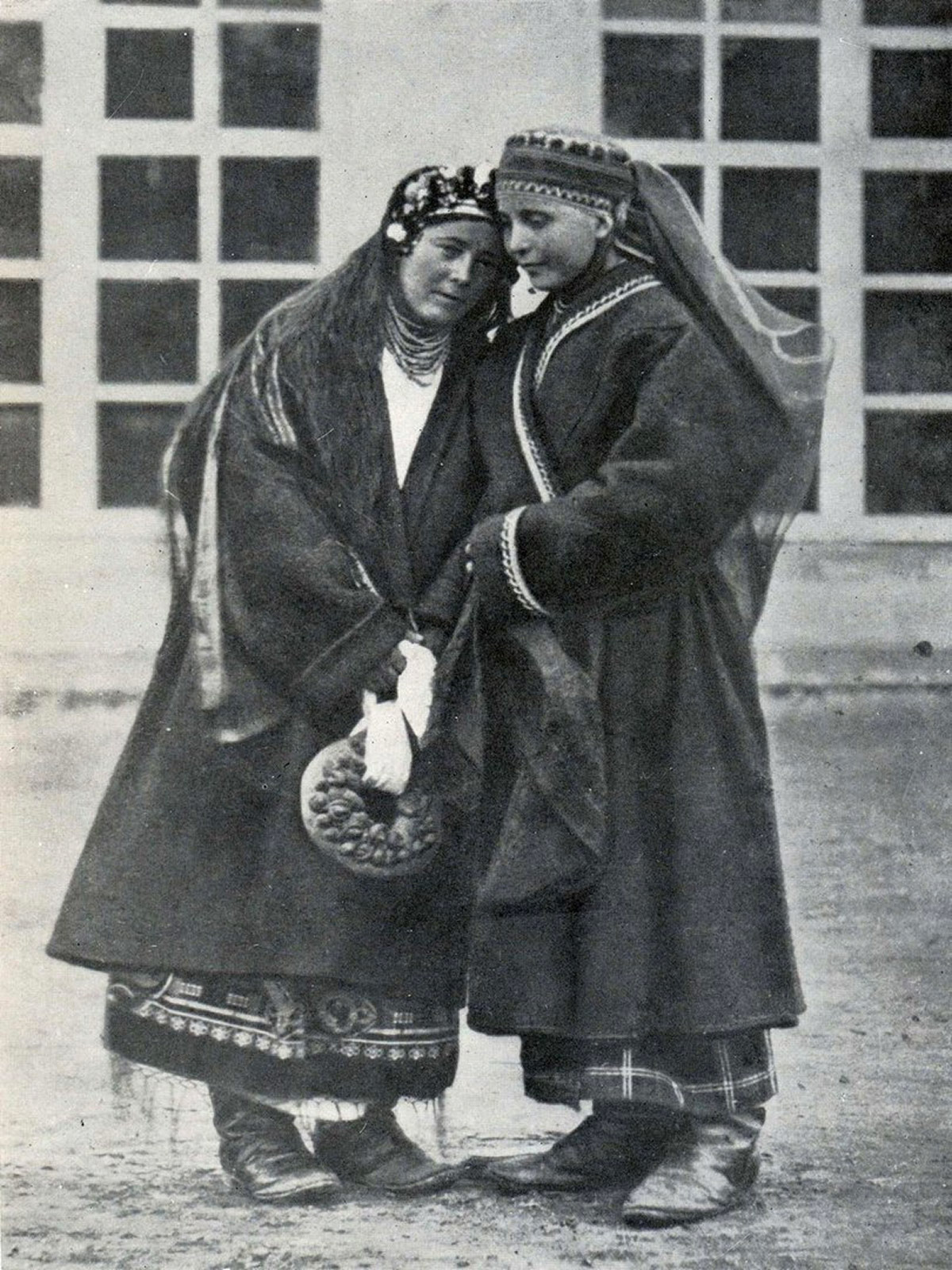
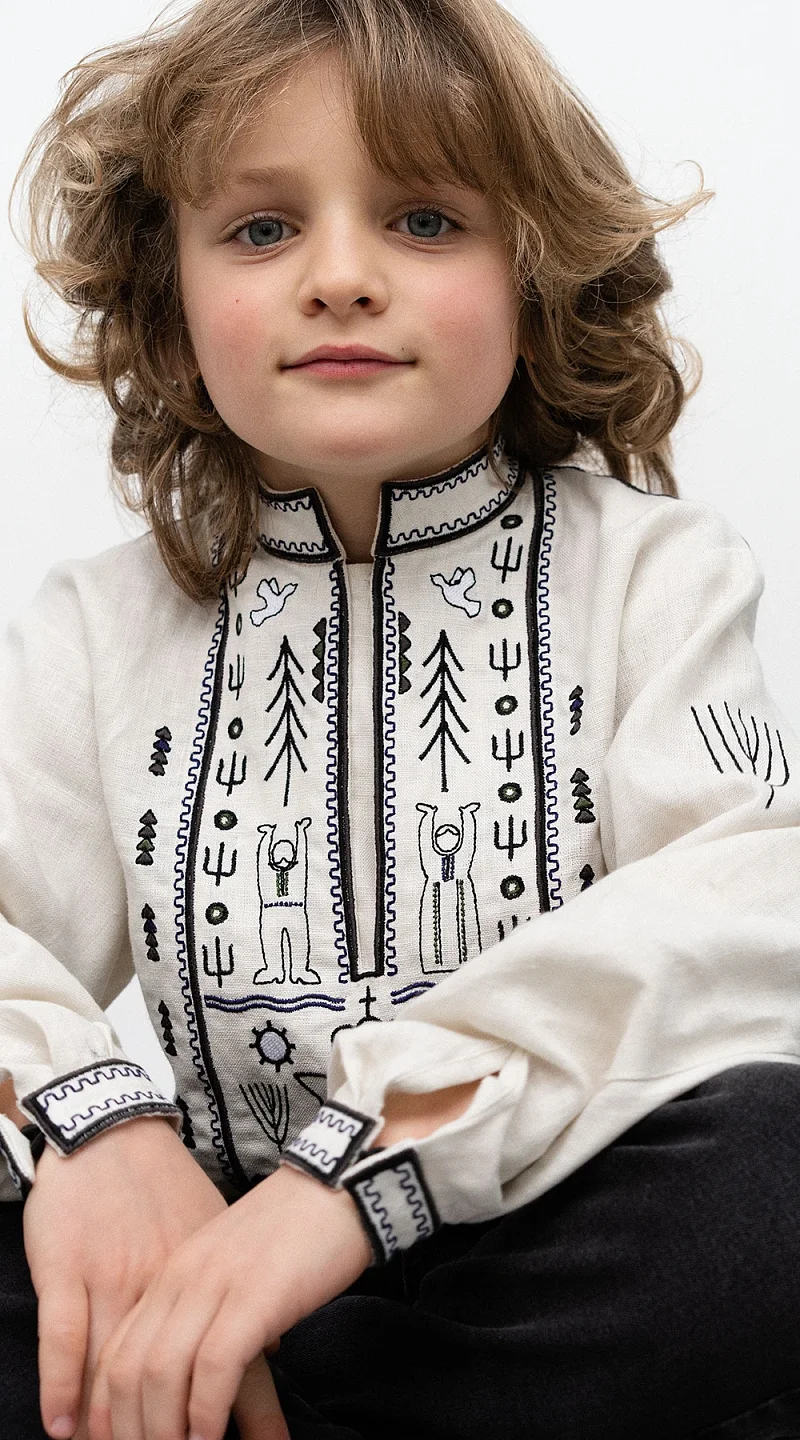
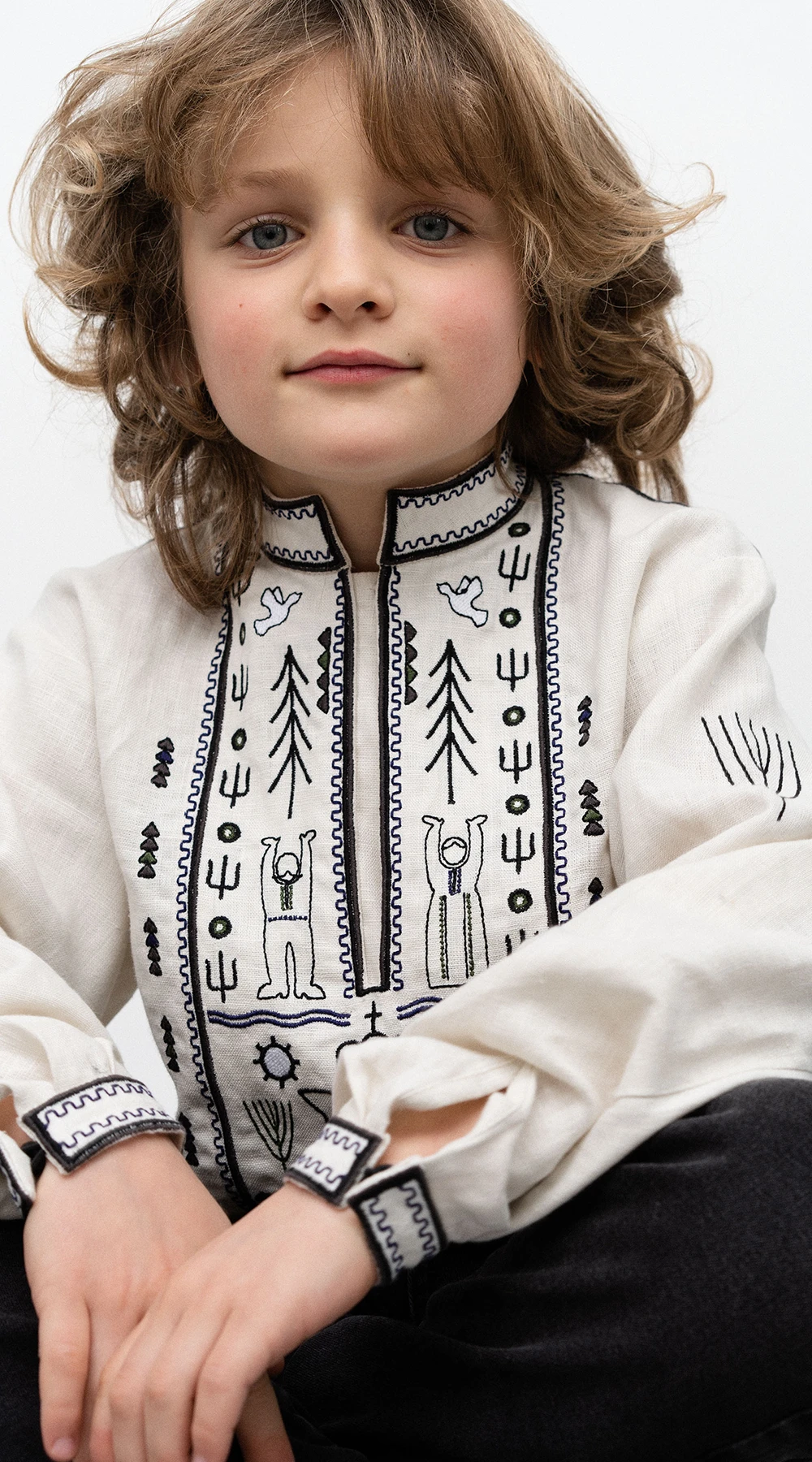
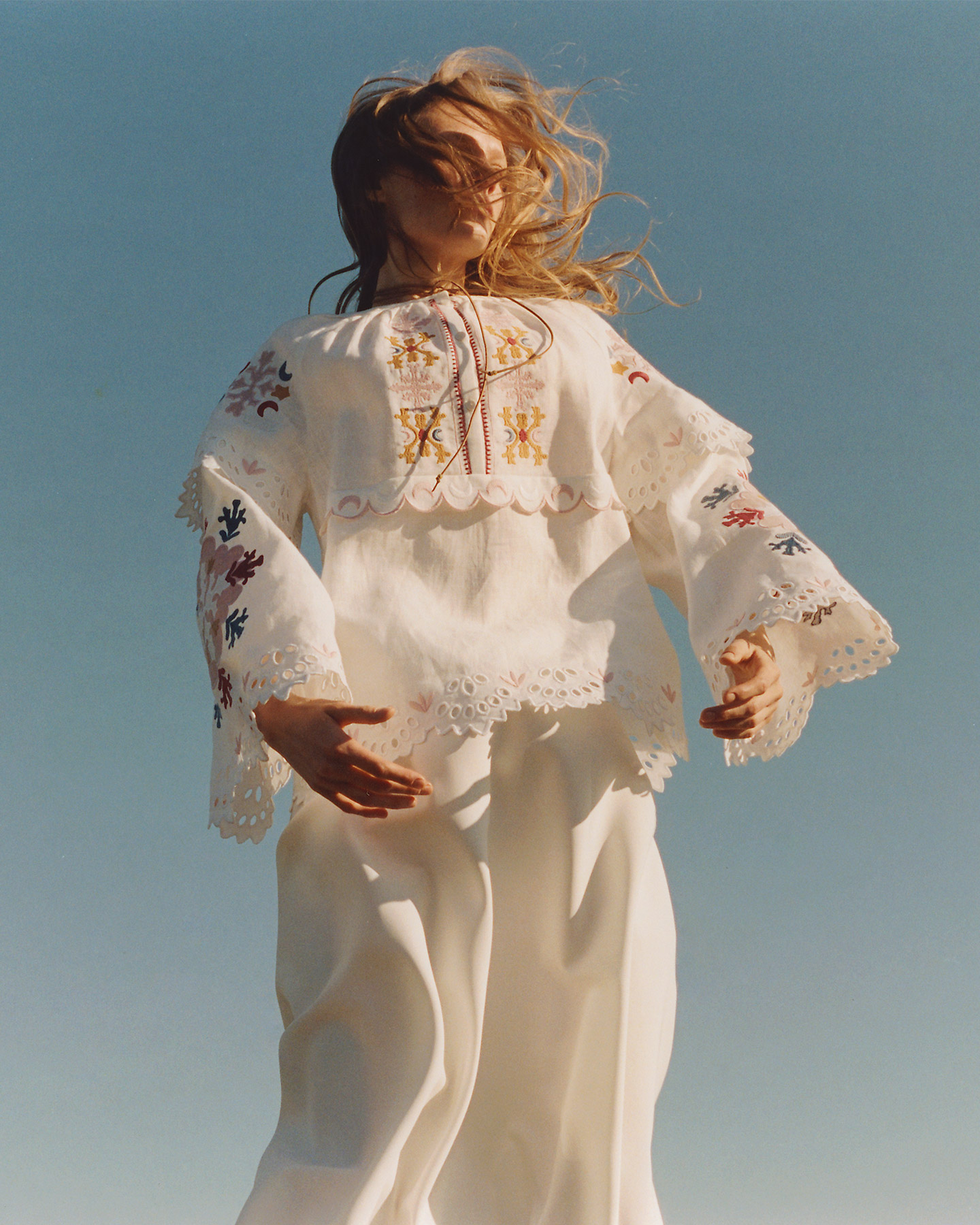
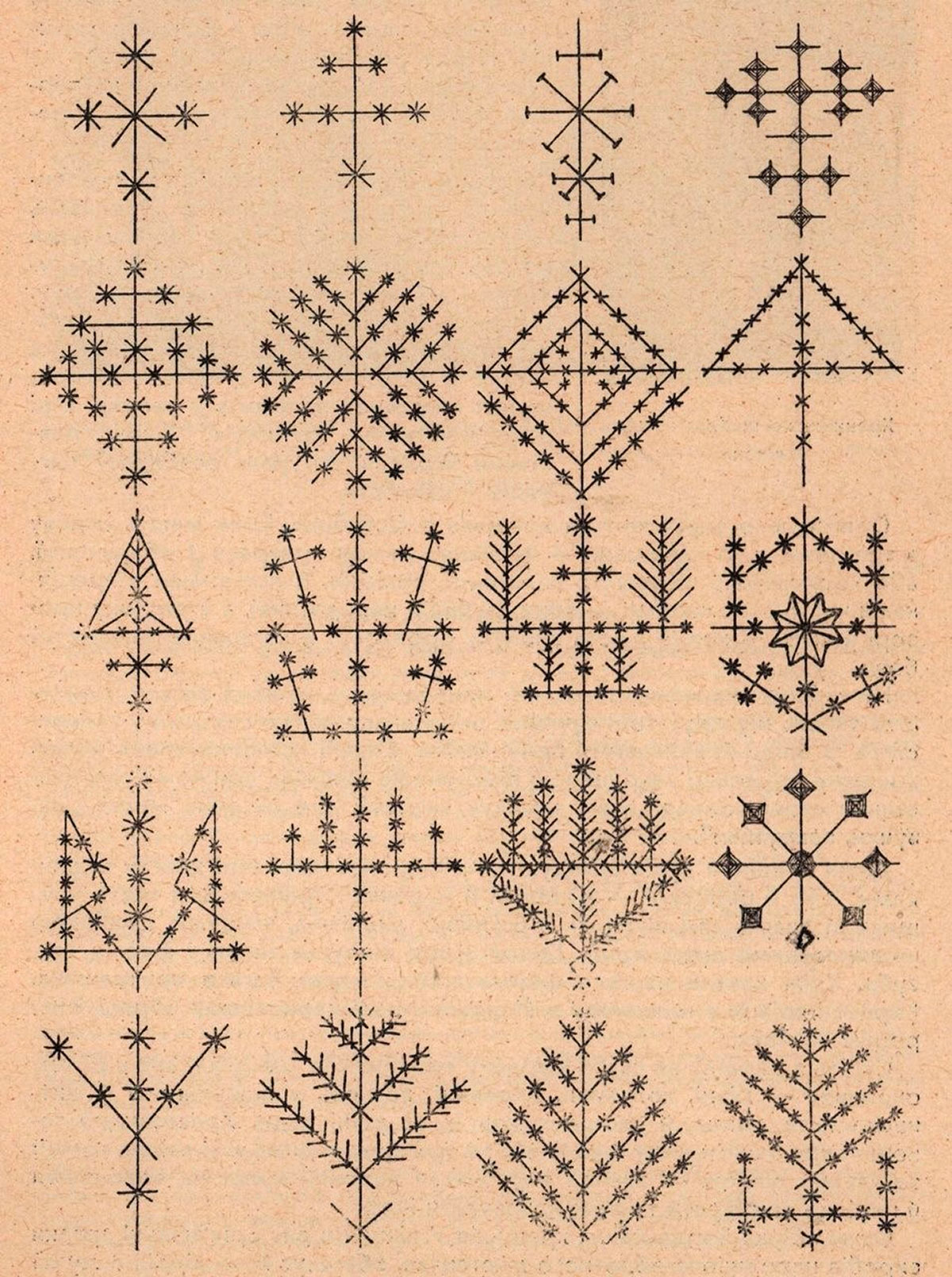
The designs take inspiration from the rhythmic patterns and precise geometry of straw cross motifs, rushnyks (traditional embroidered towels), and traditional Ukrainian outerwear.
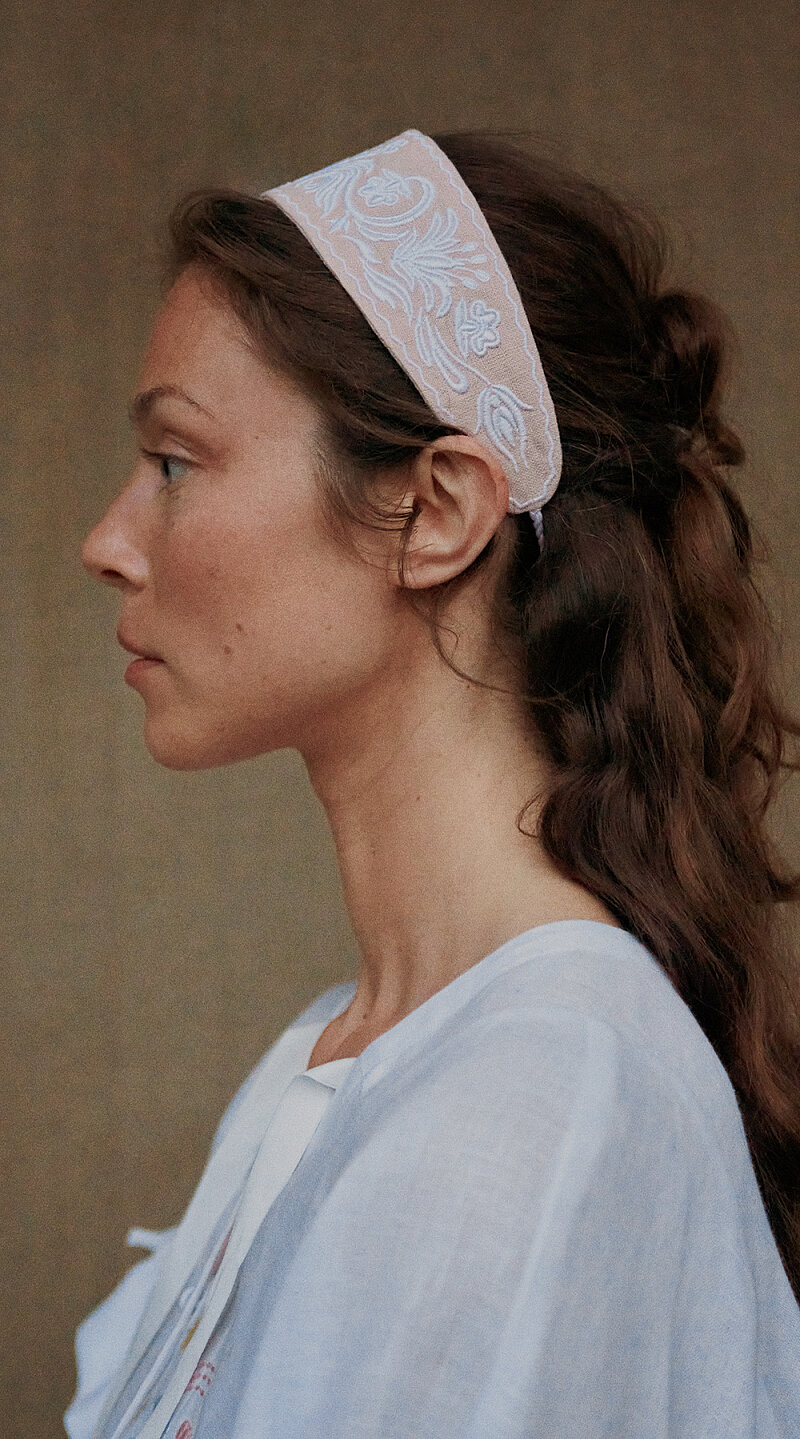
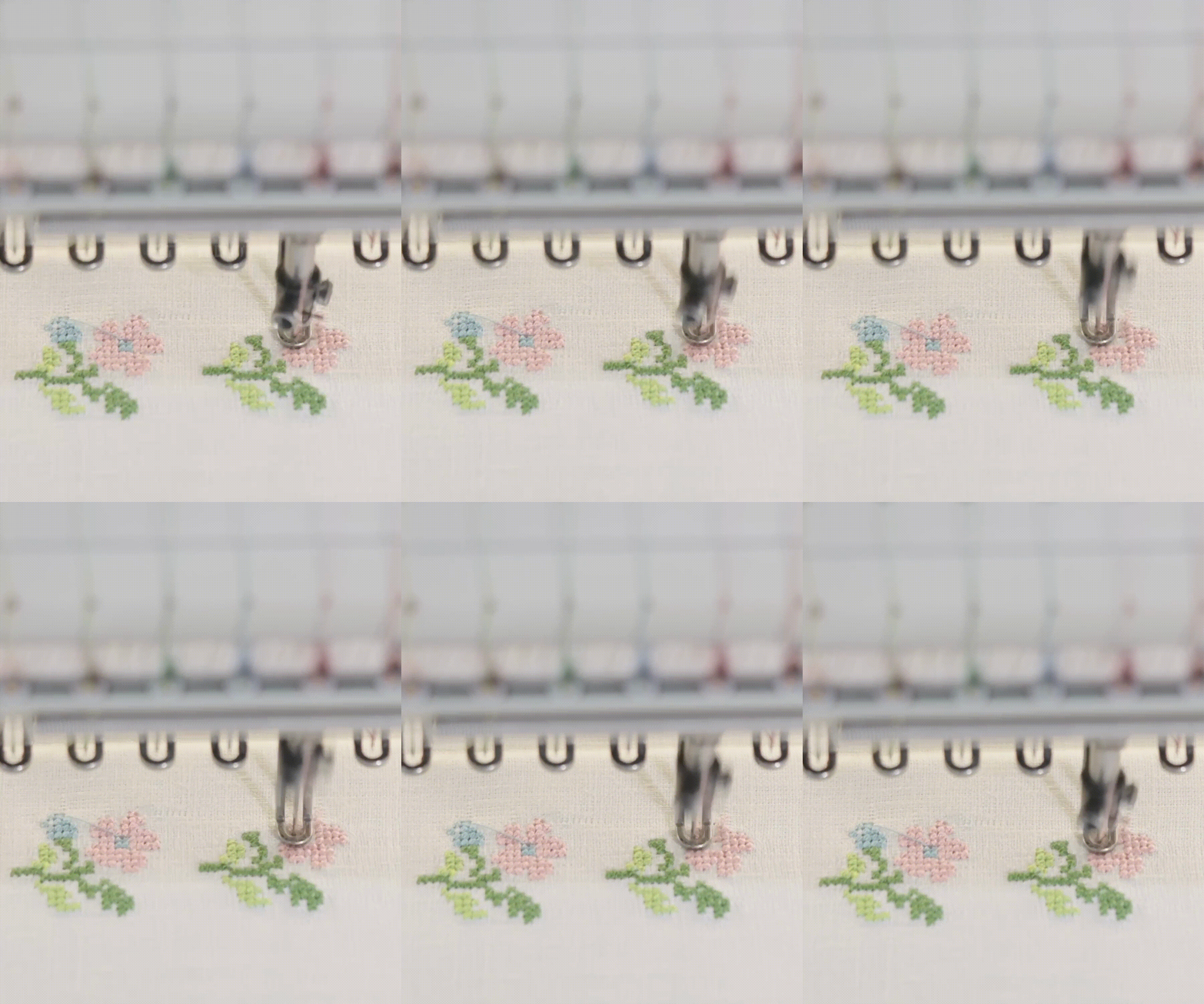
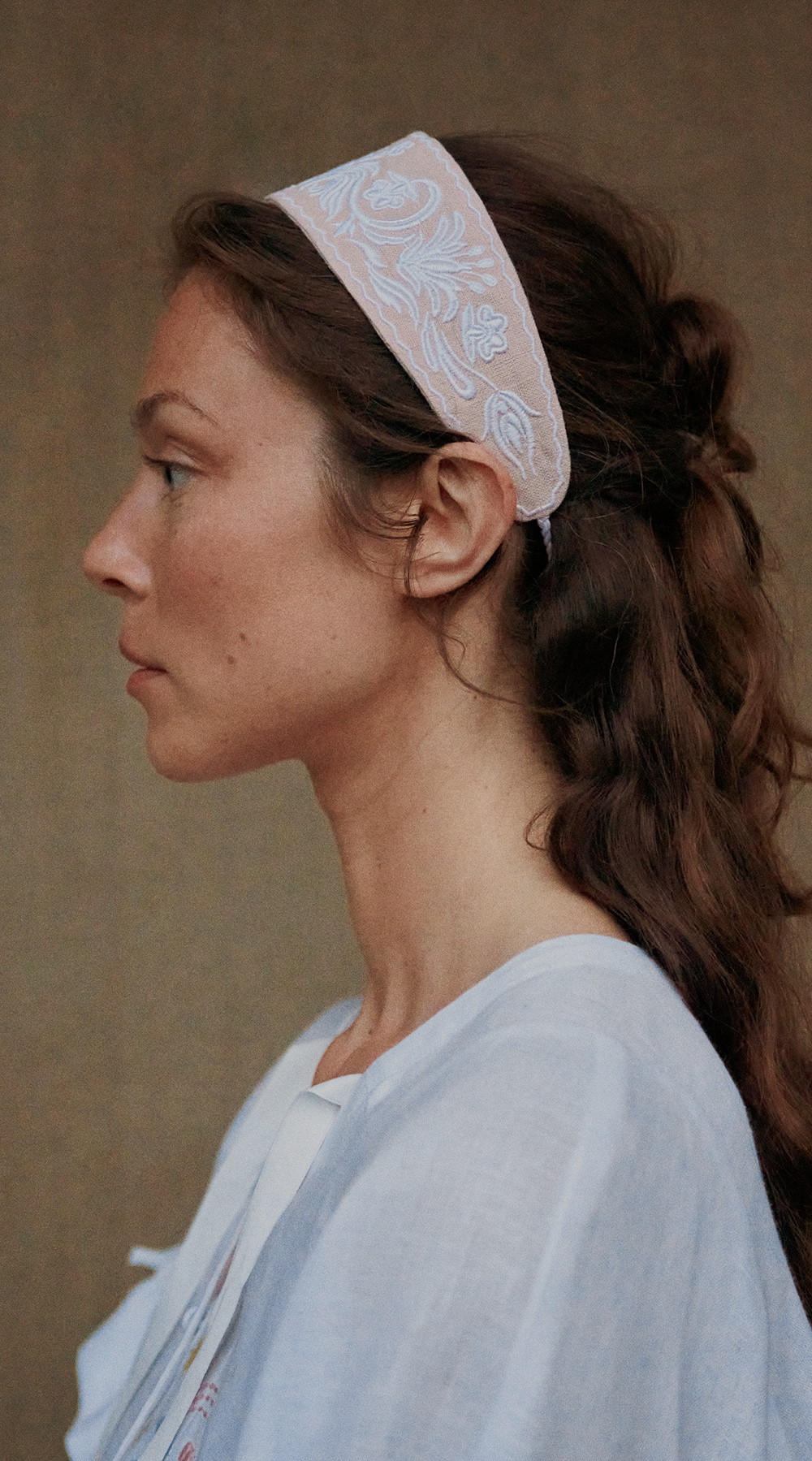
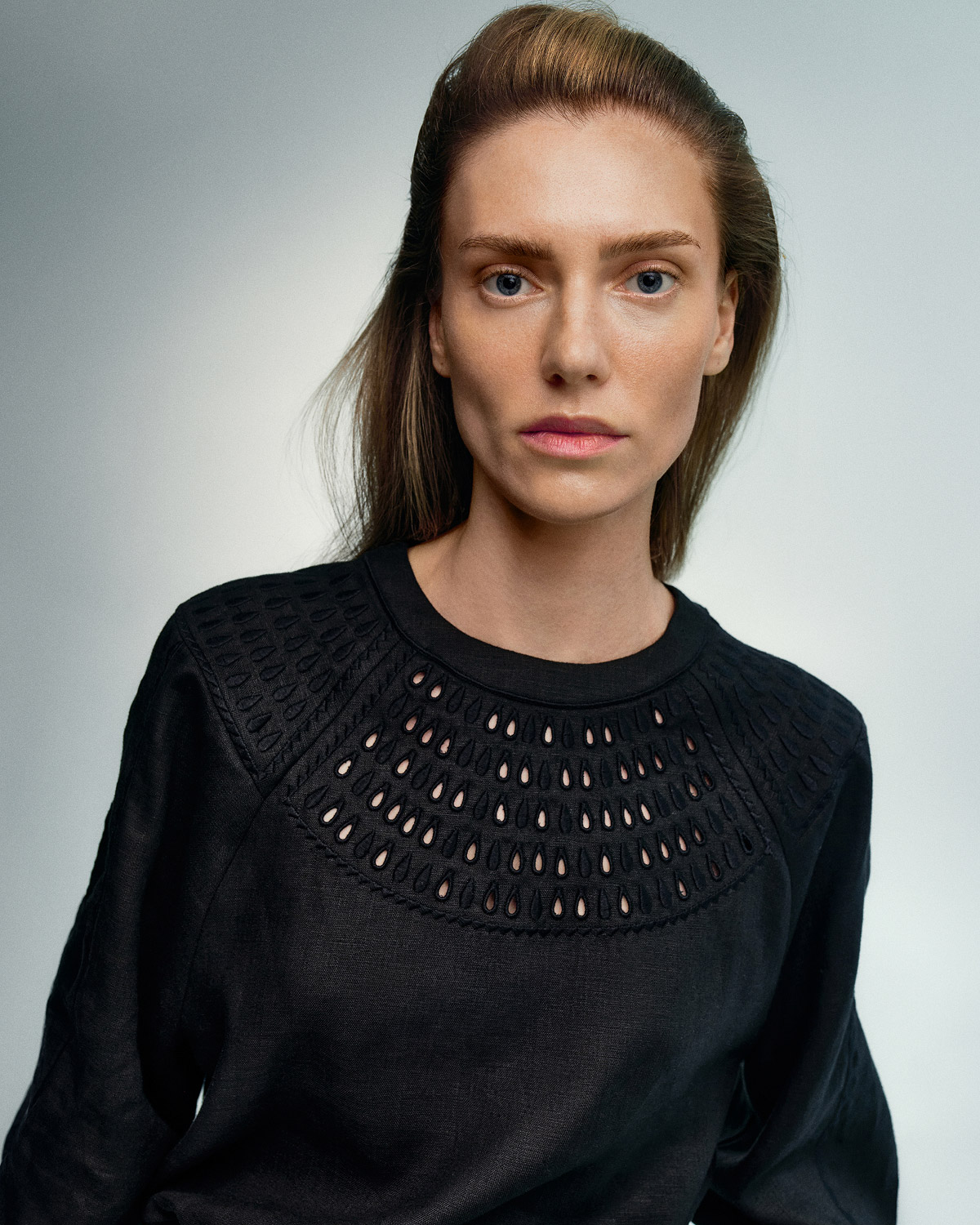
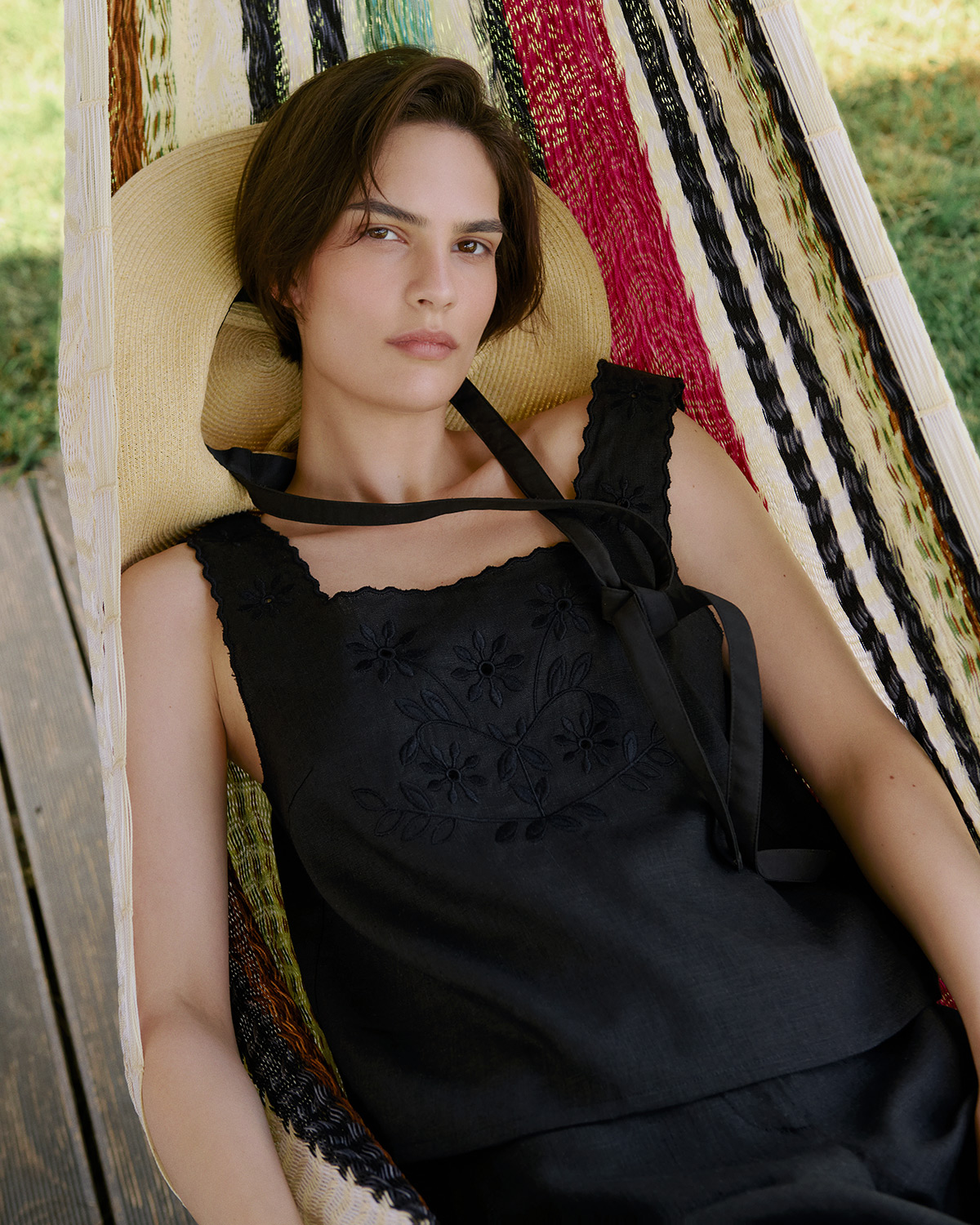
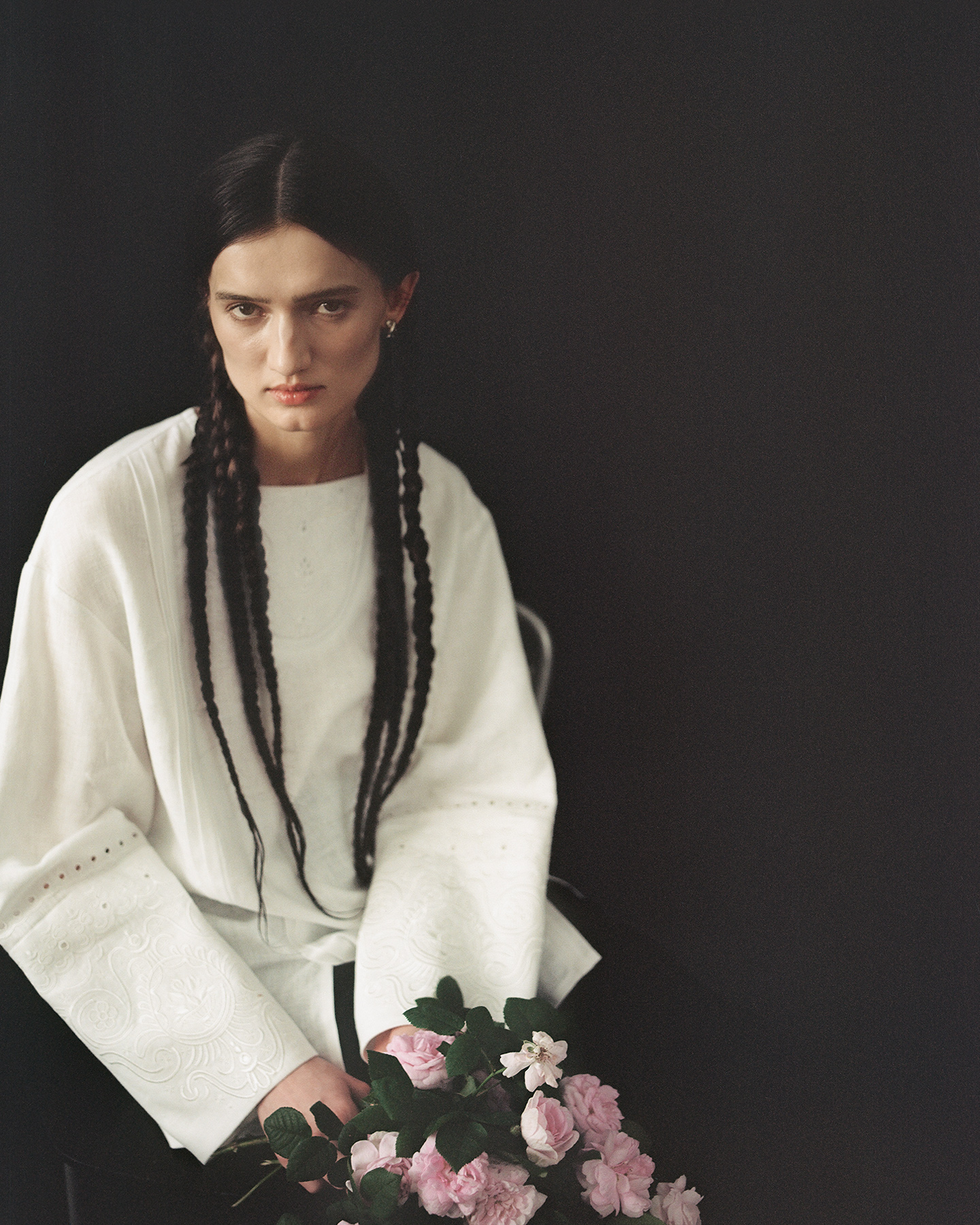
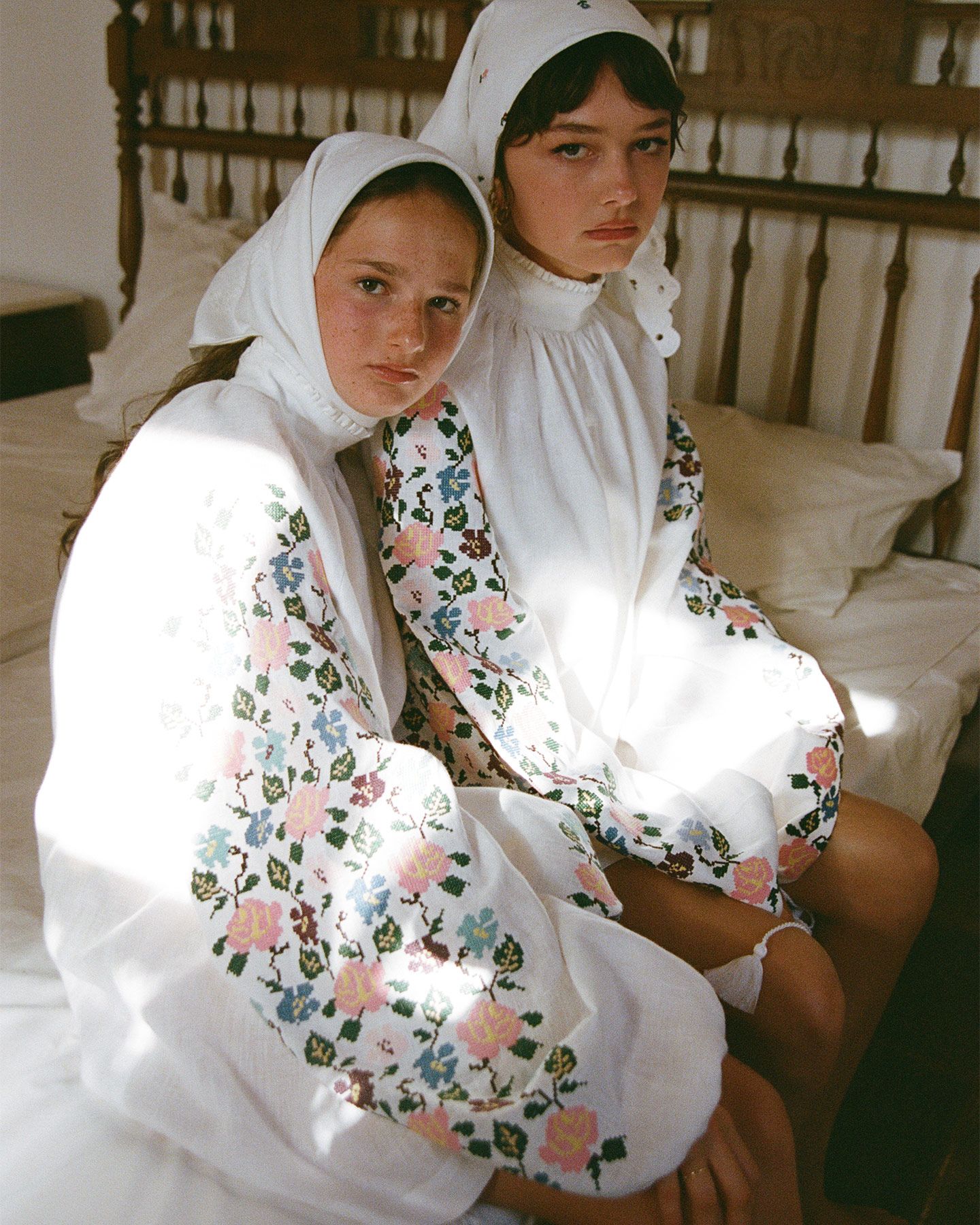
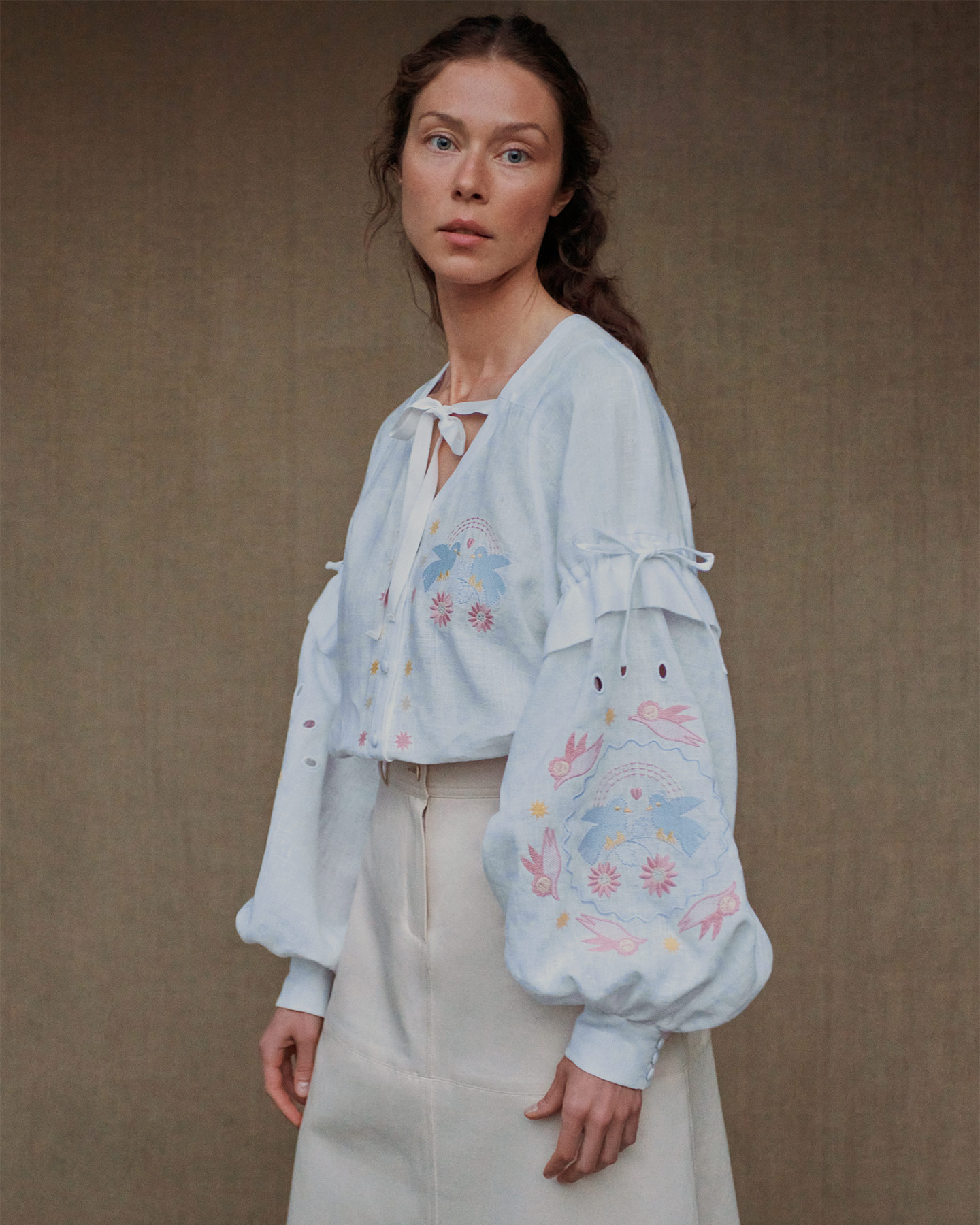
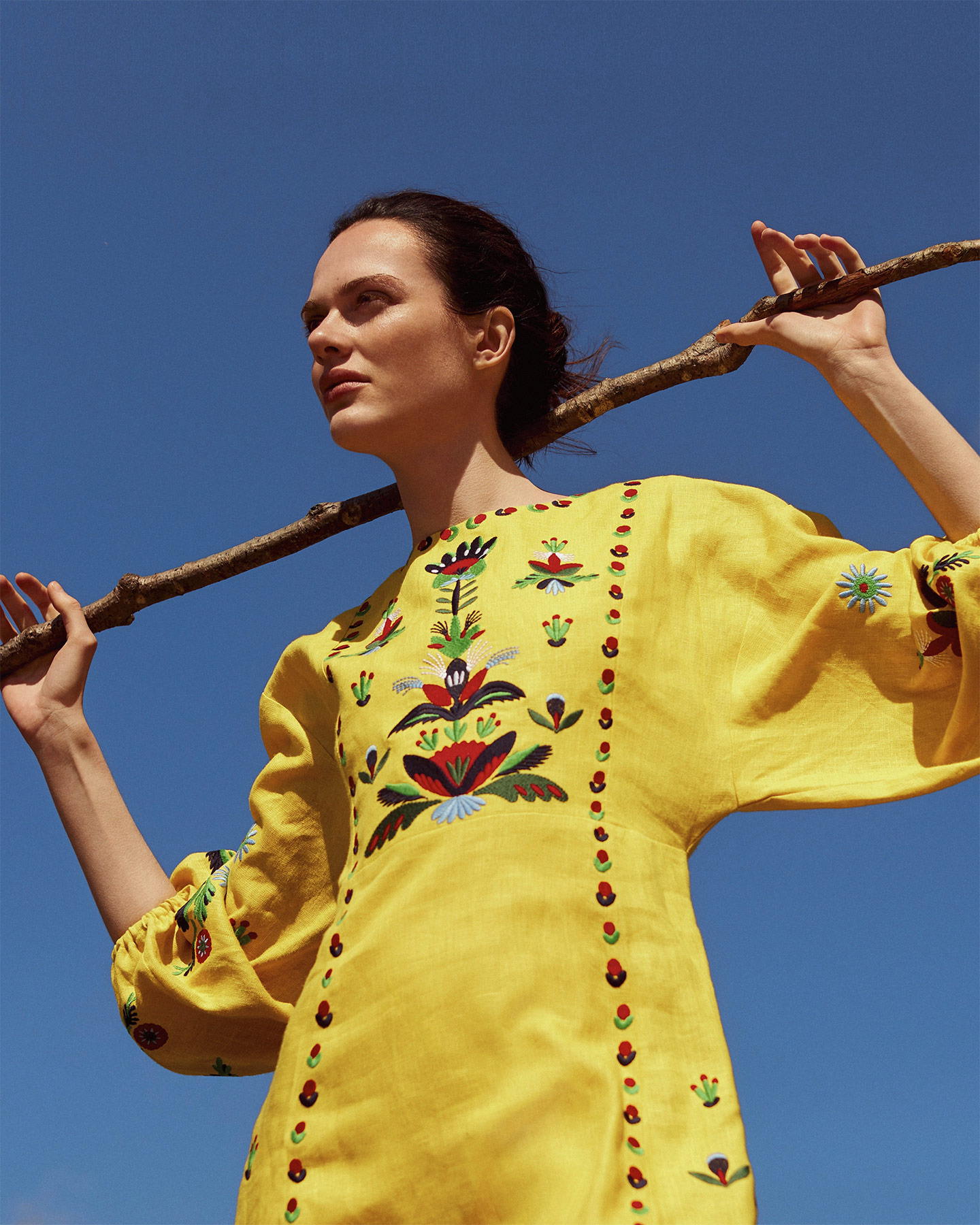
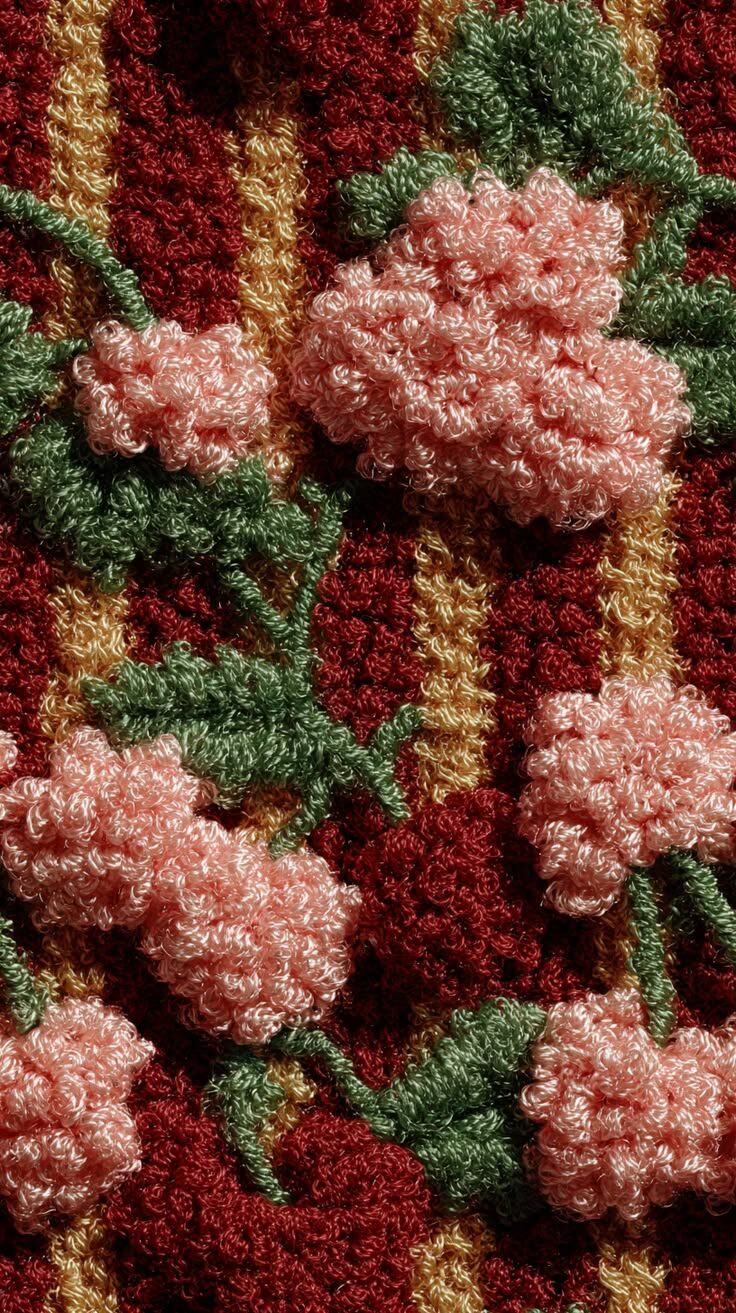
Unexpected colour combinations, cutwork, and a mix of dimensional hand- and machine-embroidery give each piece a distinctive character, bringing traditional motifs into the contemporary wardrobe.
There is an ongoing dialogue between you and the world. Sometimes, clothing starts the conversation. Clothing becomes a point of connection between the body, culture, and the world around us.
In our new winter collection, we explore rhythm — a shared element connecting the many voices of music, the structures of living ecosystems, and the motifs of Ukrainian embroidery.
Embroidery has never been merely decorative. It has long been a way of understanding and capturing the order of the world. These rhythms have been passed down through generations in the form of patterns and ornaments. Today, modern technology lets us see the same principles in the structure of galaxies and plants. By exploring these systems, we discover the connections between them and translate them into a contemporary visual language.
This is how polyphony comes to life: many voices and structures coexisting and coming together in a harmonious whole. This collection is about garments that resonate with you, and a world that always echoes back.
At the core of the collection are women’s and men’s coats, jackets, vests, and skirts crafted from natural fibres—wool, cashmere, cotton, and silk. For the first time, Etnodim is also introducing sweaters, mittens, and scarves inspired by traditional Podillia patterns.
The designs take inspiration from the rhythmic patterns and precise geometry of straw cross motifs, rushnyks (traditional embroidered towels), and traditional Ukrainian outerwear.
Unexpected colour combinations, cutwork, and a mix of dimensional hand- and machine-embroidery give each piece a distinctive character, bringing traditional motifs into the contemporary wardrobe.
The “Polyphony” collection is now available
online and at Etnodim showrooms.
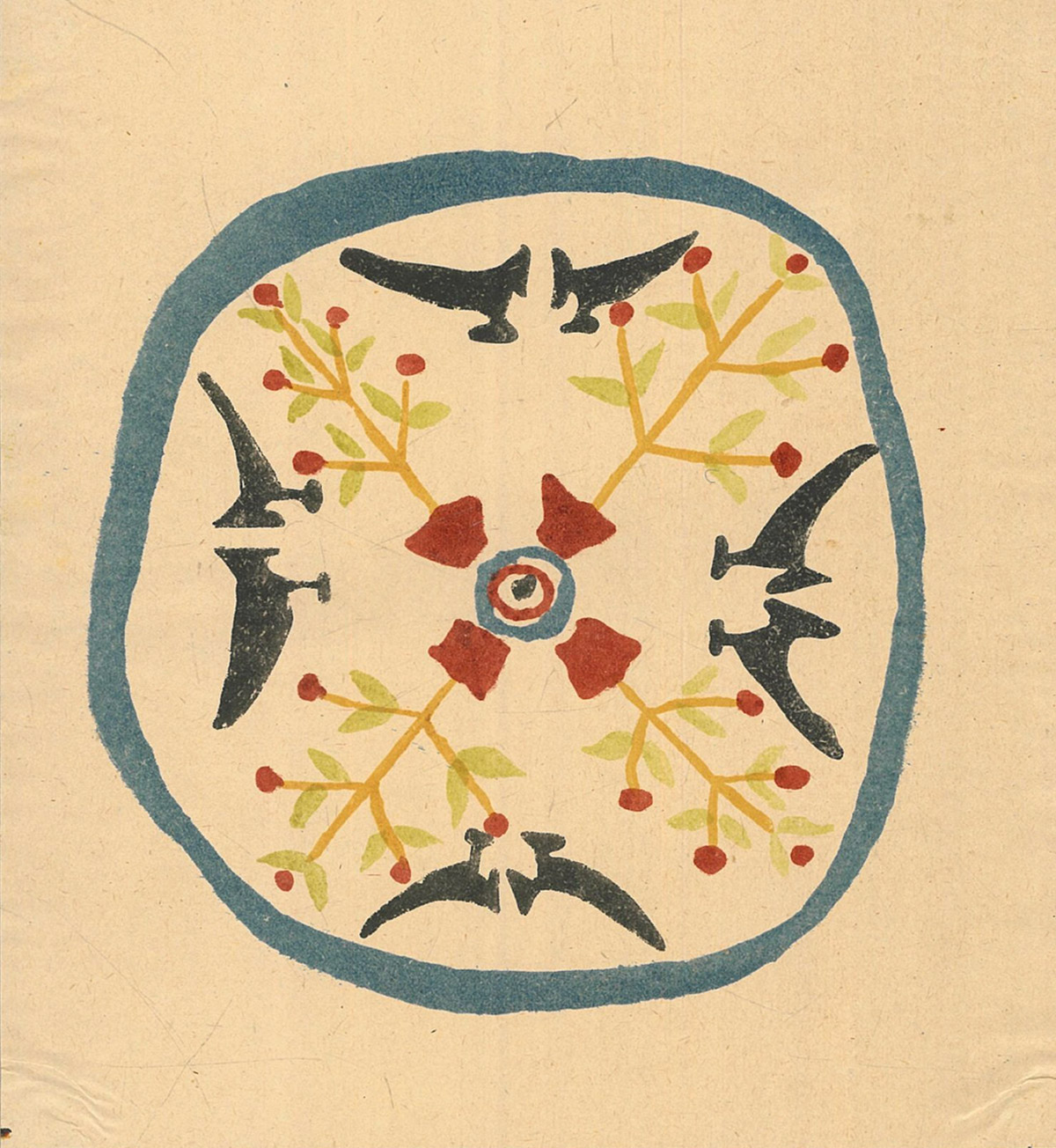
- (1) Wall Paintings of the Kamianets Region, 1927.
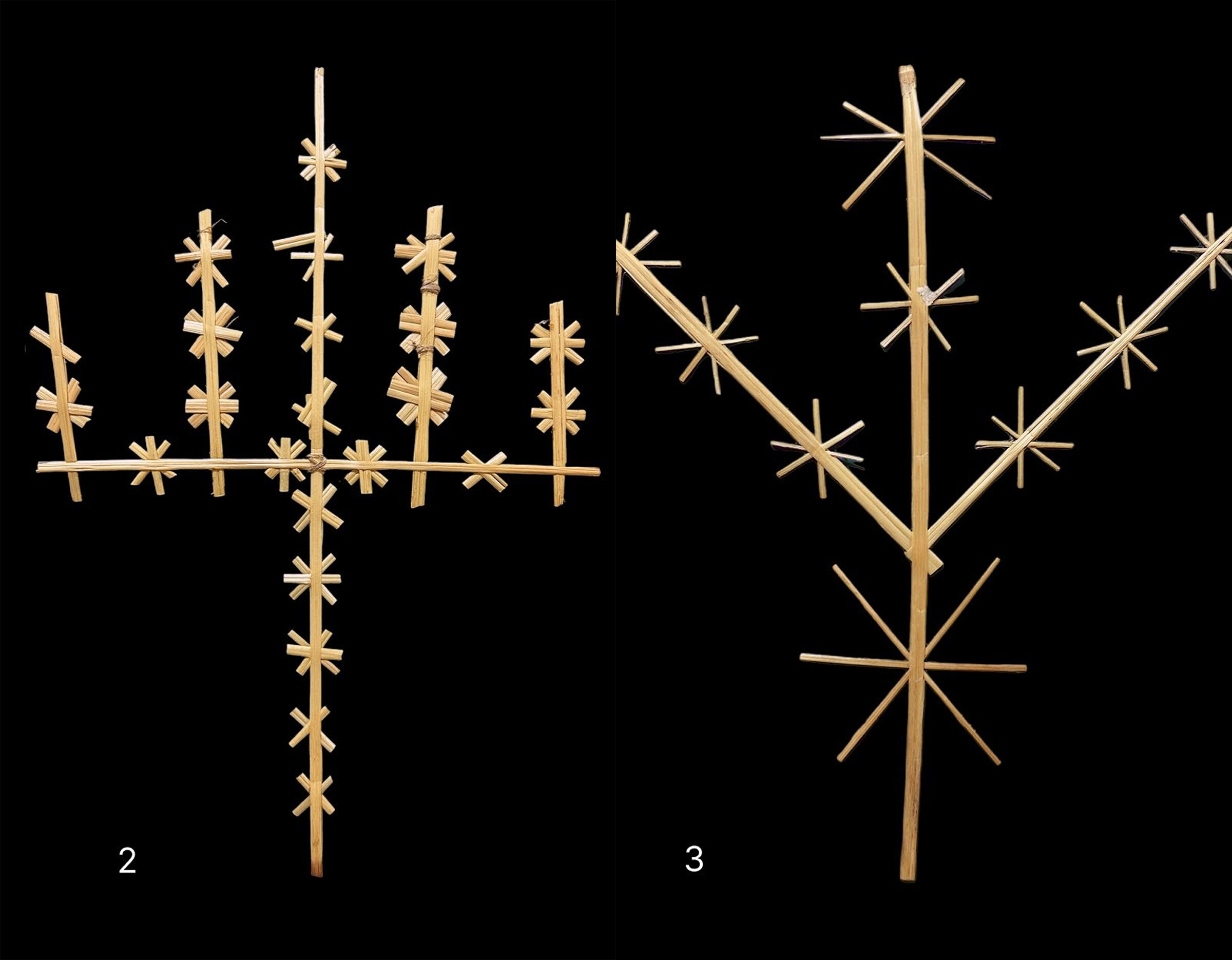
Source: V. Hagenmeister. - (2) Epiphany Crosses. Villages of Ulhivok (1932) and Zhuravtsi, present-day Poland.
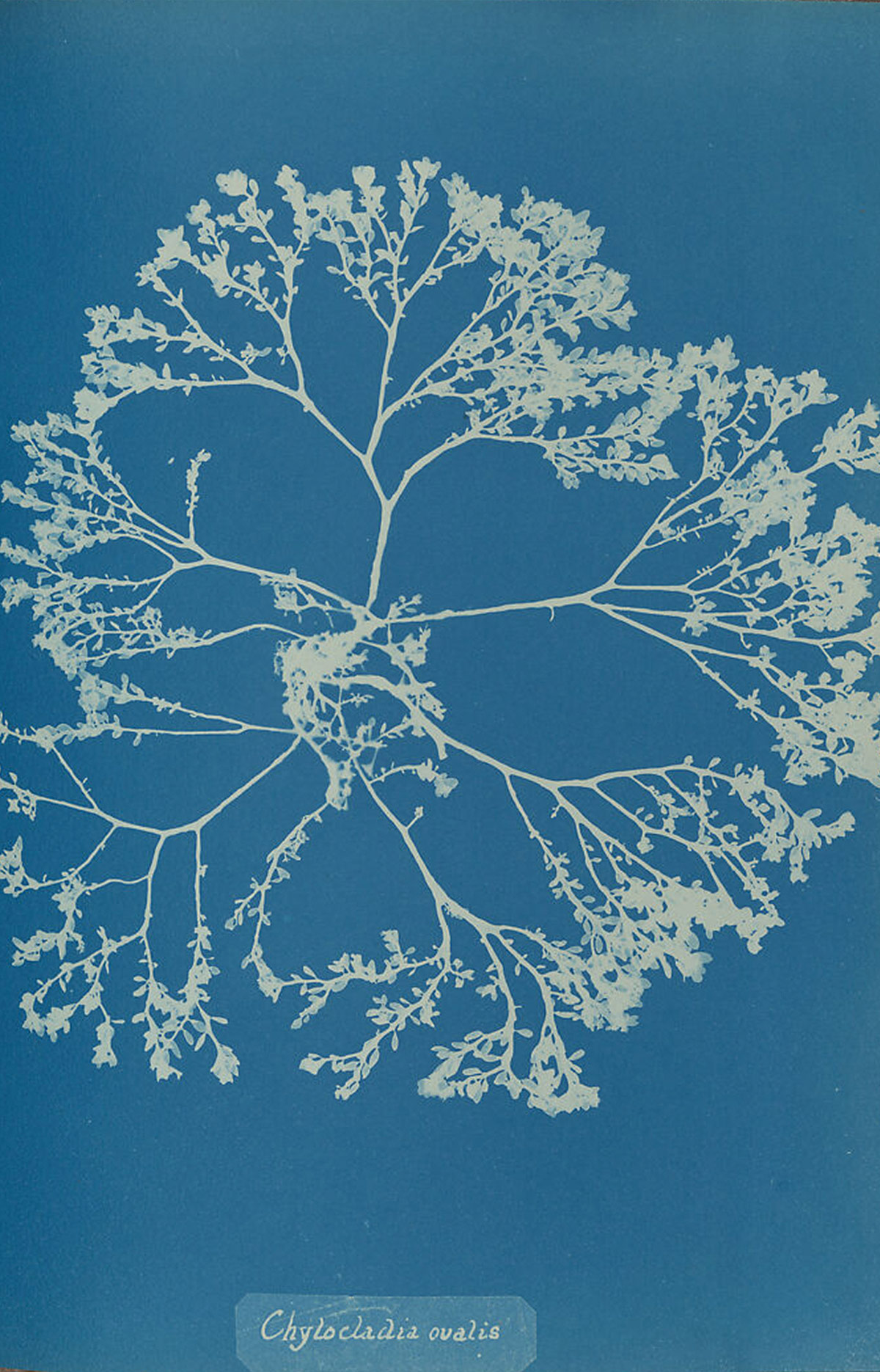
Source: Our Christmas exhibition, Andrey Sheptytsky National Museum in Lviv. - (3) Chylocladia ovalis. Anna Atkins (British), ca. 1853.
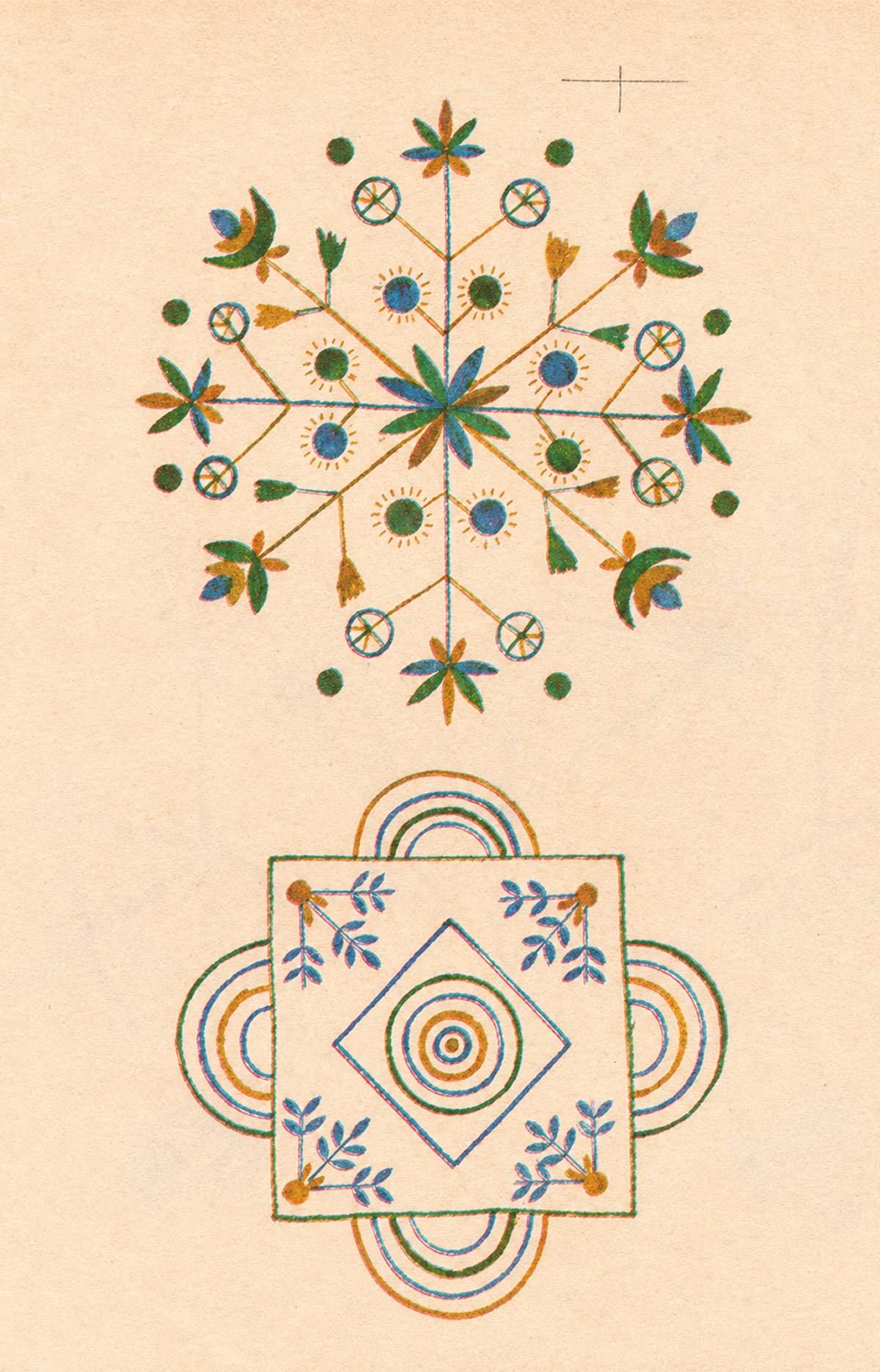
Source: The Metropolitan Museum of Art. - (4) Painted Stove Decorations. Horodetske Village, Uman Region, 1907–1909.
Source: V. Shcherbakivskyi, Ornamentation of the Ukrainian House, 1980.
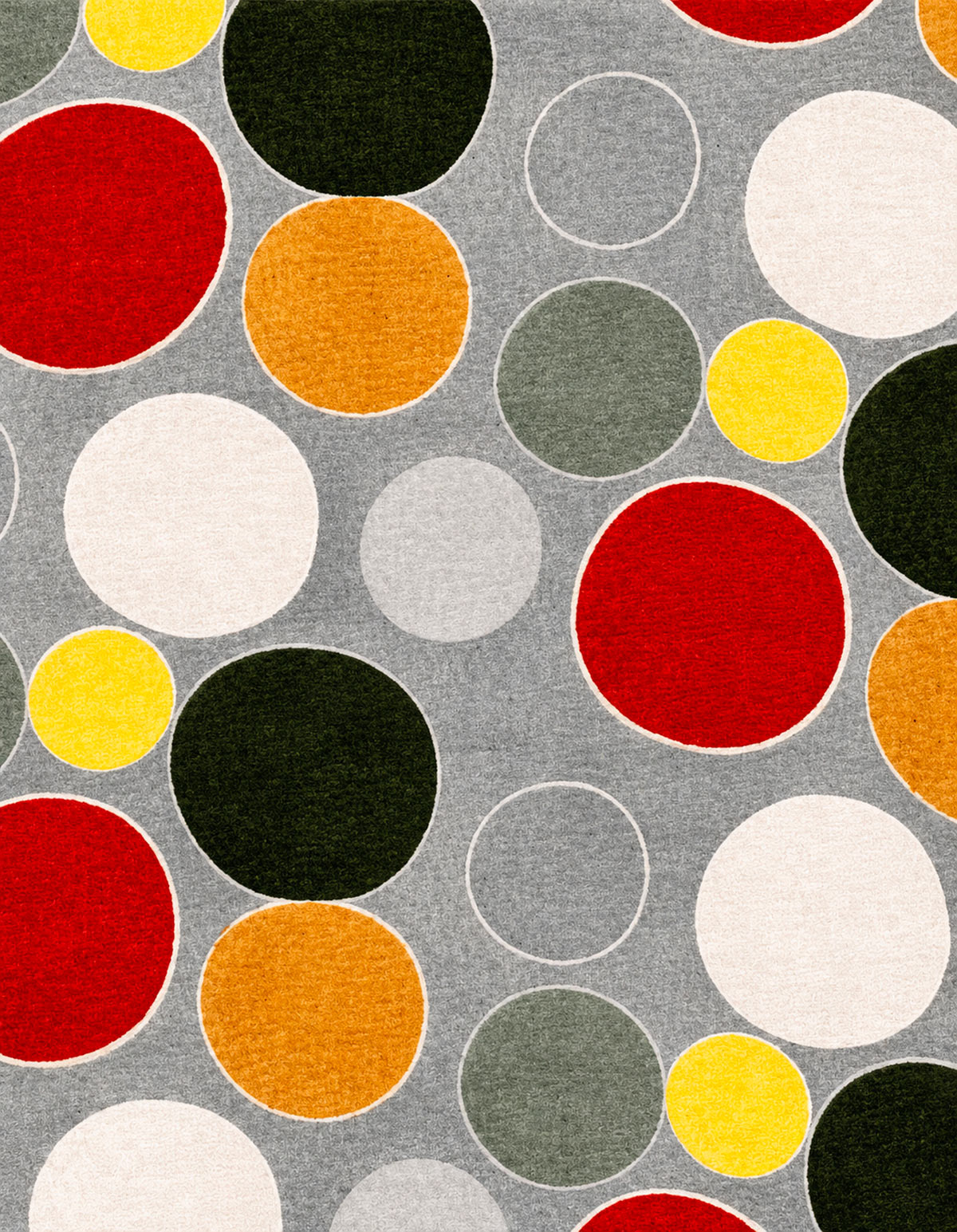
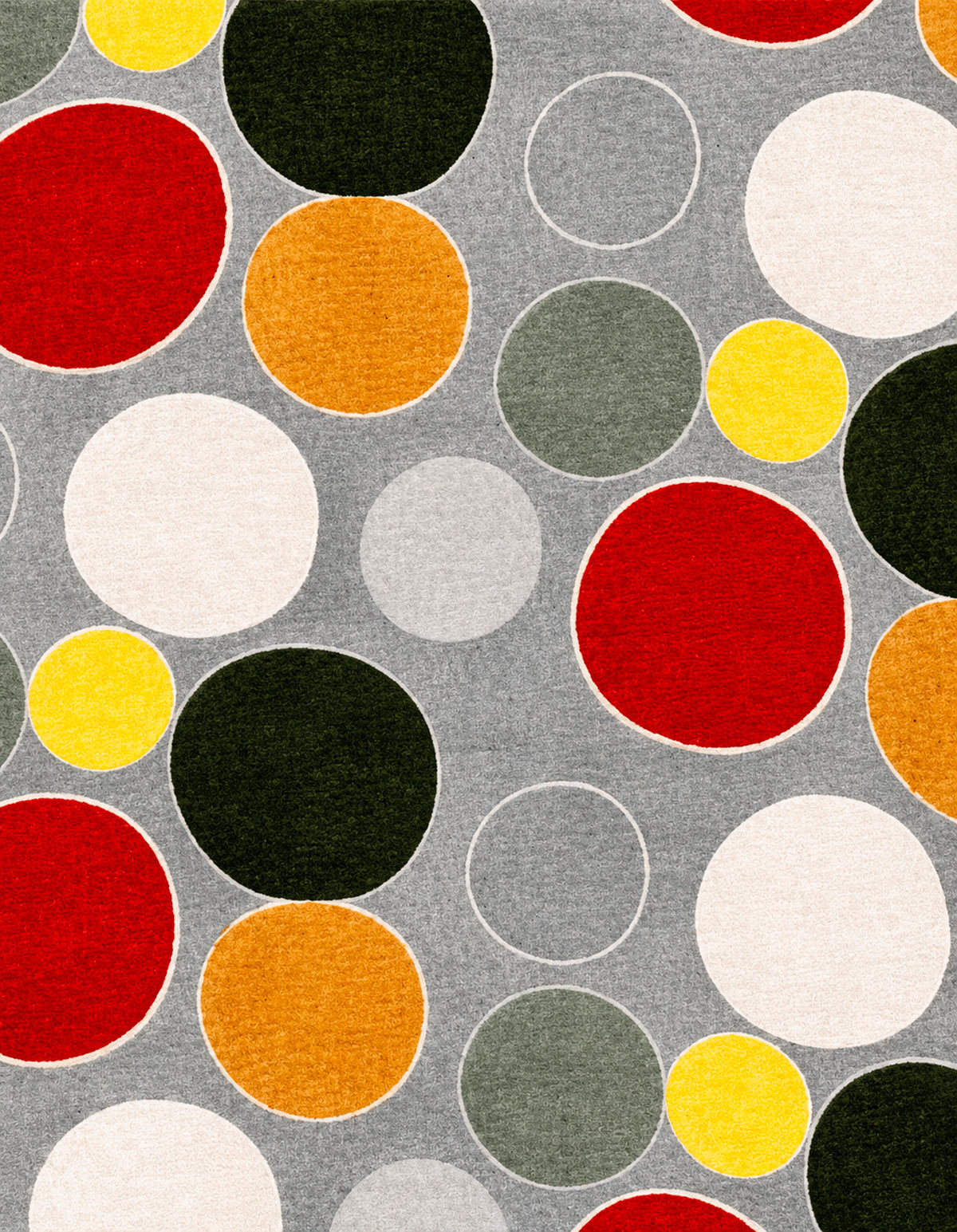
- (5) Sonia Delaunay. Fabric Sample, date unknown.
- (6) Fragment of a Knitted Hood. Ivano-Frankivsk Region, late 19th century.
Source: O. Kozakevych, The Art of Ukrainian Traditional Knitting. - (7) Photograph from Etnodim’s private archive.
- (8) Residents of Veldyzh Village (now Shevchenkove), Ivano-Frankivsk Region, 1887.
Photo: Alfred Silkevych.
- (9) The Kalyta Ritual on St. Andrew’s Day. Podillia Region, early 20th century.
Source: myreport.com.ua. - (10) Photograph from Etnodim’s private archive.
- (11) Sonia Delaunay. Fabric Sample, 1928.
- (12) Diagrams of Epiphany Crosses.
Source: Nasha Batkivshchyna magazine, No. 1, 1937.
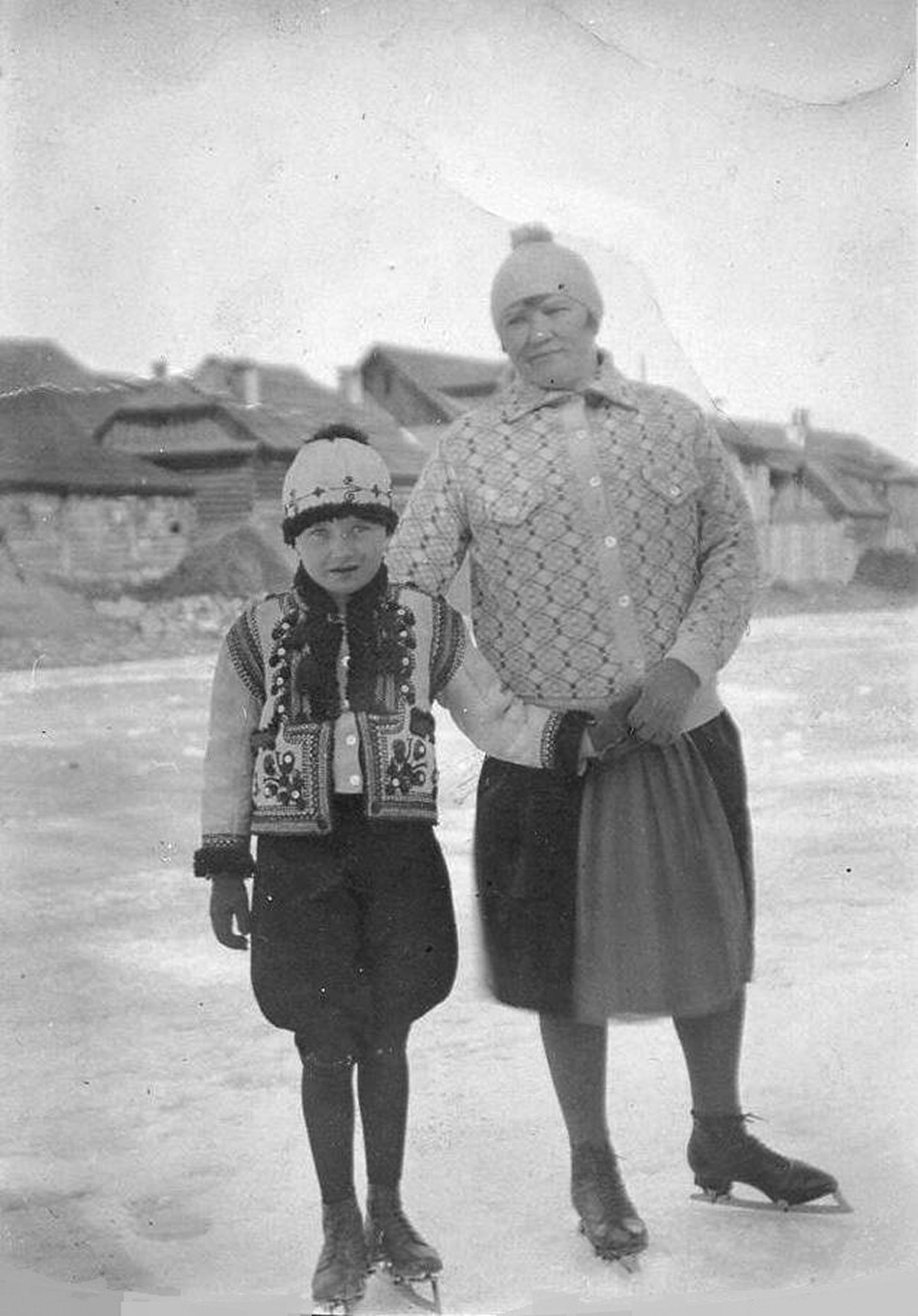
- (13) Women Skating on the Tysa River. Yasinia, early 1930s.
Source: Mykhailo Meisarosh Archive, published by Mykhailo Markovych on Facebook. - (14) Photograph from Etnodim’s private archive.
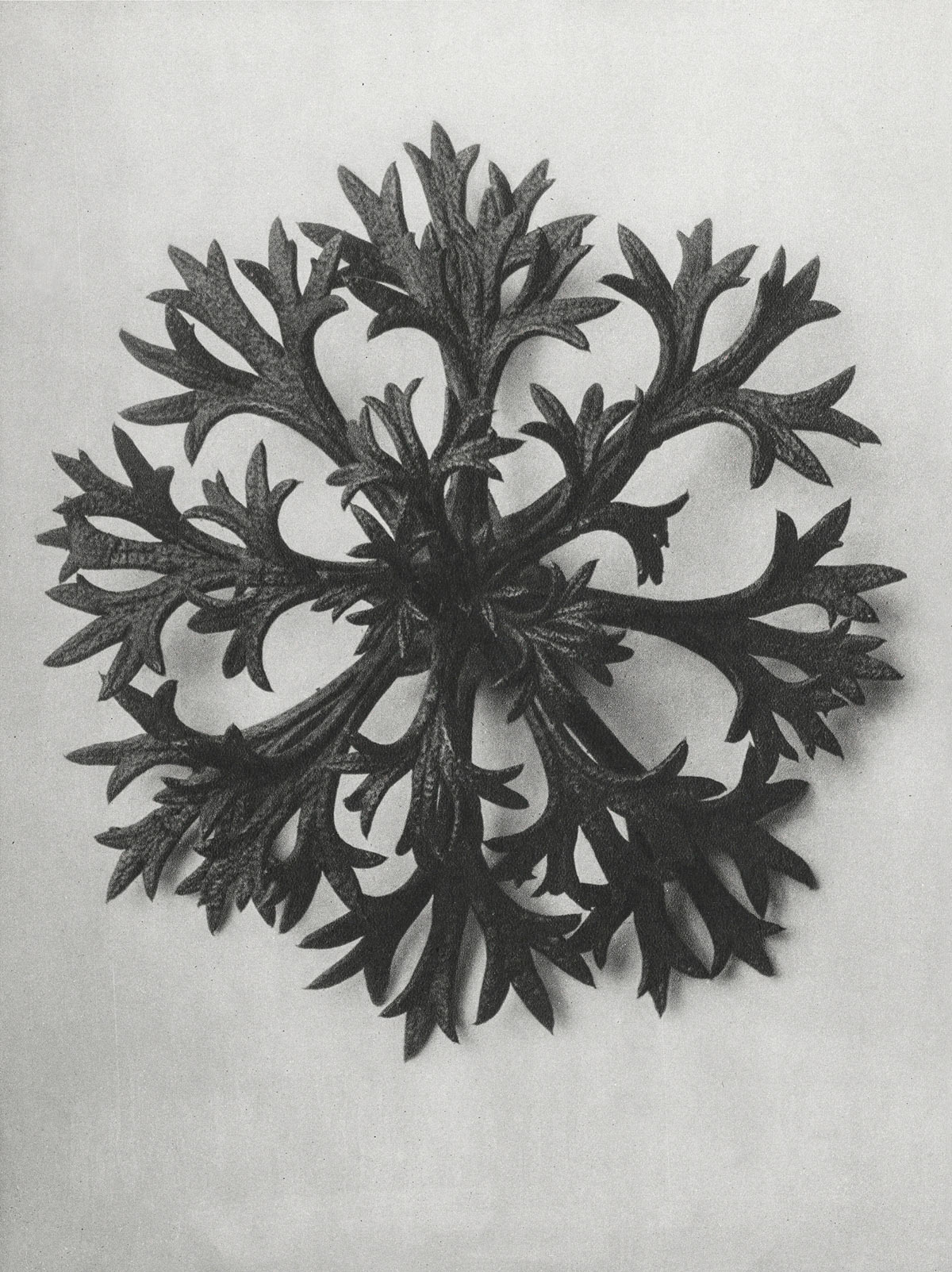
- (15) Karl Blossfeldt Vintage Photography.
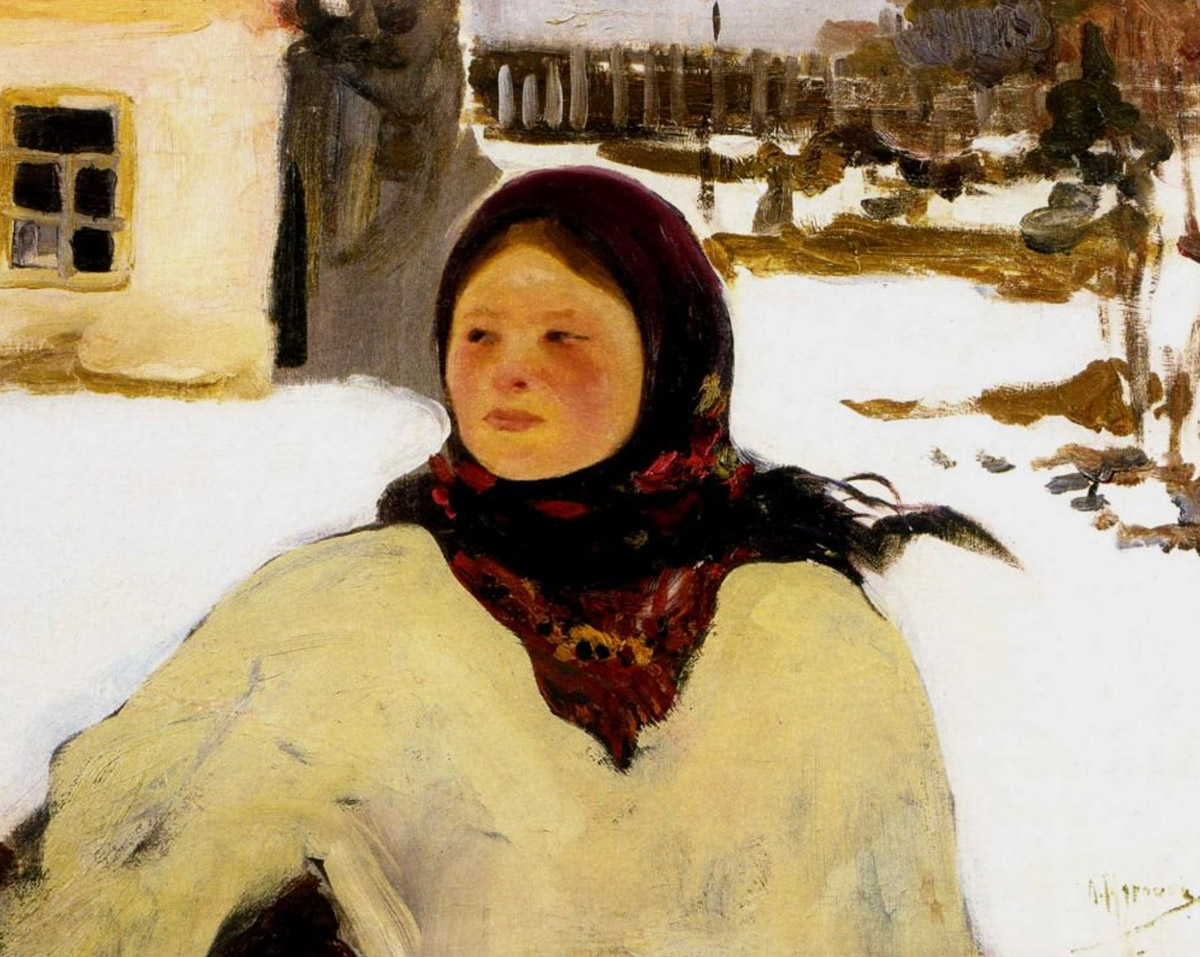
- (16) Oleksandr Murashko, Girl, ca. 1906.